
Protective Gear and Supports
Protective Gear and Supports include accessories designed to provide stable, comfortable movement and light protection during a range of training activities.
Protective Gear and Supports help you feel more secure during workouts that involve repeated movement, quick transitions or controlled contact. These items offer general support where you want extra stability or comfortable coverage, making them useful across strength sessions, fitness classes and outdoor exercise. They help clothing and joints feel supported without restricting natural movement.
What This Category Includes
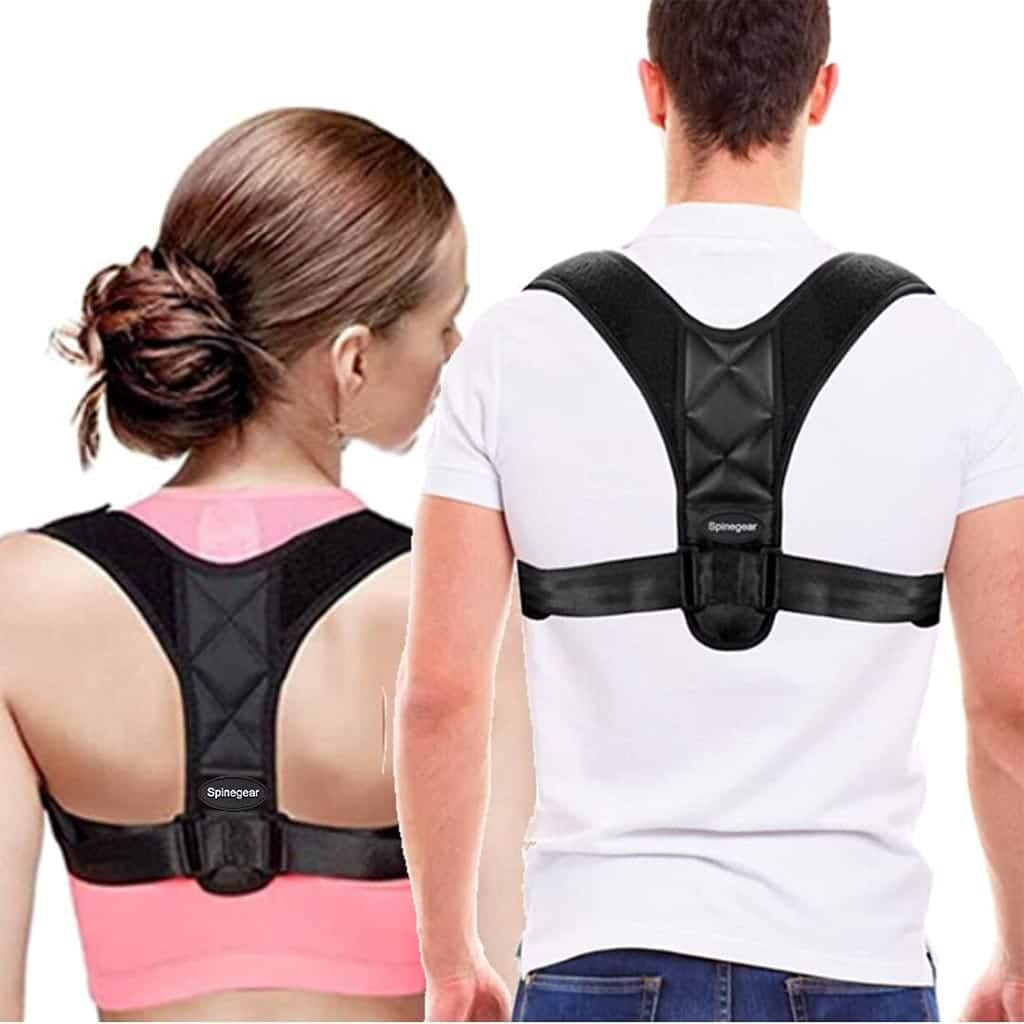
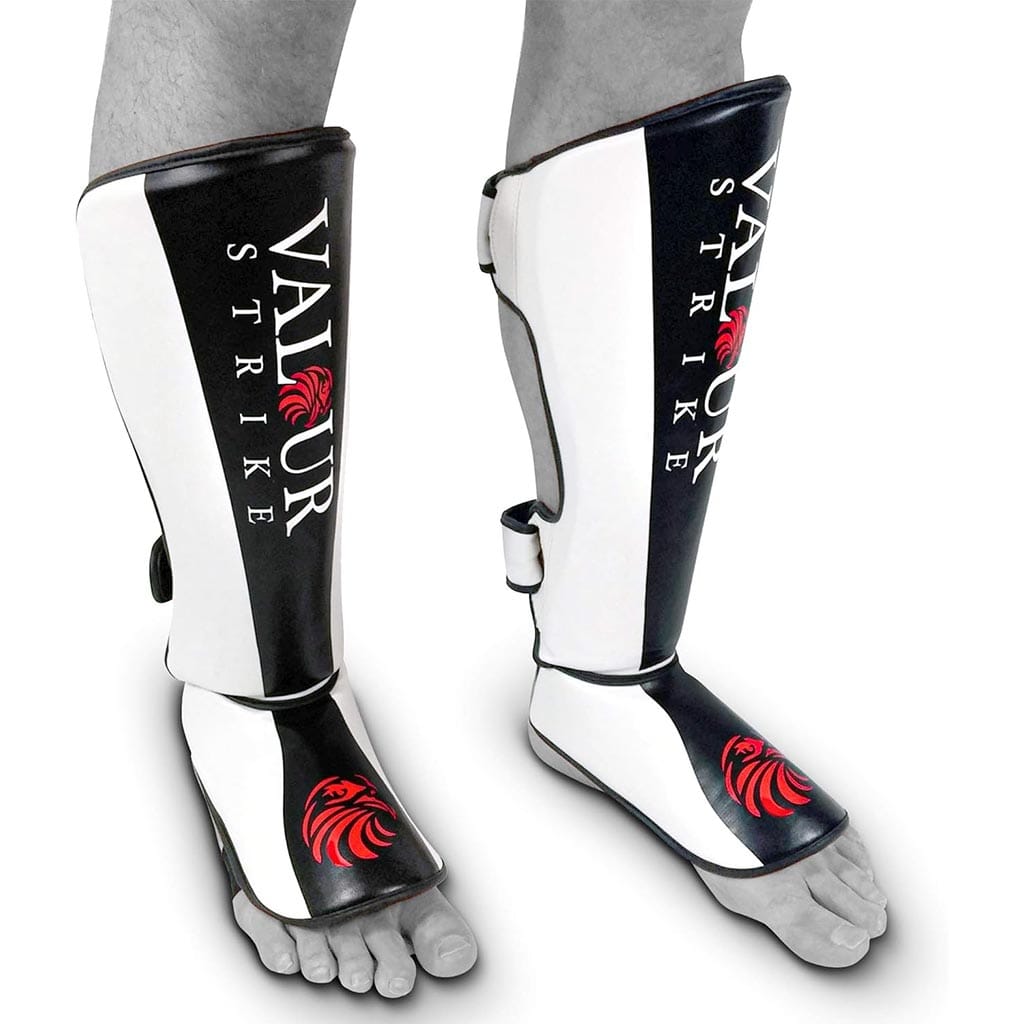
This category includes protective accessories and support items such as wraps, light guards and posture-assisting pieces. Designs vary in firmness, coverage and flexibility depending on the type of activity they are suited to. Some pieces focus on stability, while others provide gentle coverage in areas exposed to repeated movement or contact. Specifications vary — see individual product listings for details.
Key Functional Roles
Protective Gear and Supports provide light coverage and added stability during training. They help keep targeted areas feeling secure during repetitive motions, shifts in direction or training that involves contact with equipment. Many designs aim to remain comfortable while you move, allowing full range of motion across different exercise styles.
Typical Use Scenarios
You might use supports during gym workouts, structured fitness classes or outdoor training sessions. Items such as wraps or sleeves can provide a stable feel during strength or circuit routines, while light guards may feel useful for activities where bumps or contact occasionally occur. Some people also use posture-assisting items during steady indoor workouts to maintain comfortable alignment.
Buyer Considerations
Consider the activity you do most often and the type of stability or coverage you prefer. Some supports feel more flexible for dynamic routines, while others offer firmer structure suited to controlled strength sessions. Fit matters: supports should stay in place without restricting movement. Materials vary from soft fabrics to slightly more structured designs, so choosing based on comfort and training style helps you find the right option.
Safety, Suitability & Best Practices
Choose supports that feel comfortable and allow full movement during warm-up exercises. They should not feel overly tight or limit natural range. Following care instructions helps maintain shape and comfort. Using supports as part of a familiar routine—rather than relying on them to influence technique—helps keep training balanced and enjoyable. No item here replaces professional guidance; they provide general stability only.
Category Boundaries
Protective Gear and Supports cover light protective accessories and support items only. Apparel belongs in Men’s Activewear or Women’s Activewear, while close-fit pieces belong in Compression Clothing categories. Footwear sits within Footwear, and training gloves, belts or non-protective accessories belong in Fitness Accessories & Gear. This category does not include equipment such as weights, benches or machines, which sit in Exercise Equipment.
FAQs
**When should I use protective supports during training?**
Many people use them during repetitive or contact-heavy routines where extra stability or coverage feels comfortable. You can test them during warm-ups to see how they behave before full sessions.
Should supports feel tight or flexible?
They should feel secure but not restrictive. A balanced fit allows you to move freely without slipping or discomfort during changes in pace or direction.
Are these supports suitable for outdoor exercise?
Yes. Many designs work well outdoors, especially when added coverage helps during varied terrain or equipment-based routines. Fit and comfort guide suitability.
Do supports replace proper technique or coaching?
No. They provide general stability or coverage but do not substitute training guidance or serve as corrective devices.
Practical Insights & Real-World Context
Many people use supports during phases of training that involve repetition or high contact with equipment, then remove them for lighter movements or cooldowns. Testing a support item with simple exercises such as squats, lunges or light drills helps you understand how it moves with your body. Over time, choosing supports that align with your routine can make sessions feel smoother and more predictable.
How This Category Fits Into Your Gear and Equipment
Within the wider Activewear and Footwear category, Protective Gear and Supports sit as stability-focused accessories that complement clothing, footwear and general training gear across the fitness range.
 Getting ready for Summer? View our Home and Garden Products

Heading outdoors this winter? Take a look at our Outdoor Clothing.