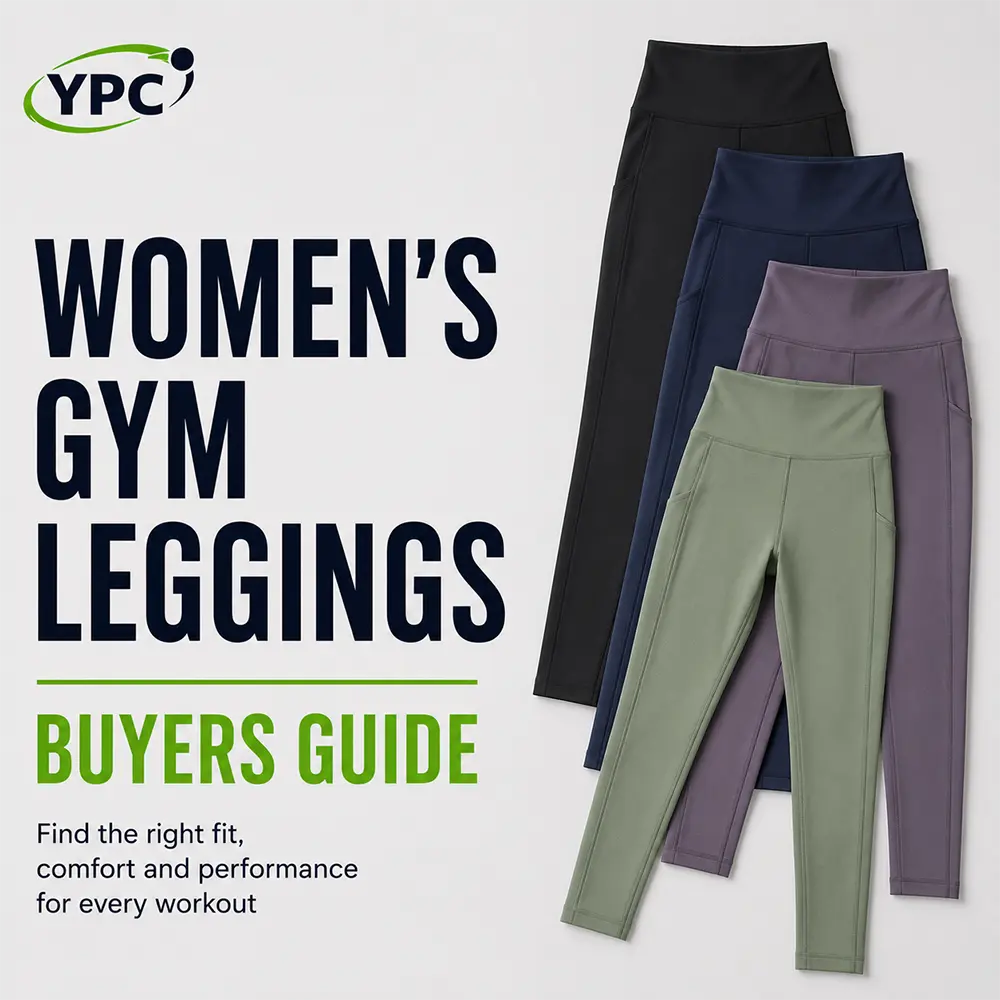
Women’s gym leggings are flexible, close-fitting training garments designed to support comfortable lower-body movement across a wide range of workouts. This guide explains how to compare different leggings based on fit, fabric behaviour and training use. You will learn what to consider so you can choose leggings that match your training style, environment and personal preferences.
Quick Product Comparison Framework
| Feature area | What varies | Why it matters |
|---|---|---|
| Fabric thickness | Lightweight to mid-weight to warmer | Affects comfort in different temperatures |
| Opacity | Low to full coverage | Influences confidence during dynamic movements |
| Compression level | Light to firm | Impacts feel and support during exercises |
| Waistband style | High-rise, mid-rise, wide band | Affects support and fit stability |
| Fit and cut | Full length, 7/8, cropped | Guides coverage and movement feel |
| Pocket options | No pockets, side pockets | Adds practicality for small items |
| Breathability | High to moderate | Helps manage sweat during intense sessions |
Key Decision Criteria Explained
Squat proofing and opacity
Leggings should maintain opacity through squats, lunges and bending. Fabric that is too light or sheer may feel insecure under load.
Fabric thickness and feel
Lightweight fabrics are cool and suitable for indoor, high-intensity sessions. Mid-weight or slightly warmer materials feel comfortable during outdoor or cooler-season training.
Fit and compression feel
Close-fitting leggings that incorporate stretch and compression can feel supportive during dynamic movements. Lighter, lower compression styles may prioritise comfort during steady routines.
Waistband height and support
High-rise or wide waistbands help keep leggings in place as you move. Mid-rise styles can offer a balanced fit for some body types.
Comfort during movement
Leggings should feel unobtrusive and allow full freedom in hip, knee and ankle motion. Restrictive cuts or wrong sizing can hinder natural movement.
Sweat visibility and moisture management
Breathable fabrics manage moisture and help leggings remain comfortable through intense training.
Pockets and practicality
Some leggings include discreet pockets for small essentials like keys or cards. Consider whether pocket placement affects comfort during movement.
Product Type Differentiation and Variants
Lightweight training leggings
Best for indoor gyms and high-intensity sessions. They feel cool and flexible. Specifications vary — see individual product pages for details.
Mid-weight versatile leggings
Offer balanced coverage and comfort across seasons or mixed indoor/outdoor use.
Warm or thicker leggings
Provide additional fabric weight for cooler environments and steady routines.
Length variants
Full-length, 7/8 and cropped cuts offer different coverage levels to match personal preference and seasonal conditions.
Suitability by Reader Type or Need
- Beginners and occasional gym users may prioritise mid-weight, high-coverage leggings that feel confident during most movement types.
- Regular or higher-intensity trainers might choose lighter, highly breathable fabrics for cardio and conditioning sessions.
- Outdoor exercisers often prefer slightly thicker or warmer leggings to manage changing conditions.
- Those who carry small essentials might value side pockets for practicality.
Common Mistakes and Misunderstandings
- Assuming all leggings fit the same size across brands — sizing varies and measurement checks help.
- Expecting price alone to guarantee squat-proof opacity — material and construction matter more.
- Overlooking waistband style and support, which influence how secure leggings feel during dynamic movement.
- Forgetting to consider pocket placement, which can affect comfort during activity.
Safety and Suitability Caveats
Gym leggings are low-risk lifestyle apparel items, but suitability still matters. Ensure leggings allow natural range of motion and remain opaque during dynamic exercises. Selection should focus on comfort, fit, and training context. No product guarantees performance outcomes, and leggings are not protective equipment.
Maintenance Expectations and Lifespan Considerations
Leggings are subject to frequent movement and washing. Fabric stretch, colour and fit may change over time. Following care instructions helps sustain elasticity and comfort. Rotating multiple pairs based on training intensity and seasonal needs can extend the usable life of each item.
How to Compare Models Efficiently
- Identify your main training environment (indoor, outdoor, mixed).
- Decide on the preferred fabric thickness and breathability.
- Evaluate opacity for movement confidence.
- Compare waistband styles for support and fit stability.
- Check pocket options and placement.
- Factor in length preference and seasonal needs.
Summary Buyer Decision Checklist
- Fabric thickness suited to training conditions
- Opacity for confidence during dynamic movement
- Fit and compression feel for comfort
- Waistband style that stays secure
- Pocket practicality if needed
- Breathability and moisture management
Frequently Asked Questions
Are gym leggings suitable for both strength and cardio training?
Yes. Flexible fabrics and close fits support a wide range of exercise styles.
Should leggings be squat proof?
Yes. Leggings should remain opaque during squats and bends to ensure confidence during movement.
What rise is best for training leggings?
High-rise and wide waistbands generally provide better support and stability, especially during dynamic movement.
Do pockets affect comfort?
Pocket placement and size can affect comfort. Side pockets designed for movement are often the most practical.
Are cropped leggings as useful as full-length ones?
Cropped leggings offer lighter coverage and cooler feel, while full-length variants provide extra warmth and coverage.
For products in this category, visit:
https://www.ypc.co.uk/product-category/diet-fitness-and-exercise-equipment/activewear-and-footwear/womens-activewear/womens-gym-leggings/