

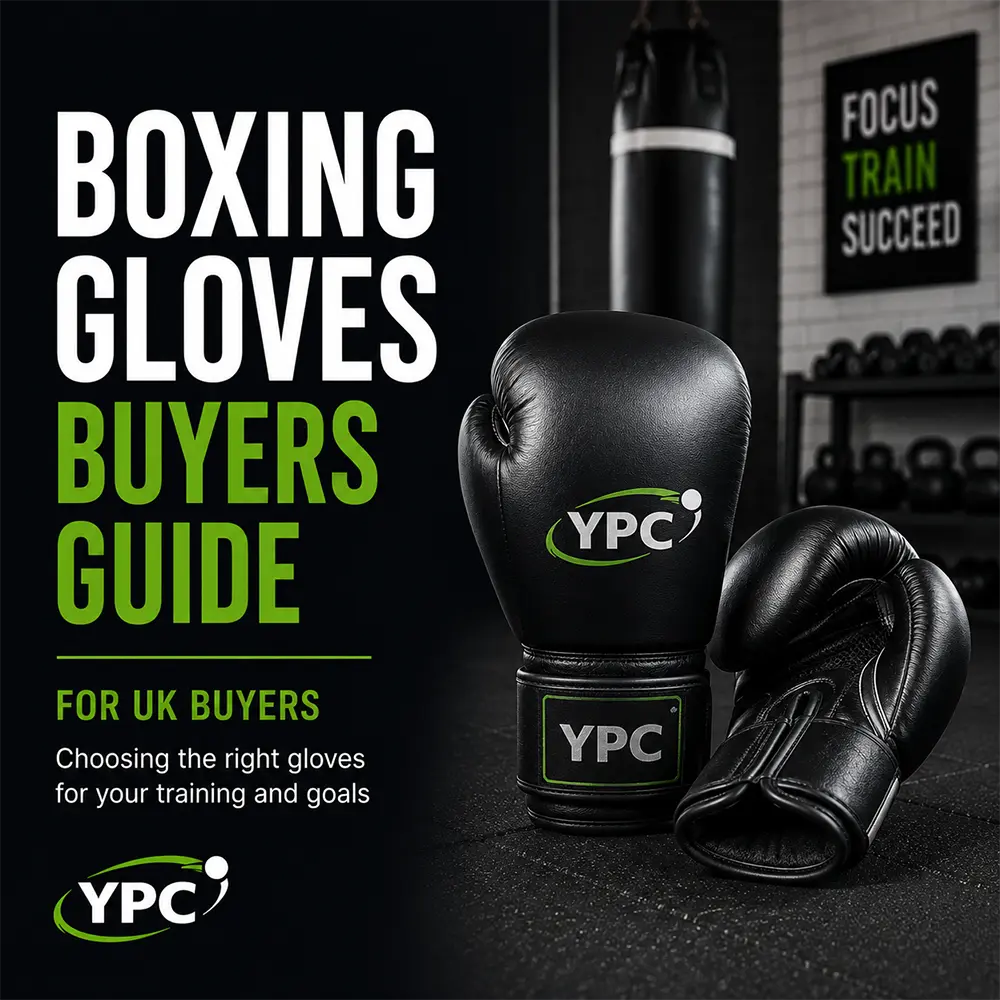

Boxing gloves are padded handwear designed for controlled striking during boxing and combat sports training. This Buyers Guide explains how boxing gloves differ in weight, padding, materials and closure systems, and how those differences affect suitability for different training contexts. It is intended to help you compare options clearly while keeping safety and fit considerations front of mind.
Compare Boxing Gloves
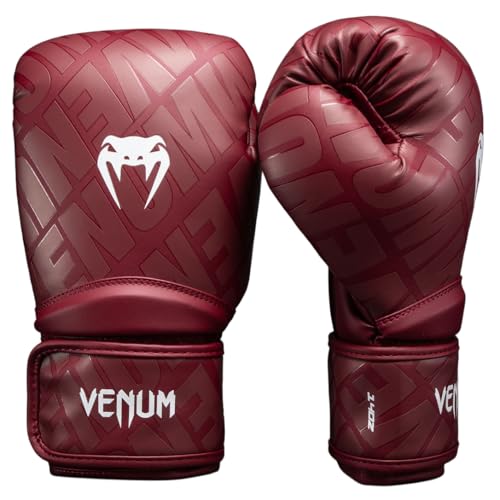


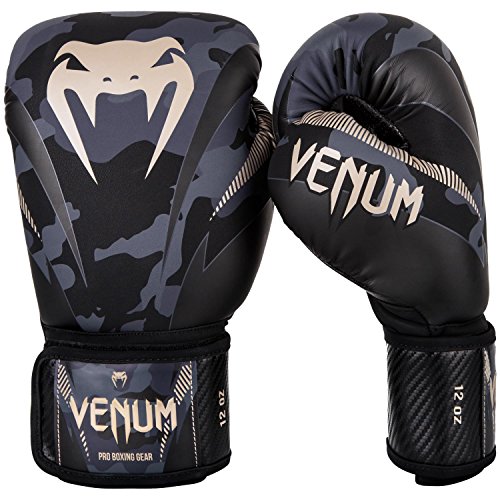

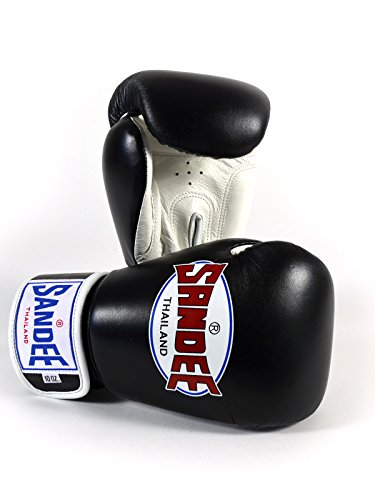
As an Amazon Associate we earn from qualifying purchases.
Quick Product Comparison Framework
| Feature area | How options differ |
|---|---|
| Glove weight | Lighter training weights to heavier padded options |
| Padding distribution | Even padding versus impact focused knuckle areas |
| Outer material | Synthetic finishes or leather style materials |
| Closure system | Hook and loop straps or lace up designs |
| Intended use focus | General training, bag work, or sparring style |
| Lining and ventilation | Basic linings versus breathable inner materials |
| Size range | Adult, youth, or compact hand sizing |
Key Decision Criteria Explained
Weight and padding feel
Glove weight affects overall padding thickness and impact sensation. Heavier gloves generally feel more cushioned during training.
Hand fit and sizing
Proper fit supports comfort and control. Size suitability varies by hand dimensions and intended use.
Wrist support approach
Closure design influences how secure the glove feels around the wrist during movement.
Material and construction
Outer material affects durability and feel, while inner linings influence comfort during longer sessions.
Training context compatibility
Some gloves are designed for general use, while others are better suited to bag focused or partner based routines.
Product Type Differentiation and Variants
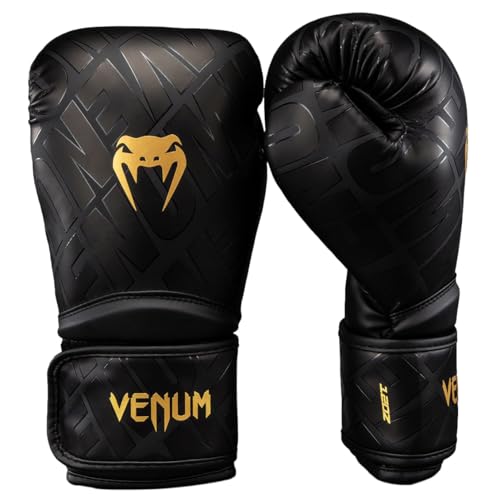
Training boxing gloves
Designed for versatile use across different training routines.
Bag gloves
Often feature firmer padding intended for repeated contact with bags or pads.
Sparring style gloves
Typically use more evenly distributed padding for partner based practice.
Youth or smaller size gloves
Scaled for smaller hands and lighter training requirements.
Specifications vary, see individual product pages for details.
Suitability by Reader Type or Need
- Beginners or those returning after a break often prioritise comfort, padding feel and secure wrist closures.
- Recreational users may focus on versatile gloves suitable for mixed training.
- Regular trainees often consider durability, lining comfort and weight preferences.
- Shared equipment users may value easy to fasten closures and breathable materials.
- Budget focused buyers often balance material choice against intended frequency of use.
Common Mistakes and Misunderstandings
- Assuming one glove weight suits all training types.
- Overlooking fit when focusing only on padding thickness.
- Treating all materials as equal in durability and feel.
- Expecting a single pair to suit every training context.
- Ignoring ventilation when training frequently.
Safety and Suitability Caveats
Boxing gloves are personal protective equipment for impact activities. Suitability depends on correct fit, intended training context and individual comfort. No glove eliminates injury risk. Manufacturer guidance should always be followed.
Maintenance Expectations and Lifespan Considerations
Boxing gloves require regular airing after use. Lifespan depends on materials, construction quality and frequency of training. Over time, padding compression and lining wear may occur. Durability varies between products.
How to Compare Models Efficiently
Start by identifying your main training use. Then compare glove weight and fit suitability. Review closure style and wrist support feel next, followed by material choice and ventilation. This helps narrow options without over focusing on a single feature.
Summary Buyer Decision Checklist
- Intended training type
- Preferred glove weight
- Hand size and fit comfort
- Wrist closure preference
- Material and lining choice
- Frequency of use
- Budget alignment
Frequently Asked Questions
Are boxing gloves suitable for beginners?
Many beginners use boxing gloves, but suitability depends on fit, comfort and intended training type.
Do heavier gloves offer more protection?
Heavier gloves generally feel more padded, but protection varies by design and construction.
Are different gloves needed for bag work and sparring?
Some people use different gloves for different contexts. Suitability varies by training preference.
What closure type is easiest to use?
Hook and loop straps are commonly chosen for convenience, while lace systems are often used in structured environments.
Do materials affect glove lifespan?
Yes. Outer material and lining quality influence durability. Lifespan varies between products.
Can boxing gloves be shared?
Some are shared in gym settings, but hygiene and fit considerations apply.
For products in this category, visit:
https://www.ypc.co.uk/product-category/diet-fitness-and-exercise-equipment/exercise-equipment/boxing-and-combat-sports/boxing-gloves/
Boxing gloves are padded gloves used for boxing and related combat-sports training. Choosing a pair involves more than picking a weight: intended use, fit, the feel of the padding and your training setting all matter.
This guide explains the main differences to consider, from general training gloves to options intended for bag work or sparring. It is a starting point for comparing products, not a substitute for your coach’s or club’s requirements.
How do you choose boxing gloves?
Start with the activity you will use them for most, then check any weight or glove-type requirements set by your club. Compare the listed glove weight with the maker’s sizing guidance, and consider how the glove fits with the hand wraps you plan to wear. A convenient closure or a particular material is useful only if the glove is suitable for your training and fits comfortably.
Boxing gloves comparison guide
| Factor | What it means | Why it matters | What to check |
|---|---|---|---|
| Intended use | Some gloves are presented for general training, bag work or sparring. | Padding and construction can suit different training contexts; a label alone does not establish suitability. | Read the stated use and check your coach’s or club’s guidance, especially for partner work. |
| Weight | Glove weight is commonly stated in ounces (oz). | Weight affects how the gloves feel to wear and train in, but is not a direct measure of fit or protection. | Check the product’s sizing guidance and any training or club requirement. |
| Fit and hand space | Internal shape and available room differ between designs. | A glove should feel secure without uncomfortable pressure, including when worn with hand wraps. | Look for fit guidance and consider the wraps you will use. |
| Padding | Amount, firmness and distribution may vary. | Padding feel affects comfort and how the glove suits the intended activity. | Check the product description and use guidance; do not infer suitability from weight alone. |
| Closure | Common approaches include hook-and-loop straps and laces. | They differ in fastening convenience and how the glove is secured. | Consider whether you need to put gloves on independently and whether your training setting has a preference. |
| Materials and lining | Outer materials and internal finishes vary by product. | They affect feel and care needs, but material labels alone do not guarantee durability. | Check the stated materials and any care instructions. |
What to check before buying
Choose for the training, not just the label
Bag and pad work, general training and sparring place different demands on gloves. Some products are described as suitable for more than one activity, but descriptions are not a universal approval for every gym or partner session. If you train at a club, ask which glove weight and type it accepts before choosing.
Understand weight and sizing
The ounce figure describes glove weight; it is not a straightforward hand-size measurement. Two gloves with the same stated weight can feel different in shape, padding and room for the hand. Use the individual product’s guidance rather than assuming that a particular weight will fit every adult or young person.
Specifications vary by model, so always check the individual product page before buying.
Allow for hand wraps
If you train with hand wraps, consider the fit with them on. A glove that feels acceptable on a bare hand may feel tight once wrapped. Check whether the product gives guidance about fit or hand space, and avoid relying on a size or weight label alone.
Consider fastening and getting ready
Hook-and-loop closures are often convenient when putting gloves on without assistance. Lace-up gloves may suit settings where a close fastening is preferred, but consider whether you can manage them independently. Neither closure type guarantees a better fit; the glove’s shape and how securely it sits on your hand also matter.
Compare padding and construction
Padding can differ in firmness and distribution, so “more padding” or a heavier glove does not by itself establish that it is right for a particular activity. Look for a clear description of the intended use and check any guidance from your coach. Materials and lining can affect feel and care, but avoid treating a material name as proof of a particular lifespan.
Types of boxing gloves
- General training gloves: May be described for mixed training. Check that the intended activities match yours and that your gym accepts them.
- Bag or pad gloves: Intended for striking training equipment. Their feel and padding vary, so check the product’s stated use rather than assuming all bag gloves are alike.
- Sparring gloves: Described for partner practice, but the label does not guarantee that a coach or club will approve them. Confirm requirements before buying.
- Youth or smaller-fit gloves: May be designed for smaller hands. Check the maker’s sizing guidance and the intended user’s fit; do not choose based on age wording alone.
Which features suit different needs?
- For a first pair: Prioritise clear sizing information, comfortable fit with wraps and a closure you can manage. Confirm the intended use with your coach if you train at a club.
- For mixed training: Look for a product explicitly described for the activities you do, then check whether your club accepts it for each one. A general-use label may not cover every session.
- For frequent training: Compare construction, lining and care guidance alongside fit and intended use. No material or price category alone guarantees how long a glove will last.
- For a young or smaller-handed user: Check the size guidance and intended user information carefully. The fit should be assessed with any wraps used, and the training setting’s requirements still apply.
- When convenience matters: Consider how easily you can fasten the gloves yourself, while making sure the closure and fit meet your training needs.
Common buying mistakes
- Choosing by weight alone: Weight does not tell you the full story about fit, padding feel or intended use. Compare those details separately.
- Assuming heavier means safer or better: A heavier glove is not automatically suitable for every activity. Follow the guidance for your training and the product.
- Buying without checking club requirements: Requirements can differ between training settings. Ask before choosing a pair for sparring or organised sessions.
- Ignoring hand wraps: Wraps take up space inside the glove. Consider the fit you will actually use.
- Assuming one pair suits every session: A glove described for one activity may not meet the needs or rules of another. Check before relying on it as an all-purpose choice.
- Treating material labels as a durability guarantee: Construction and use also matter. Read the product details and care instructions rather than relying on a material name alone.
Safety and suitability
Gloves should be appropriate for the activity and fit comfortably with any hand wraps you use. No glove removes the risks associated with impact training. Follow product guidance and seek advice from your coach or training provider if you are unsure about weight, type or suitability for partner work.
Care and storage
Follow the product’s care instructions. After use, allowing gloves to air in a suitable place can help them dry; avoid assuming every material can be cleaned in the same way. Check care guidance before using cleaning products, and store the gloves as directed by the manufacturer.
A simple buying process
- Decide whether the gloves are mainly for bag work, pads, sparring or mixed training.
- Ask your coach or club about any required weight or glove type.
- Check sizing guidance and consider the fit with your hand wraps.
- Compare padding description, closure, materials and care instructions.
- Review the individual product information and confirm it suits your intended use before buying.
Boxing gloves buyer checklist
- Have I identified the main activity I will use them for?
- Have I checked my coach’s or club’s requirements?
- Does the sizing guidance account for the fit I need with hand wraps?
- Do I understand what the stated weight does—and does not—tell me?
- Can I manage the closure, and does it suit my training setting?
- Have I checked the materials, care guidance and individual product details?
Frequently asked questions
Are boxing gloves suitable for beginners?
They can be used by beginners, but the right choice depends on the training activity, fit and any club requirements. Ask a coach if you are unsure what type or weight to choose.
Does a higher ounce figure mean a larger glove?
Not necessarily. Ounces state the glove’s weight, while the internal shape and hand space can vary between products. Use the sizing guidance for the specific glove.
Do I need separate gloves for bag work and sparring?
Some people choose different gloves for different activities, but needs and club rules vary. Confirm what is suitable for your sessions rather than assuming one pair covers everything.
Should gloves fit over hand wraps?
If you use wraps, consider the fit with them on because they take up space inside the glove. Check the product’s sizing guidance and avoid choosing a fit that feels uncomfortably tight.
Are lace-up or hook-and-loop gloves better?
Neither is universally better. Hook-and-loop straps can be easier to fasten independently, while laces may suit a setting where someone can help secure them. Choose a closure you can use and that your training setting accepts.
Can young people use adult boxing gloves?
Do not assume adult gloves will fit a young person. Check the intended user and sizing information, and consider the fit with any wraps; age wording alone is not a substitute for checking suitability.
For products in this category, visit:
https://www.ypc.co.uk/product-category/diet-fitness-and-exercise-equipment/exercise-equipment/boxing-and-combat-sports/boxing-gloves/
More Boxing Gloves
See all 446 Boxing Gloves →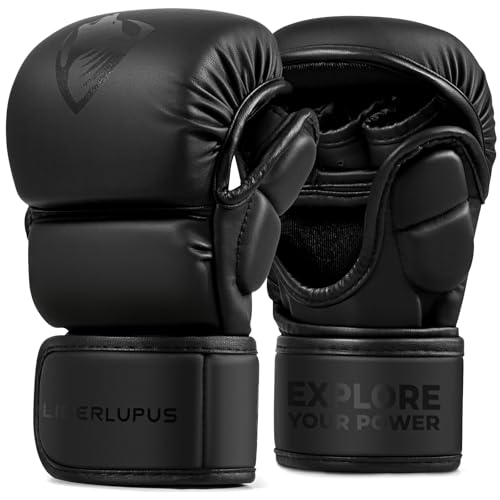


As an Amazon Associate we earn from qualifying purchases.


