

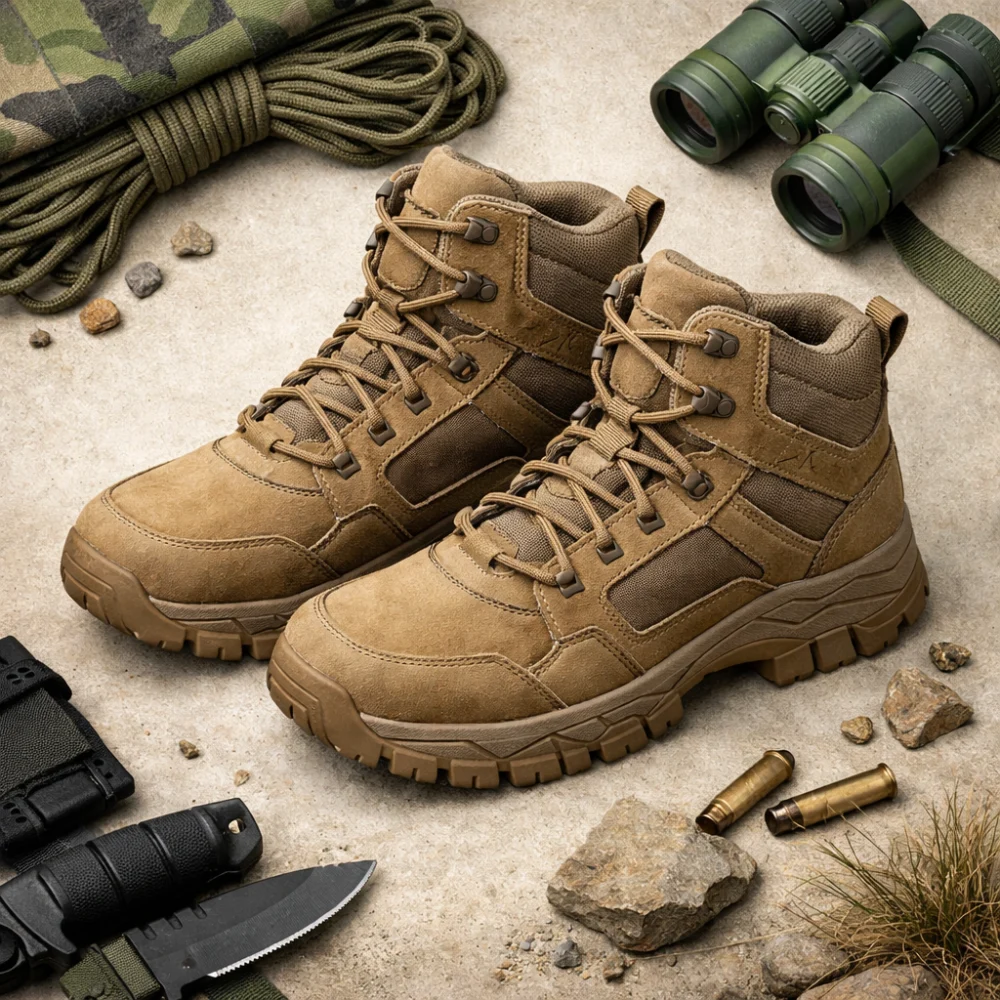

Airsoft boots and footwear can make a noticeable difference to comfort, traction and how well you cope with a full day on your feet. The right pair depends less on one “best” style and more on where you play, how much support you want and whether you prefer a lighter or more protective feel.
This guide helps you compare the main choices without turning the decision into guesswork. It focuses on practical features that matter to airsoft players, from ankle support and sole grip to weather suitability and fit.
Compare Airsoft Boots and Footwear


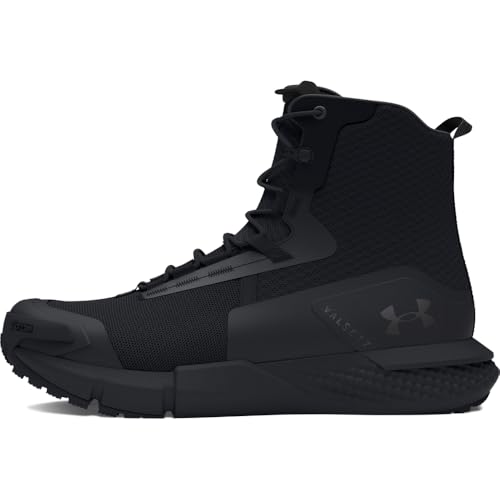


As an Amazon Associate we earn from qualifying purchases.
What should you look for in airsoft boots and footwear?
The best starting point is to match the footwear to your terrain and how you play. If you want more support on uneven ground, a boot with a firmer sole and ankle coverage may suit you better than a lighter shoe-style option. If you value easier movement and less bulk, a lower-cut or lighter design may be more comfortable.
Think of the decision as a balance between protection, flexibility, weight and comfort. Specifications vary by model, so always check the individual product page before buying.
| Feature | What It Means | Why It Matters | What To Check |
|---|---|---|---|
| Fit | How the footwear sits on your foot, including width and toe room | Poor fit can make long sessions uncomfortable and reduce confidence underfoot | Size guidance, width notes, fastening style and whether the shape suits your foot |
| Ankle support | How much structure the upper gives around the ankle | More support can feel steadier on rough ground, but may feel less flexible | Cut height, collar padding and how restrictive the boot may feel when walking or kneeling |
| Sole grip | The outsole’s ability to hold on to different surfaces | Grip affects movement on mud, wet ground and hard standing areas | Tread pattern and whether the product page suggests an outdoor or mixed-surface focus |
| Weight | How heavy the footwear feels in use | Lighter footwear can feel less tiring, while heavier styles may feel sturdier | Overall design, materials and whether you prefer agility or a more planted feel |
| Weather suitability | How well the footwear suits wet, cold or warm conditions | Conditions can change comfort more than players expect | Breathability, water-resistant claims and whether the design seems aimed at warmer or wetter use |
| Fastening | Laces, zips or combined fastening systems | Fastening affects speed of putting them on, adjustment and day-to-day convenience | How secure the closure looks and whether it seems easy to adjust while wearing gloves |
Key decision criteria
Terrain and playing environment
Where you play is often the biggest factor. Woodland, muddy ground and uneven terrain usually reward more support and grip, while flatter or drier sites may let you prioritise comfort and lighter weight. If you move between different sites, a balanced design is often easier to live with than something highly specialised.
Support versus flexibility
Support can help footwear feel more stable, especially if you spend a long time walking, crouching or moving over rough ground. Flexibility can make movement feel easier and more natural, but it may come with less structure. The right balance depends on whether you prefer stability or a more agile feel.
Comfort over a full day
Airsoft footwear is usually worn for long sessions, so small comfort issues matter. Look for signs that the design has enough room in the toe area, sensible padding and a closure system that lets you adjust the fit. A boot that feels fine for a short try-on can still become tiring after hours of use.
Weather and surface conditions
Dry summer games, cold mornings and wet woodland all place different demands on footwear. Breathability can matter in warmer weather, while more coverage and resistance to damp may matter in wetter conditions. For mixed use, it helps to avoid assuming one feature solves everything.
Common types and variants
Within this category, you will usually see a range from higher-cut boots to lower-cut footwear styles. Higher-cut boots are more likely to suit buyers who want extra ankle coverage and a sturdier feel, while lower-cut styles may appeal to those who want lighter movement and less bulk.
You may also find designs that lean towards tactical, combat or workwear styling. Those labels can suggest a general shape or use case, but they do not tell you everything about comfort or suitability. Focus on the features described on the individual product page rather than the style name alone.
Which style suits which buyer?
| Buyer need | Likely priority | Better fit to consider | Main trade-off |
|---|---|---|---|
| Long sessions on uneven ground | Support and stability | More structured boots with firmer ankle coverage | May feel heavier or less flexible |
| Quick, agile movement | Lightweight feel | Lighter footwear with a less bulky build | May offer less structure |
| Mixed-weather use | Balanced comfort | All-round boots with practical coverage and grip | May not excel in one specific condition |
| First-time buyer | Simple, reliable choice | A straightforward boot with clear sizing information | May involve choosing between comfort and protection |
| Buyer replacing worn footwear | Familiar fit | A similar cut and fastening style to the pair you already like | Could miss a better fit or improved comfort |
Common mistakes to avoid
- Choosing by appearance alone. Tactical styling can be useful, but fit and comfort matter more over a long day.
- Ignoring width and toe room. A boot that is the right length but the wrong shape can still be uncomfortable.
- Overlooking the ground you actually play on. A design that suits dry hard surfaces may not feel as secure in mud or on uneven slopes.
- Assuming more coverage always means more comfort. Higher boots can add support, but they can also feel warmer or stiffer.
Safety and suitability checks
Airsoft footwear is about comfort, grip and practical support rather than guaranteed protection. Think carefully about where you play and how much movement you want to preserve, then choose accordingly. If you are between sizes or unsure about a cut, the product page details are worth checking closely before you buy.
It is also sensible to match footwear to the rest of your loadout. Very bulky boots may work well for some players, but they can feel unnecessary if your games are short, fast and mostly on flatter ground.
Maintenance, storage and lifespan considerations
Footwear lasts longer when it is kept clean, dried properly after wet use and stored somewhere that lets it air out. If the pair uses laces, zips or other closures, check that they are easy to inspect and maintain as part of regular care. Small habits like removing mud promptly can make the footwear feel better for longer.
As with any worn item, lifespan depends on how often you use it, where you use it and how you care for it. A pair used mainly on rough, wet ground will usually face more wear than one used occasionally on gentler surfaces.
How to compare options efficiently
- Start with your usual playing environment and decide whether you need more support, more flexibility or a balance of both.
- Check fit information first, especially if you know you are between sizes or need extra width.
- Compare the sole, ankle coverage and overall weight as the main comfort and performance trade-offs.
- Look at weather suitability and fastening style for practical day-to-day use.
- Read the individual product page carefully before ordering, especially where model details vary.
Summary buyer decision checklist
- Does the fit suit your foot shape and size?
- Do you want more ankle support or a lighter feel?
- Will the sole suit the ground you usually play on?
- Is the footwear sensible for your usual weather conditions?
- Are the fastening and closure style convenient for you?
- Have you checked the individual product page for model-specific details?
Frequently asked questions
Do I need dedicated airsoft boots?
Not every player does, but footwear chosen for outdoor movement usually makes a difference to comfort and confidence. The main benefit is picking a pair that suits the kind of ground you actually encounter. If you already own suitable outdoor footwear, compare the fit and support before deciding whether an airsoft-specific style adds value.
Are higher boots always better than lower-cut footwear?
No. Higher boots can offer more coverage and a sturdier feel, but they may be heavier or warmer. Lower-cut footwear can feel easier to move in, though it may offer less structure. The better choice depends on the balance you want between support and flexibility.
What matters more: grip or ankle support?
Both matter, but their importance depends on the terrain. Grip is vital if you often move on slippery or uneven ground, while ankle support becomes more noticeable when you want a more stable, planted feel. Many buyers are best served by a balanced design rather than chasing only one feature.
How important is breathability?
It matters more if you play in warmer weather or expect to be active for long periods. Better breathability can help footwear feel more comfortable across the day, but it may come with less emphasis on weather resistance. Consider the conditions you most often face rather than assuming one feature solves every season.
Should I size up for airsoft boots?
Not automatically. Some people prefer a little extra room for thick socks, but sizing up too far can reduce stability and cause movement inside the footwear. Check the sizing guidance on the product page and consider your usual sock choice before deciding.
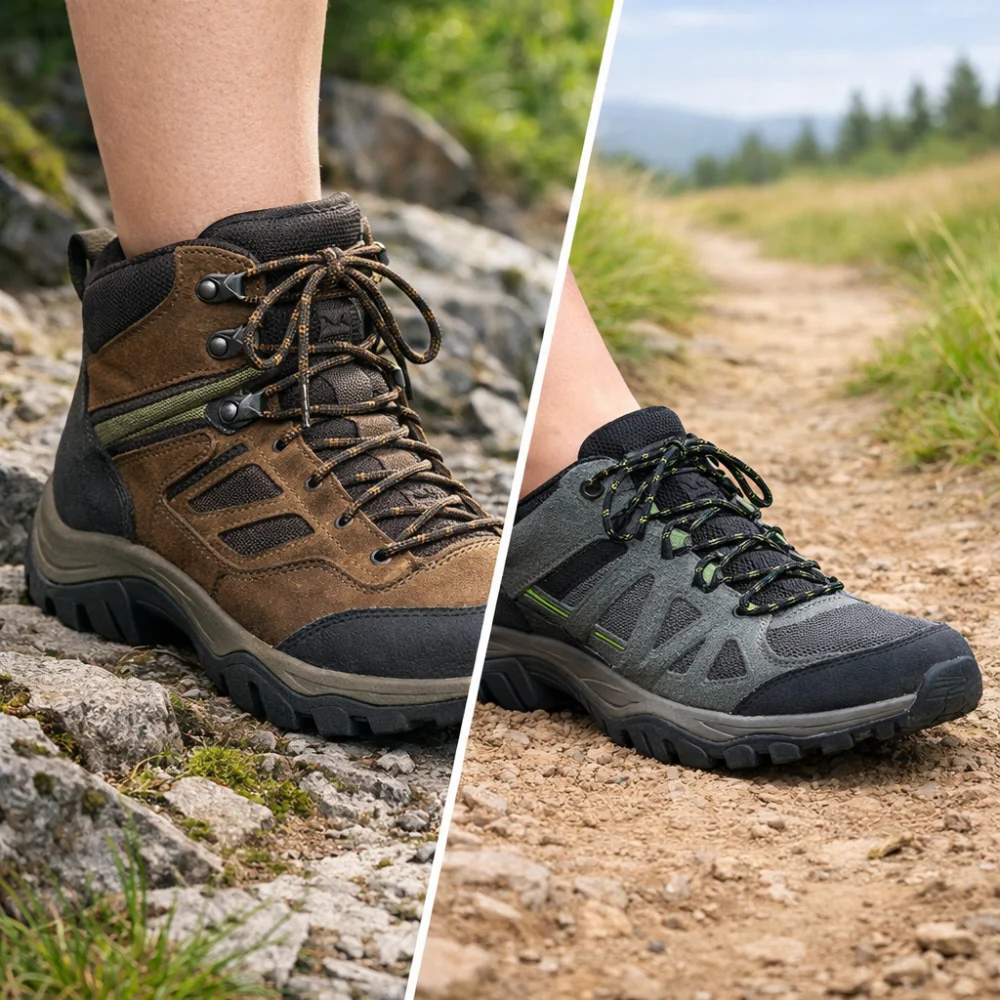
Can I use work boots or hiking footwear for airsoft?
Sometimes, if they fit well and suit the ground you play on. The key is whether they provide the comfort, grip and support you need for long sessions. A category-specific option may still be worth considering if you want a shape and feel that better suits airsoft use.
More Airsoft Boots and Footwear
See all 482 Airsoft Boots and Footwear →


As an Amazon Associate we earn from qualifying purchases.


