

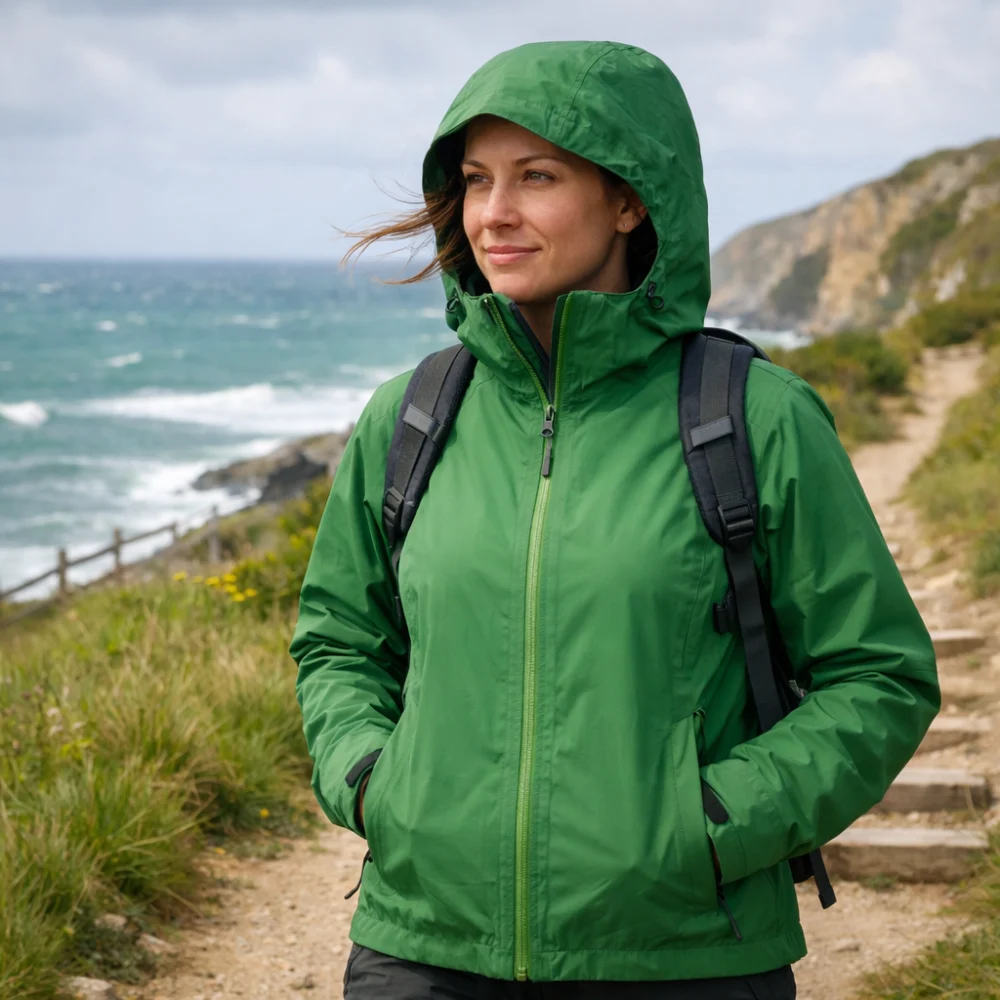

Women’s breathable jackets are a practical choice when you want outerwear that helps reduce the clammy feel that can build up during active use. They are often considered for walking, hill time, commuting, travel and general everyday wear in changeable weather.
The main buying challenge is balancing breathability with weather protection, warmth and comfort. Some jackets are designed to feel light and airy for higher-output activity, while others prioritise more coverage and all-day wearability.
Compare Women's Breathable Jackets


As an Amazon Associate we earn from qualifying purchases.
What should you look for in a breathable jacket?
The best starting point is how you plan to wear it. If you move quickly, climb hills or wear a backpack, breathability and freedom of movement may matter more than extra warmth. If you mainly want a smart, versatile layer for cooler days, a more substantial jacket may suit you better. Specifications vary by model, so always check the individual product page before buying.
| Feature | What it means | Why it matters | What to check |
|---|---|---|---|
| Breathability | How well the jacket lets moisture vapour escape | Helps reduce overheating and dampness during active use | Look for the product’s stated breathability or ventilation details if provided |
| Weather resistance | How much protection the jacket offers against wind and light rain | Important if the weather can change while you are out | Check whether it is a shell, water-resistant or waterproof style |
| Warmth | How much insulation or body heat retention the jacket provides | A jacket that breathes well may feel cooler in still weather | Consider whether you will wear it over base layers or need extra insulation |
| Fit and mobility | How the jacket sits on the body and moves with you | Affects comfort, layering and arm reach | Check the cut, sleeve shape, hem adjustment and whether it suits your layering needs |
| Ventilation features | Design details that help manage heat build-up | Useful when you alternate between movement and stops | Look for mesh lining, pit zips, back vents or other stated airflow features |
Key decision criteria explained
Breathability versus waterproofing
Breathable jackets are not all the same. Some are made to feel airy and comfortable during active wear, while others are built to cope better with wet conditions but may feel less open. Think about whether your priority is reducing overheating or keeping out more weather.
Layering and seasonal use
Consider what you will wear underneath. A jacket that works well over a thin top may feel restrictive once you add a fleece. If you expect to use it across seasons, leave room for layers without making the fit overly loose.
Length and coverage
Shorter jackets can feel lighter and easier to move in, while longer cuts may give a bit more coverage in wind or rain. Your choice will often depend on whether you want a jacket for active movement or one that feels more protective for everyday use.
Pockets, hood and adjustment details
Useful features can improve everyday practicality, but they also add bulk. A hood may be helpful in mixed weather, while cuffs, hems and pocket placement affect comfort and convenience. Check whether those details matter more to you than a simpler, lighter design.
Common jacket types and how they differ
This category can include several broad styles, each suited to a different level of activity or weather exposure.
- Lightweight breathable shells suit active days where you want a low-bulk outer layer.
- Brushed or lined breathable jackets may feel softer or warmer, but can be less airy.
- Breathable walking jackets often aim for a balance between comfort, movement and everyday practicality.
- More technical outdoor jackets may suit longer or more demanding outings if their feature set matches your needs.
The main limitation is that a jacket can only excel at so many things at once. A lighter style may feel more comfortable on the move, while a more protective style may feel warmer or less breathable.
Which jacket suits which buyer?
| Buyer need | What to prioritise | What to be cautious about |
|---|---|---|
| Regular walking or hiking | Breathability, easy movement and sensible layering | Overly warm or stiff jackets that can feel clammy |
| Commuting and everyday wear | Comfort, a tidy fit and enough weather protection for typical use | Very technical features you may not need |
| Mixed weather and changing pace | Balanced ventilation and adaptable layering | Jackets that are only comfortable in one temperature range |
| Travel and packability | Lightweight feel and simple design | Bulkier jackets that are harder to carry or stow |
Common mistakes and misunderstandings
Assuming breathable means waterproof. Breathability and rain protection are related only in part. A jacket can be comfortable to wear and still only offer limited wet-weather protection.
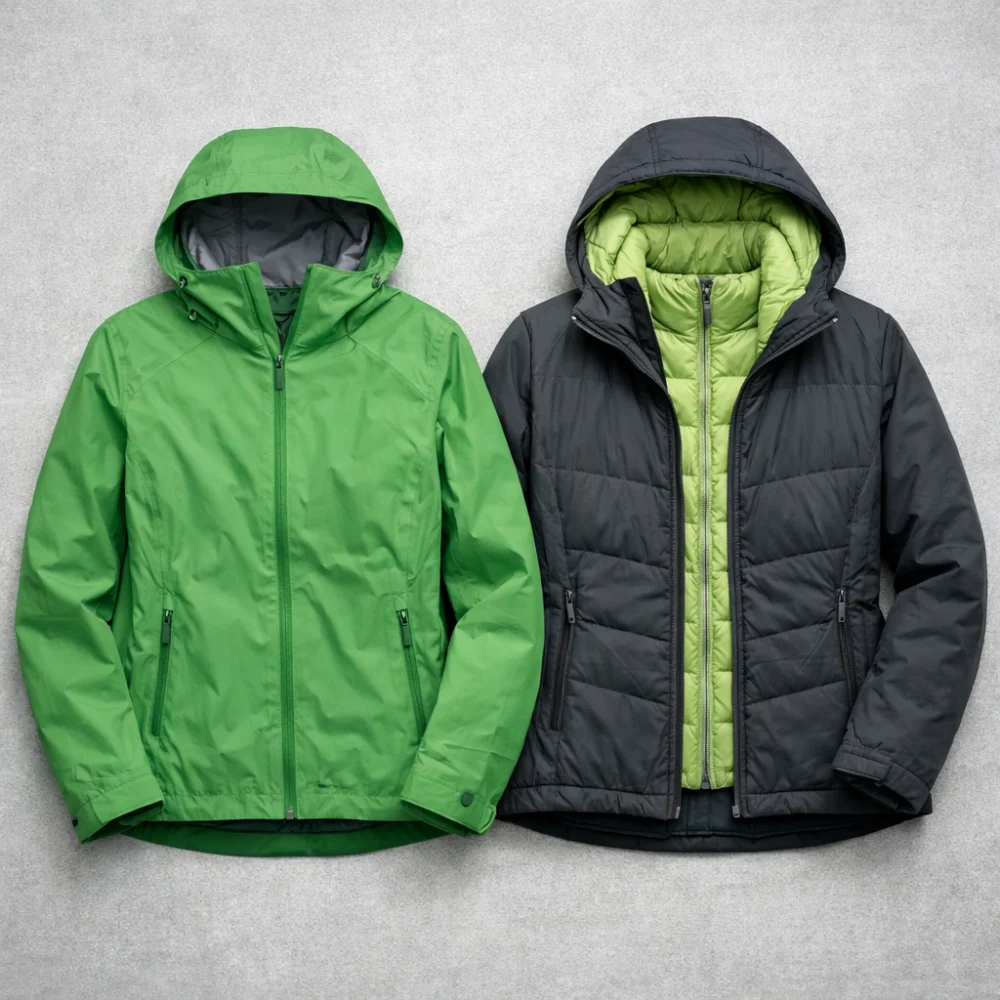
Choosing too much warmth for active use. If you run hot, walk briskly or carry a pack, a heavily insulated style may feel uncomfortable. A lighter layer can be the more useful choice.
Ignoring fit over layers. A jacket that feels fine over a T-shirt may become restrictive over a fleece. Check the intended layering room before buying.
Focusing on features you will not use. Extra pockets, storm details or technical panels can be useful, but they are not always worth the added weight or complexity.
Suitability and care considerations
Think about how often the jacket will be worn, how much movement it needs to allow and whether it will be used mainly for active or casual settings. If you expect frequent use, comfort, ease of cleaning and the ability to layer well may matter as much as the fabric itself.
General care needs vary by construction and finish. Some jackets may be easy to wash and dry, while others need a little more attention to keep their shape and performance. Always check the product page and care label for the exact model.
How to compare options efficiently
- Start with your main use: walking, commuting, travel or general outdoor wear.
- Decide whether you need maximum breathability, more weather protection or a balance of both.
- Compare fit, layering room and length before looking at extra features.
- Check practical details such as hood design, pocket placement and adjustment points.
- Read the individual product page carefully for model-specific information.
Buying checklist
- Does the jacket suit your main activity level?
- Will it layer comfortably over what you normally wear?
- Is the balance of breathability and weather resistance right for your use?
- Do the length and fit match how you like to wear outerwear?
- Are the pockets, hood and cuffs useful rather than just added extras?
- Have you checked the individual product page for model-specific details?
Frequently asked questions
What is a breathable jacket for?
It is designed to help you stay more comfortable when you are active, especially if you tend to warm up while walking or moving around. The goal is to reduce that damp, stuffy feeling that can build up inside a jacket.
Are breathable jackets suitable for rainy weather?
Sometimes, but not always. Some offer light weather resistance, while others are better described as shells or everyday outdoor layers. Check the product page carefully if rain protection matters to you.
Is a breathable jacket the same as a waterproof jacket?
No. A waterproof jacket is designed primarily to keep out rain, while a breathable jacket is focused on letting moisture escape more easily. Some jackets try to balance both, but the emphasis can differ.
Should I choose a fitted or relaxed cut?
That depends on how you will wear it. A closer fit can feel neater for everyday use, while a more relaxed fit can be better if you want to layer underneath or move more freely.
What features are most useful in practice?
For many buyers, the most useful details are fit, pocket placement, hood design and how well the jacket works with layers. The best features are usually the ones that suit how you will wear the jacket most often.
How do I avoid buying a jacket that feels too warm?
Think about your activity level and the seasons you expect to wear it in. If you run warm or move a lot, a lighter and less insulated option may be more comfortable.
More Women's Breathable Jackets
See all 75 Women's Breathable Jackets →


As an Amazon Associate we earn from qualifying purchases.


