

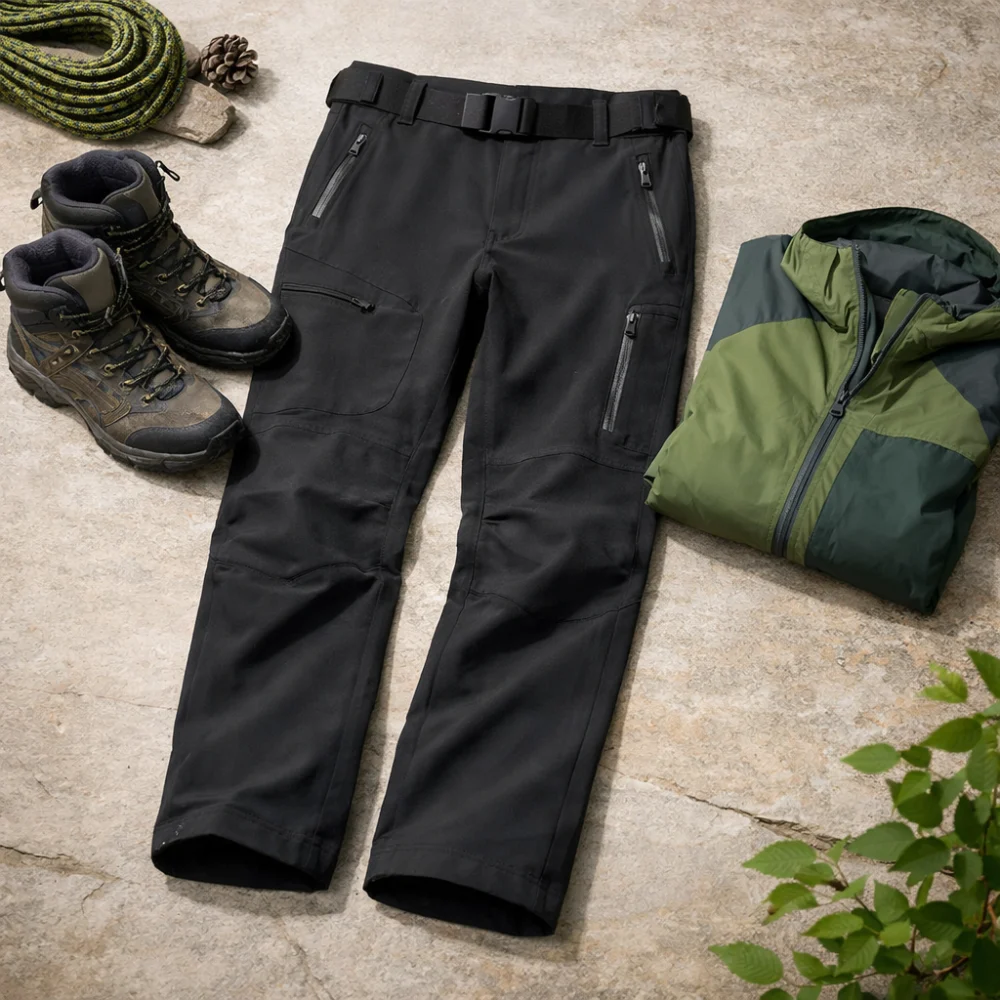

Men’s softshell trousers are a practical choice for walking in cool, changeable conditions where you want more comfort and wind resistance than a basic lightweight trouser can offer. They are often chosen for hill walking, countryside walks and other outdoor use where flexibility matters more than full waterproof protection.
Because “softshell” can mean different things from one product to another, it is worth looking past the name and checking the details that affect comfort, breathability and weather resistance. The right pair depends on how warm you want to feel, how wet the conditions are likely to be and how much freedom of movement you need.
Compare Men's Softshell Trousers


As an Amazon Associate we earn from qualifying purchases.
What should you look for in men’s softshell trousers?
The best starting point is to decide whether you want trousers mainly for wind resistance, light weather protection, warmth or all-day walking comfort. Softshell trousers usually sit between lightweight walking trousers and waterproof overtrousers, so the main trade-off is usually comfort and breathability versus protection from heavy rain. Specifications vary by model, so always check the individual product page before buying.
| Feature | What it means | Why it matters | What to check |
|---|---|---|---|
| Weather resistance | How much wind and light moisture the fabric can handle | Helps you stay comfortable in breezy or drizzly conditions | Look for how the product is described rather than assuming all softshell fabrics perform the same |
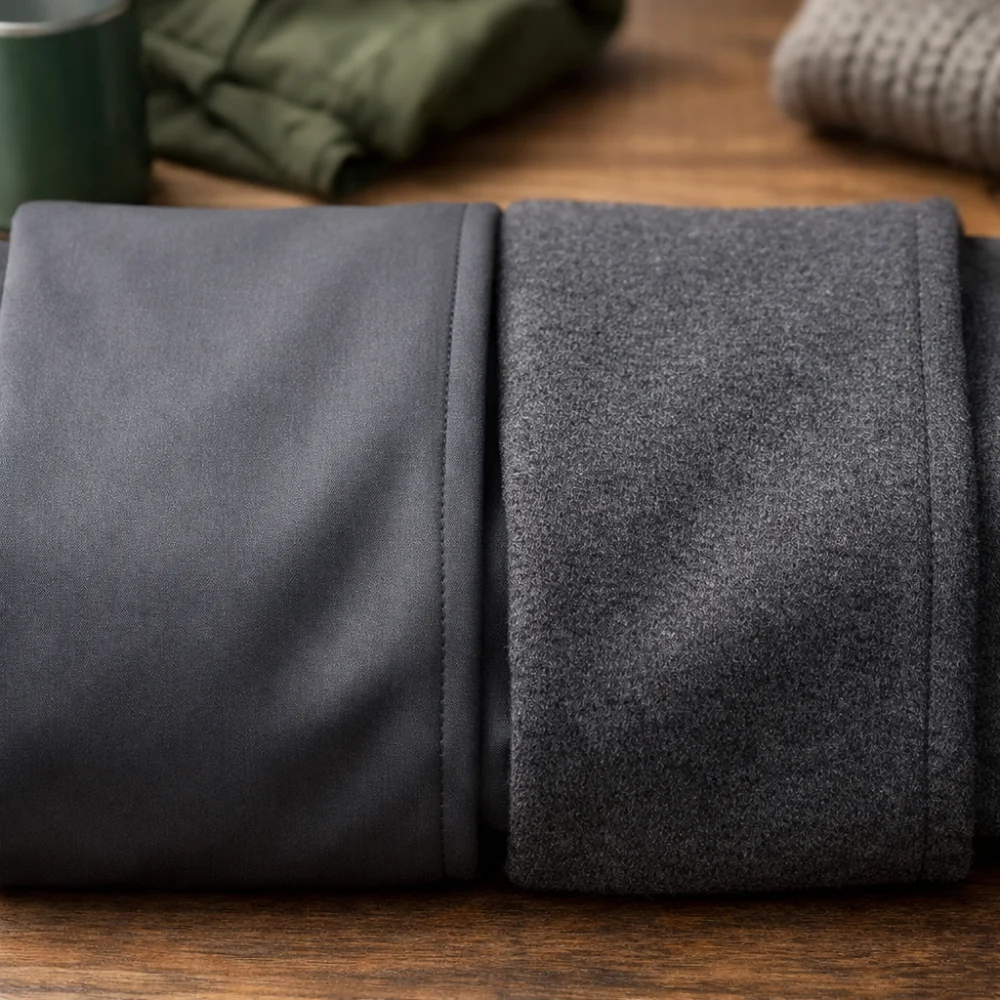
| Warmth | How much insulation or comfort the fabric provides in cooler weather | Affects whether the trousers suit cool days, winter walking or milder conditions | Check whether the trousers are lightly lined, brushed inside or described as thermal |
| Breathability | How well heat and moisture can escape | Important if you walk briskly, climb hills or wear them for longer periods | Look for product wording that suggests active use and avoid assuming warmth always means breathability |
| Fit and mobility | How the trousers move with you | Matters for stride length, steep ground and general comfort | Check the cut, stretch and whether the style is designed for walking rather than workwear |
| Water protection | How well they cope with damp ground or passing showers | Useful in mixed conditions, but not the same as full waterproof trousers | Confirm whether the product is only water-resistant or intended for wetter weather |
| Features | Pockets, waist adjustment and leg finishing details | These affect convenience and how easy the trousers are to live with outdoors | Check pocket layout, waistband style and whether the hems work with boots |
Key decision criteria explained
Weather resistance versus waterproofing
Softshell trousers are usually chosen because they handle cool wind and light damp better than a basic trouser while feeling less rigid than waterproof overtrousers. That makes them useful for mixed weather, but they are not a substitute for proper waterproofs when steady rain is expected. If you walk in exposed places, think carefully about whether you need comfort first or all-weather protection first.
Warmth and seasonality
Some buyers want a pair for autumn and winter walking, while others need something for cool mornings and changeable spring days. A warmer softshell can be welcome in cold conditions, but it may feel too warm once you are moving hard or walking in milder weather. Check whether the fabric is described as lined, brushed or thermal if warmth is a priority.
Stretch and freedom of movement
For walking, step length and knee movement matter more than many shoppers expect. A fabric with some stretch can feel more comfortable on hills, uneven ground and longer days out. If the trousers are being bought for general outdoor use rather than only casual wear, mobility is one of the most important details to compare.
Fit, cut and layering
Consider whether you will wear the trousers over thin base layers or on their own. A closer fit can feel neat and reduce excess fabric, while a roomier cut may be better if you want to move freely or add a base layer underneath. Waist adjustment, leg shape and ankle opening can all affect how well the trousers work in practice.
Pocket layout and everyday practicality
Pockets are not just a convenience feature; they can affect how useful the trousers feel on a walk. Deep hand pockets, secure fastening and sensible pocket placement are often more practical than a large number of pockets. If you carry a phone, map, keys or small snacks, check that the layout suits what you actually take with you.
Types and variants you are likely to see
Within this category, the main differences are usually about warmth, weather protection and overall construction rather than dramatic style changes.
- Light softshell walking trousers can suit active walking in cool weather when you want some wind resistance without too much bulk.
- Warmer or lined softshell trousers are more suited to colder conditions, but may feel too warm on hard climbs or milder days.
- Water-resistant softshell trousers can be helpful for damp paths and brief showers, but still need careful checking if you expect prolonged rain.
- Workwear-style softshell trousers may emphasise durability or pocketing, but they are not always shaped with walking comfort in mind.
The right variant is usually the one that matches your pace, climate and how long you plan to wear them at a time.
Which type suits which buyer need?
| Buyer need | What to prioritise | What to avoid overpaying for |
|---|---|---|
| Cool-weather hill walking | Wind resistance, stretch and a comfortable walking fit | Heavy insulation you may not need on active days |
| Mixed weather countryside walks | Balanced comfort and light weather protection | Features that mainly suit very wet conditions |
| Colder winter use | More warmth, lining and room for layering if needed | Very lightweight fabrics that may feel cold |
| High-output walking | Breathability and freedom of movement | Overly warm or bulky construction |
| Everyday outdoor wear | Comfort, simple pocketing and easy care | Specialist features you may rarely use |
Common mistakes to avoid
- Assuming softshell means waterproof. Some products only resist light damp or drizzle, so always check the actual weather description.
- Choosing warmth without considering activity level. A pair that feels ideal standing still may be too hot once you are walking uphill.
- Ignoring fit and stretch. Even a well-made trouser can feel awkward if the cut does not suit your stride or layering needs.
- Focusing only on fabric and forgetting details. Waist adjustment, pocket placement and ankle comfort can make a big difference to day-to-day use.
Safety and suitability caveats
Choose softshell trousers with the conditions you expect to face, not the weather you hope for. If you need reliable rain protection, confirm whether the product is suitable for that purpose rather than relying on the category name alone. For rough ground, colder weather or longer walks, comfort and movement are just as important as appearance.
Care, storage and lifespan considerations
Softshell trousers are usually bought for repeated outdoor use, so it is sensible to think about care before you choose. Check whether the fabric is likely to need simple washing, whether it should be dried carefully and whether the finish relies on a surface treatment that may change over time. Good storage, avoiding unnecessary abrasion and following the garment care label can help the trousers stay usable for longer.
How to compare options efficiently
- Start with your main use: walking pace, likely weather and how warm you want to feel.
- Narrow the choice to the type of softshell trouser that fits that use, such as lighter, warmer or more weather-resistant styles.
- Compare the fabric description, fit, stretch and pocket layout rather than relying on the category name alone.
- Check the individual product page for the exact features that matter most to you.
- Pick the pair that offers the best balance of comfort and protection for your typical conditions.
Summary buying checklist
- Will you use them mainly for cool dry walking, mixed weather or colder conditions?
- Do you need more warmth, more breathability or a better balance of both?
- Is the fit suitable for walking, bending and climbing?
- Do you need light weather resistance, or something closer to waterproof protection?
- Are the pockets, waistband and leg shape practical for your use?
- Will you wear them on their own or with base layers underneath?
Frequently asked questions
Are softshell trousers better than regular walking trousers?
They can be, if you want more wind resistance, a bit more warmth and a softer feel in cooler conditions. Regular walking trousers may be lighter and simpler, which can suit milder weather better. The right choice depends on how much protection you want versus how breathable and lightweight you need the trousers to be.
Do I need waterproof trousers instead?
If you expect steady rain, waterproof trousers are usually the more appropriate option. Softshell trousers are generally better for comfort, movement and light protection rather than heavy wet weather. Many walkers like softshell trousers for the majority of outings and keep waterproofs for the wettest days.
Can I wear softshell trousers all year round?
Some people can, but it depends on the construction and the weather. Lighter pairs may work across more of the year, while warmer or lined styles are more seasonal. Think about whether you are buying for cold months only or for changeable weather over a wider range of conditions.
Are softshell trousers good for hill walking?
They can be a strong option for hill walking because they often balance comfort, movement and weather resistance well. The most useful features are usually stretch, a sensible fit and enough protection for wind or light showers. If you walk in very wet areas, check how much moisture resistance the individual product actually offers.
What should I look for if I get hot easily?
Prioritise breathability, lighter construction and a fit that does not trap excess heat. Heavy lining or very thick fabric may feel uncomfortable once you start moving. It is usually better to choose a pair that feels slightly less warm at rest than one that becomes too hot during activity.
Are softshell trousers useful for everyday wear as well as walking?
Yes, many buyers like them because they feel comfortable and practical outdoors. They can be a good choice for casual use when you want something more robust than ordinary trousers. Just check that the cut and pocket layout suit your everyday needs as well as outdoor use.
Getting the size and leg length right
Check the individual size guide rather than assuming your usual size will fit the same way across brands. Compare the stated waist and leg measurements with a pair of trousers that fits you comfortably, and consider whether you plan to wear a base layer underneath. If possible, check that the cut allows a full stride and comfortable knee movement, and that the leg opening sits appropriately over your walking footwear.
More Men's Softshell Trousers
See all 219 Men's Softshell Trousers →


As an Amazon Associate we earn from qualifying purchases.


