

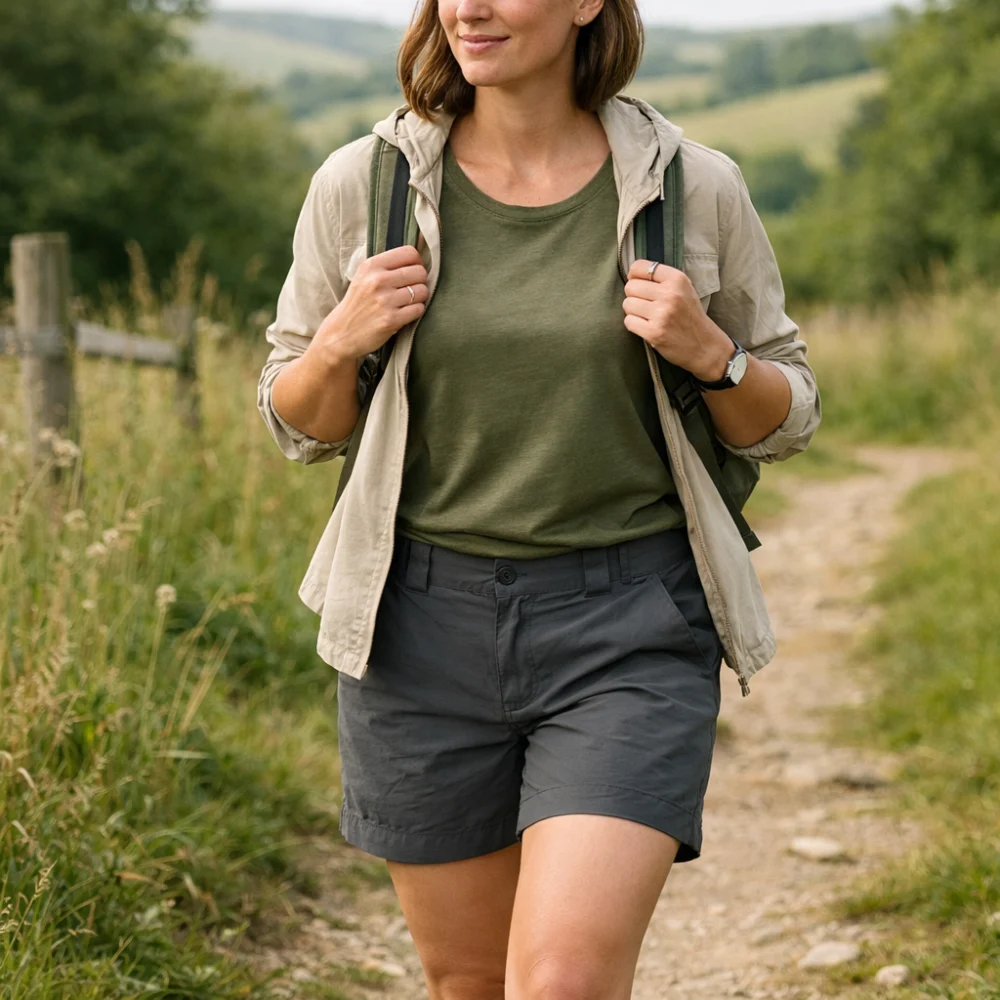
Women’s shorts can suit warm-weather walks, active days and everyday wear, but the best choice depends on how you plan to use them and what feels comfortable. Small differences in cut, length and waistband can affect coverage and freedom of movement.
This guide focuses on choosing shorts within women’s outdoor clothing. Compare the garment’s stated purpose and details rather than assuming every style is intended for the same activity.
What should you look for in women’s shorts?
Start with the activity and the coverage you prefer, then compare fit, leg length and fabric information. Look for a cut that feels suitable for the movement you expect, without relying on a style name alone. Check the individual product details for measurements, care guidance and any features important to you.
Compare the main buying factors
| Feature | What it means | Why it matters | What to check |
|---|---|---|---|
| Intended use | The activities or setting the shorts are described for | A style suited to relaxed wear may not be the cut you want for more active movement | Read the product description and consider your usual activities |
| Fit and cut | How the shorts sit around the waist, hips and thighs | A comfortable fit can make the garment easier to wear for longer | Check the size guide, fit notes and garment measurements where provided |
| Leg length and coverage | How much of the upper leg the shorts cover | Coverage is a personal preference and may affect how the shorts feel during movement | Look for stated inseam or garment measurements, if provided, and compare with a familiar garment |
| Fabric information | The material and any care or comfort details stated for the garment | Fabric affects how the shorts feel and how they should be cared for | Check the listed composition and care instructions |
| Waistband and fastening | How the waist is shaped and secured | Different designs can feel or sit differently | Check whether the product description explains the waistband or fastening |
| Pockets and other details | Practical features included in the design | Useful details depend on what you want to carry and how you prefer to wear the shorts | Confirm which features are specifically listed rather than assuming they are included |
Choose fit, length and fabric for your use
Fit and freedom of movement
Consider how the shorts sit when standing, walking and bending, as well as whether you prefer a closer or looser cut. A close fit may feel less bulky, while a roomier cut can provide a different feel and drape; neither is right for everyone. Use the product’s size guide and fit notes, and check whether measurements refer to the garment or body.
Leg length and coverage
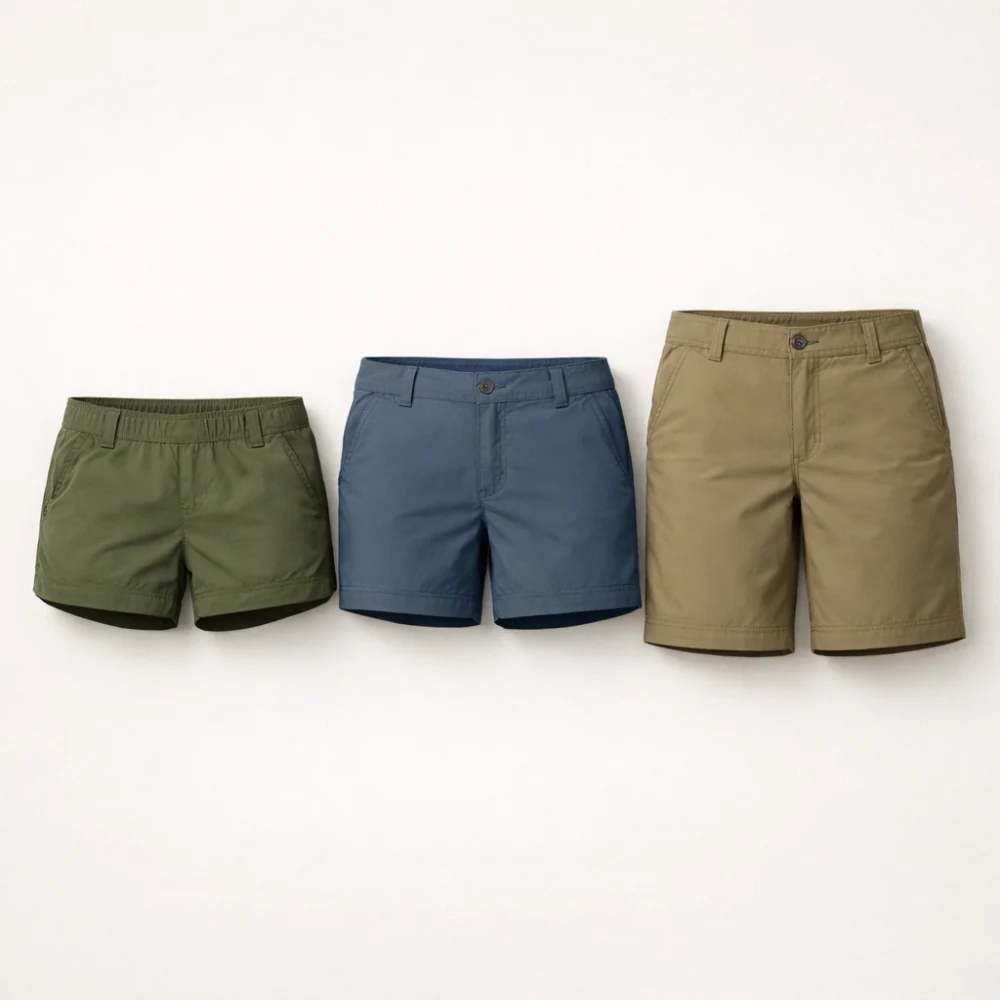
Shorts with different leg lengths offer different amounts of coverage. Think about what you find comfortable for your intended activity and how you expect to layer or wear them. Specifications vary by model, so always check the individual product page before buying.
When a product page gives an inseam or garment length, compare it with shorts you already find comfortable. A measurement is more useful than relying on a broad style label alone.
Fabric and care
Check the listed fabric composition and care instructions, especially if you have preferences about feel or laundry. Do not assume that a particular fabric name guarantees a specific level of stretch, drying speed or durability unless the product information states it.
Waistband, fastening and pockets
Waistband construction and fastening can influence how a garment feels and how you prefer it to sit. Pockets may be helpful for small essentials, but their number, position and closure vary. Confirm these details in the product description if they matter to you.
Types of women’s shorts
Shorts sold for outdoor and active wear can include simple, relaxed cuts as well as styles described for exercise or more purposeful movement. A straightforward everyday cut may suit casual use; an activity-focused design may better match a buyer looking for clothing described for that use. Longer or looser cuts offer a different coverage preference, but can feel different from shorter, closer-fitting styles.
These descriptions are starting points, not guarantees about construction or performance. Check the individual garment’s fit, fabric and stated intended use rather than choosing by type name alone.
Which shorts may suit different needs?
- For relaxed outdoor days: Prioritise a comfortable cut, preferred coverage and care information that suits your routine.
- For more active movement: Check fit, leg length and the product’s stated intended use; consider whether the waistband and any fastening suit your preference.
- For a specific coverage preference: Compare stated garment measurements or inseams where available instead of relying only on labels such as short or long.
- For carrying small items: Confirm pocket details, including their position and any stated closure, rather than assuming the shorts have the storage you need.
Common buying mistakes to avoid
- Choosing by the size label alone. Sizing can differ between products, so use the supplied size guide and measurements where available.
- Assuming the style name tells you everything. Names such as active or walking do not establish exact fit or performance; check the product description.
- Overlooking coverage. Compare the stated length or inseam where provided and consider your own comfort preference.
- Expecting unlisted features. Check pocket, fastening and fabric details if they affect your decision.
- Ignoring care information. Read the garment’s care instructions before buying if a particular laundry routine is important to you.
Suitability and weather considerations
Choose shorts for the conditions and activities in which you expect to wear them. Shorts provide less leg coverage than trousers, so consider whether that suits the weather, surroundings and your personal comfort. Clothing descriptions alone should not be treated as a guarantee of protection from weather, terrain or other conditions.
Care and storage
Follow the care instructions supplied for the individual garment, since washing and drying guidance can depend on its materials and construction. Store shorts clean and dry in a way that suits your available space; check any care notes before using a particular cleaning method.
A simple buying process
- Decide where and how you expect to wear the shorts.
- Choose the fit and leg coverage you find comfortable.
- Compare the product’s fabric, waistband, fastening and any useful pockets.
- Check the size guide and garment measurements where supplied, then review care instructions.
- Compare the trade-offs and confirm the individual product details before deciding.
Women’s shorts buyer checklist
- Does the stated intended use match how you plan to wear them?
- Have you checked the size guide and fit notes?
- Is the leg length or coverage right for your preference?
- Have you reviewed the fabric composition and care guidance?
- Are the waistband, fastening and pockets suitable for your needs?
- Have you confirmed any important details on the individual product page?
Frequently asked questions
How do I choose the right size?
Use the product’s own size guide and fit information, since a size label alone may not tell you how a particular garment will sit. If measurements are provided, check whether they describe the garment or the intended body measurements.
How can I compare shorts by length?
Look for an inseam or garment-length measurement in the product information. Comparing that measurement with a pair you already like can help you judge coverage more clearly than relying on a general style description.
Are all women’s shorts suitable for exercise?
No. Product descriptions may identify different intended uses, and styles can differ in fit, coverage and features. Check the specific garment information and choose according to your activity and comfort preferences.
Should I prioritise pockets?
That depends on what you want the shorts to do. If pockets matter, check their stated number, position and closure; do not assume a feature is present unless it is described.
How should I care for women’s shorts?
Follow the care instructions for the individual garment. Check them before buying if the recommended care could affect how well the shorts fit your routine.


