

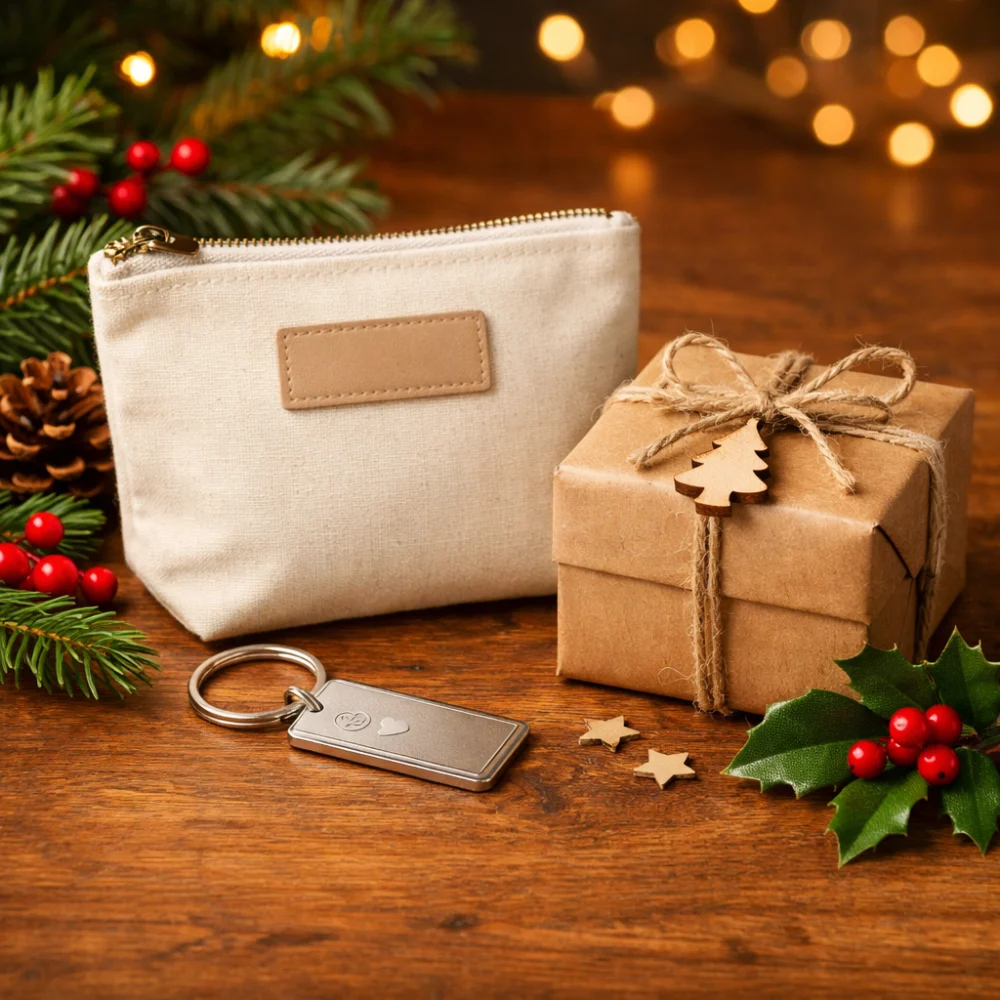
A personalised Christmas gift combines an item with a chosen detail, such as a name, initial, message or photo. The right choice depends on what the recipient will enjoy using or keeping, and on how well the personalisation suits the item.
Options can include everyday accessories and keepsakes, but the available formats and customisation choices vary by product. Check the individual listing carefully: a similar-looking gift may offer a different personalisation method or layout.
What should you look for in a personalised Christmas gift?
Start with the recipient and the role of the gift: something practical for regular use, or a keepsake with a personal association. Then choose a personalisation style that feels appropriate and check exactly what information or image the product accepts. The main trade-off is between a highly personal design and one that is easy to use, display or suit the recipient’s taste.
Compare the key buying factors
| Feature | What it means | Why it matters | What to check |
|---|---|---|---|
| Item type | The underlying gift, such as an accessory or keepsake | It affects whether the gift is useful, wearable or mainly decorative | Intended use, product description and any stated dimensions |
| Personalisation method | A name, initial, message, photo or another offered detail | Different methods create different looks and require different inputs | Which options are offered and how the personalisation appears |
| Personalisation details | The text or image you provide | Accuracy and suitability depend on the supplied content | Spelling, character limits, image requirements and any preview |
| Appearance and placement | How the chosen detail is arranged on the item | A design may look different from what you imagined | Product images, layout notes and whether a preview is provided |
| Care and suitability | How the item is intended to be used and looked after | Some gifts suit daily use; others may need more careful handling | Care guidance, intended recipient and any relevant product notes |
Choosing the personalisation
Names, initials and short messages
A name or initial can make a simple item feel specific to its recipient, while a short message can add a shared reference or occasion. Check the permitted wording, spelling, capitalisation and any stated character limit before submitting details. Do not assume that every item supports the same text options or placement.
Photo personalisation
A photo-based gift is best considered when you have an image that suits the recipient and the product’s stated requirements. Check the requested file or image guidance, the visible area and whether the listing shows a preview. A photo that looks clear on a screen may crop differently in a particular layout, so review any placement information rather than assuming the whole image will appear.
Item, size and everyday use
Think about whether the recipient would use, carry, wear or display the item. For wearable or portable gifts, check the listed size and dimensions rather than relying on a product title or image alone. Specifications vary by model, so always check the individual product page before buying.
Types of personalised gifts
Personalised accessories, such as a pouch, bag or keyring, may suit someone who likes practical items with a small individual detail. Their usefulness depends on the recipient’s habits and the item’s actual size and design.
Photo or text keepsakes may suit someone who values a particular memory or message. They can feel more specific, but the result depends on the image or wording and on how it is presented. These are broad examples, not a guarantee that a particular format or customisation is offered on every product.
Match the gift to the recipient
| Recipient or occasion | Potentially suitable approach | Consideration |
|---|---|---|
| Someone who prefers useful gifts | Consider an everyday accessory with a restrained name or initial | Check that the item’s function, size and style fit their routine |
| Someone who values shared memories | Consider a photo or message option if the individual product offers it | Choose an image or wording they would be comfortable receiving |
| A recipient whose style you do not know well | Look for a simple design and familiar item type | A highly personal message or prominent photo may be less suitable |
| A child or young recipient | Choose according to the stated intended recipient and item type | Check product suitability and any relevant small-part or use information |
Common buying mistakes
- Assuming every listing offers the same options. Check the individual personalisation choices, including whether text, initials or photos are accepted.
- Submitting details without checking them. Review spelling, punctuation and image selection before completing the order details.
- Choosing from the picture alone. Read the description and check dimensions or size information where relevant.
- Over-personalising for someone else. Consider the recipient’s taste; a simple detail can be a safer fit than a lengthy message or prominent image.
- Leaving timing until the last moment. Personalised items may have specific processing and delivery estimates. Check the stated information and allow for the timing shown rather than assuming a standard schedule.
Suitability and practical checks
Choose an item for its stated intended use and the person receiving it. If the gift is for a child, check any age or suitability information supplied for that particular product, especially where small accessories may be involved. For a photo or message, consider whether the recipient would be comfortable with that personal detail being displayed or carried.
Care and storage
Care requirements depend on the item and its personalisation. Read any supplied care guidance before buying, particularly for gifts intended for frequent use or handling. Keep any original digital photo or wording details available until you have checked the personalisation information submitted; avoid assuming that different materials or finishes can be cleaned in the same way.
A simple buying process
- Decide whether the recipient would prefer a useful item or a keepsake.
- Choose an item type that fits their routine, style and the occasion.
- Select a personalisation method offered for that specific product.
- Check the wording or image requirements, product dimensions and any preview information.
- Review suitability, care guidance and the stated processing and delivery estimates before deciding.
Buyer checklist
- Does the item suit the recipient’s preferences and intended use?
- Is the personalisation method clearly offered for this product?
- Have you checked spelling, image choice and any stated limits or requirements?
- Have you reviewed size, layout and product details rather than relying on the title or picture?
- Are suitability, care and timing information acceptable for your needs?
Frequently asked questions
What makes a Christmas gift personalised?
It is an item customised with a detail chosen for the recipient, such as a name, initial, message or photo where the product offers that option. The available choices depend on the individual item.
How should I choose between a name and a photo?
Consider the recipient’s style and how they are likely to use or display the gift. A name or initial is often a simpler, less image-dependent choice; a photo can carry a more specific memory, but depends on the image and the product’s layout.
Can I personalise any item in the category?
No single personalisation method should be assumed across the category. Check the individual product details for the specific options and information it requests.
What should I check before submitting a photo?
Review the product’s image guidance, any stated format or quality requirements, and how the image may be positioned. Use any available preview to check the intended result before proceeding.
When should I order a personalised gift?
Check the processing and delivery estimates stated for the individual product and consider the date you need it. These timings can vary, so do not rely on an assumed standard turnaround.
How do I know how to care for the gift?
Use the care guidance provided for that specific item. Personalisation and materials can differ, so avoid applying cleaning or storage assumptions from another product.


