

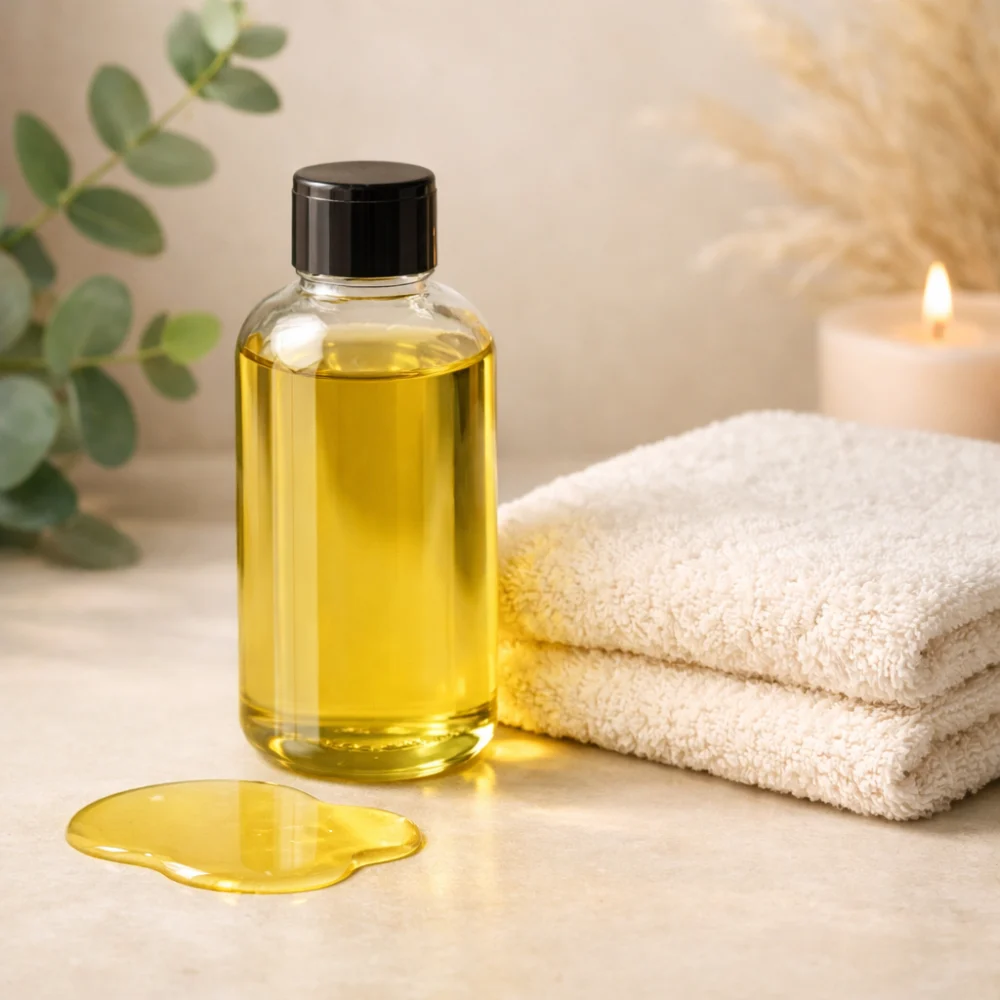
Massage oils are products intended to provide glide during massage, with formulations that may be based on a single oil or combine several ingredients. Some are scented, while others focus on an unscented or simpler formulation.
Choosing one is mainly about matching the ingredients, feel and fragrance to the person and the way the oil will be used. If you are buying a gift, consider the recipient’s scent preferences and known sensitivities rather than assuming that a popular ingredient will suit everyone.
Which massage oil should you choose?
Start with the intended use and the recipient’s ingredient and fragrance preferences. Compare the full ingredient list and any stated guidance on texture or use, rather than relying on the product name alone. A simpler or unscented option may suit someone who prefers fewer fragrance ingredients, while a scented blend may appeal to someone who enjoys fragrance. The main trade-off is personal preference: scent, skin compatibility and feel are not the same for every person.
What to compare when choosing massage oil
| Feature | What it means | Why it matters | What to check |
|---|---|---|---|
| Ingredients | The oils and other ingredients in the formulation. | Ingredients help you assess whether the product suits the intended recipient and avoid known sensitivities. | Read the full ingredient list; do not rely on a featured ingredient in the name. |
| Fragrance | The oil may be scented or unscented, depending on its formulation. | Scent is a matter of preference and can be an important consideration for sensitive users. | Check whether fragrance is stated and whether the scent description appeals to the recipient. |
| Texture and feel | Formulations can differ in how they feel and spread. | A preferred feel can make the product more suitable for the intended massage, but descriptions may not establish exactly how it will feel to an individual. | Look for any product-specific texture or use guidance, and treat broad claims as a guide rather than a guarantee. |
| Intended use | Product directions may describe the use the maker intends. | Not every massage oil is intended for every kind of use. | Check the stated use and any cautions on the product information. |
| Pack size and storage information | Pack sizes and storage guidance vary between products. | The quantity should suit how often the oil is likely to be used, and storage guidance helps with keeping it appropriately. | Check the listed quantity and any instructions for storage or use after opening. |
Key decision factors
Ingredients and skin preferences
Check the complete ingredient list, especially if the intended user already knows they react to particular ingredients. A product name that highlights one oil does not tell you everything else in the formulation. If you are unsure whether a product is suitable for a particular person, choose cautiously and seek appropriate professional advice rather than assuming it will be compatible.
Scent and fragrance
Fragrance can be a welcome part of the experience for some people and a reason to avoid a product for others. For a gift, an unscented option can reduce the chance of choosing a scent the recipient dislikes, though it does not guarantee suitability for sensitive skin. Check the description and ingredients rather than inferring fragrance from the product name or packaging.
Texture, glide and clean-up
Buyers may prefer a lighter-feeling oil or a formulation that feels richer, but these descriptions are subjective and cannot guarantee a particular experience. Consider whether the product information explains its texture and intended use. Oils can also leave residue on fabrics or surfaces, so check any care guidance and consider where the product will be used.
Quantity and packaging
Choose a quantity that makes sense for the likely frequency of use, without assuming that a larger pack is better value or will be used before it is no longer wanted. Specifications vary by model, so always check the individual product page before buying. Confirm the listed quantity and any available details about the packaging and storage.
Common types of massage oil
Single-oil products centre on one named oil, while blended massage oils combine ingredients. The first may appeal to buyers seeking a more focused ingredient list; the second may suit someone looking for a formulated blend. Neither type is automatically better, and the full ingredients remain important.
Some oils are scented and others are unscented. This is a useful distinction for gift buying and scent preferences, but scent alone does not establish skin suitability or intended use. Let the recipient’s preferences and the product’s own information guide the choice.
Choosing for different needs
- For a gift: Prioritise known scent preferences and any ingredient sensitivities. If you do not know these, a clearly described, less strongly fragranced option may be a more considered choice, but still check its ingredients.
- For someone who prefers simple formulations: Compare the full ingredient lists and select based on what is actually stated, rather than a front-of-pack claim or highlighted oil.
- For regular use: Consider the quantity, storage guidance and whether the product’s stated use fits the routine. Avoid choosing a large pack solely on the assumption that it will be used quickly.
- For a particular massage setting: Check that the product information describes the intended use. Do not assume a general massage oil is suitable for other uses.
Mistakes and misunderstandings to avoid
- Choosing by a named ingredient alone: The name may highlight one oil without listing the complete formulation. Read the ingredient list.
- Assuming natural or familiar means suitable: Individuals can have different sensitivities. Check ingredients against what the intended user already knows about their preferences or reactions.
- Treating scent as proof of a particular effect: A fragrance description indicates a scent preference, not a guaranteed outcome. Choose it for the recipient’s preference, not an implied benefit.
- Assuming all massage oils have the same purpose: Product directions and intended uses can differ. Check them before buying, particularly if the oil is being considered for anything beyond massage.
- Buying the biggest pack without considering use: A larger quantity may not suit an occasional user. Match the pack size to likely use and check storage guidance.
Safety and suitability
Massage oils are not automatically suitable for every person or every use. Check the product’s ingredients, intended use and cautions, particularly where the recipient has known sensitivities or is buying for someone else. If an allergy or skin condition makes suitability uncertain, ask an appropriate healthcare professional.
If the intended use is intimate, check that the product is specifically described as suitable for that purpose; massage oil should not be assumed to be a personal lubricant. Oil-based products can weaken latex barriers, so check the relevant product information and barrier manufacturer’s guidance.
Care, storage and clean-up
Follow the product’s own storage and use guidance, as packaging and formulations differ. Consider whether the recipient has a suitable place to keep it and whether oil residue on clothing or fabrics would be inconvenient. Do not assume that every formulation has the same cleaning or storage requirements.
A practical buying process
- Decide who will use the oil and what the intended use is.
- Note any known ingredient sensitivities and fragrance preferences.
- Choose whether a single-oil, blended, scented or unscented type best fits those preferences.
- Compare the full ingredient list, stated use, quantity and any texture or storage guidance.
- Review the individual product information and cautions before making a choice.
Massage oil buyer checklist
- Does the stated use match what the oil is being bought for?
- Have you checked the full ingredient list against known sensitivities?
- Is the scent suitable for the intended user, or would an unscented choice be preferable?
- Are the quantity and storage guidance appropriate for likely use?
- Have you checked any product-specific cautions and suitability information?
Frequently asked questions
What is the difference between a massage oil blend and a single-oil product?
A single-oil product centres on one named oil, while a blend combines ingredients. The ingredient list is the best way to understand what is in a particular product; the type alone does not establish whether it will suit an individual.
Is unscented massage oil always suitable for sensitive skin?
No. Unscented does not mean that a product is free of all ingredients that could cause an individual reaction. Check the full ingredient list and the product’s cautions.
Can massage oil be used as a personal lubricant?
Do not assume that it can. Use it for intimate purposes only if the product is specifically described as suitable for that use, and check compatibility information carefully. Oil-based products can weaken latex barriers.
How do I choose massage oil as a gift?
Consider the recipient’s scent preferences and any known ingredient sensitivities first. If those are unknown, avoid relying on a strongly scented option or a named ingredient as a guarantee of suitability.
What should I check before buying a larger bottle?
Check the quantity, intended use and storage guidance, then consider how often the recipient is likely to use it. A larger pack is not automatically the more suitable choice for occasional use.


