

Camping
Camping equipment helps you sleep, cook, relax and stay organised when spending time outdoors. Whether you are planning a family camping trip, a weekend festival, a hiking break, a campsite holiday or a simple night under canvas, the right kit can make your trip more comfortable and much easier to manage.
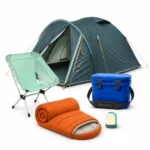
This category includes camping products for different spaces, seasons, group sizes and experience levels. Depending on the product range available, you may find tents, sleeping bags, camping mats, air beds, chairs, tables, cooking equipment, lighting, storage, shelters and useful outdoor accessories.
-

Camping Cooking and Eating1,053 Products
-
Camping Cooking Equipment1,879 Products
-
Camping Furniture2,123 Products
-
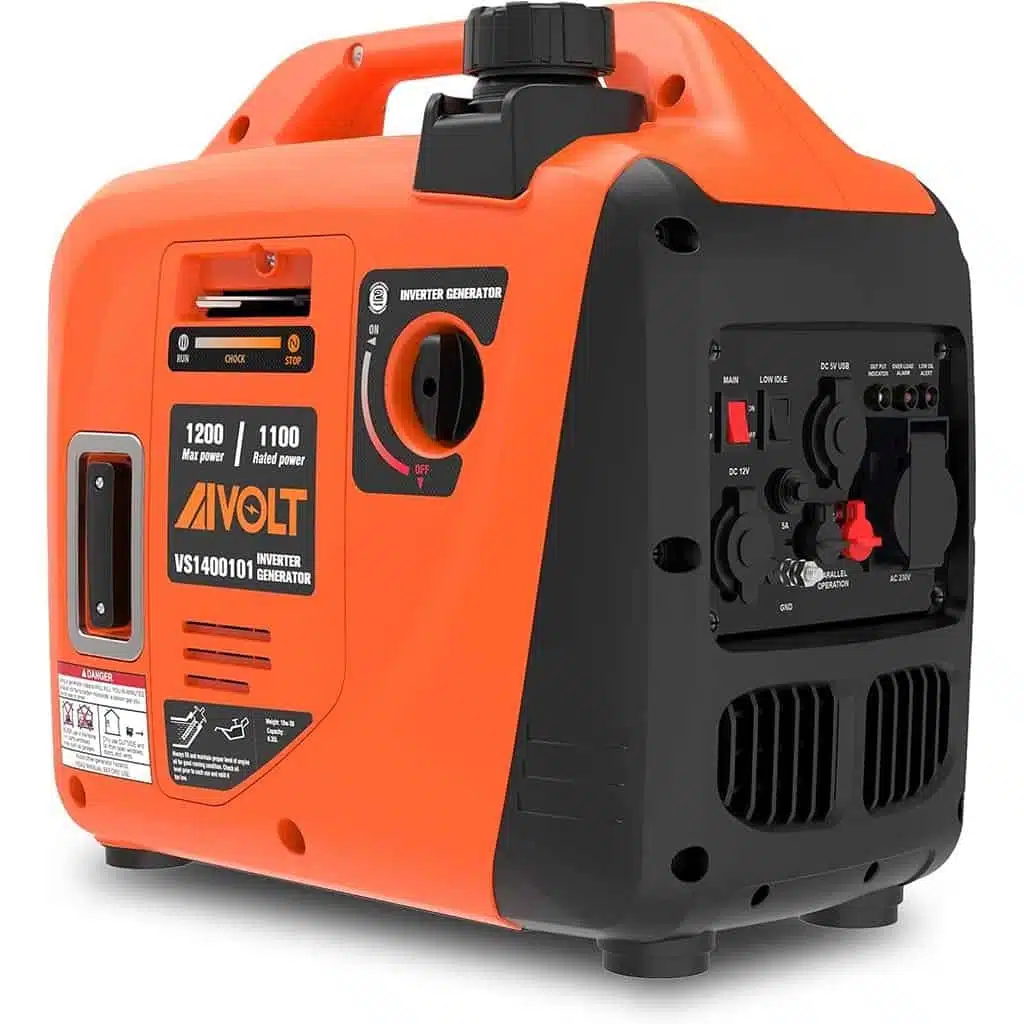
Camping Lighting and Power2,171 Products
-
Camping Vehicle Accessories2,329 Products
-
Multi Tools459 Products
-
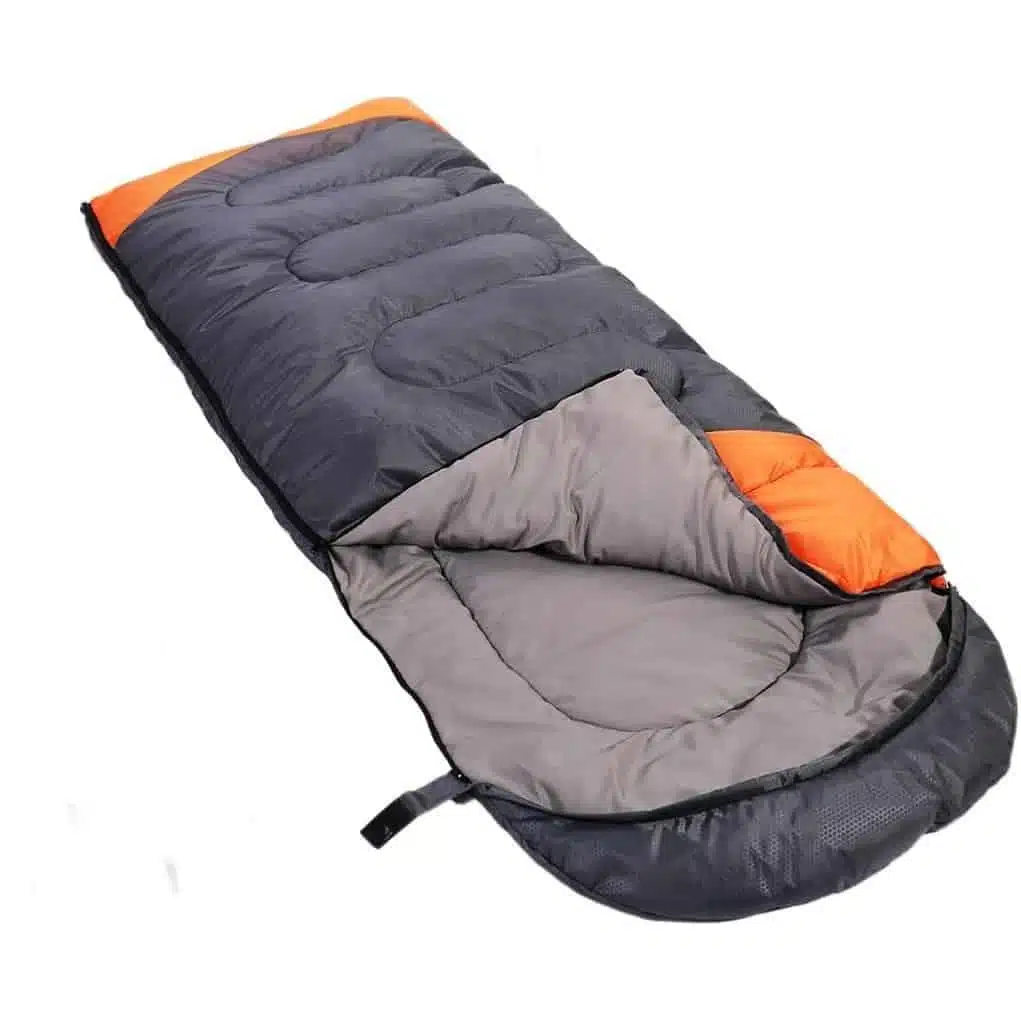
Sleeping Gear1,247 Products
-
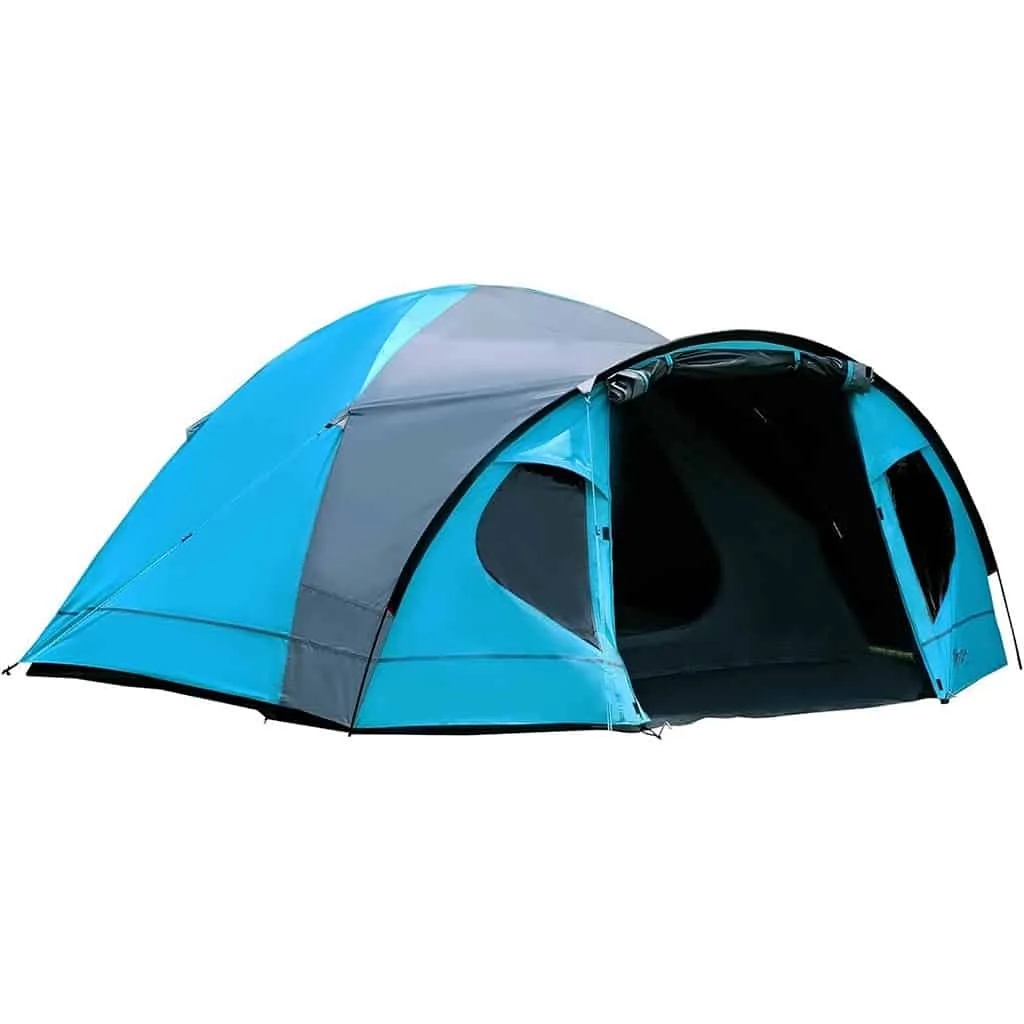
Tents3,569 Products


What Is Camping Equipment?
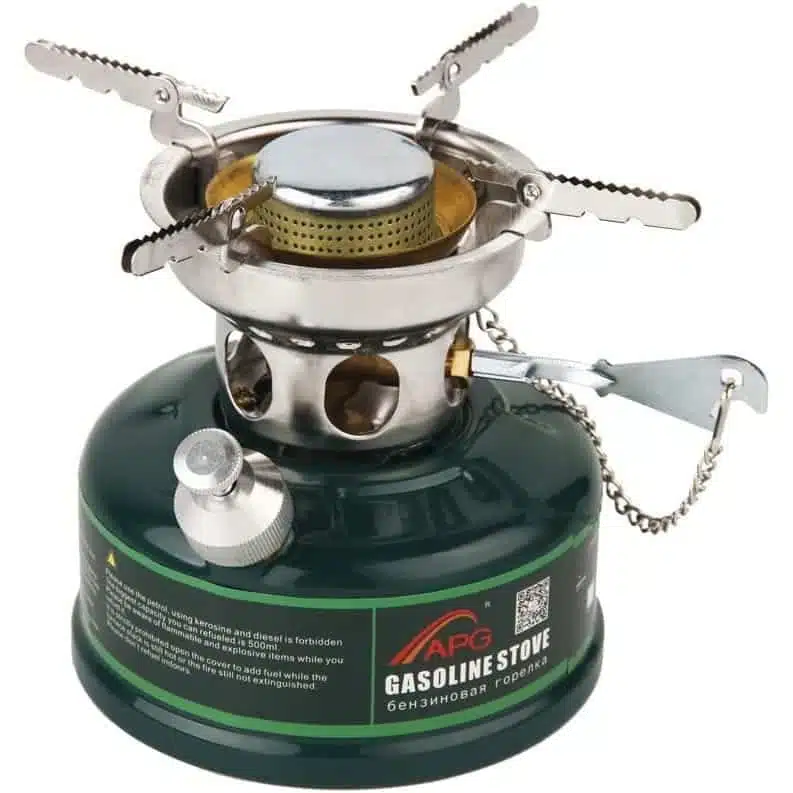
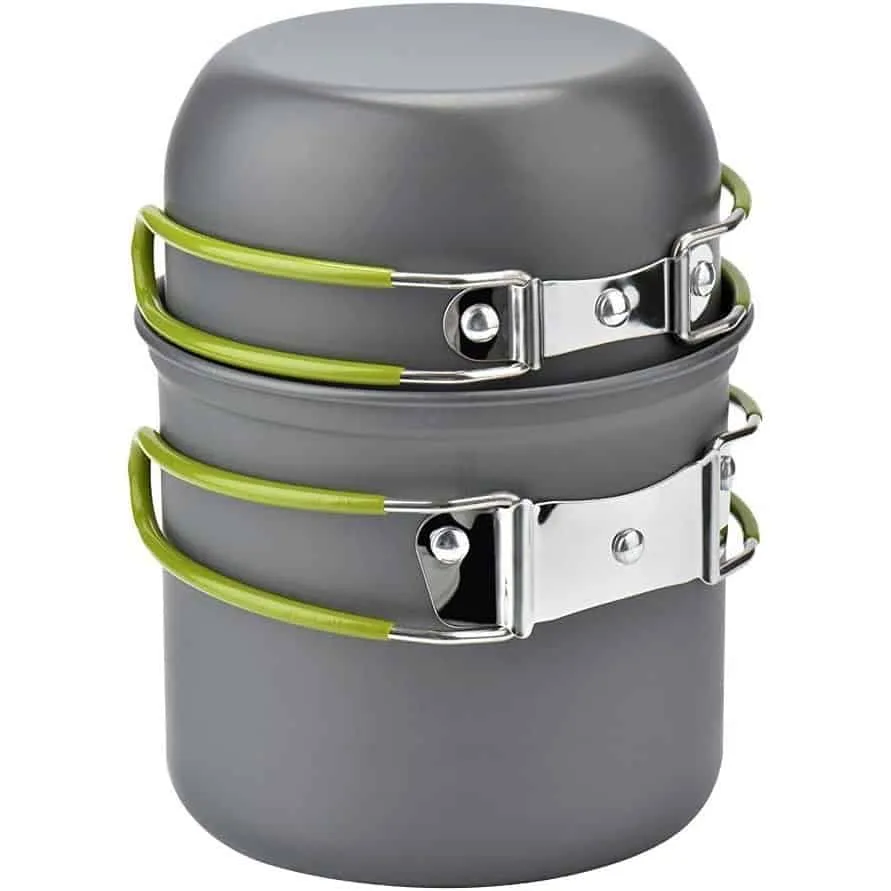
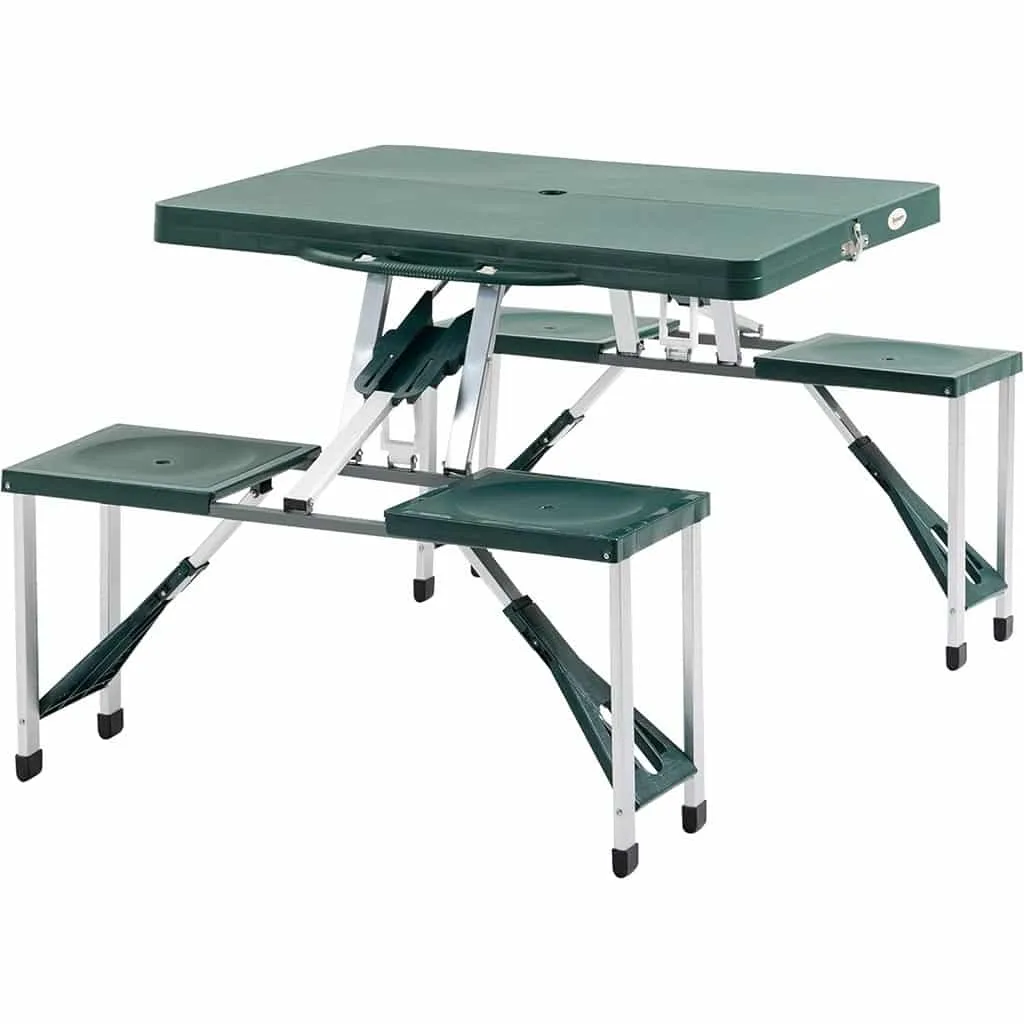
Camping equipment covers the practical items used for staying outdoors overnight or for longer campsite stays. It includes shelter, sleeping kit, cooking items, comfort products, lighting, storage and safety related accessories.
Some products are designed for lightweight travel, while others are better suited to family campsites, car camping, festivals or more relaxed outdoor stays. The right choice depends on where you are going, how long you are staying and how much kit you can carry.
What Camping Products Are Used For
Camping products are used to create a more comfortable temporary outdoor living setup. Tents and shelters help provide cover, sleeping bags and mats support rest, and cooking equipment makes meal preparation more practical where suitable.
For families, camping equipment can help organise sleeping space, food, clothing and outdoor comfort. For walkers and lightweight campers, compact size and low weight may matter more. For festival campers, simple setup and easy transport are often key.
Camping kit can also be useful for garden sleepouts, outdoor events, fishing trips, scouting activities and emergency spare equipment where suitable.
How To Choose The Right Camping Equipment
Start with the type of camping you are doing. A family campsite trip needs different kit from a solo hiking trip or a festival weekend. Think about shelter, sleeping comfort, cooking, lighting and storage before choosing individual products.
Next, consider the weather and season. Some products may include warmer insulation, stronger fabrics, water resistant features or better ventilation where listed. Do not assume every camping product is suitable for every season or condition.
Finally, think about transport. If you are driving to a campsite, larger and more comfortable items may be practical. If you are carrying everything on foot, packed size and weight become much more important.
Key Features To Compare
Size is one of the first things to compare. Tents, sleeping bags, furniture and storage items should suit the number of people using them and the space available at your campsite.
Packed size and weight matter too. Lightweight kit can be useful for walking or travelling, while bulkier kit may offer more comfort for car camping where suitable.
Weather suitability is important. Look for water resistant or waterproof features, ventilation, warmth ratings or seasonal guidance where listed, but always check the product details carefully.
Ease of setup can make a big difference, especially for families, beginners and festival use. Products that are simple to pitch, inflate, fold or store can make camping less stressful.
Durability, comfort, compatibility and care requirements are also worth comparing, particularly if the equipment will be used often.
Camping Equipment Compared With General Outdoor Gear
General outdoor gear can be useful for days out, but camping equipment is designed around staying outdoors for longer periods. It often focuses on shelter, sleeping, cooking, storage and comfort.
The trade off is that camping gear can take up more space than simple day trip equipment. If you only need kit for picnics or short outdoor visits, lighter accessories may be enough. If you are sleeping outdoors, proper camping equipment is usually more practical.
Lightweight Camping Compared With Family Camping
Lightweight camping focuses on carrying less. Smaller tents, compact sleeping bags, lightweight mats and minimal cooking equipment may be useful for hikers or travellers where listed.
Family camping usually focuses more on space, comfort and organisation. Larger tents, camping chairs, tables, air beds, storage boxes and cooking setups can make campsite life easier, especially with children.
Neither approach is better for everyone. The right choice depends on whether you need low weight, comfort, space or a balance of all three.
Beginner, Regular Camper And Experienced Camper Guidance
Beginners should focus on the essentials first. A suitable tent, sleeping bag, sleeping mat, light source and basic cooking or food setup can be a practical starting point.
Regular campers may want to improve comfort and organisation. Camping furniture, better storage, spare lighting, cool boxes, shelters and cooking accessories can make repeat trips smoother.
Experienced campers often compare packed size, fabric quality where listed, ventilation, weather suitability, repair options and how each item works with the rest of their setup. Small details can matter when camping more often or in varied conditions.
Use Cases By Camping Style
For family camping, prioritise space, comfort and simple organisation. Larger tents, sleeping comfort, chairs, tables, lighting and storage can help keep the trip calmer.
For festival camping, easy setup, portability and simple sleeping kit are often important. Choose equipment that is practical for carrying and suitable for the event conditions.
For hiking and backpacking, packed size and weight matter most. Compact sleeping kit, lightweight shelters and minimal cooking equipment may be suitable where listed.
For campsite holidays, comfort and convenience may matter more than low weight. Cooking equipment, furniture, lighting and storage can help create a more pleasant base.
For occasional garden camping, simple tents, sleeping bags and lights may be enough, depending on age, supervision and weather.
Fit, Sizing And Compatibility
Camping equipment needs to fit the people using it, the space available and the rest of your kit. Tent size should allow enough sleeping and storage room, while sleeping bags should suit the user and expected conditions where listed.
Air beds, mats and camp beds should fit inside the tent without blocking access or pressing against the sides. Cooking equipment, gas canisters, utensils and stove accessories should only be used where compatible and as instructed.
If you already own camping kit, check that new accessories will work with it. This is especially important for tent poles, groundsheets, pump fittings, stove fuel, sleeping mat valves and storage systems where compatibility is listed.
Safety Considerations For Camping
Camping equipment should always be used according to the product instructions. Tents, stoves, heaters, lights and electrical items all need careful setup and sensible use.
Cooking should be done in a safe, well ventilated area and never inside a closed sleeping space. Gas, fire and heat sources should be handled carefully and kept away from tent fabrics, bedding and children.
Choose sleeping kit suitable for the expected temperature where listed, and take extra layers if conditions may change. Campsites, festivals and outdoor areas may also have their own rules, so check guidance before travelling.
Good camping safety also means keeping walkways clear, securing guy lines, storing food properly and using suitable lighting after dark.
Care, Cleaning And Maintenance
Camping equipment lasts better when it is cleaned, dried and packed away properly. Wet tents, sleeping bags and fabric items should be dried fully before long term storage where possible.
Brush off mud, grass and debris before packing items away. Follow care labels and product guidance, especially for sleeping bags, waterproof fabrics, air beds and cooking equipment.
Check kit before each trip. Look for missing pegs, damaged poles, worn zips, flat batteries, leaking air beds, damaged cookware or anything that may cause problems once you arrive.
Storage And Organisation
Good storage makes camping much easier. Keep related items together, such as tent parts, pegs, mallets, sleeping kit, cooking kit, lights and first use essentials.
Dry storage boxes, bags and organisers can help keep equipment tidy between trips. Labelled bags or separate sections can be useful for families and larger setups.
Avoid storing camping gear damp, crushed or under heavy items. Sleeping bags, tents and mats may lose comfort or become harder to use if stored poorly for long periods.
Useful Accessories To Consider
Useful camping accessories may include tent pegs, mallets, groundsheets, lanterns, torches, camping chairs, tables, sleeping mats, pillows, pumps, cool boxes, cookware, water containers, storage bags and repair items where suitable.
For families, extra lighting, seating and storage can make a big difference. For walkers, compact cooking kit, lightweight sleeping gear and small dry bags may be more useful.
It can also be practical to keep spare batteries, a basic repair kit, cleaning cloths and a dedicated camping bag ready for regular trips.
Why Buy From YPC?
At YPC, we understand active lifestyles and the need for practical products that work in real use. Camping equipment should be chosen for the trip, the people going, the weather, the space available and how the kit will actually be carried, used and stored.
YPC brings together a wide range of sports and outdoor activity products so you can compare available camping options by use, size, comfort, suitability and practicality. Browse the Camping category to compare the range and choose the right kit for your next outdoor stay.
FAQs
What camping equipment do beginners need?
Beginners usually need a suitable tent, sleeping bag, sleeping mat or air bed, light source, basic cooking or food setup, and storage for clothing and essentials. The exact kit depends on the trip, weather and campsite facilities.
How do I choose the right tent for camping?
Choose a tent based on the number of people, sleeping space, storage needs, weather conditions and how easy it is to pitch. Check the product details carefully for size, use and suitability where listed.
What is the difference between family camping and lightweight camping?
Family camping usually focuses on comfort, space and organisation, while lightweight camping focuses on carrying less. Family campers may use larger tents and furniture, while backpackers may choose compact and lighter kit.
Do I need a sleeping mat as well as a sleeping bag?
A sleeping mat, air bed or camp bed can improve comfort and help create a layer between you and the ground. A sleeping bag provides warmth, but it does not always provide enough cushioning on its own.
Can camping equipment be used at festivals?
Some camping equipment may be suitable for festivals where listed. Look for easy setup, manageable packed size and practical sleeping kit, and always check the event rules before travelling.
How should I store camping equipment after a trip?
Clean and dry equipment before storing it where possible. Keep tents, sleeping bags, mats and accessories in a dry place away from damp, heavy pressure and unnecessary heat.
What camping accessories are worth considering?
Useful accessories include lanterns, torches, pegs, mallets, chairs, tables, cool boxes, cookware, pumps, storage bags and repair items. Choose accessories based on your camping style and available space.
How do I know if camping equipment is suitable for bad weather?
Check the product details for weather related features such as waterproofing, water resistance, ventilation, warmth guidance or seasonal suitability where listed. Do not assume every product is suitable for heavy rain, wind or cold conditions.
 Getting ready for Summer? View our Home and Garden Products

Heading outdoors this winter? Take a look at our Outdoor Clothing.
