
Diet, Fitness and Exercise Equipment
Exercise equipment helps you train at home, improve fitness, build strength, support movement and make regular activity easier to fit into everyday life. This category is ideal if you want workout kit for cardio training, resistance exercise, stretching, strength work, mobility, home gyms or general fitness routines.
The right exercise equipment depends on your goals, space, budget and current fitness level. A simple exercise mat, resistance bands or dumbbells may be enough for one person, while another may prefer a treadmill, exercise bike, rowing machine, weight bench or full home gym setup.
-

Activewear and Footwear5,456 Products
-
Diet and Nutrition5,106 Products
-
Exercise Equipment9,814 Products
-
Fitness Accessories & Gear4,450 Products
-
Yoga Pilates & Mind-Body3,411 Products
What Is Exercise Equipment Used For?
Exercise equipment is used to support physical activity, structured workouts and general fitness training. It can help with strength, cardio, flexibility, balance, mobility, endurance and regular movement.
This category can include cardio machines, free weights, benches, resistance bands, kettlebells, dumbbells, exercise mats, rowing machines, treadmills, exercise bikes, cross trainers, pull up bars, step platforms and other home workout products.
Some products are designed for beginners. Others are better suited to regular exercisers or more serious training. The best choice is usually the equipment you can use safely, consistently and comfortably.
How To Choose The Right Exercise Equipment
Start with your main goal. If you want to improve general fitness, a cardio machine such as an exercise bike, treadmill, rowing machine or cross trainer may be useful. If you want to build strength, dumbbells, kettlebells, resistance bands, benches and weight equipment may be more suitable.
Space is one of the most important buying factors. Large machines can be useful, but only if you have enough room to use them properly. Compact equipment can often give you more flexibility if you train in a spare room, garage, living room or small home gym area.
Also think about your confidence level. Beginners usually benefit from simple, easy to use equipment that does not feel intimidating. More experienced users may want adjustable resistance, heavier weights, stronger build quality and equipment that allows progression over time.
Cardio Equipment Or Strength Equipment?
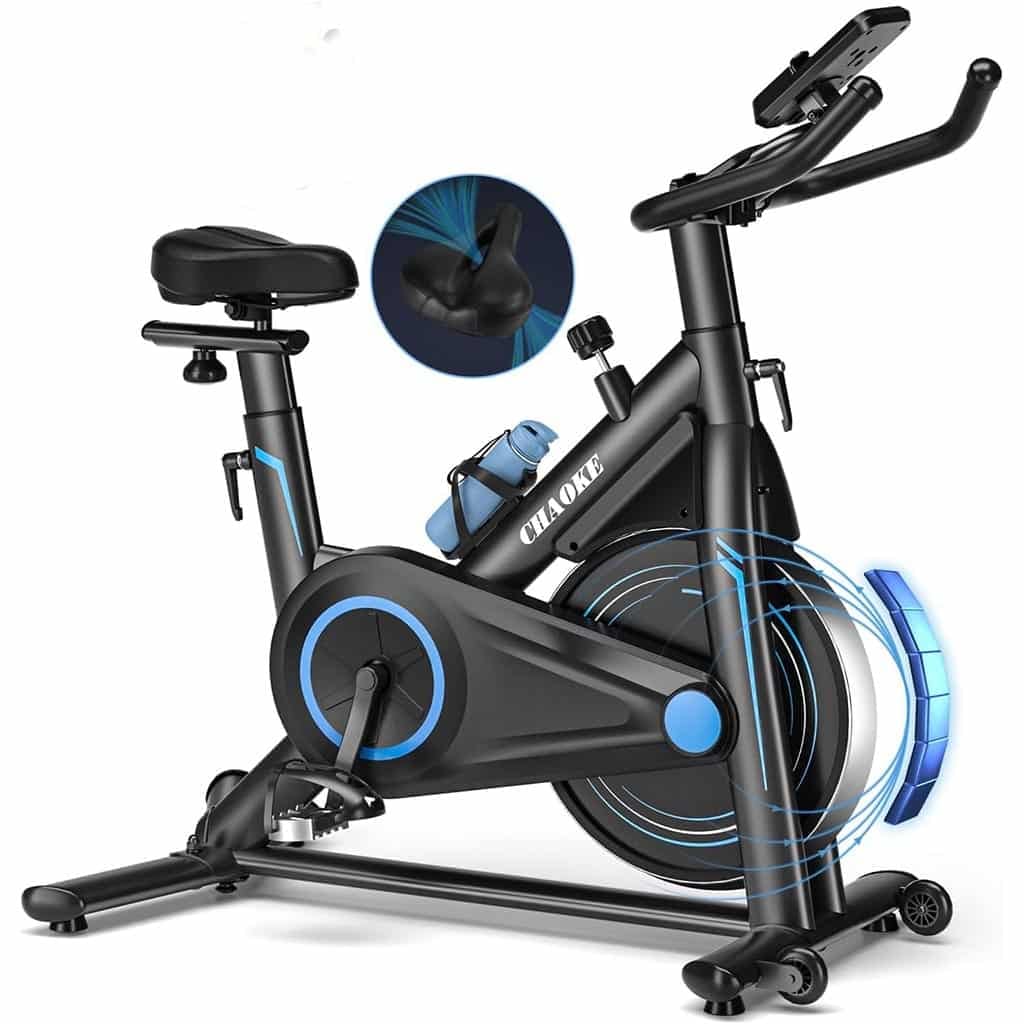
Cardio equipment is designed to help raise your heart rate and support endurance style exercise. Treadmills, exercise bikes, rowing machines and cross trainers are common choices for home cardio workouts.
Strength equipment focuses on resistance. Dumbbells, kettlebells, resistance bands, weight benches and pull up bars can help support muscle strengthening exercises when used correctly.
The best option depends on your goal. Cardio equipment is usually better for endurance and regular movement. Strength equipment is better for resistance training. Many people benefit from having a mix of both.
Compact Equipment Or Large Machines?
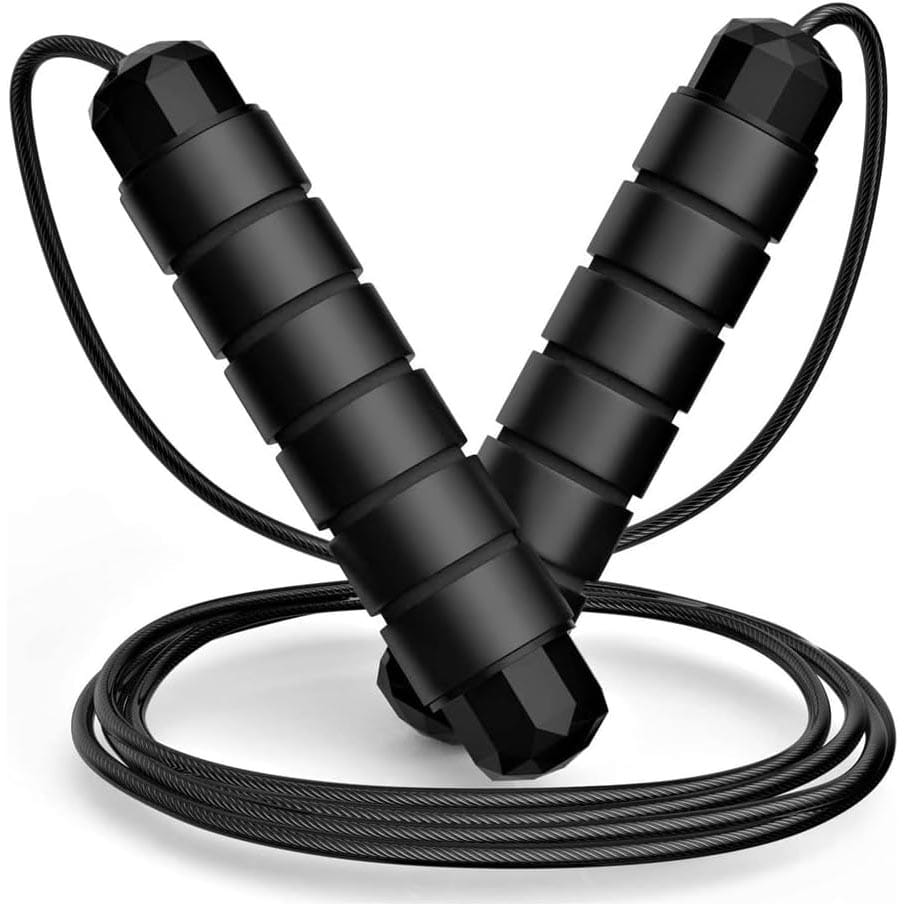
Compact exercise equipment is useful if space is limited. Resistance bands, dumbbells, kettlebells, skipping ropes, exercise mats and sliders can support a wide range of workouts without needing a dedicated gym room.
Large machines can be useful if you want a more structured workout experience. Treadmills, bikes, rowers and cross trainers can make training easier to repeat because the setup is always ready to use.
The trade off is space and commitment. A large machine can be excellent if you use it often, but it can become frustrating if it takes over the room and rarely gets used.
Key Features To Compare
When comparing exercise equipment, look at size, weight capacity, adjustability, resistance levels, storage needs, build quality, comfort, noise level, ease of setup, maintenance and suitability for your training goal.
For cardio machines, compare resistance, incline, display features, running area, seat comfort, handle position and foldability where relevant. For strength equipment, compare weight range, grip comfort, stability, progression options and how safely the product can be used.
Durability matters too. Equipment used several times a week needs to feel stable and reliable. A cheaper product may be fine for occasional use, but regular training may need stronger construction.
Beginner, Regular Exerciser Or Home Gym Setup?
Beginners should look for exercise equipment that is simple, safe and easy to use. Resistance bands, exercise mats, light dumbbells, step platforms and basic cardio equipment can be good starting points.
Regular exercisers may want adjustable dumbbells, heavier resistance, better machines, benches or equipment that allows more variety. Progression matters because your equipment should still be useful as your fitness improves.
A home gym setup may include a mix of cardio equipment, strength equipment, storage, mats and accessories. It does not need to be huge. A well chosen small setup can be more useful than a room full of kit you rarely use.
Exercise Equipment For Small Spaces
Small spaces can still support effective training. Resistance bands, folding mats, adjustable dumbbells, kettlebells, skipping ropes and compact benches can all work well in limited areas.
Look for products that are easy to store, quick to set up and simple to move. If equipment is awkward to get out, you are less likely to use it regularly.
A small workout space should feel clear and safe. Make sure you have enough room to move, stretch, lift and step without hitting furniture, walls or other people.
Exercise Equipment For Weight Management
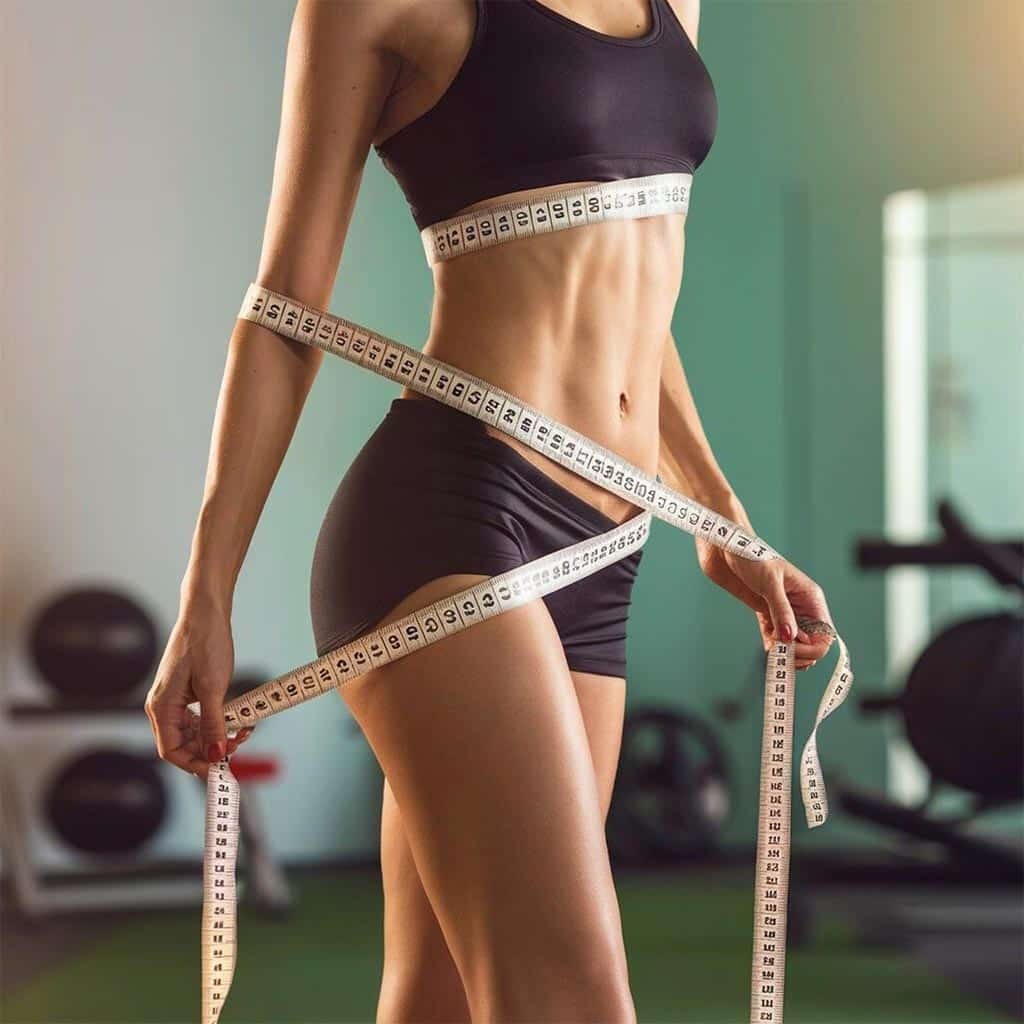
Exercise equipment can support weight management by making activity easier to do consistently. Cardio machines, strength equipment and simple workout accessories can all help you build a more active routine.
However, no piece of equipment guarantees weight loss on its own. Results depend on overall diet, activity level, consistency, sleep, recovery and personal circumstances.
The most useful approach is to choose equipment you enjoy using. If you like the activity, you are more likely to repeat it.
Using Exercise Equipment Safely
Always follow the product instructions and use equipment as intended. Start with a manageable level and build up gradually rather than doing too much too soon.
Good technique matters, especially with weights, benches, resistance bands and strength equipment. If an exercise causes sharp pain, dizziness or unusual discomfort, stop and review what you are doing.
If you have medical concerns, injury history, mobility issues or have not exercised for a long time, seek suitable professional advice before starting a demanding routine.
Useful Accessories To Consider
Useful accessories can include exercise mats, resistance bands, water bottles, gym towels, fitness trackers, heart rate monitors, storage racks, foam rollers, lifting gloves and floor protection mats.
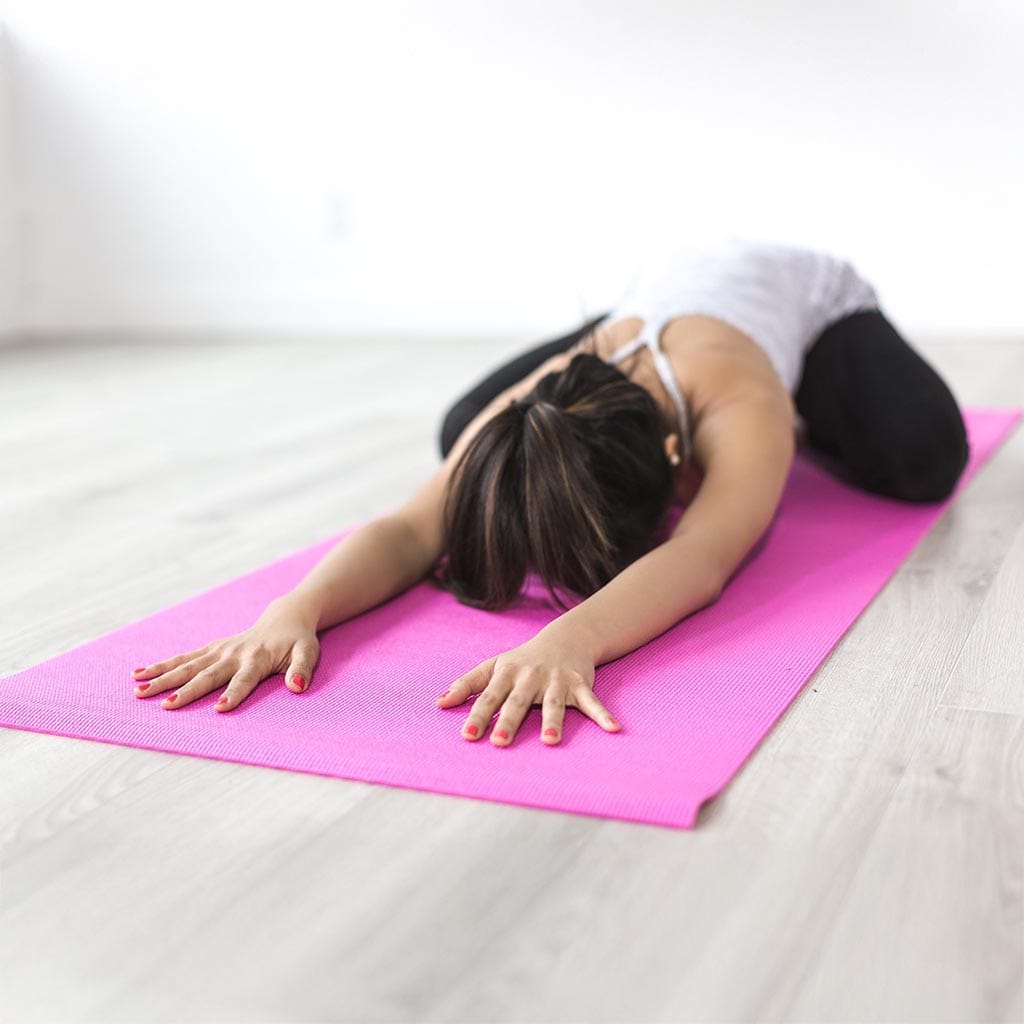
An exercise mat can make floor work more comfortable. Storage racks can keep weights tidy and reduce trip hazards. Floor protection can be useful if you train with machines, benches or heavier equipment at home.
Choose accessories that make your workouts easier, safer or more consistent rather than buying extras you are unlikely to use.
Why Buy Exercise Equipment From YPC?
At YPC, we understand active lifestyles and the need for practical equipment that fits real routines. Exercise equipment should suit your goals, your space and the way you actually like to train.
Browse the Exercise Equipment range, compare the options and choose the kit that helps you build a workout setup you will use regularly.
Exercise Equipment FAQs
What does exercise equipment include?
Exercise equipment can include cardio machines, dumbbells, kettlebells, resistance bands, benches, exercise mats, rowing machines, treadmills, bikes, cross trainers, pull up bars and home workout accessories.
What exercise equipment is best for beginners?
Beginners often do well with simple equipment such as resistance bands, light dumbbells, exercise mats, step platforms and easy to use cardio equipment.
What equipment is best for home workouts?
The best home workout equipment depends on your goals and space. Resistance bands, dumbbells, kettlebells, mats and compact cardio machines are all practical options.
Is cardio equipment or strength equipment better?
Neither is automatically better. Cardio equipment supports endurance and regular movement, while strength equipment supports resistance training. Many people benefit from using both.
What exercise equipment takes up the least space?
Resistance bands, adjustable dumbbells, kettlebells, skipping ropes, exercise mats and sliders are among the most space efficient options.
Are treadmills good for home fitness?
Treadmills can be useful for walking, jogging and running at home. Check space, noise, running area, foldability, weight capacity and how often you are likely to use one.
Are exercise bikes good for beginners?
Exercise bikes can be beginner friendly because they are controlled, low impact and easy to adjust. Seat comfort, resistance levels and display features are worth comparing.
Are resistance bands worth buying?
Resistance bands can be very useful because they are affordable, compact and suitable for strength, mobility, warm ups and home workouts.
Are dumbbells better than kettlebells?
Dumbbells are versatile for controlled strength exercises. Kettlebells are useful for swings, carries and dynamic training. The better choice depends on your workouts and confidence level.
Can exercise equipment help with weight loss?
Exercise equipment can support activity and calorie expenditure, but it does not cause weight loss by itself. Diet, consistency, activity level and lifestyle all matter.
Do I need expensive equipment to get fit?
No. Many effective workouts can be done with simple equipment or bodyweight exercises. Expensive equipment is only worth it if it suits your goals and gets used regularly.
How much space do I need for exercise equipment?
It depends on the equipment. Large machines need enough room for safe use, while compact items such as mats, bands and dumbbells can work in much smaller spaces.
What should I check before buying exercise equipment?
Check size, storage, weight capacity, build quality, comfort, resistance levels, adjustability, noise, maintenance needs and whether the equipment suits your fitness goal.
Is used exercise equipment safe?
Used equipment can be safe if it is complete, stable and in good condition. Check for worn parts, damaged frames, missing instructions, loose fittings and electrical issues where relevant.
How do I keep exercise equipment in good condition?
Follow the care instructions, wipe down equipment after use, store items properly, check fixings regularly and replace worn parts when needed.
 Getting ready for Summer? View our Home and Garden Products

Heading outdoors this winter? Take a look at our Outdoor Clothing.