
Cement Mixers
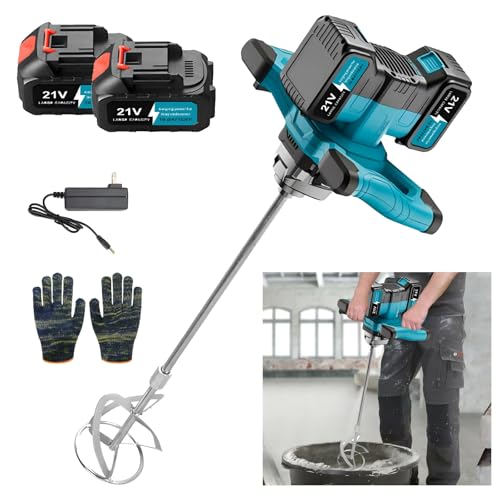
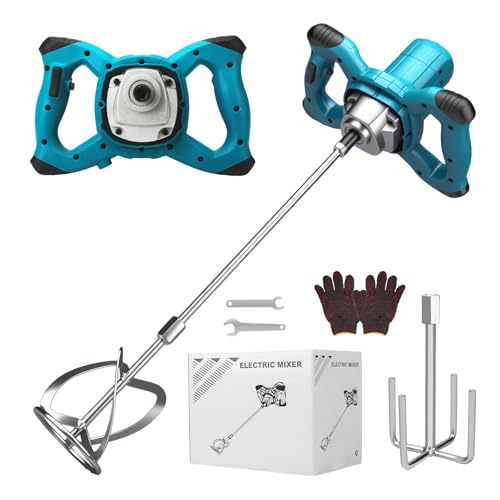
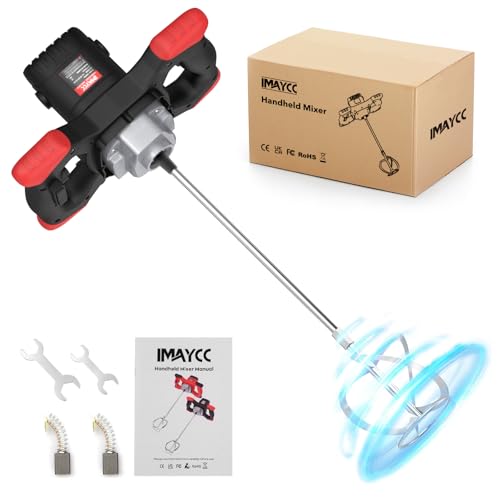
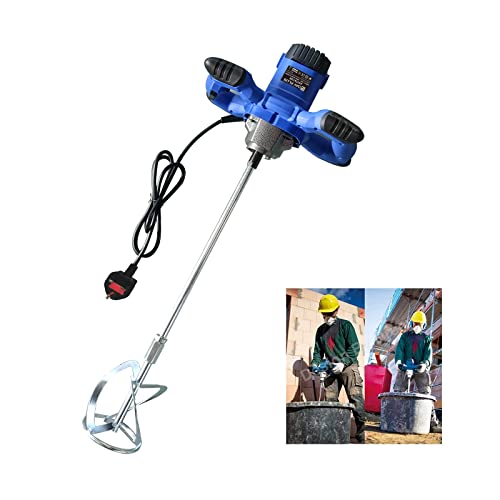
Mix cement, concrete, mortar, and plaster effortlessly with a high-performance cement mixer, designed for fast, consistent, and hassle-free mixing. Whether you’re working on small home projects, landscaping, or large-scale construction, we offer a wide range of electric and petrol cement mixers to suit DIYers, builders, and professionals.
Since 1988, we’ve been a trusted supplier of top-quality construction equipment, ensuring durability, power, and reliability for all mixing tasks.
- Cement Mixers
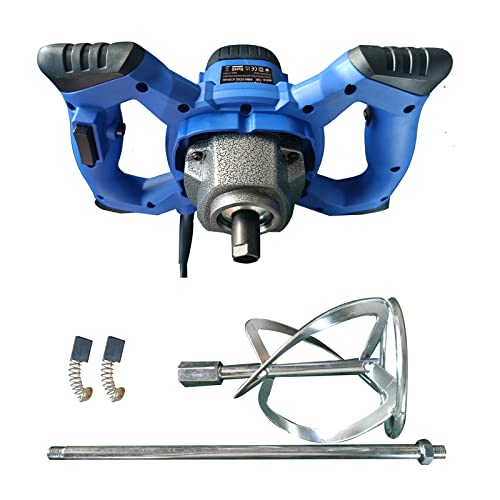
Einhell Paint and Plaster Mixer 1600W, Speed Control, M14 Stirring Tool Mount, 133mm Diameter Stirrer, Electric Mixing Paddle For Paint, Plaster, Cement, Concrete and Mortar TE-MX 1600-2 CE
Original price was: £113.95.£109.95Current price is: £109.95. *View On Amazon* - Cement Mixers
Zipper BTM160 160ltr Concrete Cement Mixer – Cast Iron 650w 240v
£359.99 *View On Amazon* - Cement Mixers
DKIEI 63L Electric Cement Mixer, 220W Concrete Mixer with Wheels and Stand, Portable Mud Mixer Machine for Cement, Stucco, Seeds and Fodder, 230V, 50Hz, 30RPM, Orange
Original price was: £168.99.£149.99Current price is: £149.99. *View On Amazon* - Cement Mixers
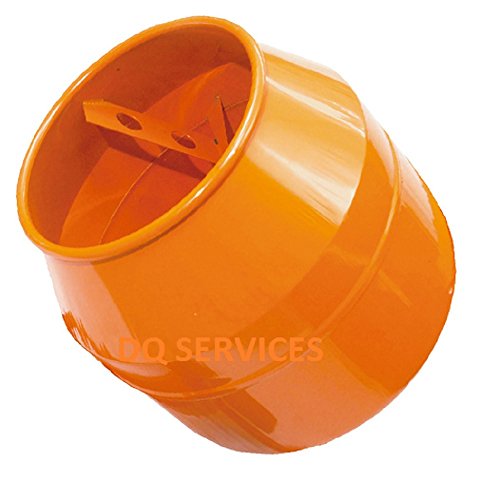
Drum for Belle Minimix 140/150 & Maxi Cement Mixers – L&S Engineers
£197.70 *View On Amazon* - Cement Mixers
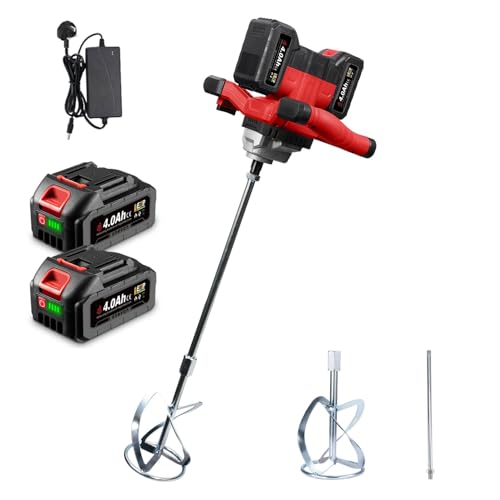
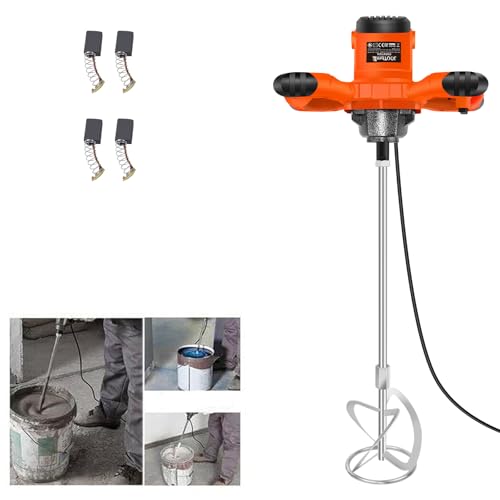
Hyundai Electric Paddle Mixer, 1600w / 1.6kw Plaster Mixing Tool, 230v/240v, 4m Power Cable, 990rpm Mixing Speed, 5 Piece Trowel Set, Multi-Purpose & 3 Year Warranty
Original price was: £119.99.£69.99Current price is: £69.99. *View On Amazon*








Why Choose a Cement Mixer?
🏗️ Fast, Consistent & Even Mixing
- Ensures a perfect blend of cement, sand & water.
- Prevents lumps & dry patches for a strong, smooth finish.
🏗️ Saves Time & Reduces Manual Labour
- Mixes larger volumes faster than hand mixing.
- Continuous rotation ensures a well-mixed consistency.
🏗️ Electric, Petrol & Heavy-Duty Models Available
- Electric cement mixers for home & light trade use.
- Petrol-powered mixers for larger, off-grid construction sites.
- Heavy-duty models for commercial & industrial projects.
🏗️ Portable, Durable & Easy to Use
- Lightweight, wheeled designs for easy movement.
- Robust steel drums & frames for long-lasting performance.
🏗️ Compatible with Various Mixing Applications
- Perfect for concrete, mortar, render, and plaster mixing.
- Suitable for landscaping, foundations, driveways & walls.
Types of Cement Mixers
🔥 Electric Cement Mixers (For Home & Light Trade Use)
- Plug-in models for easy operation & continuous use.
- Great for small construction & landscaping projects.
🔥 Petrol Cement Mixers (For Heavy-Duty & Remote Use)
- More powerful for mixing large volumes of cement.
- No need for electricity—perfect for off-site jobs.
🔥 Diesel Cement Mixers (For Industrial & Commercial Work)
- Maximum power for large-scale construction.
- Best for long-running jobs & professional use.
🔥 Mini Cement Mixers (For DIY & Small Jobs)
- Compact, lightweight & easy to transport.
- Perfect for home renovations & garden projects.
🔥 Tilting Drum Cement Mixers (For Easy Pouring)
- Tilting drum design allows precise pouring.
- Ideal for efficient work on construction sites.
Why a Cement Mixer is Essential for DIY & Trade Work
✅ Speeds up mixing for efficient cement preparation.
✅ Produces consistent, high-quality concrete & mortar.
✅ Portable, durable & easy to operate.
✅ Electric, petrol & heavy-duty models available.
Why Shop Cement Mixers With Us?
✔️ Expertise Since 1988 – Over 35 years of supplying professional construction tools.
✔️ Wide Selection of Cement Mixers – From compact DIY models to heavy-duty trade mixers.
✔️ Trusted Brands – Stocking Belle, Hyundai, Scheppach, Altrad & Draper.
✔️ Competitive Pricing – Affordable, high-quality cement mixers for every budget.
✔️ Fast UK Delivery – Get your cement mixer delivered quickly & ready for action.
How to Choose the Best Cement Mixer
- Consider Your Power Needs: Electric for home use, petrol for large-scale work.
- Check Drum Capacity: Larger drums (130L+) for heavy-duty jobs.
- Look for a Tilting Feature: Easier pouring & handling.
- Choose the Right Portability: Compact mixers for DIY, wheeled mixers for trade use.
Popular Cement Mixer Picks
🏗️ Belle MiniMix 150 Electric Cement Mixer – Best-selling, durable & ideal for home & trade use.
🏗️ Hyundai HYCM160 Petrol Cement Mixer – Heavy-duty power for larger construction jobs.
🏗️ Scheppach Mix 140 Compact Mixer – Lightweight, portable & perfect for small jobs.
🏗️ Altrad Belle Premier XT Diesel Mixer – High-performance mixer for industrial use.
Make mixing cement effortless with a high-quality cement mixer for DIY, construction & professional applications. Shop online now or visit us in-store for expert advice!
Frequently Asked Questions (FAQs) About Cement Mixers
1. What’s the best cement mixer for home use?
An electric 130L cement mixer is perfect for DIY & small construction projects.
2. What size cement mixer do I need?
- 120-140L mixers – Suitable for home & light trade work.
- 150-200L mixers – Best for larger construction projects.
- 250L+ mixers – Ideal for industrial & commercial use.
3. Are petrol cement mixers better than electric ones?
- Petrol mixers are more powerful & best for large-scale jobs & off-grid work.
- Electric mixers are easier to use & great for home & light trade projects.
4. How long should I mix cement in a mixer?
For best results, mix for 3-5 minutes to ensure an even consistency.
5. Can I mix mortar and plaster in a cement mixer?
Yes! Cement mixers work with mortar, plaster, render & concrete.
6. How do I clean a cement mixer after use?
- Run with gravel & water to loosen residue.
- Scrape off dried cement & rinse thoroughly.
- Always clean immediately after mixing.
7. What’s the best cement mixer for a large construction site?
A diesel or petrol cement mixer with 200L+ drum capacity is ideal.
8. Can I use a cement mixer for post-mix or tarmac?
Yes! But use a dedicated drum for tarmac to prevent contamination.
9. How do I transport a cement mixer?
- Mini mixers fit in vans & car boots.
- Larger models have wheeled frames for easy site movement.
10. What’s the best way to pour mixed concrete?
- Use a tilting drum mixer for precise pouring.
- Pour slowly & evenly to prevent spillage
 Getting ready for Summer? View our Home and Garden Products

Heading outdoors this winter? Take a look at our Outdoor Clothing.
Amazon Associate Disclosure
As an Amazon Associate I earn from qualifying purchases.