
Tile Cutters
Tile cutters are tools designed to cut tiles accurately for walls, floors, patios, paths, splashbacks and garden construction projects. They are ideal for anyone fitting ceramic, porcelain, stone effect or suitable outdoor tiles where neat edges and accurate sizing matter.
A good tile cutter can make tiling jobs look cleaner and more professional. The right choice depends on the type of tile you are cutting, the tile size, the thickness, the finish you want and whether you need straight cuts, angled cuts or more detailed shaping.
- Tile Cutters
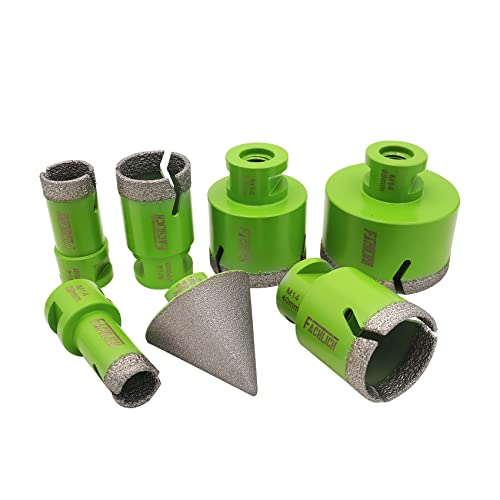
FACHLICH Diamond Drill Core Bits Set with Chamfer Bit
Original price was: £57.59.£54.39Current price is: £54.39. *View On Amazon* - Tile Cutters
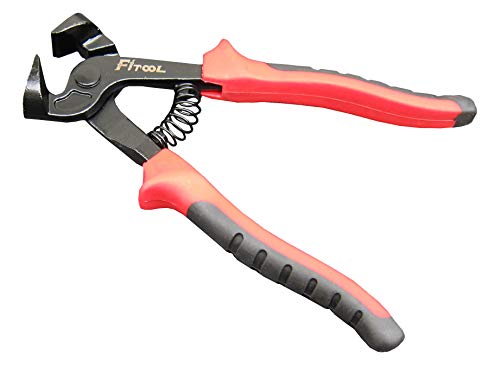
Tile Nippers Tile Working Tool with Tungsten Carbide Trimming Tips
£13.99 *View On Amazon* - Tile Cutters
SHDIATOOL Diamond Core Drill Bit 115mm M14 Thread 3 Piece
Original price was: £25.00.£20.00Current price is: £20.00. *View On Amazon* - Tile Cutters
TILE RITE DDB264 35mm Wet Cut Diamond Tipped Porcelain Hole Cutter
£34.04 *View On Amazon* - Tile Cutters
FACHLICH Diamond Core Drill Bits Set 7pcs with M14 Thread
Original price was: £80.74.£75.99Current price is: £75.99. *View On Amazon*



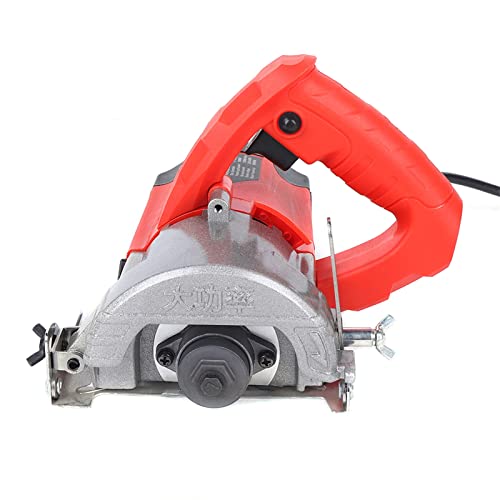


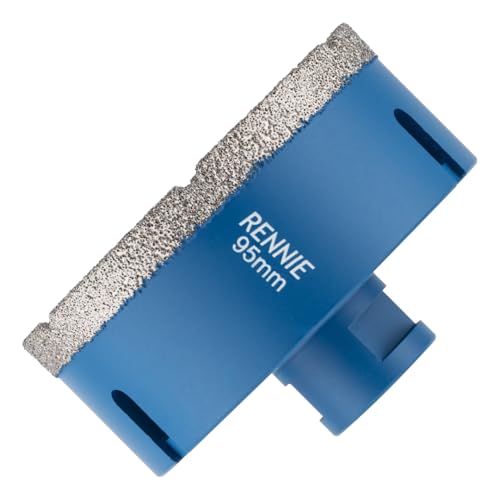




How to Choose the Right Tile Cutter
Start by thinking about the tiles you need to cut. Small ceramic tiles may only need a simple manual tile cutter, while thicker porcelain, outdoor tiles or larger slabs may need a stronger cutter or a powered wet tile saw.
Tile size is one of the most important details to check. A cutter must be large enough to handle the length and width of your tiles. If you are cutting large floor tiles or patio tiles, check the maximum cutting length carefully before buying.
What Matters Most When Comparing Tile Cutters
The main things to compare are cutting length, tile thickness capacity, cutting type, guide accuracy, scoring wheel quality, stability, water cooling if powered and ease of use.
Accuracy matters because small cutting errors can quickly show once tiles are laid. A stable base, clear guide and smooth cutting action can help produce cleaner cuts, especially when trimming tiles to fit edges, corners, walls or outdoor features.
Manual Tile Cutter or Electric Tile Cutter?
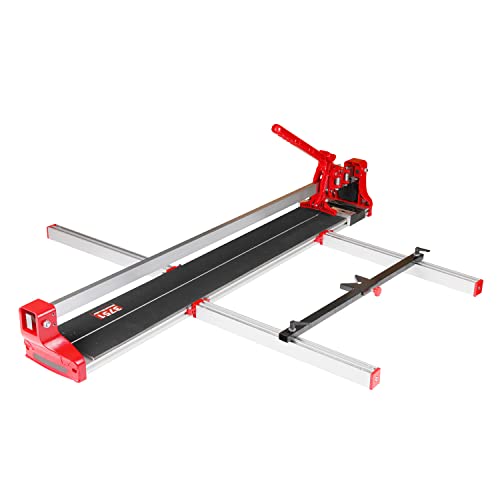
A manual tile cutter is often best for straight cuts in suitable ceramic or porcelain tiles. It scores the tile surface and then snaps the tile along the line. Manual cutters are usually quieter, easier to store and practical for many simple tiling jobs.
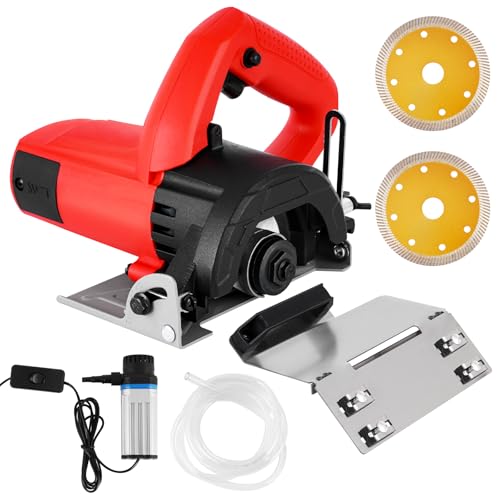
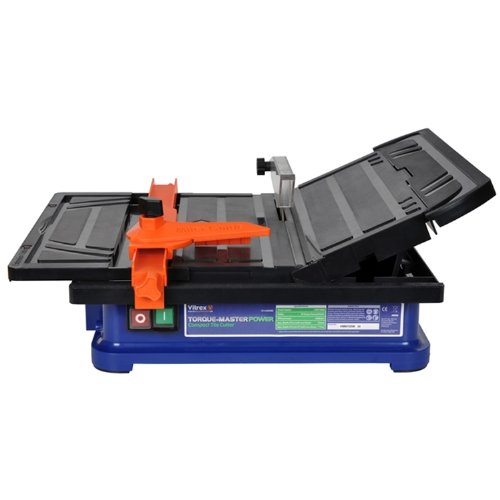
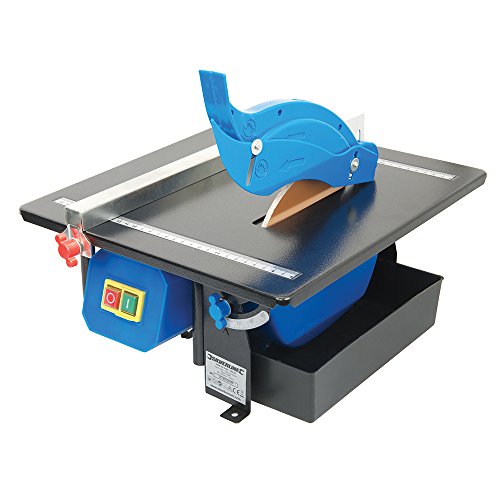
An electric tile cutter or wet tile saw uses a powered blade and may be better for thicker tiles, harder materials or more repeated cutting. Some electric cutters use water to help cool the blade and reduce dust.
The trade off is simplicity versus cutting power. Manual cutters are straightforward and clean for basic straight cuts, while electric cutters are usually better for tougher tiles, thicker materials and more demanding projects.
Straight Cuts, Angled Cuts and Shaped Cuts
Many tile cutters are designed mainly for straight cuts. This is useful when trimming tiles to fit along walls, edges, paving lines or room boundaries.
If you need angled cuts, diagonal cuts or detailed shapes around pipes, corners or obstacles, check whether the cutter is designed for that type of work. Some jobs may also need additional tools such as tile nippers, hole saws or specialist blades.
The more complex the cut, the more important control becomes. For visible edges, choose a cutter that helps you work steadily and accurately rather than rushing the cut.
Tile Cutter or Angle Grinder?
A tile cutter is usually better for clean, controlled straight cuts in tiles. It is designed specifically for tiling work and can help create neater results when used correctly.
An angle grinder fitted with a suitable tile or diamond disc can be useful for shaping, trimming, notches or awkward cuts, depending on the material and disc. The trade off is that grinders can be harder to control and may create more dust or rougher edges.
For most tiling projects, a tile cutter is the more precise starting point. An angle grinder may be useful as an additional tool for cuts a standard tile cutter cannot easily make.
Safety, Setup and Practical Use
A good tile cutter should feel stable, accurate and suitable for the tile material. Check the cutting guide, base support and whether the tool can hold the tile securely while cutting.
Safety matters, especially with powered tile cutters. Use the correct blade, follow the product guidance and wear suitable protection where needed. If cutting tiles outdoors or in a workshop, think about dust, water, surface protection and safe handling of sharp tile edges.
Find a Tile Cutter That Suits Your Project
Browse our range of tile cutters and compare options by cutting length, tile thickness, manual or electric design, accuracy features and intended use. Choose a cutter that suits your tiles, your workspace and the finish you want for garden construction, outdoor tiling and DIY projects.
Tile Cutters FAQs
What is a tile cutter used for?
A tile cutter is used to cut tiles to size for walls, floors, patios, paths, splashbacks and other tiling projects. It helps create neat edges and accurate fitting around borders and obstacles.
What should I check before buying a tile cutter?
Check the maximum cutting length, tile thickness capacity, cutting type, guide accuracy, stability and whether the cutter is suitable for the tile material you plan to use.
Is a manual tile cutter good for DIY?
A manual tile cutter can be a good choice for many DIY tiling jobs, especially straight cuts in suitable ceramic or porcelain tiles. It is simple to use and does not need mains power.
When should I choose an electric tile cutter?
An electric tile cutter may be better for thicker tiles, harder materials, repeated cutting or jobs where a manual cutter may not provide enough cutting strength.
Can tile cutters cut porcelain tiles?
Some tile cutters can cut porcelain tiles, but suitability depends on the cutter and the tile thickness. Always check the product details before buying for porcelain tiles.
Can a tile cutter cut outdoor tiles?
Some tile cutters can cut outdoor tiles, but thicker patio or external tiles may need a stronger manual cutter or an electric wet tile saw. Check the cutting capacity carefully.
What is the difference between a tile cutter and a wet tile saw?
A manual tile cutter scores and snaps the tile, usually for straight cuts. A wet tile saw uses a powered blade and water cooling, often making it better for tougher or thicker tiles.
Can I use an angle grinder instead of a tile cutter?
An angle grinder with a suitable disc can cut some tiles, but it may be harder to control than a tile cutter. A tile cutter is usually better for clean, straight and repeatable cuts.
Do tile cutters need maintenance?
Tile cutters need basic care, including keeping the guide, scoring wheel or blade clean and checking for wear. Powered cutters may also need blade checks and cleaning after wet cutting.
 Getting ready for Summer? View our Home and Garden Products

Heading outdoors this winter? Take a look at our Outdoor Clothing.