
Tool Kits
Tool kits are organised sets of tools designed to help with fixing, assembling, adjusting, measuring and repairing a wide range of items. They are ideal for garden DIY, shed repairs, outdoor furniture assembly, fencing jobs, household maintenance, workshop use and anyone who wants a practical group of tools ready in one place.
A good tool kit can save time because you are not hunting for separate screwdrivers, sockets, pliers, bits or measuring tools every time a job appears. The right kit depends on the type of work you do, the tools included, the storage case, the build quality and how often you expect to use it.
- Tool Kits
Enventor 218PCS Tool Set for Home and Auto Repair
Original price was: £59.99.£45.99Current price is: £45.99. *View On Amazon* - Tool Kits
Sundpey Home Tool Kit 281 Pieces Basic Hand Repair Set
Original price was: £69.99.£49.99Current price is: £49.99. *View On Amazon* - Tool Kits
Stanley 38 Piece Mixed Tool Set with Storage Bag STMT0-74101
Original price was: £48.23.£43.99Current price is: £43.99. *View On Amazon* - Tool Kits
DEKO 20V Cordless Drill Tool Kit Set, 186 Pieces
Original price was: £69.99.£59.49Current price is: £59.49. *View On Amazon* - Tool Kits
DEKO 62 Piece Tool Kit DIY Hand Tool Set in Box
Original price was: £18.99.£16.14Current price is: £16.14. *View On Amazon* - Tool Kits
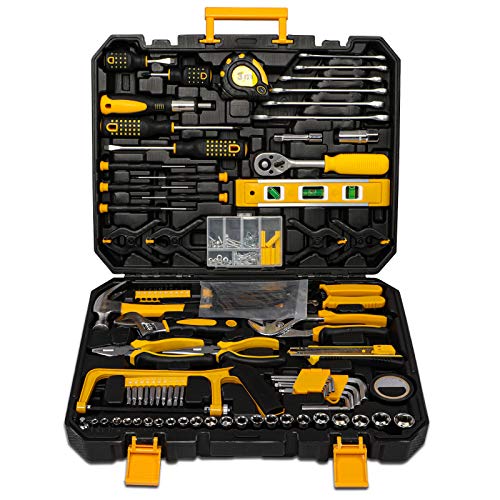
298 Piece Home Tool Kit Set for Car and Household DIY
Original price was: £45.04.£38.28Current price is: £38.28. *View On Amazon* - Tool Kits
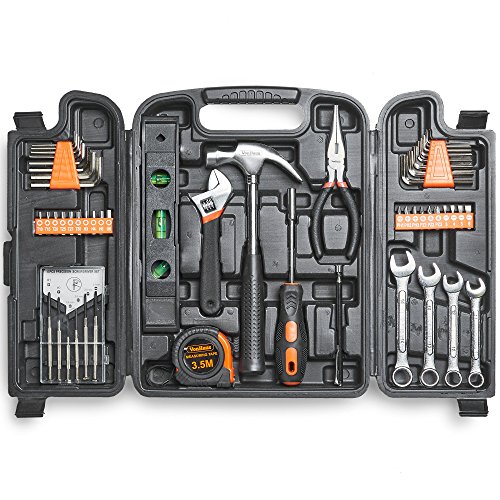
VonHaus 92pc Tool Set for Home DIY Tasks
Original price was: £34.99.£29.99Current price is: £29.99. *View On Amazon* - Tool Kits
Hi-Spec 24pc Yellow Household DIY Tool Kit
Original price was: £12.99.£11.04Current price is: £11.04. *View On Amazon* - Tool Kits
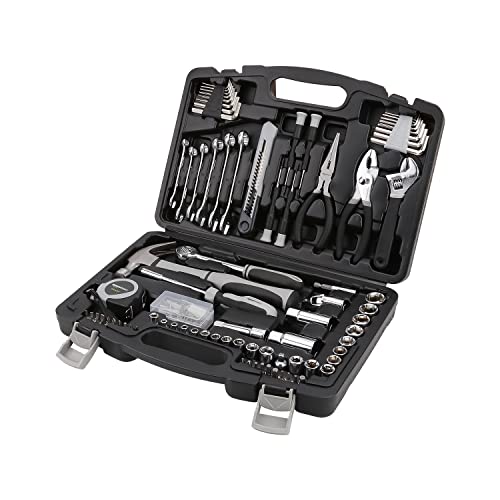
DEKO 100 Piece Home Repair Tool Set with Plastic Tool Box Storage
Original price was: £28.49.£24.22Current price is: £24.22. *View On Amazon* - Tool Kits
VonHaus Household Tool Kit 53pc for Beginners
Original price was: £25.99.£19.99Current price is: £19.99. *View On Amazon*







How to Choose the Right Tool Kit
Start by thinking about the jobs you need the kit for most often. If you mainly do light household repairs and furniture assembly, a basic hand tool kit may be enough. If you regularly work on garden projects, outdoor repairs, bikes, machinery or workshop tasks, you may need a more complete set with stronger tools and a wider range of accessories.
It is also worth checking whether the kit includes the tools you will actually use. A large tool kit may look impressive, but it is only useful if the contents match your jobs. Focus on practical tools such as screwdrivers, pliers, sockets, spanners, hex keys, measuring tools, bits and general repair essentials.
What Matters Most When Comparing Tool Kits
The main things to compare are the number of pieces, tool types, storage case, handle comfort, material quality, socket and bit sizes, and whether the kit is aimed at general DIY, mechanics, electrical work, woodworking or outdoor maintenance.
Storage is more important than many people realise. A good case keeps tools organised, protected and easier to find. If the tools fall loose every time the case is opened, the kit quickly becomes frustrating. A clear layout also helps you spot missing pieces before and after a job.
Basic Tool Kit or Larger Tool Kit?
A basic tool kit is a good choice for simple repairs, small garden jobs and occasional DIY. It is usually easier to store, lighter to carry and enough for common jobs such as tightening screws, assembling furniture or making small adjustments.
A larger tool kit is better if you do varied work and want more sizes, accessories and specialist pieces in one place. It can be useful for garden construction, repairs, vehicle tasks, workshop use and ongoing maintenance.
The trade off is portability versus coverage. A smaller kit is easier to carry and store, while a larger kit gives you more options when unexpected jobs come up.
Hand Tool Kits or Power Tool Kits?
A hand tool kit is usually the best starting point for general repairs. It can include screwdrivers, pliers, sockets, spanners, hammers, tape measures and other essentials that are useful across many everyday jobs.
A power tool kit may include cordless drills, impact drivers or other powered equipment, depending on the product. These kits can be useful for bigger garden DIY jobs, but they may need batteries, chargers, bits and more storage space.
The trade off is simplicity versus speed. Hand tool kits are straightforward and useful for smaller tasks, while power tool kits can make drilling, fastening and construction jobs quicker.
Tool Quality, Comfort and Everyday Use
A tool kit should feel practical, not just full. Look at the grip design, tool weight, tip fit, socket quality and how comfortable the tools feel in use. Poorly fitting tools can damage fixings, slip during use or make simple jobs harder than they need to be.
For regular garden and DIY work, choose a kit that feels sturdy enough for repeated use. If you only need tools for occasional repairs, a simpler set may be perfectly suitable. The important thing is choosing a kit that matches your real workload rather than buying more pieces just for the sake of it.
Storage, Organisation and Portability
A tool kit with a strong case or organiser can make DIY much easier. It keeps tools together, protects smaller pieces and makes the kit easier to move between the house, garage, shed and garden.
If you will carry the kit around regularly, check the case size, handle design and overall weight. If it will stay in one place, layout and capacity may matter more than portability. Keeping tools dry, clean and organised will help them stay ready for the next job.
Find a Tool Kit That Suits Your Jobs
Browse our range of tool kits and compare options by tool selection, case design, size, quality and intended use. Choose a kit that suits your garden DIY, repairs and everyday maintenance so you have the right tools ready when a job needs doing.
Tool Kits FAQs
What is a tool kit used for?
A tool kit is used for repairs, assembly, adjustments, maintenance and DIY jobs. It can be useful for garden projects, shed repairs, furniture assembly, household fixing and workshop tasks.
What should a basic tool kit include?
A basic tool kit often includes screwdrivers, pliers, a tape measure, sockets, spanners, hex keys, a hammer and general fixing tools. The right contents depend on the jobs you need to do.
What should I check before buying a tool kit?
Check the tools included, number of pieces, storage case, tool quality, handle comfort, socket sizes, bit types and whether the kit suits general DIY, garden work or more specialist tasks.
Is a larger tool kit always better?
Not always. A larger tool kit gives you more options, but it may include tools you rarely use. A smaller kit can be better if you want something simple, portable and easy to store.
Are tool kits good for beginners?
Tool kits can be a good choice for beginners because they provide several useful tools in one organised set. A basic general purpose kit is usually the easiest place to start.
What is the difference between a tool kit and a tool box?
A tool kit usually includes tools supplied together in a case. A tool box is mainly for storing tools, whether they are bought separately or as part of a kit.
Are power tool kits worth buying?
Power tool kits are worth considering if you regularly drill, drive screws, cut or complete larger DIY projects. For simple repairs, a hand tool kit may be enough.
Can tool kits be used for garden DIY?
Yes, tool kits can be very useful for garden DIY, especially for assembling furniture, repairing sheds, fitting brackets, adjusting gates, maintaining equipment and completing small construction jobs.
How should I store a tool kit?
Store a tool kit somewhere dry, clean and easy to access. Keep tools in their case or organiser so pieces do not get lost and sharp or delicate items stay protected.
When should I replace a tool kit?
Replace a tool kit when key tools are worn, damaged, missing or no longer suitable for the jobs you do. You may also choose to upgrade if you need stronger tools or a wider range of sizes.