
Air Conditioning Units
Air conditioning units offer powerful and reliable cooling for homes, offices, and commercial spaces, helping you stay comfortable during hot summer days and stuffy indoor conditions.
Whether you need a compact unit for a small bedroom or a high-capacity system for open-plan living, today’s air conditioners are energy-efficient, easy to install, and packed with smart features. Since 1988, we’ve helped UK customers find dependable air conditioning solutions that suit their spaces, budgets, and seasonal needs.
- Air Conditioning Units
Tanoxo 12,000 BTU Portable Air Conditioner with Digital Display, LED Temperature Control, White
£496.97 *View On Amazon* - Air Conditioning Units
Daitsu DOS-21KIDC(ASD21KI-DC) Outdoor Air Conditioner WiFi Enabled (No Installation)
£658.25 *View On Amazon* - Air Conditioning Units
Split Unit Air Conditioning Motorhome Caravan Mestic SPA-3000
£475.00 *View On Amazon* - Air Conditioning Units
12v air conditioning unit for van Portable 12V Car Truck Home Mini Air Cooler Evaporative Water Cooling Fan
£52.13 *View On Amazon* - Air Conditioning Units
Portable Air Conditioner, 9000BTU Air Conditioning Unit 3 In 1 Mobile Air Conditioners, Cooling Fan and Dehumidifier for Rooms Up to 400 Sq Ft Air Con 24H Timer Sleep Mode Window Air Conditioner
Original price was: £249.99.£219.99Current price is: £219.99. *View On Amazon*



❄️ Why Choose an Air Conditioning Unit?
Modern air conditioning units do more than cool a room — they also purify the air, control humidity, and maintain a comfortable indoor climate. They’re ideal for:
Cooling bedrooms, conservatories, home offices and lofts
Reducing humidity and improving indoor air quality
Providing consistent temperatures during heatwaves
Supporting allergy and asthma sufferers with air filtration
Enhancing productivity and sleep in hot weather
🛍️ Buying Guide: How to Choose the Right Air Conditioning Unit
| Feature | Why It Matters |
|---|---|
| Room Size & BTU Rating | BTU (British Thermal Units) measures cooling power — match it to your room size |
| Portability | Choose portable units with castors for flexible room-to-room use |
| Installation Type | Portable, wall-mounted, or split systems, depending on needs and layout |
| Noise Level | Look for units under 60 dB for bedrooms or quiet workspaces |
| Energy Efficiency | A-rated models cost less to run and reduce your carbon footprint |
| Smart Controls | Wi-Fi or app-connected units offer remote control and energy usage tracking |
🔧 Types of Air Conditioning Units
1. Portable Air Conditioners
Ideal for renters or temporary use — no permanent installation required. Just plug in and vent through a window.
2. Wall-Mounted Split Systems
Fixed, high-performance units that cool larger rooms or multiple areas with an external condenser unit.
3. Window Air Conditioners
Compact units designed for easy window mounting — suitable for small spaces.
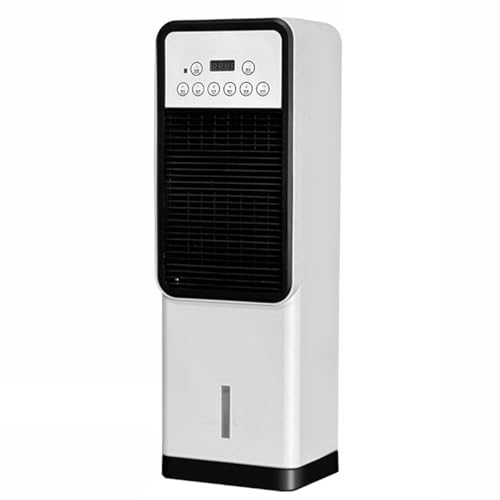
4. Tower Air Coolers (Evaporative)
Not true air conditioners, but they use water evaporation to deliver cool airflow — great for dry heat and energy saving.
📏 Sizing Guide: BTU Requirements by Room Size
| Room Size (m²) | Recommended BTU Rating |
|---|---|
| Up to 10 m² | 5,000–7,000 BTU |
| 10–20 m² | 8,000–10,000 BTU |
| 20–30 m² | 11,000–14,000 BTU |
| 30–40 m² | 15,000+ BTU |
💡 Tip: Always account for sunlight, ceiling height and device heat output when choosing a unit.
🧠 Expert Tips for Buying & Using Air Conditioners
Use blackout blinds or curtains during the day to reduce the cooling load
Always vent your portable unit properly to remove warm air
Maintain your unit by cleaning or replacing filters regularly
Use the timer or eco mode to reduce running costs overnight
For long-term cooling in large areas, consider a split system with professional installation
❌ Common Mistakes to Avoid
❌ Undersizing your unit — always match BTU to room size for effective cooling
❌ Blocking vents or placing units too close to walls
❌ Running the unit with windows open — this reduces efficiency
❌ Ignoring regular maintenance — dirty filters reduce performance and air quality
❌ Choosing a noisy unit for quiet spaces like bedrooms or nurseries
🏆 Bestselling Air Conditioning Units
12,000 BTU Portable Air Conditioner with Remote Control – Perfect for medium-sized rooms
10,000 BTU Smart Portable AC with Wi-Fi & App Control – Cool your home from your phone
Compact 7,000 BTU Air Conditioner for Bedrooms – Quiet and efficient
18,000 BTU Wall-Mounted Split System – High power for large living spaces
Eco Tower Air Cooler with Ice Chamber – Low energy cooling for dry days
Dual Hose Portable AC Unit with Dehumidifier – Fast, balanced cooling
Mobile Air Conditioner with Sleep Mode – Ideal for night-time use
Window-Mounted AC with Adjustable Louvre – Great for flats or small offices
Multi-Split Wall Unit System for Multi-Room Cooling – Professional-grade installation
Quiet 9,000 BTU Bedroom Air Conditioner with Timer – Whisper-quiet operation
❓ Air Conditioning Units – FAQs
1. What size air conditioner do I need for my room?
Match the BTU rating to your room size. For example, a 12,000 BTU unit suits a 20–30 m² space.
2. What is a portable air conditioner?
A freestanding unit you can move between rooms, vented through a window using a hose kit.
3. Do all air conditioners need to be vented?
Yes, to remove hot air. Portable units require a window or vent hole for proper operation.
4. Are air conditioners noisy?
Noise levels vary. Look for models under 60 dB for bedrooms or offices.
5. Can I use an air conditioner at night?
Yes — many models have sleep mode and timers for quieter, energy-efficient night-time use.
6. Are air conditioners expensive to run?
Energy-efficient models can be cost-effective, especially when using eco settings or timers.
7. What’s the difference between air coolers and air conditioners?
Air conditioners use refrigeration to cool air, while air coolers (evaporative) use water and fans, best for dry climates.
8. Can I install a wall-mounted unit myself?
Wall-mounted split systems usually require professional installation due to electrical and refrigerant components.
9. How do I maintain my air conditioner?
Clean filters every 2–4 weeks, check for blockages in vents, and store portable units properly in winter.
10. Can air conditioners also heat rooms?
Yes — many models include reverse cycle or heat pump modes, providing heating as well as cooling.
🌟 Final Thoughts
Air conditioning units are a smart investment for year-round comfort, especially as UK summers become warmer and more unpredictable. Whether you’re looking for a compact unit for your bedroom or a powerful split system for your home or office, our range is designed to keep you cool, efficient, and in control. Backed by over 35 years of experience, we offer trusted advice and top-rated cooling solutions tailored to every space and budget.
 Getting ready for Summer? View our Home and Garden Products

Heading outdoors this winter? Take a look at our Outdoor Clothing.
Amazon Associate Disclosure
As an Amazon Associate I earn from qualifying purchases.