
Toastie Makers
Toastie makers are kitchen appliances designed to heat, toast and seal sandwiches into warm, crisp snacks or simple meals. They are ideal for anyone who wants quick cheese toasties, filled sandwiches, lunch time snacks, easy student meals or family favourites without using a frying pan, grill or oven.
A good toastie maker can make everyday food feel more satisfying with very little effort. The right choice depends on capacity, plate design, filling depth, cleaning ease, storage size, heat up time, safety features and whether you want a basic sandwich toaster or a more flexible grill style appliance.
- Toastie Makers
TANGZON Electric Fold out Non Stick Grill with LED Touch Control
£75.90 *View On Amazon* - Toastie Makers
Karaca Tote 2 in 1 Sandwich Toaster and Waffle Maker, 1000W, Inox
£29.99 *View On Amazon* - Toastie Makers
Sandwich Toaster Deep Fill Toastie Maker Double Side Bread Frying Pan
£15.19 *View On Amazon* - Toastie Makers
Toastie Maker Double plate Multi function Breakfast Machine 750W White A
£39.87 *View On Amazon*


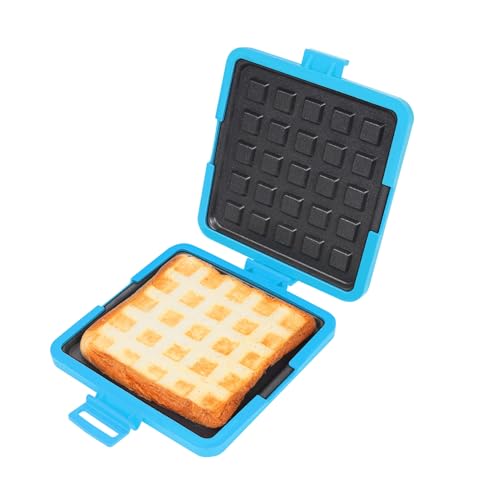


How to Choose the Right Toastie Maker
Start by thinking about how many people you normally cook for. A two portion toastie maker can suit one person, couples or smaller kitchens, while a larger model may be better for families, shared homes or anyone making several toasties at once.
Also think about the type of bread and fillings you use. Standard sliced bread works in many toastie makers, but thicker bread, larger slices and generous fillings may need deeper plates or a more spacious design. If you like filled toasties with cheese, ham, beans, vegetables or leftovers, plate depth can make a real difference.
What Matters Most When Comparing Toastie Makers
The main things to compare are portion capacity, plate shape, plate depth, non stick coating, removable plates, heat up time, locking handle, storage design and how easy the appliance is to clean.
Cleaning is one of the most important buying factors. Cheese, sauces and fillings can spill out during cooking, so a toastie maker with accessible plates, simple edges and removable parts where supplied can be much easier to live with.
Two Slice or Four Slice Toastie Maker?
A two slice toastie maker is usually best for smaller households, compact kitchens and occasional use. It takes up less worktop and cupboard space, making it easier to store between meals.
A four slice toastie maker is better for families or anyone who often makes snacks for more than one person. It can save time because you can cook more portions together.
The trade off is space versus speed. A smaller toastie maker is easier to store, while a larger model is more practical when several people want food at the same time.
Toastie Maker or Panini Press?
A toastie maker usually seals the edges of the bread and creates a filled pocket style sandwich. This is useful if you like classic cheese toasties and fillings that stay tucked inside the bread.
A panini press usually has flat or ridged grill plates and presses the sandwich rather than sealing it fully. It can be more flexible for paninis, wraps, flatbreads and larger sandwiches.
The trade off is sealed convenience versus flexibility. Toastie makers are ideal for classic filled toasties, while panini presses can suit a wider range of bread styles.
Fixed Plates or Removable Plates?
Fixed plates are common on many toastie makers and can work well if the design is easy to wipe clean. They are usually simple and practical for basic use.
Removable plates can make cleaning easier because they can be taken out of the appliance, depending on the model and product guidance. They may also allow different cooking plates to be used if the appliance includes extra options.
The trade off is simplicity versus cleaning convenience. Fixed plates can be straightforward, while removable plates may be easier after messy fillings.
Fillings, Bread Choice and Everyday Use
Toastie makers are commonly used for cheese, ham, tuna, beans, tomato, mushrooms, chicken, cooked vegetables and other suitable fillings. The key is not to overfill the sandwich, as too much filling can leak out and make cleaning harder.
Bread choice matters too. Medium sliced bread is usually easier to fit than very thick or oversized slices, but this depends on the plate size. If you prefer thicker bread or larger bakery slices, check the appliance dimensions before buying.
Heat Settings, Cooking Time and Crisp Finish
Some toastie makers have simple indicator lights, while others may include temperature control depending on the product. A basic model can be enough for everyday toasted sandwiches, but adjustable heat may be useful if you want more control over browning.
Cooking time can vary depending on the bread, filling and appliance. A good toastie maker should heat evenly enough to crisp the outside while warming the filling properly. For cheese toasties, this balance is what makes the difference between a pale sandwich and a proper golden toastie.
Safety, Storage and Practical Features
A toastie maker should feel stable on the worktop and easy to close without forcing the handle. Look for non slip feet, a locking clip, cool touch areas where supplied and a clear ready indicator.
Storage is also worth checking. Some toastie makers can be stored upright, which is useful in smaller kitchens. If cupboard space is limited, check the dimensions, cable storage and whether the appliance is light enough to move easily.
Cleaning and Maintenance
A good toastie maker should be cleaned after use once it has cooled. Wipe away crumbs, cheese and filling residue before it hardens, and follow the product guidance for cleaning the plates.
Avoid using sharp utensils that could damage non stick surfaces. If the appliance has removable plates, check whether they can be washed separately and how they should be dried before refitting.
Find a Toastie Maker That Suits Your Kitchen
Browse our range of toastie makers and compare options by capacity, plate design, filling depth, cleaning features and storage size. Choose a toastie maker that fits your kitchen, suits your household and makes hot sandwiches, quick lunches and easy snacks more convenient.
Toastie Makers FAQs
What is a toastie maker used for?
A toastie maker is used to heat, toast and often seal filled sandwiches. It is commonly used for cheese toasties, ham and cheese toasties, beans, tuna melts and quick hot snacks.
What should I check before buying a toastie maker?
Check the portion capacity, plate depth, plate shape, cleaning method, non stick surface, storage size, heat indicators, locking handle and whether it suits the bread and fillings you use.
Is a two slice or four slice toastie maker better?
A two slice toastie maker is better for smaller kitchens and occasional use. A four slice toastie maker is better for families or shared homes where several toasties are made at once.
Is a toastie maker the same as a sandwich toaster?
Yes, toastie maker and sandwich toaster are often used to describe the same type of appliance. Some models seal the edges, while others may press or grill sandwiches differently.
Can I use thick bread in a toastie maker?
Some toastie makers can handle thicker bread, but not all. Check the plate depth and size before buying if you like deep filled toasties or thicker bread slices.
Are removable plates worth having?
Removable plates can be worth having if you want easier cleaning, especially when cheese or fillings leak during cooking. Fixed plates can still be practical if they are easy to wipe clean.
What is the difference between a toastie maker and a panini press?
A toastie maker usually seals filled sandwiches into pockets, while a panini press presses and grills bread without sealing the edges in the same way. Panini presses can be more flexible for different bread types.
Can toastie makers cook anything besides sandwiches?
Some toastie makers may be suitable for other snacks depending on the plate design and product guidance. Always check the instructions before using anything other than sandwiches.
Are toastie makers easy to clean?
Cleaning ease varies by model. Look for non stick plates, removable plates where supplied and a design without awkward gaps where melted cheese or crumbs can collect.
Do toastie makers need oil or butter?
Many people butter the outside of the bread for flavour and browning, but requirements depend on the recipe and appliance. Always follow the product guidance for safe use.
Can children use a toastie maker?
Toastie makers get hot, so children should only use them with suitable adult supervision. Adults should handle plugging in, hot plates, removal of food and cleaning.
How should I store a toastie maker?
Let the toastie maker cool fully, clean the plates, close the lid and store it somewhere dry. If it can stand upright, this can help save cupboard space.
When should I replace a toastie maker?
Replace a toastie maker if the plates are badly damaged, the coating is worn, the handle or latch is unsafe, the cable is damaged or the appliance no longer heats properly.
Find our more with our Toastie Maker Buyers Guide.
 Getting ready for Summer? View our Home and Garden Products

Heading outdoors this winter? Take a look at our Outdoor Clothing.