

Tumble Dryers
Tumble dryers are laundry appliances designed to dry clothes, towels, bedding and household fabrics using heated air and controlled drum movement. They are ideal for busy homes, families, flats, winter laundry, wet weather and anyone who wants an easier way to dry washing without relying only on outdoor lines or indoor airers.
A good tumble dryer can make laundry much more manageable, especially when washing builds up quickly or clothes need to be ready sooner. The right choice depends on dryer type, drum capacity, energy use, drying programmes, noise level, sensor drying, installation needs, cleaning requirements and where the appliance will be placed.

- Tumble Dryers
4 kg Vented Tumble Dryer with 5 Drying Modes and 120 Minute Timer
£159.99 *View On Amazon* - Tumble Dryers
4 kg Vented Tumble Dryer with 5 Drying Modes and 120 Minute Timer
£159.99 *View On Amazon* - Tumble Dryers
4 kg Vented Tumble Dryer with 6 Drying Modes and Digital Control
Original price was: £169.99.£154.99Current price is: £154.99. *View On Amazon* - Tumble Dryers
Hotpoint Integrated 8kg Heat Pump Tumble Dryer with PetHairCare
£549.00 *View On Amazon* - Tumble Dryers
Waterproof Washing Machine and Tumble Dryer Cover, 60 x 60 x 85 cm
£17.99 *View On Amazon* - Tumble Dryers
Hotpoint HBD 9681 ANTI STAIN White Washer Dryer, 9 kg/6 kg, 1400 rpm
Original price was: £429.00.£399.99Current price is: £399.99. *View On Amazon* - Tumble Dryers
HOMCOM Vented Tumble Dryer 5kg Wet Laundry Capacity, Silver
Original price was: £191.99.£165.99Current price is: £165.99. *View On Amazon* - Tumble Dryers
Sealegend 2 Piece Tumble Dryer Vent Cleaner Kit
Original price was: £13.99.£9.99Current price is: £9.99. *View On Amazon* - Tumble Dryers
ROVSUN Compact 2.5 kg Vented Tumble Dryer, 850W, 4 Drying Modes
Original price was: £169.99.£149.99Current price is: £149.99. *View On Amazon* - Tumble Dryers
HOMCOM Vented Tumble Dryer 4kg Wet Laundry, 800W, Black
Original price was: £164.99.£156.74Current price is: £156.74. *View On Amazon* - Tumble Dryers
6PH1950 Tumble Dryer Drive Belt Replacement Belt
Original price was: £8.67.£8.09Current price is: £8.09. *View On Amazon* - Tumble Dryers
2-Pack Universal Dryer Vent Cleaning Kit with Vacuum Attachment
£11.99 *View On Amazon* - Tumble Dryers
FENGfxcgs 3 Piece Tumble Dryer Vent Cleaner Kit with Vacuum Attachment
Original price was: £6.59.£6.29Current price is: £6.29. *View On Amazon* - Tumble Dryers
Bonnlo 4 kg Vented Tumble Dryer with LCD Screen, White
Original price was: £179.99.£159.99Current price is: £159.99. *View On Amazon*


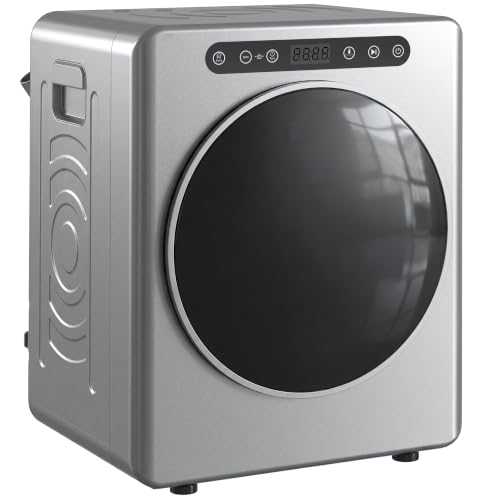


How to Choose the Right Tumble Dryer
Start by thinking about how much laundry you dry each week. A smaller tumble dryer may suit one person, couples or occasional use, while a larger drum is usually better for families, bedding, towels and bigger wash loads.
Capacity is one of the most important details to check. A dryer that is too small may mean splitting loads and using it more often. A dryer that is much larger than needed may cost more and take up unnecessary space. Match the drum size to your normal laundry routine rather than choosing purely on price or appearance.
What Matters Most When Comparing Tumble Dryers
The main things to compare are dryer type, drum capacity, energy rating, drying programmes, sensor drying, noise level, reverse action, filter access, water tank position and installation requirements.
Programmes can make a real difference in everyday use. Cotton, synthetics, delicates, towels, bedding, quick dry and cupboard dry settings may all be available depending on the model. The best tumble dryer is one that has the programmes you will actually use, not just the longest feature list.
Heat Pump, Condenser or Vented Tumble Dryer?
A heat pump tumble dryer reuses warm air during the drying process. It is often chosen for better energy efficiency, but drying cycles may take longer than some other types.
A condenser tumble dryer collects moisture in a water tank or drains it away if a suitable drain connection is used. It does not normally need an external vent hose, which can make placement more flexible.
A vented tumble dryer removes damp air through a hose to the outside. It can be simple and effective where suitable external venting is available, but it needs correct positioning near a window, wall vent or outlet.
The trade off is energy use, placement and drying speed. Heat pump dryers are usually chosen for lower running costs, condenser dryers are flexible, and vented dryers need proper ventilation.
Tumble Dryer Capacity and Load Size
Tumble dryer capacity is usually shown in kilograms. This gives a guide to how much laundry the drum can handle in one drying cycle. Larger capacities are useful for families, towels and bedding, while smaller capacities can suit lighter laundry routines.
Avoid overloading the drum. Clothes need space to move so warm air can circulate properly. Overloading can increase drying time, crease clothes more and make the dryer less effective. If you regularly dry bulky items, a larger drum may be worth considering.
Sensor Drying and Timed Drying
Sensor drying uses moisture sensors to help stop the cycle when the laundry reaches the selected dryness level. This can be useful because it may reduce unnecessary drying and help protect clothes from being heated longer than needed.
Timed drying lets you choose a set drying time. It can be useful for small loads, finishing slightly damp items or drying specific fabrics when you want more direct control.
The trade off is automation versus control. Sensor drying is convenient for everyday loads, while timed drying can be helpful for specific laundry situations.
Drying Programmes and Fabric Care
Different fabrics need different drying conditions. Cotton towels and bedding can usually handle stronger drying than delicate fabrics, synthetics or sportswear, depending on the garment care label.
Before using a tumble dryer, always check clothing labels. Some items should not be tumble dried, and others may need a lower heat or delicate setting. Choosing the right programme can help reduce shrinking, creasing and unnecessary wear.
Energy Use and Running Costs
Tumble dryers can vary a lot in energy use, so the energy rating is worth checking before buying. This is especially important if the dryer will be used several times a week.
Heat pump tumble dryers are often chosen by people who want to reduce running costs, although the appliance may cost more upfront. Condenser and vented dryers may have different purchase prices and running costs, so compare the full picture rather than looking only at the initial price.
Noise, Placement and Everyday Use
Noise level matters if the tumble dryer will be placed in a kitchen, utility room, flat, open plan space or near living areas. A quieter model can be easier to live with if you dry laundry in the evening or while working from home.
Placement depends on the dryer type. Vented dryers need a suitable route for the vent hose. Condenser and heat pump dryers need space around them and may need a water tank emptying or drain connection. Always check the product guidance before buying so the dryer suits your home setup.
Water Tanks, Drainage and Venting
Condenser and heat pump dryers usually collect water in a tank unless they can be connected to a drain. A tank that is easy to remove and empty can make everyday use much more convenient.
Vented tumble dryers need damp air to be directed outside. This means the vent hose must be positioned correctly and not blocked or crushed. If you do not have a practical way to vent outside, a condenser or heat pump model may be more suitable.
Cleaning, Filters and Maintenance
Tumble dryers need regular cleaning to work properly and safely. The lint filter should be cleaned as directed by the product guidance, often after each use. A blocked filter can reduce performance and may create a safety risk.
Condenser units, heat exchangers, water tanks and vents may also need cleaning depending on the dryer type. A dryer that is easy to access and maintain is usually better for regular household use.
Find a Tumble Dryer That Suits Your Laundry Routine
Browse our range of tumble dryers and compare options by dryer type, capacity, energy rating, programmes, noise level and installation needs. Choose a tumble dryer that suits your home, handles your laundry volume and makes drying clothes easier throughout the year.
Tumble Dryers FAQs
What is a tumble dryer used for?
A tumble dryer is used to dry clothes, towels, bedding and household fabrics after washing. It uses warm air and drum movement to dry laundry more quickly than air drying alone.
What should I check before buying a tumble dryer?
Check the dryer type, drum capacity, energy rating, programmes, sensor drying, noise level, filter access, water tank position, dimensions and installation requirements.
What is the difference between a heat pump and condenser tumble dryer?
A heat pump tumble dryer reuses warm air and is often chosen for energy efficiency. A condenser tumble dryer collects moisture in a tank or drain system and can be more flexible than a vented model.
Do tumble dryers need a vent hose?
Vented tumble dryers need a hose to remove damp air outside. Condenser and heat pump tumble dryers usually do not need an external vent hose, but they still need correct placement and ventilation around the appliance.
What size tumble dryer do I need?
The right size depends on your household and laundry volume. Smaller drums can suit lighter use, while larger drums are better for families, towels, bedding and bigger wash loads.
Are heat pump tumble dryers worth buying?
Heat pump tumble dryers are worth considering if you use a dryer regularly and want lower energy use. They can cost more upfront and may dry more slowly than some other types.
What is sensor drying on a tumble dryer?
Sensor drying uses moisture sensors to help stop the drying cycle when laundry reaches the selected dryness level. This can reduce over drying and make everyday use more convenient.
Can tumble dryers shrink clothes?
Some clothes can shrink or be damaged if tumble dried at the wrong setting. Always check the garment care label and choose a suitable programme for the fabric.
Do tumble dryers use a lot of electricity?
Electricity use varies by dryer type, energy rating, load size and programme. Heat pump models are often more energy efficient, while older or less efficient dryers may cost more to run.
Can all clothes go in a tumble dryer?
No, not all clothes are suitable for tumble drying. Check the care label before drying items such as wool, delicate fabrics, waterproof clothing, embellished garments or anything that may be heat sensitive.
Where should I put a tumble dryer?
Place a tumble dryer somewhere stable, suitable and properly ventilated according to the product guidance. Vented models need access to outside venting, while condenser and heat pump models need space for airflow and tank access.
Do tumble dryers need cleaning?
Yes, tumble dryers need regular cleaning. Lint filters, water tanks, condenser units, vents or heat exchangers may need attention depending on the model. Always follow the product guidance.
Is a condenser dryer better than a vented dryer?
A condenser dryer is more flexible because it does not need an external vent hose. A vented dryer may suit homes where outside venting is already available. The better choice depends on your space and setup.
Can tumble dryers dry bedding?
Many tumble dryers can dry suitable bedding if the drum is large enough and the care label allows tumble drying. Larger capacity dryers are usually better for bulky bedding and towels.
Are tumble dryers noisy?
Noise levels vary by model. If the tumble dryer will be used near living spaces, bedrooms or an open plan kitchen, check the noise rating before buying.
How do I reduce creases in a tumble dryer?
Avoid overloading the drum, use a suitable programme and remove laundry soon after the cycle finishes. Some tumble dryers include anti crease or reverse tumble features depending on the model.
Find out more with our Tumble Dryer Buyers Guide.
 Getting ready for Summer? View our Home and Garden Products

Heading outdoors this winter? Take a look at our Outdoor Clothing.
