

Bin Bags and Liners
Bin Bags and Liners for Cleaner Household Waste Disposal
Bin bags and liners help contain general rubbish, recycling, food waste and other suitable household waste before collection or disposal. Choosing the correct size, strength and closure can make bins easier to empty while reducing the risk of leaks, tearing and loose waste.
Browse drawstring bin bags, tie-handle sacks, pedal-bin liners, heavy-duty refuse sacks, recycling bags and food-waste caddy liners. Compare products by their dimensions, litre capacity, pack quantity, closure style, material and suitability for the waste and bin involved.
Explore Bin Bags and Liners at YPC to find practical options for kitchens, bathrooms, offices, outdoor bins and everyday household waste routines.
- Bin Bags and Liners
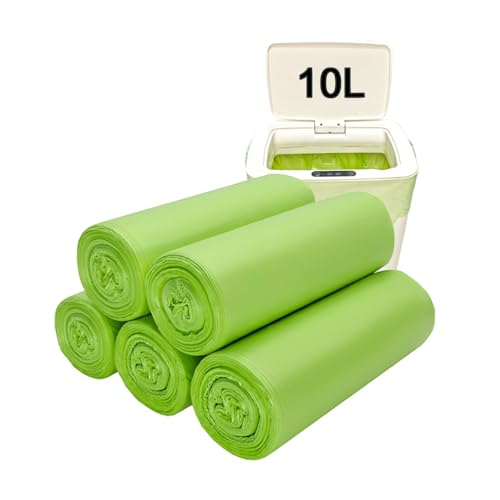
KeenKiD 10L Bin Liners 100 Pack
Original price was: £7.58.£6.44Current price is: £6.44. *View On Amazon* - Bin Bags and Liners
Fabulosa Scented Heavy Duty Drawstring Bin Bags, 50 Litre, 9 Pack Bundle
£9.99 *View On Amazon* - Bin Bags and Liners
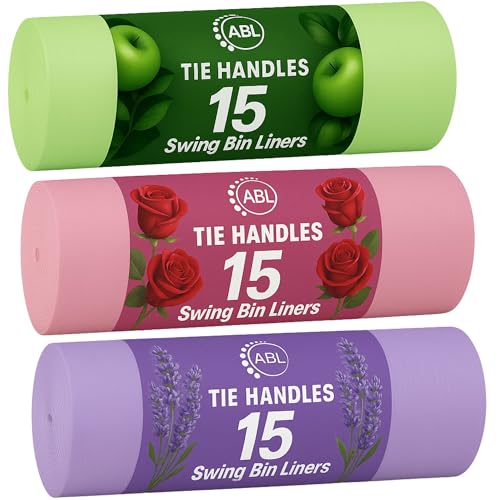
Scented 50L Swing Bin Liners, Tie Handle Bin Bags, 60cm x 94cm, 45 Bags Total
£7.99 *View On Amazon* - Bin Bags and Liners
100 Count Food Waste Bags, 20L Biodegradable Bin Liners
Original price was: £10.99.£7.49Current price is: £7.49. *View On Amazon* - Bin Bags and Liners
6L Bin Bags, 40 Count, White, Light Duty
Original price was: £3.99.£3.49Current price is: £3.49. *View On Amazon* - Bin Bags and Liners
Tidyz White Plastic Bin Bags for 15L Pedal Bin, 240 Bags Total
£8.99 *View On Amazon* - Bin Bags and Liners
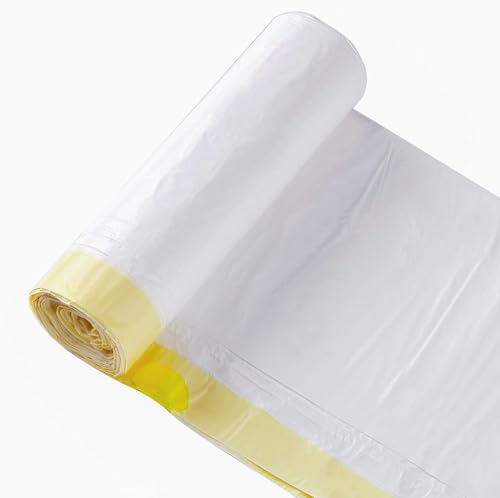
Relevo 30 Litre Yellow Bin Bags with Drawstrings, 45 Pack
£16.32 *View On Amazon* - Bin Bags and Liners
simplehuman Code Q Custom Fit Liners, Extra Large, White, 60 Count
£28.00 *View On Amazon* - Bin Bags and Liners
HooriPoori 240 L Compostable Wheelie Bin Liners, 10 Pack
Original price was: £12.99.£8.95Current price is: £8.95. *View On Amazon* - Bin Bags and Liners
Brabantia 138829 PerfectFit Bin Liners Size M 60 Litre 40 Bags White
Original price was: £18.25.£11.99Current price is: £11.99. *View On Amazon* - Bin Bags and Liners
Kordis 180 Pedal Bin Liners, 6 Rolls of 30 Bags, 53 x 70cm
£12.89 *View On Amazon* - Bin Bags and Liners
Compost Bin Bags 3L-6L Food Waste Bags, 120 Count, Green
Original price was: £7.99.£5.89Current price is: £5.89. *View On Amazon* - Bin Bags and Liners
Brabantia 100253 PerfectFit Bin Liners Size V 2-3 Litre, White, 40 Bags
£5.50 *View On Amazon* - Bin Bags and Liners
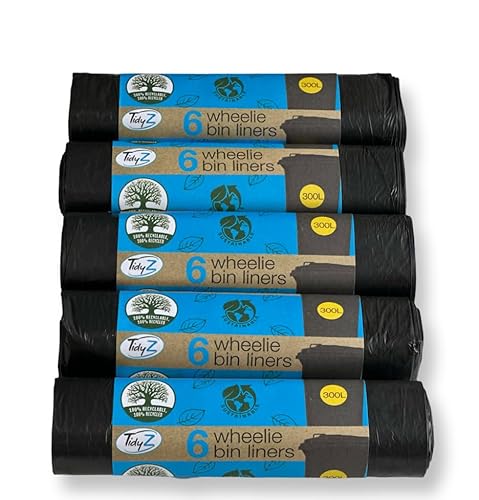
Tidyz 30 Extra Large Wheelie Bin Liners 300L
Original price was: £8.10.£7.80Current price is: £7.80. *View On Amazon* - Bin Bags and Liners
SONGMICS Drawstring Bin Liners 30L Code 30A White, 2 Rolls, 90 Pieces, KRB30A02
£13.99 *View On Amazon* - Bin Bags and Liners
60 Extra Strong Scented Bin Liners 15L Lavender and Vanilla, 2 Rolls of 30
£6.29 *View On Amazon*






How to Choose Bin Bags and Liners
Bin bags and liners sit inside compatible bins to contain household rubbish and make waste easier to remove and carry. They can help protect the inside of a bin from spills, food residue and loose debris when used correctly.
The right liner depends on the bin’s internal dimensions, the type and weight of the waste and how the bag will be closed and carried.
Check the stated bag width, length and capacity before ordering. Two liners described with the same litre rating can fit very differently depending on the shape of the bin and the amount of material needed to fold over the rim.
Types of Bin Bags and Liners
Standard Bin Bags
Standard bin bags are suitable for everyday lightweight household rubbish where listed.
They may be used in kitchens, bedrooms, bathrooms and offices, depending on their size and strength. Check the dimensions rather than relying only on descriptions such as small, medium or large.
Avoid using lightweight bags for sharp packaging, dense waste or heavy liquids.
Drawstring Bin Bags
Drawstring bags include a cord or tape around the opening that can be pulled to close the liner.
The drawstring can make the bag easier to tie and carry, provided the contents remain within the stated load. It may also help secure the liner around compatible bin rims.
Do not lift an overloaded bag solely by the drawstring, as the material or closure may tear.
Tie-Handle Bin Bags
Tie-handle bags include extended sections at the top that can be tied together after filling.
They provide a simple closure and can make the liner easier to remove from a bin. The handles also require additional bag length, so check that the main body provides enough capacity for the intended bin.
Leave enough unused material at the top to tie the handles securely.
Swing-Bin Liners
Swing-bin liners are designed for compatible bins with swing-top lids.
Check the complete bag dimensions and make sure the liner does not interfere with the lid mechanism. Excess material around the rim may catch as the swing section moves.
Choose sufficient strength for the type of waste being collected.
Pedal-Bin Liners
Pedal-bin liners are shaped or sized for common pedal-bin capacities.
A close-fitting liner can remain hidden beneath the lid and reduce the chance of loose material obstructing the pedal or hinge.
Check the inner-bucket dimensions where the bin includes a removable insert. The liner needs to fit the bucket rather than the larger outer shell.
Slim-Bin Liners
Slim-bin liners are designed for tall, narrow containers.
Their shape can provide a better fit than a wide standard refuse sack, reducing excess material around the rim. Check the bag length carefully because tall bins require enough liner to reach the base without stretching.
A narrow liner can still become heavy when filled with dense rubbish.
Bathroom Bin Liners
Bathroom liners are generally smaller and may suit compact pedal bins, swing bins and waste-paper baskets.
They can help contain tissues, personal-care packaging and other suitable household rubbish. Select a bag that fits neatly without preventing the lid from closing.
Sanitary products and other personal waste should be wrapped or contained as appropriate before disposal.
Waste-Paper Bin Liners
Waste-paper bin liners can make small office and bedroom bins easier to empty.
A liner may not be necessary where the bin contains only clean, dry recyclable paper. Plastic bags may need to be removed before paper is transferred to a recycling container.
Check local recycling guidance before placing bagged paper into an outdoor recycling bin.
Heavy-Duty Refuse Sacks
Heavy-duty refuse sacks are designed for more demanding household or garden tasks where listed.
They may be more suitable for dense rubbish, larger packaging and heavier cleaning waste. Heavy-duty wording does not mean the bag is puncture-proof or suitable for hazardous substances.
Sharp objects should still be wrapped or placed in an appropriate rigid container.
Rubble and Builders’ Sacks
Rubble sacks are stronger bags intended for certain heavy DIY waste, depending on the individual product.
They may be suitable for small amounts of rubble, broken plaster or other listed materials. Weight limits can be reached long before the bag appears full.
Check local disposal arrangements because construction and renovation waste may not be accepted through ordinary household collections.
Recycling Bags
Recycling bags can help collect paper, cardboard, tins, cans, plastics and other materials accepted by the relevant local service.
Some are reusable carrying bags, while others are disposable sacks supplied or approved by a council. Check whether recycling must be presented loose, inside a particular bag or within a designated outdoor bin.
Do not assume that a clear or coloured sack is accepted by every collection service.
Clear Bin Bags
Clear bags make the contents visible.
They can be useful for sorting recycling or checking waste before disposal. Some workplaces and organised events may also use clear bags where visibility is required.
Check the intended use and local collection rules before choosing transparent sacks.
Coloured Bin Bags
Coloured bags can help separate waste streams or distinguish bins used in different rooms.
Colour meanings are not universal. A black, blue, green or clear bag may represent different types of waste under different council or workplace systems.
Use written labels alongside colours where household members could become confused.
Food-Waste Caddy Liners
Food-caddy liners are designed for compatible indoor or outdoor food-waste containers.
Local authorities may require council-supplied bags, certified compostable liners, paper liners, newspaper or no liner at all. A product described as biodegradable is not automatically accepted.
Check current local collection guidance and choose the correct liner size for the caddy.
Compostable Bin Liners
Compostable liners are intended to break down under particular composting conditions where appropriately certified and accepted.
Some require industrial composting facilities and may not break down effectively in ordinary home compost bins. They should not automatically be placed in plastic recycling.
Check the product certification and local food-waste rules before use.
Biodegradable Bin Bags
Biodegradable bags are formulated to break down under certain conditions, but the term does not necessarily mean the product is suitable for composting or food-waste collection.
The required conditions and timeframes vary. Follow the manufacturer’s disposal instructions and current local guidance.
Do not place a biodegradable bag into recycling unless it is specifically accepted.
Scented Bin Bags
Scented bags contain an added fragrance intended to help mask certain waste smells.
Fragrance does not remove bacteria, residue or the source of an odour. Bins still need regular emptying and cleaning.
Strong scents may be unsuitable for some households, particularly around people or pets sensitive to fragrance.
Antibacterial Bin Bags
Some liners include a stated antibacterial treatment.
Check the exact claim and product instructions. An antibacterial liner does not replace handwashing, safe waste handling or regular bin cleaning.
Do not assume that it makes hazardous, medical or contaminated waste safe for ordinary disposal.
Recycled-Plastic Bin Bags
Some bin bags are made partly or fully from recycled plastic.
Check the specific product information for the stated recycled content and intended use. Material origin alone does not determine strength or suitability for a particular waste type.
Choose a bag capable of containing the intended rubbish safely.
Wheelie-Bin Liners
Wheelie-bin liners are large sacks designed to fit compatible outdoor bins.
They may help contain loose residue inside the bin, although local collection rules can restrict how waste must be presented. An oversized liner can interfere with lifting equipment or become trapped during emptying.
Check both the wheelie-bin dimensions and council guidance before use.
Garden Waste Bags
Garden waste bags may be disposable sacks or reusable containers for leaves, grass and suitable garden material.
Wet grass, soil and cuttings can become extremely heavy. Do not overfill the bag or include materials excluded by the local garden-waste scheme.
Reusable garden bags should be emptied, cleaned and dried before storage.
Nappy-Bin Liners and Refills
Nappy-bin systems may use standard bags, fitted liners or proprietary refill cartridges.
Check compatibility with the exact bin model before ordering. Refill systems can vary in length, fitting and closure method.
Keep liners, cartridges and used nappies securely away from babies, children and pets.
Pet-Waste Bags
Pet-waste bags are designed for collecting and containing suitable animal waste.
They should be used according to the product instructions and local disposal rules. Do not flush them unless this is explicitly permitted by both the product and wastewater service.
Wash your hands after handling pet waste, even when a bag has been used.
Important Buying Considerations
Bag Width
The bag needs enough width to open around the bin rim without excessive stretching.
For a round bin, the liner must accommodate the diameter and the sides. For rectangular bins, it must fit around the full opening rather than matching only one measurement.
Check the product’s stated width or opening circumference where provided.
Bag Length
The liner should reach the bottom of the bin while leaving enough material to fold over the rim and close after use.
A bag that is too short may fall inside the bin. An excessively long liner can create unnecessary folds that trap waste or interfere with an inner bucket.
Check the depth of the bin before ordering.
Litre Capacity
Litre ratings provide a general guide but do not guarantee fit.
Bin and bag shapes vary, and a tall narrow bag can behave differently from a shorter wide sack with a similar volume. Use the physical dimensions as the main fitting guide.
Where available, follow the bin manufacturer’s recommended liner size.
Bag Strength
Strength can be influenced by material, thickness, seams, stretch and manufacturing method.
A thicker-looking bag is not automatically stronger in every direction. Some liners are designed to stretch around soft waste, while others are intended for denser contents.
Choose the product according to its stated use rather than appearance alone.
Puncture Resistance
Sharp tins, broken packaging, splintered wood and rigid corners can puncture ordinary liners.
Even heavy-duty sacks are not guaranteed to resist every sharp object. Wrap or contain dangerous items using the correct disposal method.
Never place loose needles, blades or broken glass into an ordinary bin bag.
Tear Resistance
A liner can tear when it is stretched around an oversized bin, dragged across a rough surface or filled beyond its capacity.
Check the seams and closure before lifting the bag. Replace any liner that is already split or damaged.
Do not pull a full bag past sharp inner-bucket edges.
Closure Type
Common closures include:
- Drawstrings
- Tie handles
- Twist ties
- Built-in tabs
- Adhesive closures
- Fold-over tops
- No closure
Choose a closure that can contain the waste securely while remaining easy to use.
Pack Quantity
Compare the number of bags included and the expected frequency of use.
Larger packs may suit regularly emptied kitchen and bathroom bins. Smaller packs can be more practical when testing whether a liner fits a particular bin.
Check whether the rolls contain perforated bags that separate cleanly.
Material
Bin bags are commonly made from different forms and blends of plastic, including virgin or recycled material.
Material composition can affect stretch, feel and durability. Compostable and paper liners behave differently and may need more frequent emptying.
Choose a material appropriate for the waste and disposal route.
Colour
Bag colour can support household sorting but should not be relied upon without labels.
Opaque bags hide the contents, while clear liners make contamination and prohibited items easier to identify.
Some local services specify an approved bag colour.
Fragrance
Fragranced liners may help mask mild smells, but they can be overpowering in small rooms.
Consider household sensitivities and whether the liner will be used close to food preparation, bedrooms or pet areas.
Fragrance does not indicate greater strength or hygiene performance.
How to Measure a Bin for a Liner
Measure the bin’s internal opening, depth and shape.
For a rectangular bin, record the width and depth across the top. For a round bin, measure the diameter at its widest point.
The liner needs enough material to:
- Open fully around the rim.
- Reach the base.
- Fold over the upper edge.
- Hold the intended waste.
- Close securely after removal.
If the bin has an inner bucket, measure that component rather than the decorative outer shell.
Branded or Universal Bin Liners
Branded or model-specific liners are shaped for particular bins and may fit neatly around liner-retaining rings and inner buckets.
Universal liners can suit a range of bin sizes and may be easier to source. Their fit may be looser or require more material around the rim.
Check dimensions and fitting requirements before choosing either option.
Drawstring or Tie-Handle Bin Bags
Drawstring bags close quickly and can be easy to carry when used within their stated capacity.
Tie-handle bags provide two or more sections that can be tied together. They may offer greater control over the closure but require enough unused material above the rubbish.
The most suitable choice depends on the bin shape, waste and personal preference.
Standard or Heavy-Duty Bin Bags
Standard liners are suitable for lightweight everyday rubbish where listed.
Heavy-duty sacks may be more appropriate for denser waste and demanding household jobs. They cost more and can use additional material.
Use the lightest suitable bag that can contain the waste safely without tearing or leaking.
Disposable Bags or Reusable Bin Liners
Disposable liners can simplify emptying and reduce direct contact with the bin interior.
Reusable washable liners may reduce repeated bag use in suitable dry-waste applications. They need thorough cleaning and drying after emptying and may be unsuitable for food, sanitary or contaminated waste.
Choose according to hygiene needs, waste type and local disposal arrangements.
Choosing Liners for Kitchen Bins
Kitchen liners may need to contain food packaging, general rubbish and small amounts of wet residue.
Select a bag strong enough for the expected weight and correctly sized for the inner bucket. Avoid allowing liquids, hot fat or sharp metal to collect inside.
Empty the bag before food residue creates leaks, odours or excessive weight.
Choosing Liners for Bathroom Bins
Bathroom liners are often smaller and used for tissues and personal-care waste.
Check that the liner remains hidden beneath the lid and does not obstruct the pedal or swing mechanism.
Do not dispose of medicines, batteries, sharps or electrical items inside an ordinary bathroom liner.
Choosing Liners for Office Bins
Office and bedroom waste-paper baskets may only require lightweight liners where general rubbish is collected.
For clean paper recycling, a liner may be unnecessary or need removing before collection.
Confidential documents require secure disposal rather than an ordinary transparent or open waste bag.
Choosing Liners for Outdoor Bins
Outdoor-bin liners need to match the full internal dimensions of the container.
Check whether local collection services allow or recommend them. A liner should not cover official lifting points, become trapped around wheels or prevent the lid from closing.
Avoid allowing rainwater to collect inside a large outdoor liner.
Choosing Bags for Recycling
Use bags only where they are accepted by the relevant recycling service.
Some councils provide authorised clear sacks, while others require materials to be placed loose in a wheelie bin or box.
Do not place ordinary black refuse sacks into recycling unless local guidance permits them.
Choosing Food-Caddy Liners
Match the liner to the caddy volume and approved collection specification.
A bag that is too large can fold into the contents and prevent ventilation. A bag that is too small may stretch, tear or fall into the caddy.
Food-caddy liners often weaken as they absorb moisture, so empty them regularly.
Choosing Garden Waste Bags
Garden waste can be bulky, abrasive and heavy.
Use a bag listed for the intended material and do not include stones, soil or large branches unless permitted. Wet grass can make even a partially filled bag difficult to lift.
Reusable garden bags with reinforced handles may be more suitable for carrying material around the garden.
Fitting a Bin Bag Correctly
Open the bag fully before placing it inside the bin.
Push the base gently down without stretching or puncturing the material. Remove trapped air between the bag and bin so the liner sits against the sides.
Fold enough material over the rim to keep the bag secure. Use the retaining ring, clips or liner holder where supplied.
Keep excess material away from pedals, sensors, catches and hinges.
Preventing a Liner Falling into the Bin
Choose a bag wide enough to fold securely over the rim.
Liner-retaining rings, elastic edges and clips can help where compatible. Avoid placing heavy waste against one side before the bag has settled into the bin.
Do not stretch a small liner around a larger container.
Preventing Bags from Splitting
Choose the correct strength and avoid exceeding the stated capacity.
Reduce the risk of splitting by:
- Wrapping sharp packaging
- Draining liquids
- Avoiding overfilling
- Supporting the base while lifting
- Removing the bag slowly
- Keeping it away from rough edges
- Using both handles
- Dividing heavy waste
- Checking seams before carrying
- Avoiding hot materials
A second outer bag may contain a minor leak, but it does not make hazardous waste safe.
Preventing Leaks
Do not pour liquid waste directly into an ordinary bin liner.
Allow food containers to drain and place messy waste inside suitable sealed packaging where permitted. Replace a bag immediately if it becomes punctured.
Clean the bin and surrounding floor after any leak.
Removing a Full Bin Bag
Check the weight and condition of the bag before lifting it.
Release the liner from the rim and pull it upwards slowly. Support the base where necessary and keep the bag away from clothing and clean surfaces.
Tie or close the bag according to its design. Do not continue adding waste after removal.
Carrying Bin Bags Safely
Carry the bag using the intended handles or drawstring while supporting heavy contents where practical.
Do not allow it to drag across floors, paths or steps. A rough surface can puncture the base.
Use smaller loads if the bag blocks your view or feels difficult to carry.
Avoiding Overfilling
Leave enough unused liner to close the bag securely.
An overfilled bag can tear, leak and prevent the bin lid from closing. Waste rising above the rim can also attract pests and fall onto surrounding surfaces.
Empty the bag before it becomes tightly stretched.
Sharp and Broken Items
Broken glass, blades, needles and sharp metal require appropriate rigid containment and disposal.
Do not hide sharp objects inside tissues, cardboard or ordinary bin bags where they could injure household members or waste workers.
Follow local guidance for sharps, broken glass and dangerous household waste.
Hot Waste
Never place hot ash, charcoal, cooking oil or smouldering waste into a bin bag.
Plastic bags can melt or ignite, and paper or compostable liners can burn.
Allow materials to cool fully and use the correct disposal route.
Household Chemicals
Do not pour unwanted bleach, drain cleaner, paint, solvents or other chemicals into bin liners.
Keep chemicals in their original labelled containers and follow local hazardous-waste guidance.
Mixing leaking products inside a rubbish bag can create dangerous fumes or reactions.
Batteries and Electrical Waste
Batteries, disposable vapes and electrical products can create fire risks in refuse and recycling systems.
Use retailer take-back points, council recycling centres or authorised electrical-waste collections.
Do not conceal batteries inside general rubbish bags.
Medicines and Clinical Waste
Unused medicines should normally be returned through an appropriate pharmacy or healthcare service.
Needles, sharps and clinical waste require authorised containers and disposal arrangements.
Ordinary household bin liners are not suitable for these materials.
Bin Bags Around Children
Plastic bags can present suffocation and entanglement risks.
Store unused bags securely away from babies and children. Do not allow children to play with, wear or climb inside liners.
Keep full rubbish bags out of reach and dispose of them promptly.
Bin Bags Around Pets
Pets may tear bags, eat food waste or swallow pieces of plastic.
Store unused rolls and filled bags securely. Do not leave rubbish bags beside bins or doors where animals can access them.
Keep pet waste and harmful food scraps properly contained.
Storing Bin Bags and Liners
Keep unused bags in a dry cupboard away from heat, sunlight and sharp objects.
Store rolls inside their packaging or a compatible dispenser so bags do not unravel or become contaminated.
Keep food-caddy liners away from moisture because they may begin weakening before use.
Bin-Bag Dispensers
Dispensers can keep rolls organised inside cupboards, drawers and utility rooms.
Check the supported roll width and whether perforated bags can be removed without tearing the next liner.
Install wall-mounted dispensers using suitable fixings and keep plastic bags away from children.
Environmental Considerations
Using the correct size and strength can reduce unnecessary material use and prevent double-bagging caused by frequent splits.
Recycled-plastic, compostable and biodegradable bags have different properties and disposal requirements. No single option is suitable for every waste stream.
Assess specific product information and local collection guidance rather than relying on broad environmental wording.
Compostable or Recycled-Plastic Liners
Compostable liners can be appropriate for approved food-waste services but may not suit general rubbish or long storage periods.
Recycled-plastic bags can use recovered material and may suit ordinary household waste where sufficiently strong.
Choose according to the waste and accepted disposal route rather than treating either option as universally preferable.
Can Bin Bags Be Recycled?
Used bin bags are often contaminated and may not be accepted through household plastic recycling.
Unused clean bags, outer packaging and particular film products may be handled differently depending on local facilities.
Check current council or retailer collection guidance before recycling plastic film.
Reusing Bin Bags
A clean, undamaged bag used only for dry paper or packaging may sometimes be suitable for reuse.
Do not reuse bags that have contained food waste, sanitary waste, pet waste, chemicals or leaking rubbish.
Inspect the liner for holes, stretched seams and contamination before any second use.
Cleaning Reusable Liners
Empty reusable liners completely and wash them according to their care instructions.
Use suitable gloves where required and clean seams, handles and closures carefully. Allow the liner to dry fully before storing or refitting it.
Stop using a reusable liner that remains odorous, damaged or difficult to clean.
Preventing Bin Odours
A liner helps contain waste but does not replace regular emptying and cleaning.
To reduce smells:
- Remove food waste frequently
- Drain liquids
- Close bags securely
- Use a lidded bin
- Clean spills promptly
- Wash the inner bucket
- Keep the bin away from heat
- Maintain ventilation
- Replace damaged liners
- Use fragrance products only as directed
Persistent smells usually indicate residue or waste remaining inside the bin.
Cleaning after a Bag Leak
Wear suitable gloves and remove the damaged liner carefully.
Deal with the waste according to its type and avoid mixing cleaning chemicals. Wash the bin using a suitable method and clean the surrounding surface.
Allow everything to dry before fitting a replacement bag.
Bin-Liner Safety in Sensor and Pedal Bins
Keep loose liner material away from sensors, hinges and pedal mechanisms.
Excess bag around the rim can prevent a lid from closing or cause the liner to be pulled into moving parts.
Use the bin’s retaining system where provided and check the mechanism after fitting a new liner.
Liners for Multi-Compartment Bins
Measure each inner bucket separately.
Compartments within one bin may use different liner sizes. The food-waste section may also require a different material from general rubbish or recycling.
Use labels or store replacement rolls separately to reduce fitting mistakes.
Coloured Bags for Household Sorting
Households may use different colours for general waste, recycling, garden rubbish and cleaning tasks.
Create a consistent system and explain it to everyone using the bins. Do not allow household colours to override council requirements.
Labels provide clearer guidance than colour alone.
Commercial and Workplace Bin Liners
Businesses and workplaces may generate larger volumes and different waste types from ordinary households.
Choose bags compatible with the workplace bin, waste contract and health-and-safety arrangements. Hazardous, clinical and confidential waste require authorised systems.
Household liners may not provide sufficient capacity or certification for commercial use.
When to Replace or Discard Unused Bags
Dispose of unused bags that have become:
- Brittle
- Stuck together
- Perforated
- Contaminated
- Damaged by heat
- Split along seams
- Affected by pests
- Degraded by sunlight
- Difficult to separate
- Unsuitable for the intended bin
Use the appropriate local disposal route for the material.
Useful Bin Bag and Liner Accessories
Useful additions may include:
- Bag dispensers
- Liner-retaining rings
- Bin clips
- Twist ties
- Drawstring closures
- Food-caddy frames
- Protective gloves
- Recycling labels
- Inner buckets
- Bin-cleaning brushes
- Replacement filters
- Outdoor-bin clips
Check dimensions and compatibility before buying accessories for a particular bin or liner.
Why Buy Bin Bags and Liners from YPC?
At YPC, we understand active lifestyles and the need for practical products that work in real use. Our Bin Bags and Liners category makes it easier to compare drawstring, tie-handle, heavy-duty, recycling and food-caddy options for different household bins.
Browse the available products and compare dimensions, capacity, closure, material and intended waste type to find bags and liners suited to your bins and disposal routine.
Frequently Asked Questions
How do I choose the correct bin-bag size?
Measure the bin’s internal width, depth and height. Choose a liner wide enough to fit around the rim and long enough to reach the base with material left for closure.
Are drawstring bags better than tie-handle bags?
Drawstrings provide quick closure, while tie handles offer separate sections that can be knotted. The better option depends on the bin shape, waste and personal preference.
Can ordinary bin bags be used for food-waste collections?
Only where the local collection service permits them. Many schemes require council-supplied or certified compostable liners, newspaper or no bag.
Can recycling be placed inside a black bin bag?
This depends on local rules, but many collection services require recycling to be loose or presented in an approved clear or coloured sack. Check current council guidance.
Are heavy-duty bin bags puncture-proof?
No. They may provide greater strength, but sharp glass, blades and metal can still puncture them. Use an appropriate rigid container and disposal method for dangerous items.
 Getting ready for Summer? View our Home and Garden Products

Heading outdoors this winter? Take a look at our Outdoor Clothing.
