

Cleaning Cloths and Microfibre Cloths
Cleaning Cloths and Microfibre Cloths for Everyday Home Care
Cleaning cloths and microfibre cloths help remove dust, spills, grease, fingerprints and everyday dirt from suitable household surfaces. Choosing the right material, texture and size can make cleaning easier while reducing the risk of scratching glass, polished finishes or delicate surfaces.
Browse microfibre cloths, polishing cloths, dusting cloths, dishcloths, window cloths and general-purpose cleaning cloths. Compare products by their intended use, absorbency, texture, dimensions, pack quantity and washing instructions.
Explore Cleaning Cloths and Microfibre Cloths at YPC to find practical options for kitchens, bathrooms, windows, furniture, vehicles and general household cleaning.
- Cleaning Cloths and Microfibre Cloths
Vileda Professional Microfibre Cloth PVA Micro Yellow 5 Pack Streak-Free
£18.45 *View On Amazon* - Cleaning Cloths and Microfibre Cloths
HOTUT 8 x Microfibre Glass Cloths, 40 x 30 cm, Lint Free
£7.99 *View On Amazon* - Cleaning Cloths and Microfibre Cloths
carebymail Microfibre Cleaning Cloth Pack of 10, 40 x 40cm, Orange
£8.99 *View On Amazon* - Cleaning Cloths and Microfibre Cloths
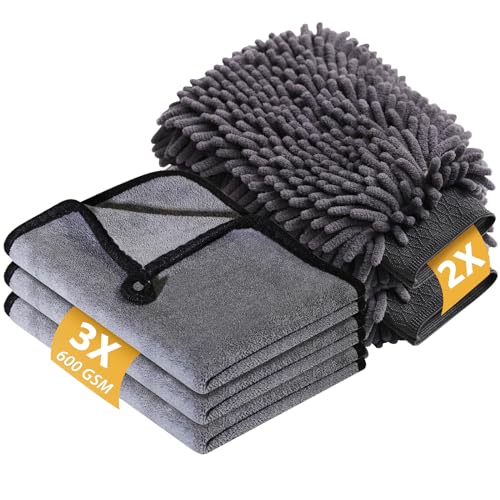
KEYAYE 5-Piece Car Washing Kit with 3 Microfibre Cleaning Cloths and 2 Microfibre Car Wash Mitts, 600GSM, 40 x 30cm
£9.99 *View On Amazon* - Cleaning Cloths and Microfibre Cloths
MTS Microfibre Cleaning Cloths 10 Pack 30 x 30 cm
£6.99 *View On Amazon* - Cleaning Cloths and Microfibre Cloths
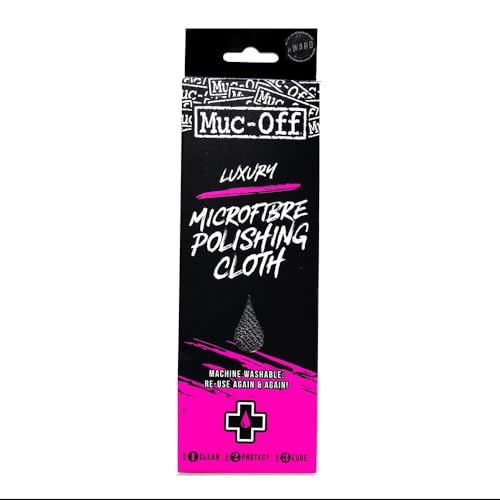
Muc-Off Luxury Microfibre Polishing Cloth
Original price was: £8.31.£7.34Current price is: £7.34. *View On Amazon* - Cleaning Cloths and Microfibre Cloths
Goodyear Microfibre Window Cloth for Windscreens, Windows and Mirrors
£4.07 *View On Amazon* - Cleaning Cloths and Microfibre Cloths
E&C Life Microfibre Cleaning Cloths for Kitchen, 6 Piece Set
£9.99 *View On Amazon* - Cleaning Cloths and Microfibre Cloths
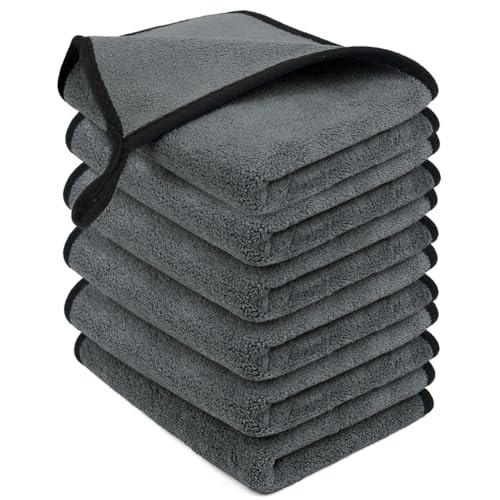
Adiwo Microfibre Cleaning Cloths 6 Pack 40 x 30cm
£8.59 *View On Amazon* - Cleaning Cloths and Microfibre Cloths
Huglux 30 x 30 cm Microfibre Cloths 3 Pack, 600 GSM
£4.59 *View On Amazon* - Cleaning Cloths and Microfibre Cloths
K&F CONCEPT Premium Microfiber Cleaning Cloths, 10 Pack, 6 x 7 inches
Original price was: £7.29.£6.19Current price is: £6.19. *View On Amazon* - Cleaning Cloths and Microfibre Cloths
Clay Roberts Microfibre Cleaning Cloths 40cm x 30cm Pack of 5 Pink
£6.79 *View On Amazon* - Cleaning Cloths and Microfibre Cloths
KleanToday 6 Pack Microfiber Cleaning Cloths 12.6 x 12.6 in
Original price was: £6.99.£5.94Current price is: £5.94. *View On Amazon* - Cleaning Cloths and Microfibre Cloths
Brabantia Sinkside Microfibre Dish Cloths, Set of 2, Soft Beige
Original price was: £3.50.£2.80Current price is: £2.80. *View On Amazon* - Cleaning Cloths and Microfibre Cloths
1ABOVE Microfibre Cleaning Cloths 20 Pack 30 x 30cm
£7.51 *View On Amazon* - Cleaning Cloths and Microfibre Cloths
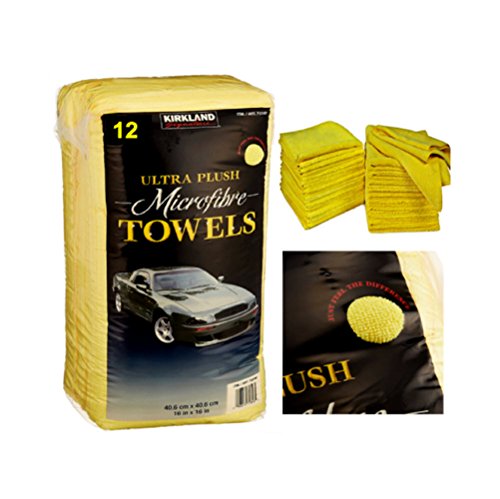
Kirkland Signature 12 Ultra Plush Microfibre Cloths, Yellow, 40.6 x 40.6 cm
£9.86 *View On Amazon* - Cleaning Cloths and Microfibre Cloths
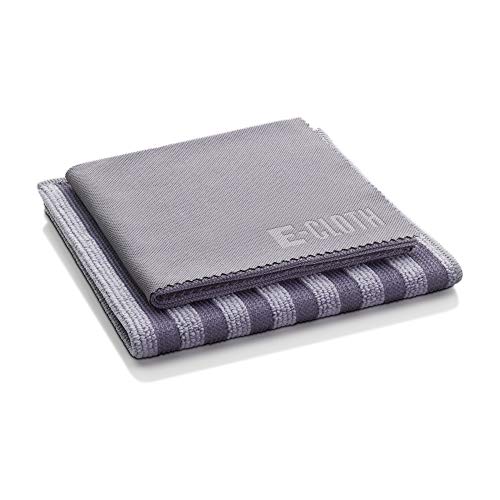
E-Cloth Stainless Steel Cleaning Kit
Original price was: £9.49.£8.40Current price is: £8.40. *View On Amazon* - Cleaning Cloths and Microfibre Cloths
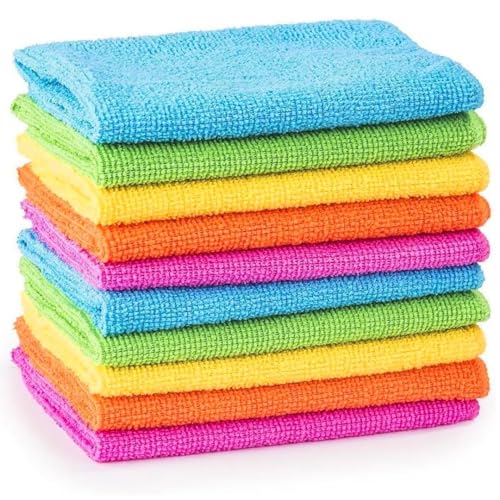
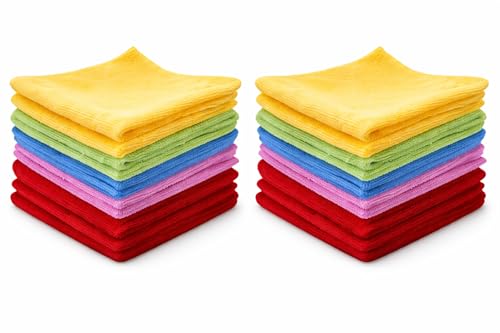
Zuvo Microfibre Cleaning Cloth 12 Pack, 32 x 32 cm, Assorted
Original price was: £7.99.£6.99Current price is: £6.99. *View On Amazon* - Cleaning Cloths and Microfibre Cloths
5 Pack Anti-Static Microfibre Record Cleaning Cloths for LP, CD, DVD
Original price was: £5.59.£5.45Current price is: £5.45. *View On Amazon* - Cleaning Cloths and Microfibre Cloths
Oavie 5 Pack Magic Cleaning Cloths 20 x 25cm
£4.99 *View On Amazon* - Cleaning Cloths and Microfibre Cloths
8 Pack Microfibre Cotton Cleaning Cloths 30 x 30 cm
£3.75 *View On Amazon* - Cleaning Cloths and Microfibre Cloths
Exel Lint Free Microfibre Cleaning Cloths, Blue, Pack of 10
£9.45 *View On Amazon* - Cleaning Cloths and Microfibre Cloths
AIDEA Microfibre Cleaning Cloths 24 Pack, 30 x 30 cm
Original price was: £12.99.£8.99Current price is: £8.99. *View On Amazon*








How to Choose Cleaning Cloths and Microfibre Cloths
Cleaning cloths are used to collect dust, absorb spills, apply cleaning products and wipe residue from household surfaces. Different materials and weaves are suited to different tasks, so one cloth may not be ideal for every room or finish.
Start by considering what you need to clean. A soft polishing cloth may suit glass and shiny surfaces, while a thicker, more absorbent cloth may be better for kitchen spills or general wiping.
Check the product description for intended surfaces and care instructions. Even a soft-looking cloth can cause marks if it contains trapped grit or is used on an unsuitable finish.
Types of Cleaning Cloths
General-Purpose Microfibre Cloths
General-purpose microfibre cloths can be used for dusting, wiping and light household cleaning on compatible surfaces. Their fine synthetic fibres can help collect dust, moisture and everyday dirt.
They may be used dry for dusting or damp with water or a suitable cleaner, depending on the product instructions.
Compare cloth thickness, size and pack quantity. Thicker cloths may absorb more moisture, while lighter cloths can be easier to rinse and dry.
Glass and Window Cloths
Glass cloths are designed to clean windows, mirrors and other suitable smooth surfaces without leaving excessive lint or streaks.
They often have a smooth or tightly woven finish that helps lift fingerprints and cleaning residue. For better results, use a clean cloth and avoid applying too much cleaning product.
Check whether the cloth is suitable for tinted, coated or delicate glass before use.
Polishing Cloths
Polishing cloths are intended for suitable metal, glass, furniture, vehicles or decorative surfaces. Some are designed to apply polish, while others are used for final buffing.
Use a separate cloth for applying a product and another clean cloth for polishing where recommended. Residue from previous products can cause smearing or affect the finish.
Do not use a cloth containing abrasive particles on polished or easily scratched surfaces.
Dusting Cloths
Dusting cloths help collect loose dust from furniture, shelves, skirting boards and household fittings. Microfibre materials may hold dust more effectively than a dry paper towel, depending on the surface.
A lightly dampened cloth can reduce airborne dust where appropriate. Avoid introducing moisture to electrical equipment, untreated wood or other sensitive materials.
Kitchen Cloths and Dishcloths
Kitchen cleaning cloths may be used for worktops, sinks, appliances and food preparation areas where suitable. Absorbent cloths can help manage spills, while textured designs may provide additional cleaning action.
Use separate cloths for worktops, floors, bins and pet feeding areas. Wash kitchen cloths regularly and allow them to dry fully between uses.
Do not reuse a cloth that has been in contact with raw meat juices or other high-risk food residue without suitable washing.
Bathroom Cleaning Cloths
Bathroom cloths can be used on suitable sinks, baths, tiles, taps and shower screens. Different surfaces may require different textures.
Soft cloths are generally more appropriate for chrome, acrylic and glass, while a more textured cloth may suit durable tiles or grout where listed as suitable.
Keep toilet cleaning cloths separate from those used on other bathroom surfaces.
Disposable Cleaning Cloths
Disposable cloths offer convenience for particularly messy, contaminated or occasional cleaning tasks. They do not need washing, but they create more waste and require repeated replacement.
Check whether the cloth is designed to be used dry, dampened or with a particular cleaning product. Dispose of used cloths according to the product guidance.
What Is Microfibre?
Microfibre is a synthetic material made from very fine fibres, commonly polyester and polyamide. The fine structure can help collect dust, absorb moisture and lift dirt from suitable surfaces.
The performance of a microfibre cloth depends on its weave, thickness, edge construction and intended use. A cloth designed for glass may behave differently from one made for drying or heavy cleaning.
Microfibre is not automatically safe for every surface. Always check the product guidance and keep the cloth free from grit and hard debris.
Important Buying Considerations
Cloth Size
Larger cloths can cover more surface area and may suit drying, floors or larger cleaning tasks. Smaller cloths offer greater control around taps, appliances, screens and detailed areas.
Consider how the cloth will be folded during use. Folding a larger cloth can provide several clean wiping surfaces before it needs rinsing.
Absorbency
High-absorbency cloths are useful for spills, drying and wet cleaning. Thinner cloths may dry faster and suit light dusting or polishing.
Absorbency can vary according to the fibre blend and weave. Check the listed intended use rather than relying on thickness alone.
Texture and Weave
Smooth cloths may suit glass, mirrors and polished surfaces. Textured cloths can provide more cleaning action for general dirt and residue.
A rougher texture is not always better. It may scratch acrylic, gloss finishes, screens, polished metals or delicate coatings.
Edge Design
Some microfibre cloths have stitched edges, while others use edgeless or laser-cut designs. Edgeless cloths may reduce the chance of harder seams contacting delicate surfaces.
Stitched edges can improve durability, depending on the construction. Choose according to the intended task and surface sensitivity.
Pack Quantity and Colour
Multi-packs can provide separate cloths for different rooms or cleaning tasks. Colour coding can help reduce cross-contamination by keeping kitchen, bathroom and general cleaning cloths apart.
Check the number of cloths, individual dimensions and whether every cloth in the pack has the same texture.
Microfibre or Cotton Cleaning Cloths
Microfibre cloths can collect fine dust and moisture effectively and may dry quickly after washing. They are often suitable for polishing, glass cleaning and general household wiping.
Cotton cloths can be highly absorbent and may suit spills, drying and heavier cleaning tasks. They can take longer to dry and may leave more lint on some surfaces.
Neither material is ideal for every job. Microfibre may be more suitable for detailed or streak-sensitive cleaning, while cotton can work well where absorbency is the main priority.
Reusable Cloths or Disposable Wipes
Reusable cleaning cloths can be washed and used repeatedly, which may reduce regular replacement costs and household waste. They do require washing, drying and hygienic storage.
Disposable wipes and cloths offer convenience for quick or heavily soiled tasks, but they are generally single use.
The right choice depends on the cleaning task, level of contamination and whether convenience or reuse matters most.
Using Cloths on Different Surfaces
Glass and Mirrors
Use a clean, lint-free or glass-specific cloth. Apply a small amount of suitable cleaner and wipe in manageable sections.
Too much product, a dirty cloth or detergent residue from washing can cause streaks.
Stainless Steel
Use a soft cloth and wipe in the direction of the grain where appropriate. Avoid rough cloths or trapped debris that could scratch the surface.
Check whether the appliance has a coated finish before using polish or specialist cleaner.
Wood and Furniture
Use only the level of moisture recommended for the finish. Untreated wood, veneer and painted furniture can be sensitive to water and cleaning chemicals.
Apply cleaner to the cloth rather than directly onto the furniture where appropriate.
Electronic Screens
Ordinary household cloths and cleaners may not be suitable for televisions, computer monitors, phones or tablets.
Use a clean, soft cloth and follow the device manufacturer’s cleaning guidance. Never spray liquid directly onto an electronic screen.
Vehicles
Vehicle cleaning cloths may be designed for paintwork, glass, dashboards or interiors. Use separate cloths for wheels, bodywork and interior surfaces to avoid transferring grit.
Check that the cloth is suitable for the finish and automotive cleaning product involved.
Using Cleaning Cloths Safely
Read the instructions for both the cloth and any cleaning product being used. Some chemicals can damage fibres, reduce absorbency or cause colour transfer.
Wear protective gloves where required and keep cloths used with strong chemicals away from children and pets.
Never use the same cloth with incompatible cleaning products. Residual bleach, acids or disinfectants may react with another chemical during later use.
Dispose of cloths that have been heavily contaminated with hazardous substances according to the relevant product guidance.
Preventing Cross-Contamination
Assign different cloths to kitchens, bathrooms, toilets, pet areas and general dusting. Colour coding or labelled storage can make this easier.
Do not place a used bathroom or floor cloth beside clean kitchen cloths. Keep dirty items in a separate ventilated container until they are washed.
Wash cloths promptly after contact with food residue, toilets, bins or pet mess.
Washing Microfibre Cloths
Follow the care label because washing instructions vary. Many microfibre cloths can be machine washed, while others require a lower temperature or gentle cycle.
Avoid fabric conditioner unless the manufacturer permits it. Fabric softener can coat the fibres and reduce their ability to absorb moisture and collect dirt.
Wash heavily soiled cloths separately from clothing, towels and delicate fabrics where practical.
Remove loose grit and debris before washing to prevent it becoming trapped in the fibres.
Drying and Storing Cleaning Cloths
Allow reusable cloths to dry completely before storage. Damp cloths can develop unpleasant smells and create conditions where microorganisms can multiply.
Air drying is often suitable, although some cloths can be tumble dried at a low temperature where the care label permits it.
Store clean cloths in a dry cupboard, drawer or labelled container. Keep them separate from dirty tools, used sponges and cleaning chemicals.
When to Replace a Cleaning Cloth
Replace cloths when they become torn, permanently stained, rough, misshapen or difficult to clean. A cloth that retains odours after washing may also need replacing.
Cloths used for specialist tasks may need replacing sooner if they collect grease, polish, wax or strong chemical residue.
A worn cloth may still be useful for less delicate jobs, provided it remains clean and safe to use.
Useful Cleaning Accessories
Cleaning cloths may be used alongside suitable sprays, buckets, squeegees, dusters, protective gloves and storage caddies.
Mesh laundry bags can help keep smaller cloths together during washing, depending on the care instructions.
Choose accessories and cleaning products that are compatible with the cloth material and surface being treated.
Why Buy Cleaning Cloths and Microfibre Cloths from YPC?
At YPC, we understand active lifestyles and the need for practical products that work in real use. Our Cleaning Cloths and Microfibre Cloths category makes it easier to compare materials, textures, sizes, pack quantities and intended uses.
Browse the available options and choose cloths suited to your surfaces, cleaning products and regular household routine.
Frequently Asked Questions
What are microfibre cloths used for?
Microfibre cloths can be used for dusting, wiping, drying and polishing suitable surfaces. The exact use depends on the cloth’s weave, thickness and product guidance.
Can microfibre cloths scratch surfaces?
A clean, suitable microfibre cloth is generally soft, but trapped grit or an unsuitable texture can scratch delicate finishes. Check the surface guidance and keep cloths clean.
Can microfibre cloths be machine washed?
Many can be machine washed, but temperatures and care instructions vary. Avoid fabric conditioner unless the manufacturer specifically permits it.
Should I use separate cloths for different rooms?
Yes. Keeping separate cloths for kitchens, bathrooms, toilets and pet areas can help reduce cross-contamination.
How often should cleaning cloths be replaced?
Replace them when they become damaged, rough, permanently stained, difficult to clean or retain odours after washing.
 Getting ready for Summer? View our Home and Garden Products

Heading outdoors this winter? Take a look at our Outdoor Clothing.
