

Clothes Pegs
Clothes Pegs for Secure Indoor and Outdoor Drying
Clothes pegs help hold clothing, towels, bedding and other suitable laundry securely on washing lines, rotary airers and drying racks. Choosing the right grip strength, size and material can help keep washing in place while reducing marks, slipping and damage to delicate fabrics.
Browse plastic pegs, wooden pegs, soft-grip designs, heavy-duty pegs, stainless-steel pegs and compact travel options. Compare products by their jaw opening, spring strength, weather resistance, pack quantity and suitability for different fabrics and line thicknesses.
Explore Clothes Pegs at YPC to find practical options for everyday laundry, windy conditions, delicate garments and household drying routines.
- Clothes Pegs
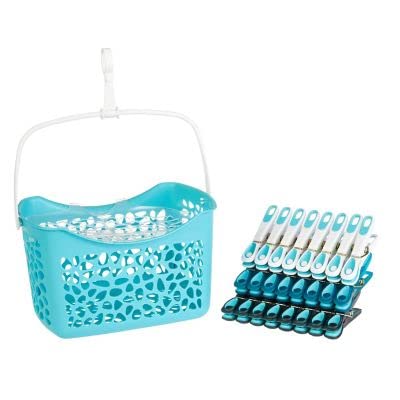
Plastic Washing Line Peg Basket with Hook and Drainage Holes
Original price was: £8.99.£8.49Current price is: £8.49. *View On Amazon* - Clothes Pegs
Addis Hold Tight Grip Clothes Pegs, Mixed Colours, Pack of 50
Original price was: £8.99.£6.79Current price is: £6.79. *View On Amazon* - Clothes Pegs
Mellbree Peg Bag for Washing Line with 50 Pegs and Shoulder Strap
Original price was: £15.99.£9.99Current price is: £9.99. *View On Amazon* - Clothes Pegs
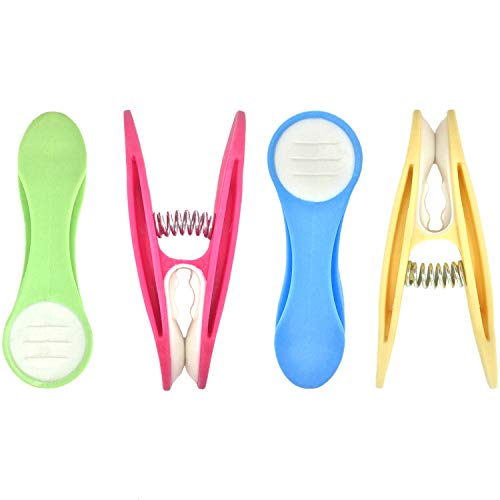
100 Pack Tulip Clothes Pegs for Washing Line, Spring-Free Plastic Laundry Pegs, Assorted Colours
Original price was: £7.99.£7.49Current price is: £7.49. *View On Amazon* - Clothes Pegs
KEYBOO 48 Pcs Clothes Pegs with Bag and Carabiner
Original price was: £12.99.£9.99Current price is: £9.99. *View On Amazon* - Clothes Pegs
QOPAHI 40Pcs Clothes Pegs with Bag, 4 Colours
Original price was: £7.99.£6.79Current price is: £6.79. *View On Amazon* - Clothes Pegs
60 Pack Plastic Clothes Pegs, 3.15 Inch Heavy Duty Pegs
Original price was: £7.69.£7.29Current price is: £7.29. *View On Amazon* - Clothes Pegs
Ysimple 100 Pack Laundry Pegs Clothes Clips
Original price was: £6.29.£5.99Current price is: £5.99. *View On Amazon* - Clothes Pegs
Smith’s® Soft Grip Clothes Pegs Pack of 20, Pastels
Original price was: £6.99.£5.99Current price is: £5.99. *View On Amazon*



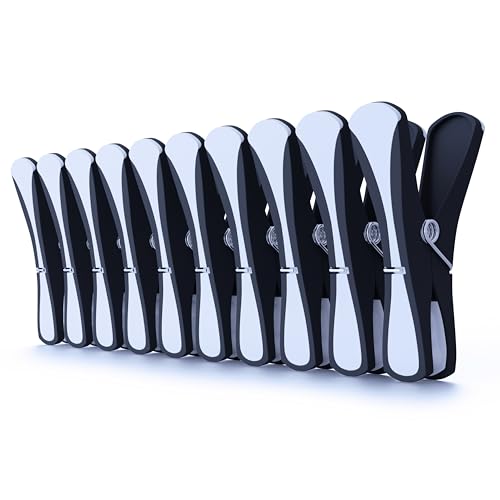


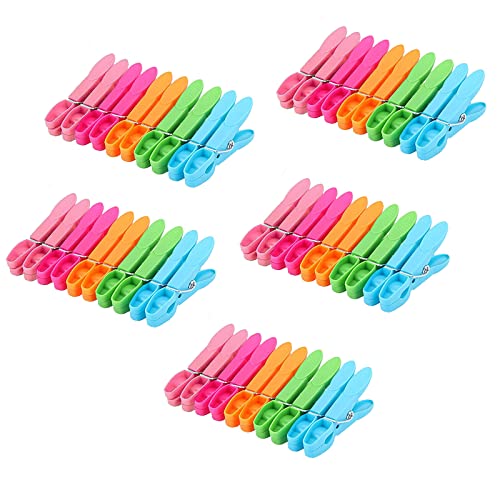

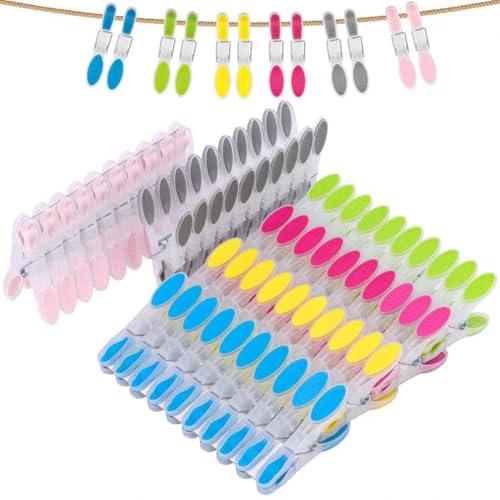

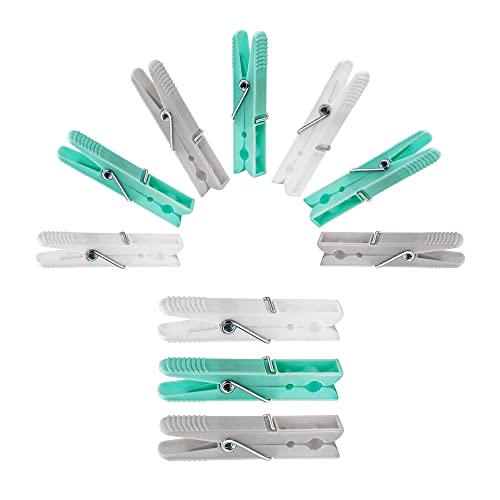


How to Choose Clothes Pegs
Clothes pegs secure wet laundry to washing lines, rotary airers and suitable drying racks. Although they are simple household items, different designs can vary considerably in grip, durability, size and suitability for particular fabrics.
The right pegs depend on what you regularly dry, how thick your washing line is and whether the laundry will be placed indoors or outside.
Standard pegs may suit everyday clothing, while larger or stronger designs can be useful for towels, jeans and bedding. Softer grips may be preferable for delicate fabrics where visible peg marks are a concern.
Types of Clothes Pegs
Plastic Clothes Pegs
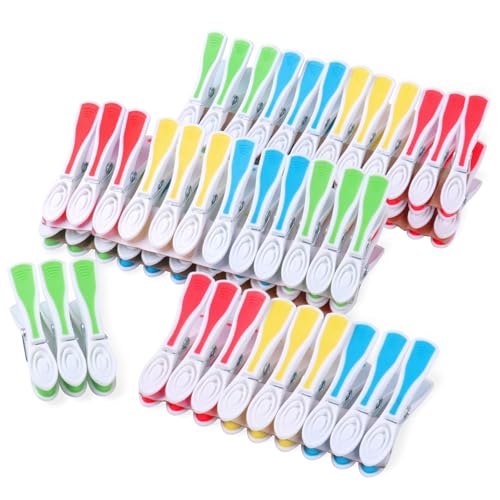
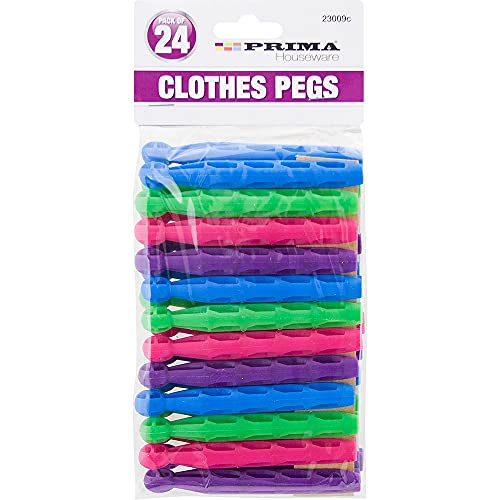
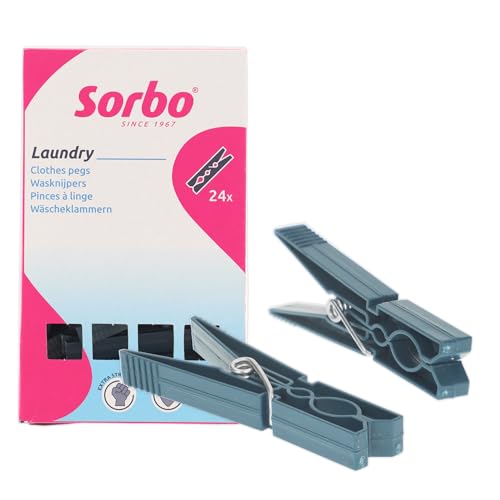
Plastic clothes pegs are lightweight, widely available and often supplied in larger multipacks. They may include textured grips, soft-touch sections or coloured designs for easy identification.
Plastic pegs can be practical for everyday laundry, but their durability varies. Prolonged exposure to sunlight, frost and changing temperatures can make some plastics brittle over time.
Check the stated outdoor suitability and store pegs away from direct weather when they are not in use.
Wooden Clothes Pegs
Wooden pegs offer a traditional appearance and may be made from untreated or coated timber.
Spring-loaded wooden pegs can provide a familiar grip, while one-piece dolly pegs use a simple split design without a metal spring.
Wood can absorb moisture and may develop staining, roughness or mould if left damp. Allow wooden pegs to dry fully and avoid leaving them permanently outdoors unless the product is designed for this.
Soft-Grip Clothes Pegs
Soft-grip pegs include padded or rubberised sections intended to hold garments while reducing hard pressure points.
They may be useful for shirts, lightweight fabrics, baby clothing and garments where peg marks are more noticeable.
A soft surface does not guarantee that every delicate material will remain unmarked. Position the peg carefully and follow the garment care instructions.
Heavy-Duty Clothes Pegs
Heavy-duty pegs are designed to provide a stronger hold for towels, bedding, jeans, blankets and laundry dried in breezy conditions.
They may have larger springs, wider jaws or more robust bodies than standard pegs. The stronger grip can help prevent slipping but may leave deeper marks on lightweight fabrics.
Check that the peg opens wide enough for the line and garment thickness.
Stainless-Steel Clothes Pegs
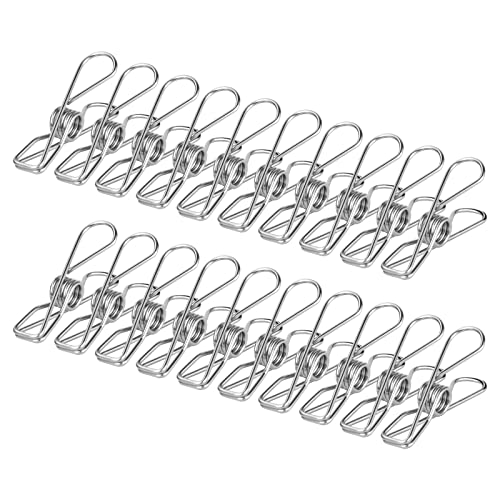
Stainless-steel pegs can offer good durability and resistance to outdoor weather, depending on the grade and construction.
They are generally slimmer than many plastic pegs and can be easy to store. Metal designs may feel firmer and can leave marks on delicate clothing if positioned carelessly.
Check for smooth edges and secure springs before use. Discard any peg that becomes sharp, bent or corroded.
Large and Wide-Jaw Pegs
Large pegs are designed for thicker washing lines, airer rails, towels, blankets and bulky laundry.
Their wider openings can fit items that ordinary pegs cannot hold comfortably. However, they may be too large for fine lines or small garments.
Compare the maximum jaw opening and overall dimensions before ordering.
Small and Compact Pegs
Smaller pegs can suit underwear, socks, lightweight clothing, travel lines and compact drying racks.
They are easy to carry and store but may not provide enough grip for heavy garments or outdoor use in windy weather.
Check whether they are intended as full laundry pegs or only for light indoor drying.
Travel Clothes Pegs
Travel pegs are designed to be lightweight and portable for holidays, caravans, camping and shared laundry spaces.
They may be supplied with hooks, loops or compact storage bags. Check the attachment method and make sure the available line or rail can support wet clothing safely.
Travel pegs are often intended for smaller garments rather than heavy towels or bedding.
Important Buying Considerations
Grip Strength
Grip strength determines how securely the peg holds clothing against the line.
A stronger spring can be helpful for outdoor drying, heavier garments and windy conditions. A gentler grip may suit delicate fabrics but could allow thick or wet laundry to slip.
Choose the minimum strength needed for the task to reduce unnecessary marking or stretching.
Jaw Opening
The jaw must open wide enough to fit around both the washing line and the fabric.
Thick rotary lines, airer rails, folded towels and blankets may require wide-jaw pegs. Standard pegs may suit ordinary clotheslines and lighter garments.
Check the listed opening where available rather than assuming every peg fits every line.
Material
Plastic is lightweight and easy to clean, wood offers a traditional design and stainless steel may provide greater outdoor durability.
Each material has trade-offs. Plastic can become brittle, wood can absorb moisture and metal can feel harsher against delicate fabrics.
Choose according to where the pegs will be used, how they will be stored and the type of laundry you dry.
Weather Resistance
Outdoor pegs are exposed to sunlight, rain, frost and temperature changes.
Products designed for outdoor use may resist these conditions better, but leaving pegs outside permanently can still shorten their useful life.
Bring pegs indoors or store them in a covered peg bag where practical.
Pack Quantity
Consider how many pegs are needed for a typical washing load. Small garments and bedding can use more pegs than expected.
Larger packs can suit family laundry and rotary lines, while smaller packs may be enough for a compact airer or occasional use.
Check whether the pack contains one size or a mixture of designs.
Colour
Coloured pegs can make laundry easier to organise and may help different household members identify their own sets.
Colour coding can also be used to separate pegs for indoor, outdoor, pet or cleaning-cloth use.
Some colours may fade after prolonged outdoor exposure, depending on the material.
Standard or Heavy-Duty Clothes Pegs
Standard pegs are suitable for many everyday garments, including shirts, underwear, socks and lightweight trousers.
Heavy-duty pegs provide a stronger hold for thick towels, bedding and outdoor drying in breezy conditions. They can be bulkier and may leave more noticeable marks.
Many households benefit from keeping both types available for different laundry loads.
Plastic or Wooden Clothes Pegs
Plastic pegs are lightweight, colourful and generally easy to rinse. Their resistance to weather and repeated use depends on the quality of the plastic and spring.
Wooden pegs provide a traditional appearance and can offer a firm grip. They should be dried carefully because absorbed moisture may cause staining, roughness or deterioration.
Neither material is automatically better. Consider durability, storage and the fabrics being dried.
Metal or Plastic Clothes Pegs
Metal pegs can be slim, strong and resistant to certain outdoor conditions. They may last longer than some plastic alternatives when made from suitable materials.
Plastic pegs can feel gentler in the hand and may include soft-grip areas. They are often available in wider shapes and larger multipacks.
Inspect both types regularly and stop using any peg with sharp edges, cracks or damaged springs.
Choosing Pegs for Different Laundry
Everyday Clothing
Standard plastic, wooden or coated pegs can suit T-shirts, shirts, underwear and everyday trousers.
Place pegs on stronger areas such as seams or waistbands where possible. This can help reduce visible marks on the main fabric.
Towels
Wet towels are heavy and can slip from weak pegs. Choose strong pegs with wide jaws and position them securely along the line.
Use more than two pegs for large or heavy towels where needed. Spread the weight evenly rather than concentrating it on one section of the washing line.
Bedding
Sheets, duvet covers and pillowcases can catch the wind and place significant force on pegs and lines.
Use strong pegs at regular intervals and avoid hanging large items in severe weather. Make sure the washing line and fittings are also suitable for the load.
Jeans and Heavy Trousers
Jeans become particularly heavy when wet. Hang them from the waistband using strong pegs or follow the garment care instructions.
Several pegs may be needed to distribute the weight. Avoid attaching weak pegs to belt loops, as the loops may stretch or tear.
Delicate Clothing
Soft-grip or smaller pegs may help reduce marks on lightweight fabrics.
Position pegs on seams, waistbands or less visible areas where practical. Some delicate garments should be dried flat rather than pegged onto a line.
Always follow the clothing care label.
Baby Clothing
Small pegs can be useful for baby clothes, socks and reusable textiles.
Choose smooth designs without sharp edges or loose components. Store pegs securely away from children, as springs and small parts can present hazards.
Underwear and Socks
Compact pegs or peg hangers can help organise small garments and make better use of limited drying space.
Avoid stretching elastic sections unnecessarily. Attach pegs to stronger seams where practical.
Preventing Peg Marks
Peg marks can develop when a strong spring presses wet fabric against the line for an extended period.
To reduce marks:
- Attach pegs to seams, hems or waistbands
- Use soft-grip designs where suitable
- Avoid overly strong pegs on lightweight fabrics
- Shake garments before hanging
- Smooth the material around the peg
- Remove clothing promptly once dry
- Use padded hangers for suitable garments
- Dry delicate knitwear flat where instructed
Ironing or steaming may reduce minor marks on suitable fabrics, but always follow the garment care label.
Using Clothes Pegs in Windy Weather
Wind creates additional strain on clothing, pegs and the washing line.
Use stronger pegs and secure large items with several evenly spaced fixing points. Bedding may need to be folded over the line rather than hung from a single edge.
Avoid outdoor drying during severe wind. Large sheets and duvet covers can act like sails and may damage the washing line or nearby property.
Check weather conditions before leaving laundry unattended.
Clothes Pegs for Rotary Airers
Rotary washing lines may use thicker cords than traditional fixed lines. Check that the peg jaws open far enough to fit around the line and fabric.
Distribute washing evenly around the rotary airer to help maintain stability.
Avoid placing all heavy items on one arm or outer section, even when strong pegs are used.
Clothes Pegs for Clothes Airers
Pegs can help secure lightweight items to folding and tower airers, particularly when the airer is placed outdoors.
Check whether the rails are thin enough for the peg opening. Large airer bars may require wide-jaw clips rather than ordinary clothes pegs.
Do not overload the airer or attach heavy laundry in a way that makes it unstable.
Peg Hangers and Sock Dryers
Peg hangers include several small clips attached to a central frame or hook. They are useful for socks, underwear, baby clothes and other small items.
Check the number of pegs, hanging height and overall load limit. The hanger should be attached to a secure rail, line or hook.
Distribute items evenly so that the frame does not tilt excessively.
Storing Clothes Pegs
A peg bag, basket or caddy keeps pegs together and protects them from weather when they are not in use.
Choose a container with drainage or ventilation where pegs may still be damp. Avoid sealing wet wooden or metal pegs inside a closed plastic box.
Keep the storage container close to the washing line but secure from wind, children and pets.
Cleaning Clothes Pegs
Clothes pegs can collect dust, pollen, dirt and residue from outdoor washing lines.
Clean plastic and suitable metal pegs with a damp cloth or mild cleaning method according to the product instructions. Dry them fully before storage.
Wooden pegs should not normally be soaked unless the manufacturer permits it. Wipe them carefully and allow air to circulate around the wood.
Discard pegs that remain stained, rough or difficult to clean.
Maintaining Springs and Hinges
Spring-loaded pegs should open smoothly and close evenly.
Check for:
- Rust
- Loose or displaced springs
- Weak grip
- Cracked plastic
- Splintered wood
- Bent metal
- Sharp edges
- Jaws that no longer meet evenly
Do not attempt to use a damaged peg on delicate clothing, as it may tear or stain the fabric.
Preventing Rust and Stains
Metal springs and pegs can rust when exposed to prolonged moisture, especially where lower-grade materials are used.
Dry pegs before storage and avoid leaving them permanently attached to an outdoor line.
Rust marks can transfer onto wet laundry and may be difficult to remove. Replace any peg showing corrosion or discolouration.
Wooden pegs can also transfer marks if they develop mould, tannin staining or accumulated dirt.
Leaving Clothes Pegs Outdoors
Even weather-resistant pegs can deteriorate more quickly when permanently exposed to sunlight, rain and frost.
Plastic can become brittle, springs can corrode and wood can absorb moisture.
Remove pegs after each use where practical and store them in a dry, ventilated container. This can help extend their usable life and keep them cleaner.
Clothes Pegs Around Children
Clothes pegs are not toys. Springs and small components can become detached, and strong pegs may pinch fingers.
Store them securely away from babies and young children. Do not allow children to place pegs in their mouths or attach them to skin or clothing.
Dispose of broken pegs promptly so that loose pieces are not left around the home or garden.
Clothes Pegs Around Pets
Pets may chew plastic, wood, rubber grips or metal springs.
Keep peg bags and loose pegs away from animals. Check the garden or drying area for dropped pegs before allowing pets to roam freely.
Seek veterinary advice if a pet swallows a peg or part of one.
Environmental Considerations
Reusable clothes pegs can last for many drying cycles when chosen and maintained carefully.
Products with replaceable springs or durable materials may reduce the need for frequent replacement, depending on their construction.
Recycled-plastic, wooden and metal pegs each have different environmental trade-offs. Assess specific manufacturer information rather than relying on broad material claims alone.
Avoid buying more pegs than you can store and use effectively.
When to Replace Clothes Pegs
Replace a clothes peg when it:
- No longer grips securely
- Has a weak or broken spring
- Develops rust
- Becomes cracked or brittle
- Has sharp or rough edges
- Splinters
- Leaves stains on clothing
- Cannot be cleaned effectively
- Opens unevenly
- Shows signs of mould or deterioration
Keeping a small supply of spare pegs can prevent damaged ones being used simply because no replacement is available.
Useful Clothes Peg Accessories
Useful additions may include:
- Peg bags
- Peg baskets
- Peg hangers
- Washing-line props
- Rotary airer covers
- Replacement washing line
- Laundry baskets
- Indoor drying racks
- Wide-jaw clips
Check dimensions and compatibility before buying clips for thick airer rails or washing lines.
Choose storage accessories that allow damp pegs to ventilate and dry.
Why Buy Clothes Pegs from YPC?
At YPC, we understand active lifestyles and the need for practical products that work in real use. Our Clothes Pegs category makes it easier to compare plastic, wooden, metal, soft-grip and heavy-duty designs.
Browse the available options and compare grip strength, jaw width, materials, pack size and weather resistance to find pegs suited to your washing line and laundry routine.
Frequently Asked Questions
Which clothes pegs are best for windy weather?
Heavy-duty pegs with strong springs and wide jaws can provide a more secure hold. Large items may need several pegs, and outdoor drying should be avoided in severe wind.
Are wooden or plastic clothes pegs better?
Plastic pegs are lightweight and easy to clean, while wooden pegs offer a traditional design. Durability depends on the construction, weather exposure and storage.
How can I stop clothes pegs leaving marks?
Attach them to seams, hems or waistbands, use softer-grip pegs and avoid using stronger springs than the fabric requires.
Can clothes pegs be left outside?
They can be left out temporarily where suitable, but prolonged exposure to sun, rain and frost may shorten their life. Dry storage is generally preferable.
When should clothes pegs be replaced?
Replace them when the spring weakens, the body cracks, metal rusts, wood splinters or the peg develops rough edges that could mark clothing.
 Getting ready for Summer? View our Home and Garden Products

Heading outdoors this winter? Take a look at our Outdoor Clothing.