

Dusters
Dusters for Everyday Household Dusting
Dusters help remove loose dust, cobwebs, hair and light debris from furniture, shelves, blinds, radiators and other suitable household surfaces. Choosing the right head material, shape and handle length can make routine dusting quicker while helping you reach awkward areas more easily.
Browse microfibre dusters, feather dusters, extendable dusters, radiator brushes, blind cleaners and disposable dusting heads. Compare products by their intended use, head design, flexibility, reach, washability and storage requirements.
Explore Dusters at YPC to find practical tools for regular household cleaning, high-level dusting and detailed work around furniture and fittings.
- Dusters
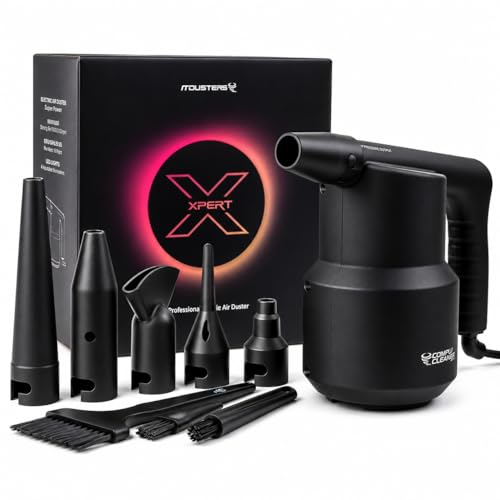
Cordless Electric Air Duster, 3 Gear Adjustable 100000RPM
Original price was: £20.16.£16.99Current price is: £16.99. *View On Amazon* - Dusters
WOLFBOX MF50 Compressed Air Duster
Original price was: £39.99.£33.99Current price is: £33.99. *View On Amazon* - Dusters
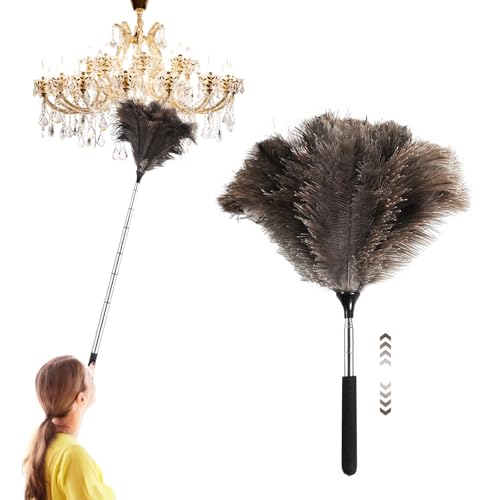
Feather Duster with Stainless Steel Extension Pole, Telescopic Bendable Head
Original price was: £7.99.£6.79Current price is: £6.79. *View On Amazon* - Dusters
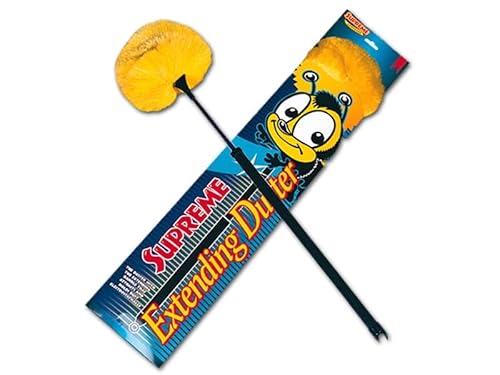
4.9m Extendable Feather Duster with 10 Extension Rods
Original price was: £17.99.£17.09Current price is: £17.09. *View On Amazon*








How to Choose the Right Duster
Dusters are designed to collect or move loose dust from surfaces that may be awkward to clean with a cloth or vacuum attachment. Different designs suit different jobs, so it is worth considering where the tool will be used and how delicate the surface is.
A soft handheld duster may suit furniture and ornaments, while an extendable model can help reach ceilings, curtain rails and tall cupboards. Narrow radiator dusters and flexible heads are useful for confined spaces.
Check the product guidance before use, especially on fragile decorations, electronics, polished finishes and easily scratched surfaces.
Types of Dusters
Microfibre Dusters
Microfibre dusters use fine synthetic fibres designed to collect loose dust and hair from suitable surfaces. They may be used on shelves, furniture, skirting boards, blinds and household fittings.
Some microfibre heads are washable or replaceable, which can make them suitable for repeated use. Check the care instructions before washing, as fabric conditioner and high temperatures may affect some fibres.
Keep the head free from grit because trapped particles can scratch delicate finishes.
Feather Dusters
Feather dusters use soft feathers to move or collect light dust from ornaments, lampshades, shelves and decorative items.
They can be gentle on delicate surfaces, although they may redistribute dust if used too quickly or aggressively. Use slow, controlled movements and clean the surrounding area afterwards where needed.
Natural feather products may require careful storage to prevent the head from becoming crushed or damaged.
Extendable Dusters
Extendable dusters have telescopic handles that help reach ceilings, high shelves, beams, light fittings and curtain rails from floor level.
Check the fully extended length, handle lock and overall weight. A longer tool provides more reach but can become harder to control when fully extended.
Use caution around electrical fittings and avoid stretching beyond a safe, stable position.
Cobweb Dusters
Cobweb dusters often have rounded or dome-shaped heads designed to reach into ceiling corners, stairwells and other high areas.
The bristles may be soft or moderately firm, depending on the product. Check whether the head is suitable for painted walls, wallpaper and decorative finishes.
A washable or removable head can make it easier to clear collected cobwebs and debris after use.
Radiator Dusters
Radiator dusters have long, narrow or flexible heads that can reach between panels, behind radiators and into confined spaces.
Compare the head width and overall length with the gaps in your radiator. Take care around sharp metal edges and allow heating systems to cool before cleaning.
Do not push the tool near exposed electrical components or damaged fittings.
Blind and Shutter Dusters
Blind dusters may include several fingers or sleeves designed to clean more than one slat at a time. They can suit certain Venetian blinds, shutters and similar fittings.
Check the spacing and material before use. Some tools may not fit closely spaced slats or may be unsuitable for fragile fabric blinds.
Support delicate slats with one hand where appropriate to reduce bending or damage.
Disposable Dusters
Disposable dusters use replaceable heads designed to trap dust during quick household cleaning. They can be convenient for occasional use and areas where washing a reusable head is impractical.
They create ongoing replacement costs and additional waste. Check that refill heads are compatible with the exact handle or system.
Dispose of used heads according to the product instructions.
Important Buying Considerations
Head Material
Microfibre, feathers, synthetic fibres and soft bristles each behave differently. Microfibre may collect fine dust effectively, while feather and soft-fibre dusters can suit delicate or irregularly shaped items.
Choose according to the surface and type of cleaning rather than appearance alone.
Head Shape
Flat heads can suit shelves and furniture, while rounded heads help with corners and cobwebs. Narrow designs reach between radiators and behind appliances.
Flexible heads can bend around furniture and fittings, although they should hold their shape well enough to remain controllable.
Handle Length
A short handle offers greater control for detailed cleaning. An extendable handle helps reach higher areas and can reduce the need for steps or ladders.
Check the collapsed length as well as the maximum reach, particularly if storage space is limited.
Washable or Replaceable Heads
Washable heads can be reused when cared for correctly. Replaceable heads allow the main handle to remain in use when the cleaning surface becomes worn.
Check the attachment type, dimensions and model compatibility before buying refills or replacements.
Storage
Long-handled dusters can take up cupboard space. Hanging loops, removable heads and telescopic handles may make storage easier.
Store the duster where the head will not be crushed, bent or left damp.
Duster or Cleaning Cloth
A duster is useful for irregular shapes, ornaments, blinds, high areas and places where a flat cloth cannot reach easily.
A cleaning cloth offers direct contact and can remove more settled dust from flat surfaces. It may also be used damp where the surface permits.
Many households use both. A duster can remove loose debris from awkward areas, while a cloth can finish smooth surfaces more thoroughly.
Duster or Vacuum Cleaner
A duster is lightweight, quiet and quick to use for small areas. It does not require power and can reach around delicate objects.
A vacuum cleaner with a soft brush attachment may remove dust more effectively from carpets, upholstery, vents and larger areas. It can also reduce how much dust becomes airborne.
Choose according to the surface, amount of dust and level of cleaning required.
Dusting Furniture and Shelves
Remove fragile items before dusting where practical. Work from higher shelves downwards so falling dust can be collected later.
Use a soft duster on polished, painted or delicate furniture. Avoid applying furniture spray directly to a duster unless the product instructions permit it.
Finish flat surfaces with a clean cloth where needed.
Dusting Blinds and Shutters
Close blinds in one direction and dust each side carefully. Support fragile slats to prevent them bending.
A multi-finger blind duster can speed up the task, while a microfibre cloth may provide more control for heavily marked areas.
Check the care guidance before introducing water or cleaning solutions.
Dusting Radiators
Allow the radiator to cool before cleaning. Use a narrow duster or compatible vacuum attachment to remove debris from gaps and behind the unit.
Place a cloth or sheet beneath the radiator to catch falling dust where useful.
Avoid forcing a brush into tight gaps where it could become stuck or damage internal components.
Dusting High and Awkward Areas
Extendable dusters can help reach ceilings, light fittings, beams and the tops of cupboards. Work slowly and maintain a stable stance.
Do not stand on chairs or unstable furniture. Use suitable access equipment or professional help when an area cannot be reached safely from the floor.
Take care around ceiling fans, electrical fittings and fragile decorations.
Dusting Electronics
Electronic screens and equipment can have delicate coatings and ventilation openings. Use only tools and methods recommended by the manufacturer.
Switch equipment off before cleaning and avoid introducing moisture into vents or controls.
A clean, soft microfibre cloth may be more suitable than a fluffy duster for screens. Never use an ordinary household cleaning spray directly on electronic equipment.
Reducing Airborne Dust
Slow, controlled movements can help collect dust rather than simply moving it into the air. Wash or replace the duster head when it becomes heavily loaded.
Vacuum floors and soft furnishings after dusting to collect debris that has settled below.
Opening windows may improve ventilation, although outdoor pollen or pollution can enter at certain times.
Cleaning and Maintaining Dusters
Remove loose dust after each use. Shake the duster outside only where this can be done safely and without disturbing other people.
Wash reusable heads according to the care instructions and allow them to dry fully before reattaching or storing them.
Do not store a damp duster in an enclosed cupboard. Replace the head when fibres become matted, damaged or difficult to clean.
Preventing Cross-Contamination
Keep dusters used in toilets, pet areas or heavily soiled spaces separate from those used on bedroom furniture, shelves or electronics.
Colour coding or labelled storage can help identify which tool belongs in each area.
Clean reusable heads regularly and store them away from dirty brushes, sponges and cleaning chemicals.
Dusting Around Children and Pets
Keep long handles and loose detachable parts away from young children. Store tools securely when not in use.
Take care when dusting around pet cages, beds and feeding areas. Use a separate duster where practical and avoid spreading fur or debris onto food surfaces.
Check that no small fibres, feathers or components have come loose after cleaning.
Useful Dusting Accessories
Useful accessories may include microfibre cloths, vacuum brush attachments, cleaning caddies, replacement heads and storage hooks.
A soft brush attachment can help with upholstery and vents, while a cloth may be better for final polishing.
Choose accessories that are suitable for the surface and compatible with any existing handle or cleaning system.
Why Buy Dusters from YPC?
At YPC, we understand active lifestyles and the need for practical products that work in real use. Our Dusters category makes it easier to compare handheld, microfibre, extendable, radiator and specialist dusting tools.
Browse the available options and compare head material, shape, reach and care requirements to find a duster suited to your household cleaning routine.
Frequently Asked Questions
Which type of duster is best for everyday furniture?
A soft microfibre or feather duster can suit everyday dusting on compatible furniture. Check the surface guidance and keep the head free from grit.
Are extendable dusters safe for ceilings?
They can help you clean from floor level, but the handle should lock securely and remain easy to control. Avoid contact with electrical fittings.
Can microfibre duster heads be washed?
Many can be washed, but care instructions vary. Avoid fabric conditioner unless the manufacturer specifically permits it.
What should I use to dust a television screen?
Follow the device manufacturer’s guidance. A clean, soft microfibre cloth is often more suitable than a fluffy household duster.
How often should a duster be replaced?
Replace the head when it becomes damaged, matted, difficult to clean or no longer collects dust effectively.
 Getting ready for Summer? View our Home and Garden Products

Heading outdoors this winter? Take a look at our Outdoor Clothing.