

Mops and Mop Buckets
Mops and Mop Buckets for Practical Floor Cleaning
Mops and mop buckets help remove spills, dust and everyday dirt from suitable hard floors. Whether you need a compact mop for quick kitchen clean-ups or a complete bucket and wringer system for larger areas, choosing the right design can make regular floor care easier.
Browse flat mops, spray mops, string mops, sponge mops, spin mop systems, buckets and replacement mop heads. Compare products by floor suitability, head material, handle length, bucket capacity, wringing method and storage requirements.
Explore Mops and Mop Buckets at YPC to find practical options for kitchens, bathrooms, hallways, utility rooms and other washable floor areas.
- Mops and Mop Buckets
Vileda H2PrO Spin Mop & Bucket Set with Separates Clean & Dirty Water
Original price was: £51.99.£49.99Current price is: £49.99. *View On Amazon* - Mops and Mop Buckets
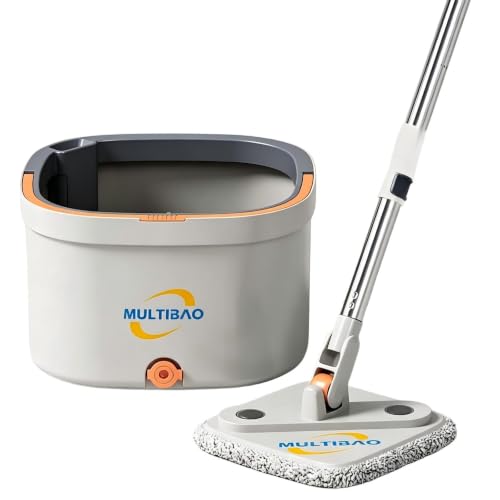
Multibao Spin Mop Bucket Set with 2 Reusable Microfibre Pads
£13.98 *View On Amazon* - Mops and Mop Buckets
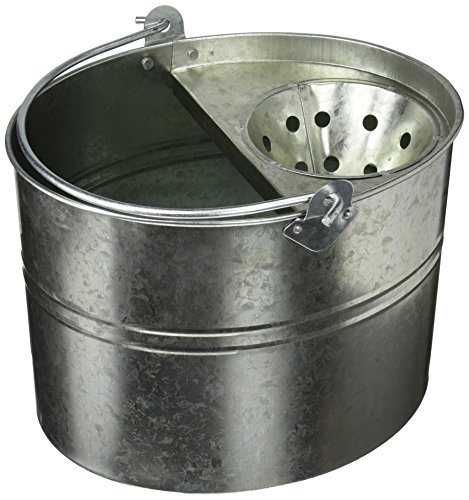
Apollo Gardening Ltd Traditional Galvanised Metal Mop Bucket
£10.30 *View On Amazon* - Mops and Mop Buckets
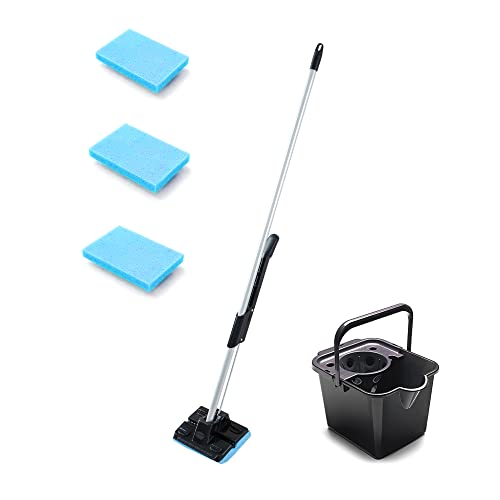
Addis Superdry Sponge Mop Set with 3 Replacement Sponge Heads and Mop Bucket, Black Metallic
£26.99 *View On Amazon* - Mops and Mop Buckets
Tower Compact Spin Mop and Bucket Set, 4.5L, Anthracite & Teal, T769013TL
£19.99 *View On Amazon* - Mops and Mop Buckets
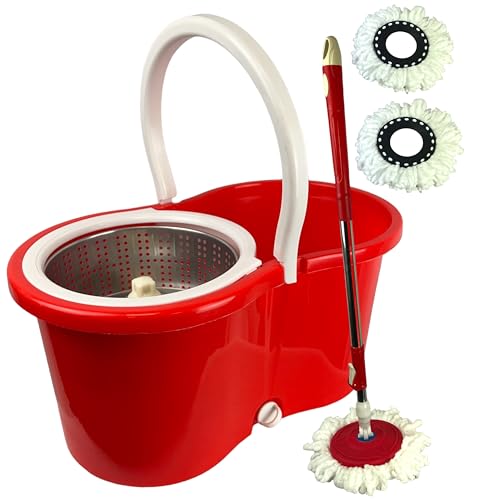
Spin Mop Bucket Set with 360 Wringer, 2 Microfibre Mop Pads, Telescopic Handle, Red
£11.90 *View On Amazon* - Mops and Mop Buckets
Spin Mop and Bucket Set for Floor Cleaning, Square Mop & Bucket with 2 Refill Microfibre Pads
Original price was: £12.99.£11.99Current price is: £11.99. *View On Amazon* - Mops and Mop Buckets
Bayersan 25L Kentucky Mop Bucket with Heavy-Duty Wringer and Wheels – Blue
£59.99 *View On Amazon* - Mops and Mop Buckets
14L Galvanised Metal Mop Bucket with Wringer and Cotton Mop
£12.99 *View On Amazon* - Mops and Mop Buckets
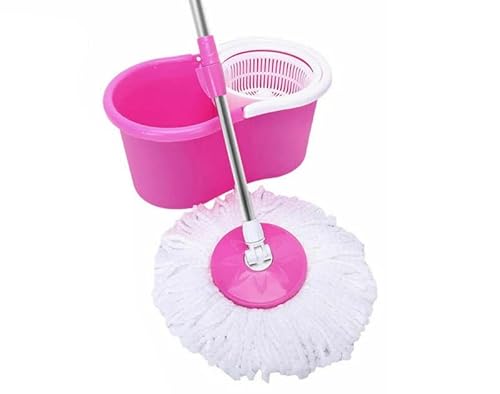
Spin Mop Bucket Set with 360 Wringer and Microfibre Mop Pad, Telescopic Handle, Pink
£11.99 *View On Amazon* - Mops and Mop Buckets
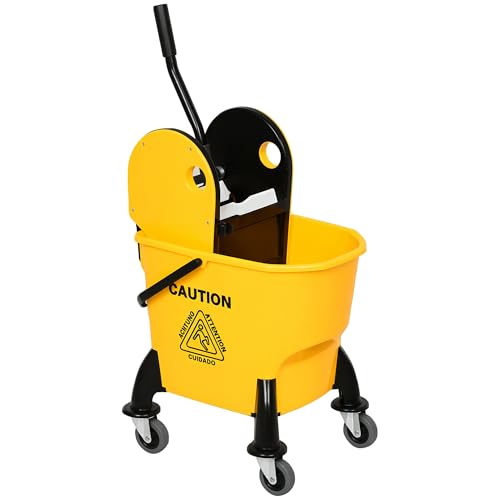
Mind Reader Mop Bucket with Wringer, 22 Qt, Yellow, with Wheels and Handle
Original price was: £33.56.£31.87Current price is: £31.87. *View On Amazon* - Mops and Mop Buckets
360° Spin Mop and Bucket Set with Telescopic Handle, 4 Reusable Microfibre Pads, Grey
£13.99 *View On Amazon* - Mops and Mop Buckets
Home Stuff 360 Spin Mop Bucket Set with Stainless Steel Handle, 3 Mop Heads and Scouring Brush
£14.99 *View On Amazon* - Mops and Mop Buckets
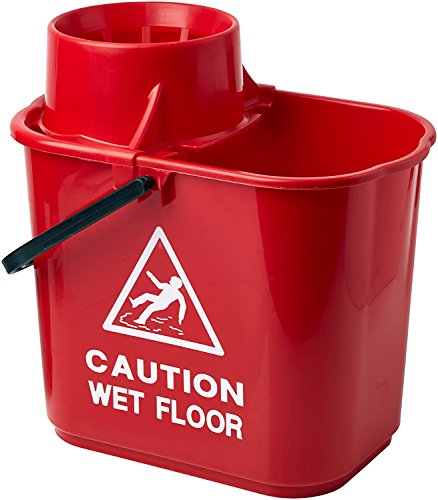
2Work Plastic Mop Bucket with Wringer 15 Litre Red CNT00684
£14.96 *View On Amazon* - Mops and Mop Buckets
Beldray AntiBac Flat Head Mop & Bucket, 5 Litre, 2 Extra Mop Pads
Original price was: £17.99.£15.98Current price is: £15.98. *View On Amazon* - Mops and Mop Buckets
Professional Kentucky Floor Mop and Bucket Set on Wheels – Yellow
Original price was: £47.99.£40.79Current price is: £40.79. *View On Amazon* - Mops and Mop Buckets
Addis Mop Bucket with Wringer, Black
Original price was: £7.99.£7.75Current price is: £7.75. *View On Amazon* - Mops and Mop Buckets
Masthome Spin Mop and Bucket Set with 131cm Stainless Steel Handle, 3 Reusable Microfiber Pads
£28.89 *View On Amazon* - Mops and Mop Buckets
ZENO Mop and Bucket Set 2-in-1 with 3 Heads
Original price was: £20.95.£18.75Current price is: £18.75. *View On Amazon*











How to Choose Mops and Mop Buckets
Mops and mop buckets are used to apply cleaning solution, lift dirt and collect moisture from suitable hard flooring. The right choice depends on your floor material, room size, preferred cleaning method and available storage space.
Start by checking whether the mop and cleaning method are suitable for your flooring. Tiles and vinyl may tolerate more moisture than laminate or sealed wood, which generally need a well-wrung mop and controlled use of water.
Types of Mops
Flat Mops
Flat mops use a wide, low-profile cleaning head that can cover open floors efficiently and reach beneath some furniture. They are often paired with washable or disposable pads.
Microfibre flat mop heads may be suitable for collecting dust and light dirt, depending on the product. A broad head can clean larger spaces quickly, although it may be less manoeuvrable in narrow corners.
Check how the pad attaches and whether compatible replacements are readily identifiable.
Spray Mops
Spray mops have an integrated container that applies a controlled amount of cleaning solution ahead of the mop head. They can be convenient for quick cleaning without carrying a separate bucket.
Tank capacity, spray control and compatible cleaning solutions vary between products. Some manufacturers recommend water or specific formulas only, so check the instructions before filling the container.
Spray mops can help limit moisture, but they are not automatically suitable for every wood or laminate floor.
String and Traditional Mops
String mops can absorb larger spills and clean textured or uneven floors. Their flexible heads can reach into corners, although they may hold more water than a flat mop.
A suitable wringer is important because an overly wet mop can leave excess moisture on the floor. Traditional mop heads can also take longer to dry after use.
Check whether the head is removable, washable or replaceable.
Spin Mops
Spin mop systems use a rotating basket or mechanism to remove water from the mop head. They can reduce the need for manual wringing and allow you to control how wet the mop remains.
Compare the spinning mechanism, bucket stability, handle design and replacement head compatibility. Larger systems may require more cupboard or utility-room space.
Sponge Mops
Sponge mops can absorb spills and wash smooth, compatible flooring. Some include a lever-operated wringer that compresses the sponge without direct handling.
Sponge heads can become worn, split or hold odours if they are not cleaned and dried correctly. Check whether replacement heads fit the exact model.
Choosing a Mop Bucket
Bucket Capacity
A larger bucket can reduce the number of water changes needed when cleaning a large floor. However, it will be heavier to carry when full and require more storage space.
Consider the distance between the tap and the area being cleaned. A smaller bucket may be safer and easier to handle, particularly when carrying it upstairs.
Wringing Method
Mop buckets may include press wringers, roller systems, spin baskets or separate compartments. A suitable wringer helps remove excess water without needing to twist the mop by hand.
Check that the wringer matches the mop head shape and size. A flat mop may need a different system from a traditional string mop.
Handles, Pouring and Stability
Look at the bucket handle, grip and pouring design. A shaped lip or drain opening can make it easier to empty dirty water without splashing.
A stable base helps reduce movement while wringing. Place the bucket on a level surface and avoid filling it beyond the stated capacity.
Separate Water Compartments
Some mop systems separate cleaner water from dirty water. This can reduce how much collected dirt is returned to the floor, depending on the design.
These systems may be larger, heavier and more complicated to clean after use. Compare their benefits with the extra storage and maintenance required.
Mop Head Materials
Microfibre mop heads can collect fine dust and moisture and are often washable where listed. Cotton and blended string heads may absorb larger amounts of water and suit robust floor-cleaning tasks.
Sponge heads can be effective for spills but may need more frequent replacement. Disposable pads offer convenience but create ongoing replacement costs and additional waste.
Check the care instructions before washing reusable heads. Fabric conditioner and high drying temperatures may affect some microfibre products.
Flat Mops or Traditional Mops
Flat mops are generally easy to manoeuvre and can suit routine cleaning on smooth floors. They often use less water and may be easier to store.
Traditional string mops can be useful for uneven surfaces, larger spills and more heavily soiled areas. However, they may hold more water and require a suitable bucket and wringer.
The better option depends on the floor, the size of the area and how much moisture the surface can tolerate.
Choosing for Different Floor Types
Laminate and Sealed Wood
Laminate and wood flooring can be vulnerable to excess moisture. Choose a mop that can be wrung thoroughly and avoid allowing water to collect around joins, edges or damaged areas.
Use only floor cleaners listed as suitable for the particular finish.
Tiles and Vinyl
Tiles and vinyl may suit a wider range of mop designs, depending on the installation and condition of the floor.
Take care around grout, damaged sealant and loose edges. Rinse where required and avoid leaving cleaner residue that could make the floor sticky or slippery.
Natural Stone
Natural stone may require a specialist pH-neutral cleaner and a gentle mop head. Acidic or unsuitable cleaning products can permanently mark some stone surfaces.
Check the exact stone type and any sealant before choosing a cleaner or cleaning method.
Handle Length and Comfort
A handle that suits your height can reduce unnecessary bending and make longer cleaning sessions more comfortable. Telescopic handles allow adjustment but should lock securely during use.
Consider the overall weight when the mop head is wet. Heavy systems may feel robust but can become tiring across larger areas.
Swivel joints can improve access around furniture, although overly flexible heads may provide less pressure for stubborn marks.
Replacement Heads and Compatibility
Replacement mop heads, pads and cartridges are not always interchangeable. Check the brand, model number, fitting design and dimensions before ordering.
A washable head may extend the usable life of the mop, while replaceable components can prevent the need to discard the complete system when one part wears out.
Do not assume that a product described as universal will fit every mop.
Using Mops Safely
Sweep or vacuum loose grit before wet mopping. Dragging debris across the floor can spread dirt or scratch delicate finishes.
Use the recommended amount of cleaning solution and follow any dilution instructions. Too much product can leave residue and make the floor slippery.
Keep children and pets away while floors are wet. Position the bucket where it will not create a trip hazard and avoid carrying an overfilled bucket.
Never mix cleaning chemicals unless the manufacturer explicitly confirms that it is safe.
Cleaning and Storing Your Mop
Rinse mop heads thoroughly after use and wash reusable pads according to their care instructions. Allow all components to dry fully before storing them.
Empty and rinse the bucket after every use. Dirt and cleaning residue left inside can cause smells or transfer grime during the next cleaning session.
Store mop handles securely so they cannot fall. Replace heads that have become flattened, damaged, discoloured or difficult to clean.
Useful Accessories
Useful additions may include replacement mop heads, washable pads, compatible floor cleaners, protective gloves and storage hooks.
A separate mop or clearly identified head for bathrooms, kitchens or pet areas can help reduce the transfer of dirt between different parts of the home.
Choose accessories that are confirmed as compatible with your existing mop or bucket system.
Why Buy Mops and Mop Buckets from YPC?
At YPC, we understand active lifestyles and the need for practical products that work in real use. Our Mops and Mop Buckets category helps you compare different head styles, bucket capacities, wringing systems and replacement options.
Browse the available products and compare floor suitability, dimensions and cleaning methods to find a mop system that fits your home and routine.
Frequently Asked Questions
Which type of mop is suitable for laminate flooring?
Choose a mop that allows controlled moisture and can be wrung thoroughly. Check that both the mop method and cleaning solution are suitable for laminate flooring.
Is a flat mop better than a string mop?
Flat mops can suit quick cleaning and smooth floors, while string mops may absorb larger spills and clean uneven surfaces. The right choice depends on the floor and task.
What size mop bucket should I choose?
Consider the area being cleaned, storage space and how far the filled bucket must be carried. Larger buckets hold more water but can become heavy.
Can mop heads be washed in a washing machine?
Some fabric and microfibre heads are machine washable, but others are not. Follow the care instructions and remove any plastic fittings where directed.
How often should a mop head be replaced?
Replace it when it becomes damaged, permanently flattened, difficult to clean or develops persistent odours. Frequency will depend on use and material.
 Getting ready for Summer? View our Home and Garden Products

Heading outdoors this winter? Take a look at our Outdoor Clothing.