

Sponges and Scourers
Sponges and Scourers for Everyday Household Cleaning
Sponges and scourers help remove spills, grease, food residue and everyday dirt from suitable kitchen, bathroom and household surfaces. Choosing the right texture and material can make cleaning easier while reducing the risk of scratching cookware, worktops, sinks or delicate finishes.
Browse washing-up sponges, non-scratch scourers, heavy-duty pads, sponge cloths, reusable scrubbers and specialist cleaning sponges. Compare products by their intended use, abrasiveness, absorbency, dimensions, pack quantity and care instructions.
Explore Sponges and Scourers at YPC to find practical options for washing dishes, cleaning appliances, wiping surfaces and tackling more stubborn household grime.
- Sponges and Scourers
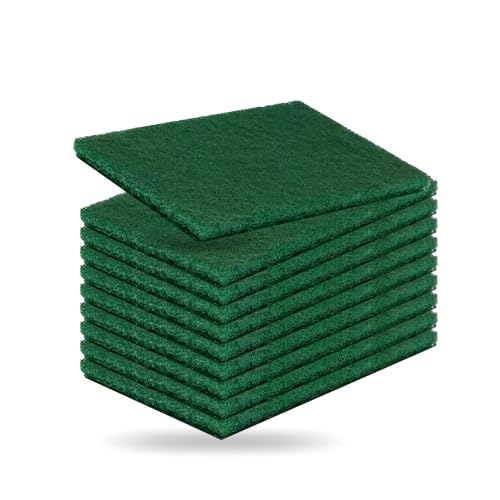
G4GADGET Heavy Duty Scouring Pads Green 5 Pack 3.9 x 5.9 inch
£3.24 *View On Amazon* - Sponges and Scourers
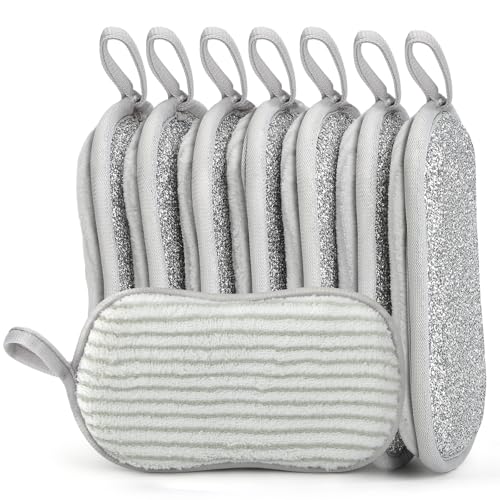
Euqvunn 8 Pack Dual-Sided Washing Up Sponges, White, 9.5 x 16cm
Original price was: £8.54.£6.13Current price is: £6.13. *View On Amazon* - Sponges and Scourers
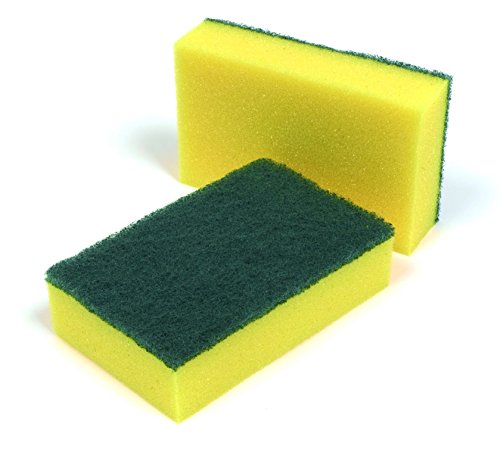
Spontex Non Scratch Washups Sponge Scourers Pack of 6, Total 12
£8.75 *View On Amazon* - Sponges and Scourers
KYNZA Natural Washing Up Sponges 6 Pack
Original price was: £6.99.£5.99Current price is: £5.99. *View On Amazon* - Sponges and Scourers
SOL 4pk Silicone Sponge – Silicone Dish Scrubber for Washing Up
£5.59 *View On Amazon* - Sponges and Scourers
SSH Traders Finger Grip Sponge Scourers 20 Pack
Original price was: £11.39.£9.99Current price is: £9.99. *View On Amazon* - Sponges and Scourers
SOL 20pk Small Sponge Scourers for Kitchen
Original price was: £7.49.£6.49Current price is: £6.49. *View On Amazon* - Sponges and Scourers
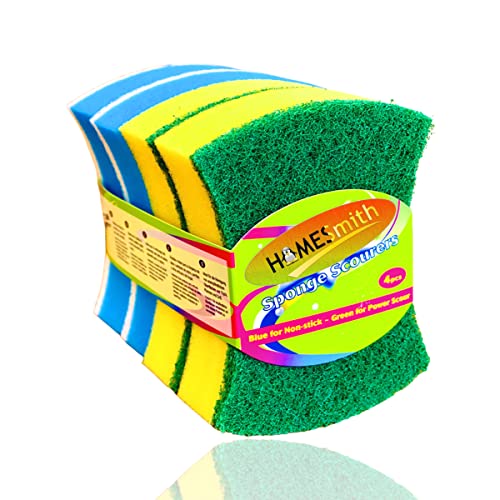
HOMESmith Heavy Duty Butterfly Washing Up Sponge Scourers Pack of 4, Yellow and Blue
£5.99 *View On Amazon* - Sponges and Scourers
Spontex Tough Scourer Pack of 4
Original price was: £3.94.£3.82Current price is: £3.82. *View On Amazon* - Sponges and Scourers
Green Scouring Pads Heavy Duty Non Scratch Reusable Pack of 10
£5.48 *View On Amazon* - Sponges and Scourers
Marigold Scrub Away Stainless Steel Scourers, 20 Single Packs
Original price was: £27.00.£19.49Current price is: £19.49. *View On Amazon* - Sponges and Scourers
Scotch-Brite Soft XXL Bathroom Scrub Sponge, 1 Piece per Pack
£3.82 *View On Amazon*









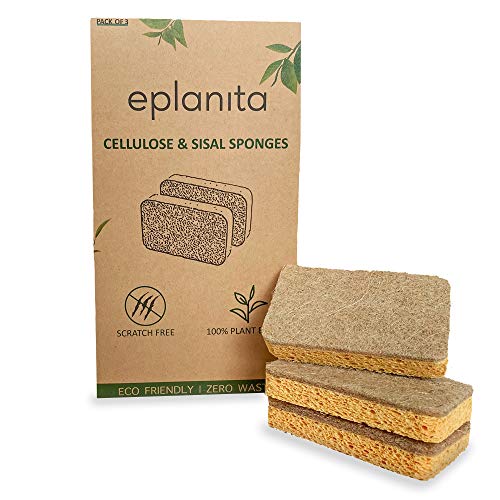


How to Choose Sponges and Scourers
Sponges and scourers are available in different materials, textures and levels of abrasiveness. Some are designed to absorb spills and wipe surfaces, while others provide greater scrubbing action for dried food, grease and stubborn residue.
The right choice depends on what you are cleaning and how easily the surface can be scratched. A heavy-duty scourer may suit robust oven trays, but it could permanently mark non-stick cookware, glass hobs, acrylic baths or polished metal.
Always check the product description and the care instructions for the surface or item before use. Test the sponge or scourer on a discreet area where appropriate.
Types of Sponges and Scourers
Washing-Up Sponges
Washing-up sponges are commonly used for plates, cups, cutlery, sinks and suitable cookware. Many have a soft absorbent side for wiping and a textured side for loosening food residue.
Check whether the textured surface is described as non-scratch or heavy-duty. Even products marketed for washing up may not be suitable for non-stick coatings, delicate glassware or polished finishes.
Rinse the sponge thoroughly after use and allow it to dry rather than leaving it sitting in dirty water.
Non-Scratch Scourers
Non-scratch scourers are intended to provide gentle scrubbing action on compatible surfaces. They may be suitable for certain pans, worktops, tiles, sinks and appliances, depending on the product guidance.
The term non-scratch does not guarantee compatibility with every material. Test the scourer before using it on high-gloss finishes, acrylic, coated cookware or delicate surfaces.
Use light pressure first and increase only where the surface permits.
Heavy-Duty Scouring Pads
Heavy-duty scourers are designed for stubborn grease, burnt-on food and dried residue on durable surfaces. Their rough texture can provide more cleaning force than a standard sponge.
They may scratch stainless steel, enamel, glass, ceramic hobs, plastic, paint and non-stick coatings. Use them only where the item or surface manufacturer confirms that abrasive cleaning is suitable.
Avoid assuming that a stronger scourer will always produce a better result. The wrong pad can cause permanent damage before the dirt has been removed.
Sponge Cloths
Sponge cloths combine absorbency with a flexible, cloth-like shape. They can be useful for wiping worktops, tables, sinks and other suitable household surfaces.
Many sponge cloths can be rinsed and reused, although washing and drying instructions vary. Check the dimensions and pack quantity, particularly if you plan to assign different cloths to separate rooms.
Replace them when they become damaged, difficult to clean or retain unpleasant odours.
Cellulose Sponges
Cellulose sponges are often absorbent and suitable for spills, wiping and general cleaning. They may soften when wet and can be easy to squeeze out.
Some products combine cellulose with an abrasive backing. Check each side before using it on a delicate surface.
Allow the sponge to dry fully between uses to help reduce odours and deterioration.
Microfibre Sponges
Microfibre-covered sponges can combine a soft outer fabric with an absorbent inner core. They may suit general wiping, dust removal and cleaning on compatible surfaces.
The weave and texture vary between products, so check whether the sponge is intended for glass, kitchen surfaces, vehicles or general household use.
Remove trapped grit before wiping polished or easily scratched finishes.
Metal and Wire Scourers
Metal scourers can provide strong scrubbing action for certain robust cookware, grills and metal surfaces. They are highly abrasive and unsuitable for many household items.
Do not use them on non-stick coatings, ceramic or induction hobs, glass, enamel, plastic, acrylic or polished surfaces unless expressly permitted.
Small fragments can loosen during use, so rinse the cleaned item carefully and replace worn or unravelled scourers.
Silicone Scrubbers
Silicone scrubbers use flexible raised surfaces or bristles rather than traditional sponge fibres. They may be easy to rinse and can dry quickly, depending on the design.
They may suit certain dishes, sinks or household tasks but can provide less absorbency than a conventional sponge. Check the temperature limits and intended uses before cleaning hot cookware or appliances.
Important Buying Considerations
Level of Abrasiveness
Abrasiveness determines how aggressively the scourer acts against dirt and the underlying surface. Soft sponges suit wiping and light cleaning, while coarse pads are intended for robust materials and stubborn residue.
Choose the least abrasive option capable of completing the task. This reduces the risk of scratching, dulling or removing protective coatings.
Surface Compatibility
Check whether the product is suitable for:
- Non-stick cookware
- Stainless steel
- Glass and ceramic hobs
- Enamel
- Acrylic baths and shower trays
- Natural stone
- Laminate worktops
- Painted or polished finishes
A sponge that is safe for one material may damage another. Follow the item manufacturer’s care guidance where available.
Absorbency
Highly absorbent sponges can be useful for spills, wiping and washing up. Less absorbent scourers may provide stronger scrubbing but require a separate cloth for removing loosened residue.
Consider whether you need a product primarily for absorbing liquid, applying cleaner or scrubbing marks.
Size and Shape
Larger sponges cover broad surfaces quickly, while smaller pads provide more control around taps, corners and detailed areas.
Contoured grips can make a sponge easier to hold and may help keep fingers away from the cleaning surface. Thin pads can reach into narrow spaces but may offer less cushioning during scrubbing.
Pack Quantity
Multi-packs can provide better coverage for different household areas and make it easier to replace worn sponges regularly.
Compare the number, size and type of products included. Some packs contain identical sponges, while others combine different textures or levels of abrasiveness.
Reusable or Disposable Design
Reusable sponges and scrubbers may reduce repeated purchases when they can be washed and dried correctly. They still need replacing once they become worn or unhygienic.
Disposable pads can be convenient for heavily soiled or unpleasant tasks but generate more waste. Choose according to the cleaning job and your ability to wash the product safely.
Sponge or Scouring Pad
A sponge is usually better for absorbing spills, creating lather and wiping everyday dirt. It can suit washing up and general household cleaning.
A scouring pad provides more abrasion for dried or burnt-on residue. It is less absorbent and carries a greater risk of marking delicate materials.
Combination sponges offer both functions, but each side should be used only on compatible surfaces.
Choosing Products for Washing Up
Use a soft sponge or suitable non-scratch pad for everyday plates, mugs and cutlery. Delicate glassware, printed designs and coated surfaces may require especially gentle cleaning.
Non-stick pans should only be cleaned with tools approved by the cookware manufacturer. Abrasive scourers can remove the coating and shorten the useful life of the pan.
For dried food, soaking the item according to its care instructions may reduce the need for aggressive scrubbing.
Use a dedicated brush or sponge for pet bowls and keep it separate from items used for household dishes.
Cleaning Pots, Pans and Baking Trays
Robust stainless steel pans and uncoated baking trays may tolerate firmer cleaning tools, depending on the manufacturer’s guidance.
Burnt-on residue can sometimes be loosened with warm water and a suitable washing-up product before scrubbing. This may reduce the amount of pressure needed.
Do not use wire wool or heavy-duty scourers on enamel, non-stick coatings or polished surfaces unless expressly permitted.
Using Sponges on Kitchen Surfaces
Choose a clean sponge suitable for the worktop, sink or appliance finish. Natural stone, wood, laminate and stainless steel can all have different care requirements.
Use separate sponges for food preparation surfaces, floors, bins and heavily soiled areas. This helps reduce the transfer of dirt and microorganisms around the kitchen.
Rinse food-contact surfaces where required by the cleaning product instructions.
Bathroom Sponges and Scourers
Bathroom sponges may be used for baths, sinks, tiles and shower areas where compatible. Acrylic, enamel, chrome and glass can be scratched by abrasive pads.
A non-scratch sponge may suit soap residue and everyday marks, while grout or textured tiles may require a specialist brush or pad.
Keep sponges used around toilets separate from those used elsewhere in the bathroom.
Cleaning Hobs and Appliances
Glass ceramic and induction hobs require care because rough scourers and trapped grit can leave permanent scratches.
Use only a cleaning pad or sponge approved for the appliance surface. Specialist hob cleaners may work more effectively than applying greater pressure with an abrasive scourer.
Avoid allowing liquid to enter controls, seals or electrical openings.
Preventing Cross-Contamination
Assign different sponges to kitchens, bathrooms, toilets, pet areas and general household cleaning. Colour coding can make this easier for everyone in the home.
Do not use a sponge that has cleaned raw food residue on worktops, dishes or other surfaces without washing or replacing it appropriately.
Store clean and used sponges separately. A damp sponge left beside the sink can transfer residue to nearby items.
Cleaning and Maintaining Reusable Sponges
Rinse sponges thoroughly after each use to remove food, grease and cleaning-product residue. Squeeze out excess water and leave them in a ventilated position to dry.
Some products may be suitable for machine washing, dishwashing or another cleaning method, but this should only be done where the care instructions permit it.
Cleaning does not make a sponge last indefinitely. Replace it when it becomes damaged, discoloured, misshapen or difficult to rinse.
When to Replace Sponges and Scourers
There is no single replacement schedule that suits every household. Frequency depends on how often the product is used, what it cleans and how well it dries between tasks.
Replace a sponge or scourer when it:
- Develops a persistent smell
- Starts to break apart
- Holds visible residue after rinsing
- Becomes slimy or heavily stained
- Loses its shape or scrubbing texture
- Contains loose metal strands
- Has been used for a heavily contaminated task
Do not continue using a damaged scourer that could leave fragments on dishes or surfaces.
Using Sponges with Cleaning Products
Check that the sponge material is compatible with the cleaning product. Bleach, solvents, acids and strong oven cleaners can damage some foams, fibres and adhesives.
Wear gloves where instructed and never mix cleaning chemicals on the same sponge. Residue from one product may react with another during later use.
Use separate applicators for strong chemicals and dispose of them according to the product guidance where reuse is not appropriate.
Storage and Drying
A sponge holder, draining tray or ventilated caddy can help keep sponges away from standing water. Avoid storing them inside a closed container while damp.
Allow metal scourers to drain and dry to reduce corrosion. Keep them away from delicate sinks or worktops where rust marks could form.
Store unused packs in a clean, dry place away from cleaning chemicals and food.
Useful Cleaning Accessories
Sponges and scourers may be used alongside washing-up liquid, surface cleaners, protective gloves, cleaning caddies and drying racks.
Scrapers, brushes and microfibre cloths can provide alternatives where a sponge is not suitable. Use only tools recommended for the surface being cleaned.
Keeping several clearly identified products for different tasks can make household cleaning safer and more organised.
Why Buy Sponges and Scourers from YPC?
At YPC, we understand active lifestyles and the need for practical products that work in real use. Our Sponges and Scourers category makes it easier to compare absorbent sponges, non-scratch pads, heavy-duty scourers and reusable cleaning products.
Browse the available options and compare texture, material, pack quantity and surface suitability to find products that match your household cleaning routine.
Frequently Asked Questions
What is the difference between a sponge and a scourer?
A sponge is primarily designed to absorb liquid and wipe surfaces. A scourer has a more abrasive texture for removing stubborn residue from compatible materials.
Can scourers scratch pans and worktops?
Yes. Abrasive scourers can damage non-stick cookware, glass, enamel, acrylic and polished finishes. Always check surface compatibility before use.
Are non-scratch scourers safe for every surface?
No. “Non-scratch” does not guarantee suitability for all materials. Test the product discreetly and follow the surface manufacturer’s care guidance.
How should reusable sponges be stored?
Rinse them thoroughly, squeeze out excess water and leave them in a ventilated holder where they can dry completely between uses.
When should I replace a kitchen sponge?
Replace it when it develops persistent odours, becomes damaged or slimy, retains visible dirt or can no longer be cleaned and dried effectively.
 Getting ready for Summer? View our Home and Garden Products

Heading outdoors this winter? Take a look at our Outdoor Clothing.
