

Clothes Hangers
Clothes Hangers for Organised Wardrobe Storage
Clothes hangers help keep shirts, dresses, jackets, trousers, coats and other suitable garments organised while reducing creasing and making better use of wardrobe space. Choosing the right shape, width and material can also help support clothing correctly and reduce stretching, slipping or unwanted shoulder marks.
Browse wooden hangers, plastic hangers, velvet hangers, padded designs, trouser hangers, skirt hangers, children’s hangers and space-saving multipacks. Compare products by their dimensions, weight capacity, shoulder shape, grip, hooks and suitability for the garments you need to store.
Explore Clothes Hangers at YPC to find practical wardrobe options for everyday clothing, formalwear, outerwear, children’s clothes and household organisation.
- Clothes Hangers
HANGERWORLD 50 White Metal Wire Clothes Hangers, 41cm, 13 Gauge
£14.99 *View On Amazon* - Clothes Hangers
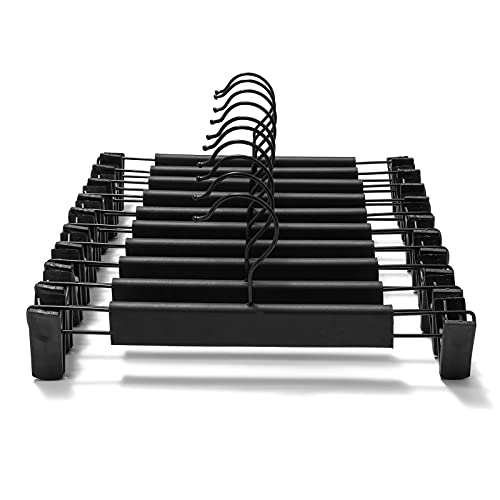
GUANJUNE Clothes Pants Hangers, 10 Pack, Black, Adjustable Clips, 360° Swivel Hooks
Original price was: £8.89.£7.56Current price is: £7.56. *View On Amazon* - Clothes Hangers
SONGMICS Wooden Clothes Hangers, Set of 20, Solid Wood, Black/Silver CRW02B-20
£14.99 *View On Amazon* - Clothes Hangers
Nyxi 25 Pack Adult Plastic Clothes Hangers, 40cm, Black
Original price was: £7.97.£6.99Current price is: £6.99. *View On Amazon* - Clothes Hangers
2 Pack Trouser Hangers with Adjustable Non-Slip Clips and 360° Swivel Hook
£11.99 *View On Amazon* - Clothes Hangers
10 Pack Trouser Hangers with Adjustable Non-Slip Clips, Chrome Hook, Black
Original price was: £7.99.£7.19Current price is: £7.19. *View On Amazon* - Clothes Hangers
Latoxcaa Space Saving Hangers, 8 Pack Magic Hangers with 6 Holes and 360° Swivel
Original price was: £12.99.£8.99Current price is: £8.99. *View On Amazon* - Clothes Hangers
ZENO Velvet Hangers 20 Pack, 44.5 cm Black with 360° Swivel Hooks
Original price was: £7.75.£6.75Current price is: £6.75. *View On Amazon* - Clothes Hangers
H-line Wooden Coat and Suit Hangers, Pack of 40, with Trouser Bar
£19.89 *View On Amazon* - Clothes Hangers
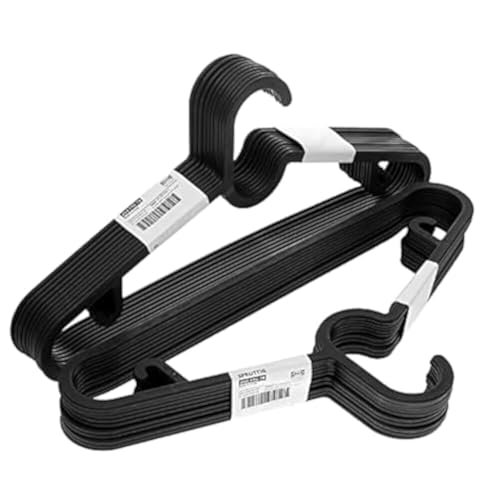
Ikea SPRUTTIG Lightweight Plastic Hangers, Black, 39 cm, Set of 20
£8.99 *View On Amazon* - Clothes Hangers
The Hanger Store 20 Non-Slip Plastic Coat Hangers for Tops and Shirts, 41cm
Original price was: £14.99.£11.99Current price is: £11.99. *View On Amazon* - Clothes Hangers
The Hanger Store 12 Plastic Suit Hangers
Original price was: £16.99.£13.29Current price is: £13.29. *View On Amazon* - Clothes Hangers
Amazon Basics Wooden Hangers with Clips, 10-Pack, 36 cm, White
Original price was: £11.99.£11.36Current price is: £11.36. *View On Amazon*








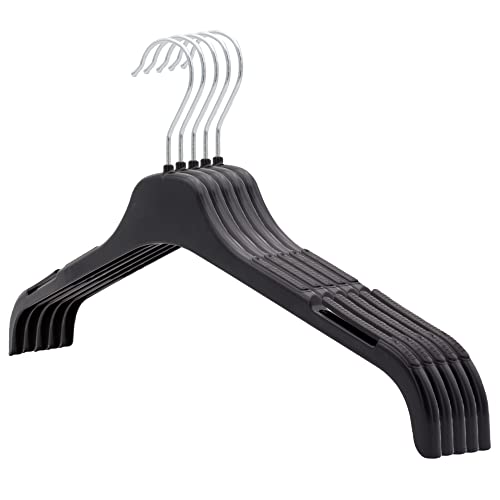

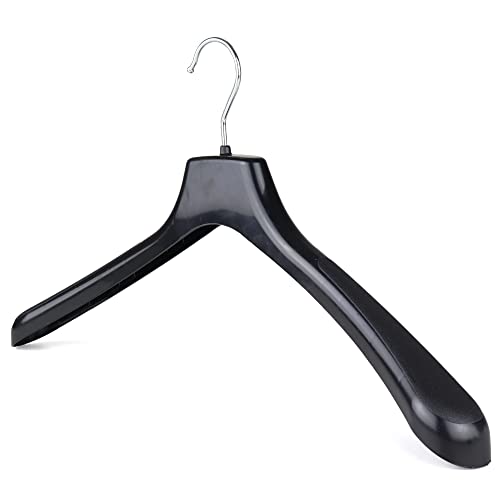

How to Choose Clothes Hangers
Clothes hangers support garments while they are stored inside wardrobes, garment rails and suitable cupboards. The right hanger can help clothing retain its shape, reduce creasing and make different items easier to see and access.
The most suitable design depends on the garment’s size, weight, fabric and construction. A slim velvet hanger may suit lightweight shirts, while a broad wooden hanger can provide better support for structured jackets and heavier coats.
Check the hanger dimensions and stated load capacity before use. A hanger that is too narrow may distort the shoulders, while one that is too wide can stretch sleeves or leave marks in the fabric.
Types of Clothes Hangers
Wooden Clothes Hangers
Wooden hangers provide a rigid, structured shape that can support suits, jackets, shirts and heavier garments.
Broader shoulder sections can help distribute weight and reduce sharp creases around structured clothing. Some designs include trouser bars, notches or clips for storing complete outfits.
Wooden hangers usually take up more wardrobe space than slim plastic or velvet alternatives. Check that the wood is smooth and free from rough edges that could catch delicate fabrics.
Plastic Clothes Hangers
Plastic hangers are lightweight, practical and available in a wide range of shapes, colours and sizes.
They can suit everyday tops, shirts, dresses and children’s clothing, depending on their strength and design. Some include shoulder notches, rotating hooks or integrated trouser bars.
Thin plastic hangers may bend under heavy coats or wet clothing. Check for cracks and sharp edges before use.
Velvet Clothes Hangers
Velvet hangers have a soft, textured surface designed to help slippery garments remain in place.
Their slim profile can help increase hanging space inside a wardrobe. They may suit blouses, dresses, shirts and lightweight trousers where the design includes a suitable bar.
The flocked coating can wear or transfer if damaged or damp. Check that the hanger is clean and completely dry before using it with light-coloured or delicate clothing.
Padded Clothes Hangers
Padded hangers provide a soft surface for lingerie, delicate blouses, dresses and garments that may be marked by harder materials.
Their rounded shape can reduce sharp shoulder creases, although they may not provide enough strength for heavy jackets or coats.
Check the outer fabric for rough seams, loose decorations or damage that could catch fine materials.
Metal Clothes Hangers
Metal hangers can be strong and slim, making them useful where wardrobe space is limited.
Coated or rubberised designs may offer additional grip and help reduce direct contact between clothing and metal. Check for exposed wire, rust or sharp ends before use.
Very thin wire hangers can distort garments and may not support heavier clothing effectively.
Trouser Hangers
Trouser hangers may use a horizontal bar, clamps, clips or folding sections to hold trousers without placing them over a standard hanger.
A padded or non-slip bar can help reduce movement and crease marks. Clamp designs hold trousers across the waistband or hem, depending on the product.
Check that clips and clamps apply enough pressure to hold the garment without marking or damaging the fabric.
Skirt Hangers
Skirt hangers usually include two adjustable clips that attach to the waistband.
They can also be suitable for shorts and certain trousers. Clips with protective pads may help reduce marks on delicate or lightweight materials.
Position the clips evenly to distribute the garment’s weight and prevent the waistband from becoming distorted.
Suit Hangers
Suit hangers are designed to support structured jackets and matching trousers.
They usually include broad shoulders and a trouser bar. A contoured shape can help maintain the jacket’s intended form and reduce creasing during storage.
Choose a hanger wide enough to support the jacket without extending beyond the shoulders.
Coat Hangers
Heavy coats and outdoor jackets require strong hangers with suitable shoulder support and weight capacity.
Wide wooden or reinforced plastic designs may be more appropriate than thin wire or lightweight hangers.
Check that the wardrobe rail and fittings can also support the combined weight of several heavy garments.
Children’s Clothes Hangers
Children’s hangers are shorter than adult designs and are intended to fit smaller garments without stretching the shoulders.
They may be available in different sizes for babies, toddlers and older children. Check the width against the clothing rather than relying only on the age description.
Keep small detachable clips and accessories away from young children.
Baby Clothes Hangers
Baby hangers are designed for bodysuits, sleepwear, outfits and small coats.
Rounded edges and compact dimensions can help protect smaller garments. Some include size labels or dividers for organising clothes by age.
Do not overload lightweight baby hangers with blankets, bags or other heavy items.
Multi-Tier Hangers
Multi-tier hangers hold several pairs of trousers, scarves, ties or garments vertically within a smaller section of rail.
They can increase storage capacity, but the combined weight may become substantial. Check the hanger’s stated load and the strength of the wardrobe rail.
Make sure lower garments remain accessible and do not drag on the wardrobe floor.
Cascading and Space-Saving Hangers
Cascading hangers connect several garments vertically or allow hangers to hang from one another.
They can help reduce the rail width used by shirts, trousers and coordinated outfits. However, the garments may become harder to see and the total suspended weight can strain hooks or rails.
Use these systems only with suitable lightweight clothing and compatible hangers.
Clip Hangers
Clip hangers can hold skirts, trousers, boots, accessories and selected household textiles.
Adjustable clips allow the spacing to be changed for different garment widths. Protective grips may help reduce marks and improve hold.
Avoid using strong clips on delicate fabrics without testing a hidden area first.
Hangers with Accessory Hooks
Some clothes hangers include hooks, loops or notches for straps, belts, ties and matching accessories.
These features can help keep complete outfits together. Check that accessories do not pull the garment out of shape or create excessive weight on one side.
Small hooks should be smooth and securely attached.
Important Buying Considerations
Hanger Width
The hanger should support the garment near the natural shoulder points without extending into the sleeves.
A hanger that is too narrow can cause fabric to sag and create dents closer to the neckline. A hanger that is too wide may stretch the shoulders or leave protruding marks.
Measure a well-fitting existing hanger or compare the garment shoulder width where needed.
Garment Weight
Lightweight shirts and blouses need less support than coats, suits and heavy knitwear.
Check the hanger’s construction and stated weight capacity. Thin plastic and wire designs can bend under heavier loads.
Also consider the combined load placed on the wardrobe rail.
Shoulder Shape
Contoured hangers follow the shape of structured jackets and coats, helping support the shoulders more evenly.
Flat hangers save space and can suit shirts, tops and lightweight garments.
Rounded or padded shoulders may be useful for delicate fabrics that develop sharp hanger marks easily.
Thickness
Slim hangers allow more garments to fit along the rail. They can suit lightweight clothing and wardrobes where space is limited.
Thicker hangers provide more support but reduce the number of garments that can hang side by side.
Avoid overcrowding the wardrobe, as tightly packed clothing can crease and become difficult to remove.
Grip
Velvet coverings, rubberised bars and textured sections can help prevent slippery fabrics from falling.
Too much grip can make garments harder to remove and may catch delicate fibres. Check that coatings remain smooth and intact.
Shoulder notches can help hold dresses and tops with straps.
Hook Design
Hooks may be fixed, rotating or swivel-mounted.
A rotating hook can make it easier to position garments on rails and garment racks. The connection should remain secure and should not twist loosely under weight.
Check that the hook fits the diameter of the wardrobe rail.
Trouser Bars
Trouser bars can be smooth, coated, padded or covered with a non-slip material.
A secure bar should hold folded trousers without leaving a deep crease. Open-ended designs can make garments easier to remove but may allow them to slide off.
Check whether the bar is firmly attached and strong enough for heavier fabrics.
Clips and Clamps
Clips should hold garments securely without puncturing, crushing or staining the fabric.
Adjustable clips offer greater flexibility for different waist sizes. Padded clip surfaces can help protect delicate materials.
Test strong clamps on a hidden section before storing valuable clothing for a long period.
Material
Wood provides rigid support and a traditional appearance. Plastic is lightweight and versatile, while velvet designs offer grip and a slim profile.
Metal can be strong and space-efficient but needs a smooth protective finish to reduce snagging and rust risks.
Choose according to the garments, wardrobe space and preferred care routine.
Wooden or Velvet Clothes Hangers
Wooden hangers are generally stronger and provide broader support for jackets, coats and formal clothing. They take up more rail space and can be heavier.
Velvet hangers are slimmer and help prevent lightweight garments from slipping. They may not be suitable for very heavy outerwear or damp clothing.
Many wardrobes benefit from using wooden hangers for structured garments and velvet designs for shirts, dresses and lighter clothing.
Plastic or Wooden Clothes Hangers
Plastic hangers are lightweight, affordable and easy to move. Their strength varies considerably according to thickness and construction.
Wooden hangers offer a more rigid shape and can support heavier garments. They are bulkier and may require more wardrobe space.
Choose based on garment weight and shoulder support rather than appearance alone.
Slim or Wide Clothes Hangers
Slim hangers make better use of limited rail space and can help create a consistent wardrobe layout.
Wide hangers support structured clothing more evenly and may reduce shoulder dents.
Avoid using slim designs simply to fit more clothing into an already overcrowded wardrobe. Garments still need enough room to hang without being crushed.
Choosing Hangers for Shirts and Blouses
Shirts and blouses usually suit lightweight, smooth or non-slip hangers with enough width to support the shoulders.
Button the top or second button where helpful to keep the garment aligned. Smooth collars and cuffs before storage to reduce creasing.
Delicate blouses may benefit from padded or velvet hangers, depending on the material.
Choosing Hangers for Dresses
Dresses may require shoulder notches, strap hooks or non-slip coatings to remain secure.
Check the garment’s weight and length. Heavy dresses need stronger hangers, while long garments need enough wardrobe height to avoid dragging on the floor.
Formal and embellished dresses may require padded hangers and breathable garment covers.
Choosing Hangers for Suits
Use broad, contoured hangers that support the jacket close to its natural shoulder width.
Store matching trousers on a suitable bar or dedicated trouser hanger. Avoid thin wire hangers that can distort tailored clothing.
Leave enough space between suits for airflow and to reduce crushing.
Choosing Hangers for Coats and Jackets
Heavy coats require reinforced hangers with broad shoulders and secure hooks.
Do not hang several coats from one hanger or use accessory hooks as a substitute for proper support.
Check the wardrobe rail, brackets and wall fixings regularly where multiple heavy garments are stored.
Choosing Hangers for Trousers
Trousers can be folded over a padded bar, held by clips or secured within a clamp-style hanger.
Folding trousers along the natural crease can help maintain their shape. Use a smooth bar to reduce visible pressure lines.
For delicate or slippery fabrics, choose a design with protective grip rather than increasing clip pressure unnecessarily.
Choosing Hangers for Skirts
Use adjustable clip hangers positioned evenly along the waistband.
Check that the clip padding is clean and does not transfer colour. Avoid clamping directly onto fragile decorative panels or delicate fastenings.
Structured skirts may need wider clip spacing to keep the waistband level.
Choosing Hangers for Knitwear
Heavy jumpers, cardigans and knitted garments are often better folded because hanging can stretch the shoulders and body.
Where a garment’s care instructions permit hanging, fold it over a padded bar or use a supportive method that distributes weight more evenly.
Do not use narrow hangers that create pronounced shoulder points.
Choosing Hangers for Delicate Clothing
Silk, lace, satin and fine fabrics can snag, slip or develop marks.
Use smooth padded or velvet hangers without rough seams, exposed wire or sharp notches.
Check the garment periodically and avoid leaving heavy accessories attached to delicate clothing.
Choosing Hangers for Children’s Clothing
Use smaller hangers that match the width of the garment.
Adult hangers can stretch children’s tops and dresses, while very small baby hangers may not support older children’s clothing properly.
Colour coding or wardrobe dividers can help organise clothing by child, size or season.
Choosing Hangers for School Uniforms
Strong, easy-to-use hangers can help keep shirts, skirts, trousers, blazers and complete uniforms together.
A hanger with a trouser bar or skirt clips can reduce the number of separate items placed on the rail.
Avoid overloading one hanger with bags, belts and heavy outerwear.
Hangers for Coordinated Outfits
Combination hangers can store jackets, shirts, trousers and accessories together.
This can make workwear, school uniforms and planned outfits easier to find. Check that the total weight remains within the hanger’s limit.
Keep accessories positioned so they do not crush or snag the main garment.
Hangers for Scarves, Ties and Belts
Specialist hangers may include loops, hooks or bars for organising accessories.
Scarves should hang without sharp creases or rough edges catching the fabric. Belts can be stored by suitable buckles or hooks without becoming tightly bent.
Tie hangers should keep each item visible and separated to reduce wrinkles.
Hangers for Handbags
Some hooks and accessory hangers are designed for lightweight bags.
Heavy handbags can distort ordinary clothes hangers or place excessive strain on wardrobe rails. Store structured bags on shelves where possible.
Check the hook’s load limit and keep metal fittings away from delicate garments.
Hangers for Wet Clothing
Do not place dripping wet garments on ordinary wooden, velvet or padded hangers unless they are specifically suitable.
Moisture can stain wood, damage flocked coatings and create odours inside padding.
Use waterproof or purpose-designed drying hangers and provide suitable ventilation. Check the garment care label before hanging wet clothing, as some items should dry flat.
Clothes Hangers and Wardrobe Space
Using matching slim hangers can create a more orderly rail and reduce wasted gaps between different shapes.
However, replacing every hanger with the thinnest option is not always suitable. Heavy and structured garments still require adequate support.
Group similar garments together and leave enough space to move hangers without pulling or crushing clothes.
Preventing Shoulder Marks
Choose a hanger that matches the garment width and has rounded or contoured shoulders.
Avoid narrow hangers with sharp ends. Padded designs may help with delicate blouses, dresses and knitwear.
Do not leave heavy damp garments hanging for long periods, as their weight can increase stretching and shoulder dents.
Preventing Clothes from Slipping
Use velvet, rubberised or notched hangers for suitable slippery fabrics.
Fasten buttons, zips or straps where appropriate and make sure the garment is centred.
Do not add rough adhesive materials to hangers unless they are designed for clothing, as they may transfer residue or damage fabric.
Preventing Creases
Smooth garments before hanging and make sure sleeves, collars and waistbands are not folded awkwardly.
Avoid forcing clothing into an overcrowded rail. Leave enough room for each garment to hang naturally.
Use trouser bars and skirt clips that distribute pressure evenly.
Avoiding Stretching and Distortion
Do not use oversized hangers for smaller garments or place heavy knitwear on narrow shoulder points.
Empty heavy pockets before hanging jackets, coats and trousers.
Follow garment care labels, particularly for wool, knitwear and stretch fabrics that may need folded storage.
Wardrobe Rail Capacity
Clothes hangers can organise clothing efficiently, but the wardrobe rail still has a maximum safe load.
Heavy wooden hangers, coats, suits and multi-tier systems can create substantial combined weight.
Check rails, brackets and supports for bending or looseness. Do not add more garments if the rail begins to sag.
Clothes Hanger Spacing
Leave enough space between garments to allow movement and reduce creasing.
Tightly packed clothing can trap moisture, restrict airflow and make it difficult to see what is stored.
Remove unused hangers and review clothing regularly to create a more manageable wardrobe.
Matching Hangers or Mixed Hangers
Matching hangers create a consistent appearance and can use rail space more efficiently.
Mixed hangers allow you to choose the correct support for each garment. This is usually more practical for wardrobes containing coats, suits, dresses, shirts and delicate clothing.
Organisation should not come at the expense of correct garment care.
Hangers for Small Wardrobes
Slim hangers, multi-tier designs and cascading systems can increase capacity.
Use space-saving products carefully and avoid adding more weight than the rail or hanger can support.
Store heavy clothing on strong individual hangers and use vertical systems mainly for lighter garments.
Hangers in Open Wardrobes and Garment Rails
Open storage exposes garments and hangers to more dust and light.
Choose hangers with a consistent appearance where visual organisation matters. Keep the rail away from direct sunlight, heaters and damp walls.
Use garment covers for suitable seasonal or formal clothing.
Hangers in Damp Wardrobes
Moisture can encourage mould, rust and odours on clothing and hangers.
Do not place damp garments inside the wardrobe. Address condensation, leaks and poor ventilation rather than relying on moisture-resistant hangers alone.
Check wooden, padded and velvet hangers regularly for dampness or discolouration.
Cleaning Plastic Hangers
Wipe plastic hangers with a suitable damp cloth and dry them completely before returning clothing.
Pay attention to hooks, notches and trouser bars where dust collects.
Replace hangers that are cracked, warped or sharp.
Cleaning Wooden Hangers
Dust wooden hangers using a soft cloth.
Avoid soaking them or applying unsuitable household cleaners. Excess moisture can cause swelling, staining, roughness or damage to the finish.
Check for splinters and stop using hangers that could snag clothing.
Cleaning Velvet Hangers
Remove dust and loose fibres using a soft brush, clean cloth or another method recommended by the manufacturer.
Do not soak flocked hangers unless the care instructions permit it. Water can affect the adhesive and surface texture.
Allow damp hangers to dry completely before storing garments.
Cleaning Metal Hangers
Wipe coated metal hangers and dry them thoroughly.
Inspect for rust, chipped coatings, bent sections and sharp edges. Do not use corroded hangers on damp or light-coloured clothing.
Replace damaged protective caps or complete hangers where necessary.
Maintaining Clips, Bars and Hooks
Inspect moving parts regularly for:
- Weak springs
- Loose clips
- Cracked grips
- Rotating hooks that wobble
- Detached trouser bars
- Sharp edges
- Rust
- Bent metal
- Split plastic
Replace hangers that no longer hold garments securely.
When to Replace Clothes Hangers
Replace a hanger when it becomes:
- Bent or warped
- Cracked
- Splintered
- Rusted
- Sticky
- Rough
- Unable to support the garment
- Damaged around the hook
- Worn around clips or bars
- A source of marks or snags
Do not continue using weak hangers simply because they remain in one piece.
Reusing and Repurposing Hangers
Hangers that are no longer suitable for formal or delicate clothing may still be useful for lightweight household items, provided they remain smooth and safe.
Do not repurpose damaged wire, cracked plastic or splintered wood where it could cause injury.
Donate unwanted hangers only when they are clean, intact and suitable for reuse.
Clothes Hangers Around Children
Keep small clips, removable size markers and broken components away from young children.
Do not allow children to climb wardrobe rails or use hangers as toys. Metal hooks and broken plastic can cause injury.
Store heavy garments where children cannot pull them down.
Clothes Hangers Around Pets
Pets may chew wooden, plastic, velvet and padded hangers.
Keep loose hangers and wardrobe accessories out of reach. Check lower storage areas regularly for damage.
Do not use clothes hangers as improvised pet equipment.
Useful Clothes Hanger Accessories
Useful accessories may include:
- Wardrobe dividers
- Size markers
- Trouser clips
- Non-slip strips
- Hanger connectors
- Garment bags
- Wardrobe rails
- Hook organisers
- Storage boxes
- Clothes covers
Check compatibility before adding clips or connectors to existing hangers.
Avoid accessories that create sharp edges, excessive weight or pressure on delicate garments.
Why Buy Clothes Hangers from YPC?
At YPC, we understand active lifestyles and the need for practical products that work in real use. Our Clothes Hangers category makes it easier to compare wooden, plastic, velvet, padded, trouser and children’s designs for different garments.
Browse the available options and compare width, material, grip, load capacity and storage features to find hangers suited to your clothing and wardrobe space.
Frequently Asked Questions
What type of clothes hanger is best for coats?
Choose a strong hanger with broad shoulders and a suitable weight capacity. Wooden or reinforced designs are often more appropriate than thin wire hangers.
Are velvet hangers suitable for all clothing?
No. Velvet hangers suit many lightweight and slippery garments, but they may not provide enough support for heavy coats or structured jackets.
How wide should a clothes hanger be?
It should support the garment close to its natural shoulder points without extending into the sleeves or sitting too close to the neckline.
Should jumpers be hung on clothes hangers?
Many knitted garments are better folded because hanging can stretch the shoulders and body. Follow the garment care instructions.
How can I stop dresses slipping from hangers?
Use hangers with velvet surfaces, non-slip sections or shoulder notches. Make sure straps are positioned securely and the garment is centred.
 Getting ready for Summer? View our Home and Garden Products

Heading outdoors this winter? Take a look at our Outdoor Clothing.
