

Over Door Storage
Over Door Storage for Making Better Use of Vertical Space
Over door storage helps turn unused door space into practical organisation for clothing, shoes, toiletries, towels, cleaning supplies and other household belongings. It can provide additional storage without taking up valuable floor, drawer or shelf space.
Browse over door hooks, hanging pockets, shoe organisers, bathroom caddies, towel racks and multi-tier storage systems. Compare products by their full dimensions, hook size, compartment capacity, door compatibility, materials and maximum stated load.
Explore Over Door Storage at YPC to find practical organisation solutions for bedrooms, bathrooms, wardrobes, kitchens, utility rooms and smaller homes where space is limited.
- Over Door Storage
Dahey Over The Door Organizer, Boho Nursery Storage Decor, White, 5 Pockets
£22.99 *View On Amazon* - Over Door Storage
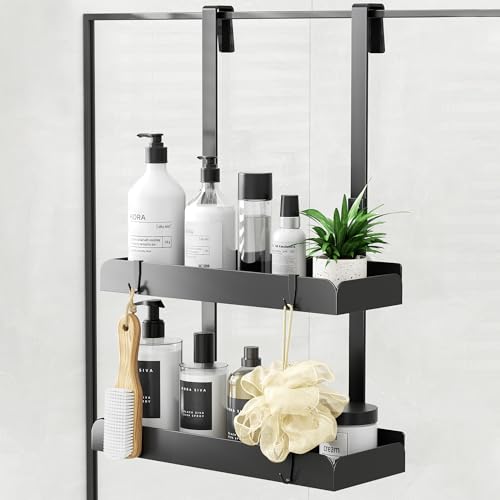
UUlioyer Hanging Shower Caddy Over Door Shower Shelf, Black
£17.99 *View On Amazon* - Over Door Storage
HapiRm Over Door Towel Rack, 3 Tier Wall Mounted Towel Rack with Metal Shelf Basket and 6 Hooks
Original price was: £24.99.£23.99Current price is: £23.99. *View On Amazon* - Over Door Storage
KEEGH 6 Tier Over The Door Hanging Storage Organiser with 8 Side Pockets
Original price was: £21.99.£19.99Current price is: £19.99. *View On Amazon* - Over Door Storage
INFANZIA Over The Door Hanging Storage Organiser, 5 Tier Wardrobe Storage with Side Pockets
Original price was: £18.99.£17.99Current price is: £17.99. *View On Amazon* - Over Door Storage
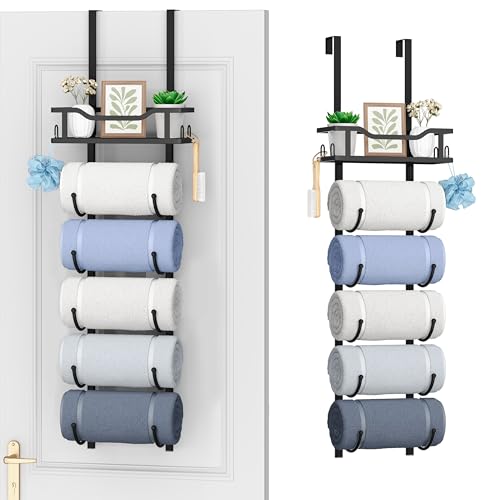
6-Tier Black Over Door Towel Rail, Wall Mounted Bathroom Organiser
Original price was: £10.99.£9.99Current price is: £9.99. *View On Amazon* - Over Door Storage
MISSLO Over Door Shoe Rack, 8 Shelves, 20 Pairs, Black
Original price was: £15.99.£13.99Current price is: £13.99. *View On Amazon* - Over Door Storage
TOPWE 6-Tier Adjustable Over Door Storage Organiser, White
£39.99 *View On Amazon* - Over Door Storage
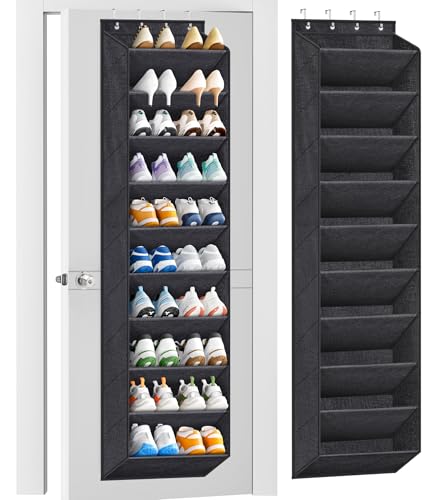
MISSLO 10 Tier Over Door Shoe Organiser, Large Pockets, Black
£18.82 *View On Amazon* - Over Door Storage
VOPTON 28 Large Pocket Over The Door Shoe Organizer with 4 Metal Hooks, White
£11.49 *View On Amazon* - Over Door Storage
XMSHYODSM Over Door Storage Organiser, 2 Pack, 5 Mesh Pockets
£12.99 *View On Amazon* - Over Door Storage
SWTYMIKI Over Door Towel Rack 6 Tier Bathroom Storage Organiser with Shelf
£22.99 *View On Amazon* - Over Door Storage
AnchorsUp Cruise Cabin Over Door Organiser, 24 Pockets
Original price was: £13.99.£11.99Current price is: £11.99. *View On Amazon* - Over Door Storage
Extra-Large Over the Door Shoe Storage Rack, 10-Tier, Black
Original price was: £22.90.£18.18Current price is: £18.18. *View On Amazon* - Over Door Storage
Autumnlife 5-Tier Over Door Storage Organiser, Ivory, 2-Pack
£25.99 *View On Amazon*










How to Choose Over Door Storage
Over door storage uses the front or back of a suitable door to organise household items without requiring additional floor-standing furniture. Products may hang from hooks over the top of the door or attach using screws, adhesive fittings or purpose-designed brackets.
The right organiser depends on the door dimensions, available clearance and the type and weight of the belongings you need to store.
Measure carefully before ordering. Check the door thickness, height, width, gap above the door and clearance between the door and surrounding frame.
Types of Over Door Storage
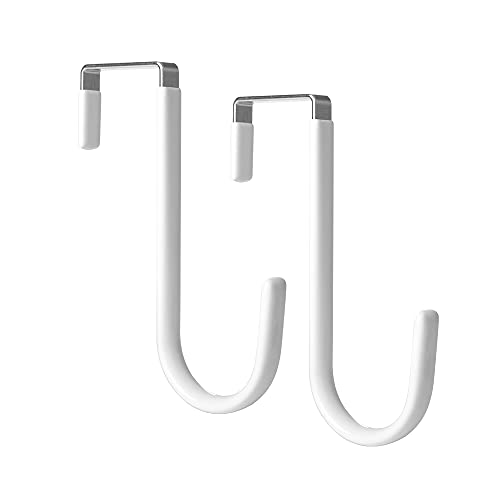
Over Door Hooks
Over door hooks provide hanging space for coats, dressing gowns, towels, handbags and other suitable items.
They may include one large hook or several smaller hooks across a rack. Some designs are padded or coated to help protect the door and reduce movement.
Check the size of the top bracket and make sure the door can still close without forcing the hooks against the frame.
Multi-Hook Over Door Racks
Multi-hook racks spread several hanging points across the width of the door.
They can help organise clothing, towels, bags and accessories in bedrooms, bathrooms and hallways. The combined weight can become substantial, even when each individual item feels light.
Check the total stated load and distribute belongings evenly rather than placing everything on one side.
Over Door Pocket Organisers
Pocket organisers usually include several fabric, mesh or clear sections arranged vertically.
They can hold shoes, toiletries, clothing accessories, toys, craft supplies and other smaller household items. Clear pockets make contents easier to identify, while fabric designs can create a tidier appearance.
Check the dimensions of each individual pocket. Larger bottles, shoes and bulky accessories may not fit safely.
Over Door Shoe Organisers
Shoe organisers use pockets, shelves or metal supports to store footwear vertically.
They can help free wardrobe and floor space in bedrooms, dressing areas and utility rooms. Pocket sizes vary considerably, so check compatibility with larger trainers, boots and wide-fit shoes.
Clean and dry footwear before storage. Heavy shoes may place excessive strain on lightweight fabric organisers or the supporting door.
Over Door Towel Racks
Towel racks provide rails or hooks for hanging hand towels, bath towels and dressing gowns.
They can be useful in bathrooms where wall space is limited or drilling is unsuitable. Check that wet towels will not touch the floor or prevent the door from opening fully.
Leave enough space around towels for air to circulate and allow them to dry properly.
Over Door Bathroom Organisers
Bathroom organisers may include baskets, pockets, hooks or shelves for toiletries, hair products, cleaning accessories and spare supplies.
Choose materials suitable for humid conditions and occasional splashes. Metal components should have an appropriate moisture-resistant finish where listed.
Keep medicines, razors and strong cleaning products securely away from children rather than relying solely on the height of the organiser.
Over Door Kitchen Organisers
Kitchen door organisers can store cloths, foil, food-storage accessories, lightweight utensils and suitable cupboard supplies.
Check that the organiser and stored products do not interfere with cupboard shelves, hinges or nearby appliances.
Keep food, cleaning chemicals and pet products in separate storage. Do not store heavy glass bottles or sharp utensils unless the organiser is specifically designed for them.
Over Door Pantry Storage
Pantry-style organisers may contain several baskets for tins, packets, jars and smaller food products.
The weight can build quickly when multiple containers are added. Check both the organiser’s capacity and the strength of the door and hinges.
Make sure products remain secure when the door is opened and closed. Tall bottles and glass jars should not be able to fall from shallow baskets.
Over Door Wardrobe Organisers
Wardrobe door organisers can add space for shoes, scarves, belts, jewellery, handbags and clothing accessories.
Check the wardrobe-door thickness and internal clearance. Organisers placed inside the wardrobe must not collide with shelves, drawers or hanging clothes when the door closes.
Sliding wardrobe doors are generally unsuitable for standard over door hooks unless a product specifically states compatibility.
Over Door Laundry Storage
Over door laundry organisers may include hanging bags, peg storage, ironing accessories or pockets for smaller laundry products.
Check the maximum load carefully. Damp clothing and towels can be much heavier than dry items.
Laundry detergents, capsules and stain removers should remain in their original packaging and be stored securely away from children and pets.
Over Door Cleaning Storage
Cleaning organisers can keep cloths, brushes, gloves and lightweight accessories together.
Avoid overloading pockets with large bottles unless the organiser is designed for liquids and can hold them upright. Leaking products can damage the door, flooring and other stored items.
Strong or incompatible chemicals should be kept securely separated according to their storage instructions.
Over Door Toy Organisers
Pocket organisers can help group soft toys, figures, games and craft materials in children’s bedrooms and play areas.
Choose smooth, securely attached products without long loose cords or small detachable parts.
Do not store heavy toys, batteries, sharp objects or choking hazards where children can pull them down.
Over Door Office Organisers
Office organisers may hold stationery, cables, notebooks, folders and small equipment.
Check the pocket dimensions and total weight before loading them with paper, as documents can become heavy quickly.
Confidential papers, valuable devices and sensitive information may need more secure storage.
Important Buying Considerations
Door Thickness
Measure the thickness at the top of the door and compare it with the organiser’s hook opening.
A hook that is too narrow will not fit, while one that is too wide may move, rattle or cause the organiser to hang at an angle.
Protective pads or spacers may help where supplied, but they should not prevent the door from closing.
Clearance Above the Door
There must be enough space between the top of the door and the frame for the bracket or hook.
Even a thin metal hook may prevent a tightly fitted door from closing correctly. Check the gap across the full width because it may not be even.
Do not force the door shut if the organiser catches on the frame.
Door Width
Wide racks and organisers need enough flat door surface to hang securely.
Measure between the outer edges and check for raised panels, handles, glazing and decorative mouldings.
The organiser should not extend beyond the door edges or interfere with nearby walls.
Door Height
Check the full hanging length, particularly for multi-pocket organisers and towel racks.
A long organiser may cover the door handle, drag on the floor or become trapped when the door moves.
Make sure lower pockets remain accessible without creating a trip or entanglement hazard.
Door Material
Over door storage may be suitable for solid timber, composite or certain hollow doors, depending on the product.
Lightweight internal doors may not support heavy loads. Glass, mirrored, sliding, folding and fire-rated doors may have additional restrictions.
Check the door manufacturer’s guidance where the construction or load capacity is uncertain.
Door Operation
Open and close the door slowly after fitting the empty organiser.
Check that it does not:
- Catch the frame
- Press against hinges
- Strike the wall
- Cover the handle
- Block a lock
- Obstruct a door closer
- Damage a seal
- Prevent full opening
- Interfere with shelves
- Create excessive noise
Load the organiser gradually and test the door again.
Maximum Load
The organiser, hooks, door and hinges must all support the combined weight.
Several towels, handbags, shoes or bottles can become much heavier than expected. Follow the lowest stated limit across the complete setup.
Do not assume that unused pockets mean more weight can safely be added.
Compartment Size
Check the width, depth and height of individual baskets or pockets.
Small pockets can suit socks, accessories and toiletries, while deeper compartments may hold footwear or bottles.
Overfilling pockets can stretch the material, damage stitching and cause contents to fall when the door moves.
Materials
Fabric organisers are lightweight and flexible. Plastic pockets can be wipe-clean, while metal racks may provide greater structure.
Wood or bamboo designs can offer a decorative finish but may require additional protection in damp rooms.
Choose materials suited to the stored items and the conditions in the room.
Cleaning Requirements
Organisers used for shoes, toiletries and cleaning products may need regular maintenance.
Removable fabric organisers can be easier to wash where the care instructions permit it. Plastic and coated metal may be suitable for wiping.
Check whether the complete unit can be removed without damaging the door or fixings.
Over Door Hooks or Wall Hooks
Over door hooks provide storage without drilling and can be moved between compatible doors.
Wall hooks offer a more permanent solution and may support greater loads when correctly fixed to a suitable surface.
Over door storage can be convenient in rented homes, but it may affect door clearance or place additional pressure on hinges. Wall hooks require installation and may need landlord permission.
Over Door Storage or Freestanding Storage
Over door organisers use vertical space and keep the floor clear. They can suit compact rooms and temporary storage needs.
Freestanding racks, shelves and cabinets usually provide more stable support and greater capacity. They require additional floor space and may need wall restraints.
Choose over door storage for lighter belongings and freestanding furniture for heavier or larger collections.
Fabric or Metal Over Door Organisers
Fabric organisers are lightweight, often foldable and suitable for pockets and softer belongings.
Metal racks provide a more rigid structure and may suit towels, baskets and hooks. They can be heavier and may mark doors if protective padding is missing or damaged.
Neither material is suitable for every task. Compare load capacity, room conditions and cleaning requirements.
Hooks or Pocket Organisers
Hooks provide quick access for clothing, towels and bags. They are simple but can allow belongings to overlap or become crowded.
Pocket organisers separate smaller items into visible sections. They offer more organisation but have limited capacity for bulky or heavy products.
Many homes use hooks for larger items and pockets for accessories.
Over Door Storage for Bedrooms
Bedroom organisers can hold clothing, shoes, scarves, belts, handbags and dressing accessories.
Keep frequently used items within easy reach and avoid covering the door handle or lock.
Do not overload lightweight bedroom doors with coats, books or heavy bags. Use wardrobe shelves or stronger storage furniture for dense items.
Over Door Storage for Small Bedrooms
Over door pockets and hooks can help reduce the need for extra floor-standing furniture.
Use them for lightweight clothing, accessories and small personal belongings. Avoid packing every pocket tightly, as this can make the organiser bulky and prevent the door opening fully.
Choose slim designs that sit close to the door where space behind it is limited.
Over Door Storage for Bathrooms
Bathroom organisers can provide useful storage for towels, toiletries and grooming tools.
Choose moisture-resistant materials and allow wet items to dry before placing them into enclosed pockets.
Avoid hanging electrical styling tools while they are hot or damp. Keep cables arranged so they cannot catch in the door.
Hanging Towels Over a Door
Make sure the rack is deep enough to hold towels without allowing them to slip.
Wet towels need space to air and should not be layered tightly over one another.
Check that the towel does not touch the floor, toilet or nearby sink. Remove and wash towels regularly rather than leaving them permanently damp.
Storing Toiletries Over a Door
Store bottles upright and make sure basket sides are high enough to contain them when the door moves.
Keep heavy bottles lower down to improve stability. Clean leaks promptly and check product lids before closing the door.
Do not store medicines or hazardous toiletries where children can reach or climb to them.
Over Door Storage for Kitchens
Kitchen organisers can make lightweight accessories and packets easier to reach.
Avoid hanging storage directly beside a hot oven, hob or open flame. Keep it away from areas where steam, grease and cooking splashes may build up.
Check that the organiser does not block ventilation or appliance controls.
Over Door Storage for Utility Rooms
Utility-room doors can support suitable organisers for pegs, cloths, brushes and laundry accessories.
Store wet cleaning tools only where they can drain and dry. Fabric pockets can develop odours if damp items remain inside.
Heavy detergent bottles and chemicals may be safer on a stable cupboard shelf.
Over Door Storage for Hallways
Hooks and racks can provide convenient space for coats, scarves, bags and umbrellas.
Hallway doors are used frequently, so keep stored items close to the door and clear of surrounding walls and furniture.
Wet coats and umbrellas can transfer moisture onto wooden doors and flooring. Allow them to dry in a suitable area.
Over Door Storage for Shoes
Pocket and rack organisers can store frequently worn shoes or seasonal pairs.
Place heavier footwear towards the bottom and distribute pairs evenly.
Avoid storing wet or muddy shoes. Clean and dry them first to reduce marks, smells and moisture damage.
Check each pocket or shelf for wear, particularly when storing larger trainers.
Over Door Storage for Children’s Rooms
Low pockets can help children organise lightweight toys, clothes and craft supplies.
Keep the product securely fitted and choose smooth materials without sharp corners.
Do not store heavy objects above a child’s head. Avoid long cords, loose straps and small components that could create a hazard.
Over Door Storage for Nurseries
Nursery organisers may hold nappies, clothing, blankets and everyday care accessories.
Keep creams, medicines, bags and small objects securely away from babies and toddlers.
Do not fit an organiser where it hangs over a cot, changing area or child’s sleeping space.
Check hooks and stitching regularly for signs of wear.
Over Door Storage for Home Offices
Pocket organisers can group stationery, charging cables, notebooks and paperwork.
Use lightweight contents and avoid filling pockets with dense documents.
Keep scissors, batteries and electrical accessories in suitable secure sections. Valuable devices may require lockable storage.
Over Door Storage in Rented Homes
Over door storage can provide organisation without drilling walls or furniture.
However, hooks may still mark paint, compress the top of a door or affect the frame. Use supplied protective pads and check the fit before loading.
Review the tenancy agreement before using adhesive products, screws or permanent fittings.
Compatibility with Hollow Doors
Many internal doors use lightweight or hollow construction.
Standard over door hooks may be suitable for light loads, but the door and hinges may not support heavy shoes, bottles or coats.
Avoid using screw-fixed organisers unless the door construction and fittings are appropriate.
Use floor-standing or wall-mounted storage where load capacity is uncertain.
Compatibility with Fire Doors
Fire doors are safety-critical products and should not be altered or prevented from closing correctly.
Do not drill into, modify or overload a fire door unless suitable professional guidance confirms that the installation is permitted.
An over door hook must not interfere with door seals, closers, latches or the door’s ability to shut fully.
Where there is any uncertainty, use storage elsewhere.
Compatibility with Sliding Doors
Standard over door organisers are usually unsuitable for sliding and pocket doors.
Hooks and contents may prevent the door from moving into its track or recess. They can also damage adjacent panels.
Use a product specifically designed for the particular sliding-door system or choose another storage location.
Compatibility with Bi-Fold Doors
Bi-fold and folding doors have moving joints and limited clearance.
An organiser may interfere with folding, damage hinges or create uneven weight across the panels.
Only use one where the product and door manufacturer confirm compatibility.
Compatibility with Mirrored and Glass Doors
Avoid standard hooks and racks on mirrored or glass doors unless they are specifically designed for that surface.
Concentrated weight, movement and metal fittings can damage glass or mirror panels.
Use alternative wardrobe storage where suitability is unclear.
Preventing Door Damage
Check that all metal or hard plastic contact points have suitable protective padding.
Inspect the door regularly for:
- Scratches
- Dents
- Paint damage
- Compressed edges
- Loose hinges
- Misalignment
- Marks from movement
- Moisture damage
- Wear around the frame
Remove or reposition the organiser if damage begins to appear.
Preventing Rattling and Movement
An organiser may move whenever the door opens or closes.
Protective pads, lower securing straps or adhesive stabilisers may reduce movement where supplied and suitable.
Do not improvise with strong adhesives that could damage the door finish.
Close the door gently and avoid allowing heavy contents to swing.
Protecting Door Hinges
Additional weight places more strain on hinges, particularly when stored items sit far from the hinge side.
Distribute contents evenly and avoid loading the outer edge heavily.
Check for sagging, rubbing or difficulty closing. Remove weight immediately if the door begins to misalign.
Loose hinges should be repaired appropriately rather than ignored.
Protecting Door Frames
Over door hooks require enough clearance to pass beneath the frame without scraping.
Check the top edge and frame periodically for wear.
Do not force a thick bracket through a narrow gap or continue using a product that causes the door to stick.
Installing Over Door Hooks
Place the empty hooks over the top of the compatible door and fit any supplied pads or spacers.
Open and close the door slowly to check clearance. Add items gradually, beginning with lightweight belongings.
Make sure hooks remain upright and do not slide towards the door edge.
Follow any additional fitting instructions supplied with the product.
Installing Screw-Fixed Organisers
Use only where the door or wall material is suitable.
Mark the fixing positions carefully and use the recommended hardware. Check for glass, wiring and other hidden components before drilling.
Permanent installation may affect door strength, appearance or warranty. Professional installation may be appropriate where the construction is uncertain.
Installing Adhesive Organisers
Clean and prepare the surface according to the adhesive instructions.
Adhesive performance depends on the finish, temperature, humidity and load. Textured, damp or delicate surfaces may be unsuitable.
Allow the adhesive to cure for the stated period before adding weight.
Removing adhesive can lift paint, veneer or coatings, so check compatibility before installation.
Loading an Over Door Organiser
Start with the heaviest suitable items in lower compartments and lighter belongings above.
Distribute weight across the full width rather than placing everything on one side.
Do not fill pockets beyond their normal shape or allow contents to protrude where they could fall.
Test the door after loading and reduce the contents if movement becomes difficult.
Preventing Items from Falling
Choose pockets and baskets deep enough for the stored products.
Avoid placing tall bottles or top-heavy objects in shallow sections. Close any flaps, zips or restraints where provided.
Open and close the door gently. Check contents regularly, particularly where children or pets use the room.
Avoiding Overloading
Overloading can damage the organiser, door, hinges and frame.
Warning signs can include:
- Stretching fabric
- Bent hooks
- Loose stitching
- Sagging pockets
- Door misalignment
- Rubbing against the frame
- Difficulty closing
- Cracking sounds
- Items falling out
- Excessive swinging
Remove weight immediately if any of these problems develop.
Preventing Moisture and Mould
Do not store wet towels, damp shoes or used cleaning cloths inside closed fabric pockets.
Allow wet items to dry fully and maintain suitable ventilation in the room.
Check organisers in bathrooms and utility rooms for musty smells, staining or mould.
Address condensation, leaks and damp rather than relying on moisture-resistant materials alone.
Preventing Cross-Contamination
Use separate organisers for toiletries, shoes, cleaning products, food accessories and children’s belongings.
Do not place clean towels beside leaking cleaning bottles or muddy footwear.
Clean the organiser before changing its purpose or moving it to another room.
Colour coding and labels can help household members use the correct pockets.
Labelling Over Door Organisers
Labels can help identify the contents of fabric pockets and baskets.
Useful labels may include:
- Shoes
- Scarves
- Cleaning cloths
- Toiletries
- Hair accessories
- Children’s clothes
- Craft supplies
- Laundry accessories
- Office supplies
- Guest essentials
Use removable labels where storage needs may change.
Cleaning Fabric Over Door Organisers
Remove all contents and detach hooks, boards or rigid inserts where instructed.
Check whether the organiser is machine washable, hand washable or suitable for spot cleaning only.
Do not soak products containing cardboard or non-washable supports.
Allow every pocket, seam and strap to dry completely before refitting.
Cleaning Plastic Organisers
Wipe or wash plastic pockets and baskets using a suitable method.
Pay attention to corners, seams and drainage holes where residue can collect.
Rinse where required and dry the organiser fully before replacing toiletries, clothing or other belongings.
Avoid very hot water and strong chemicals unless permitted.
Cleaning Metal Racks
Remove stored items and wipe the rack with a suitable cloth.
Dry coated or stainless-steel components thoroughly and inspect for rust, chipped finishes and sharp edges.
Do not continue using a rack that could scratch the door or snag clothing.
Cleaning Wooden and Bamboo Organisers
Dust regularly and wipe sparingly according to the product instructions.
Avoid soaking natural materials, particularly in bathrooms where moisture is already present.
Allow the organiser to dry fully and check for splitting, warping or rough edges.
Maintaining Hooks and Fastenings
Inspect the organiser periodically for:
- Bent hooks
- Damaged padding
- Loose screws
- Split fabric
- Broken straps
- Failed zips
- Cracked plastic
- Rust
- Stretched pockets
- Sharp edges
Repair where the manufacturer permits it or replace the product before it fails.
Over Door Storage Around Children
Heavy or unsafe items should not be stored where children can pull them down.
Avoid organisers with long loose straps, dangling cords or small detachable parts in young children’s rooms.
Check that the door remains easy to open in an emergency and does not become excessively heavy.
Do not allow children to climb or swing from the organiser.
Over Door Storage Around Pets
Pets may chew fabric pockets, straps, hooks and stored products.
Keep food, medicines, cosmetics and cleaning chemicals securely away from animals.
Check lower pockets regularly for damage and avoid storing anything hazardous where a pet could reach it.
Door and Emergency Access
Storage must not prevent a door opening, closing or locking normally.
Do not cover emergency release mechanisms, security devices or essential signage.
Keep the surrounding floor clear and make sure hanging items do not create a trip hazard.
Doors used as emergency exits should remain completely unobstructed.
When to Replace Over Door Storage
Replace an organiser if it becomes:
- Torn
- Bent
- Rusted
- Cracked
- Unstable
- Difficult to clean
- Damaged around hooks
- Unable to hold its contents
- A cause of door misalignment
- Sharp or unsafe
Do not continue adding weight to an organiser that has begun stretching, leaning or pulling away from its supports.
Useful Over Door Storage Accessories
Useful additions may include:
- Protective hook pads
- Removable labels
- Lower stabilising straps
- Storage baskets
- Shoe pockets
- Additional hooks
- Towel rails
- Garment bags
- Drawer organisers
- Wardrobe dividers
Check compatibility before adding accessories or increasing the load.
Use only fittings designed for the organiser and door involved.
Why Buy Over Door Storage from YPC?
At YPC, we understand active lifestyles and the need for practical products that work in real use. Our Over Door Storage category makes it easier to compare hooks, pocket organisers, shoe storage, towel racks and multi-tier systems for different rooms.
Browse the available options and compare dimensions, hook size, materials, capacity and door compatibility to find over door storage suited to your belongings and available space.
Frequently Asked Questions
Will an over door organiser fit any door?
No. Measure the door thickness, width, height and clearance above the frame. Sliding, folding, mirrored and tightly fitted doors may be unsuitable.
Can over door storage damage a door?
Poorly fitting hooks, excessive weight and repeated movement can cause scratches, dents or misalignment. Use protective pads and follow the stated load limits.
How much weight can an over door organiser hold?
Capacity varies by product. Check the organiser’s stated limit and make sure the door and hinges can also support the combined weight.
Can over door organisers be used in bathrooms?
Yes, where the materials are suitable for humid conditions. Avoid storing wet items in enclosed pockets and maintain suitable ventilation.
Can over door storage be used on a fire door?
It should not interfere with the door’s seals, closer, latch or ability to shut fully. Seek appropriate guidance before attaching or hanging anything from a fire door.
 Getting ready for Summer? View our Home and Garden Products

Heading outdoors this winter? Take a look at our Outdoor Clothing.
