

Shoe Storage
Shoe Storage for Organised and Accessible Footwear
Shoe storage helps keep trainers, boots, slippers, work shoes and everyday footwear organised while reducing clutter in hallways, bedrooms and wardrobes. Whether you need a compact rack for a small entrance, boxes for protecting seasonal shoes or a larger cabinet for family footwear, the right design can make pairs easier to find and store.
Browse shoe racks, cabinets, benches, boxes, hanging organisers, underbed storage and stackable solutions. Compare products by their dimensions, capacity, materials, ventilation, assembly requirements and suitability for different types of footwear.
Explore Shoe Storage at YPC to find practical organisation options for hallways, wardrobes, bedrooms, utility rooms and other household spaces.
- Shoe Storage
HOMIDEC 6 Pack Clear Stackable Shoe Storage Boxes, 34.5 x 27 x 19 cm
Original price was: £32.99.£28.99Current price is: £28.99. *View On Amazon* - Shoe Storage
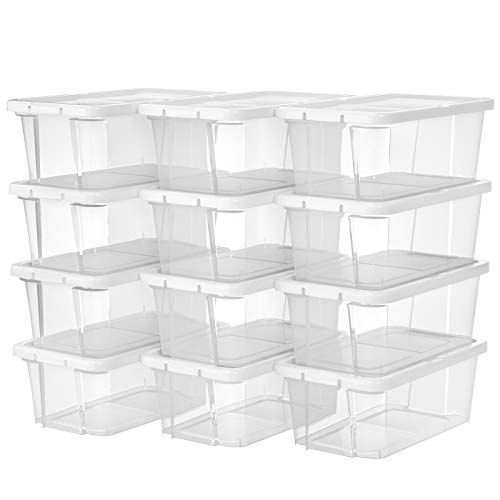
Clear Stackable Shoe Storage Boxes, 12-Pack, Fit UK 12
Original price was: £33.99.£28.99Current price is: £28.99. *View On Amazon* - Shoe Storage
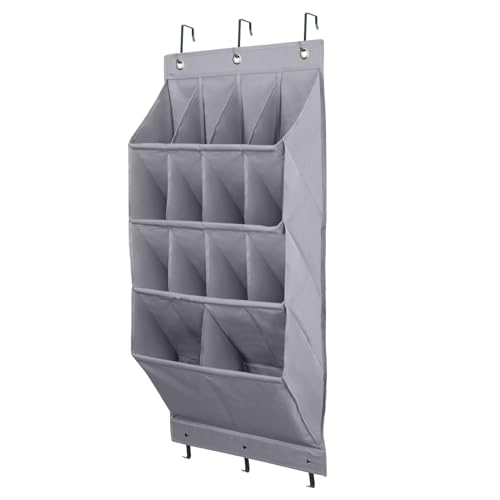
FENTEC Over Door Shoe Storage Organiser, 14 Pockets, Grey
Original price was: £17.99.£16.99Current price is: £16.99. *View On Amazon* - Shoe Storage
Shoe Rack 3 Tier Shoe Storage Bench, Rustic Brown
Original price was: £25.99.£21.84Current price is: £21.84. *View On Amazon* - Shoe Storage
HOOBRO 5-Tier Shoe Rack with Adjustable Mesh Shelves, Rustic Brown EBF12XJ01
Original price was: £51.99.£37.99Current price is: £37.99. *View On Amazon* - Shoe Storage
SYEXDZON Shoe Organiser with Zip Cover and Reinforced Handles, Foldable Black Storage Box
Original price was: £12.99.£11.04Current price is: £11.04. *View On Amazon* - Shoe Storage
SONGMICS Set of 12 Transparent Shoe Storage Boxes with Plastic Lid, Up to Size 41, LSP12WT
Original price was: £33.99.£25.58Current price is: £25.58. *View On Amazon* - Shoe Storage
SONGMICS Shoe Organiser for up to 16 Pairs, Dove Grey LSP621GD01
£15.99 *View On Amazon* - Shoe Storage
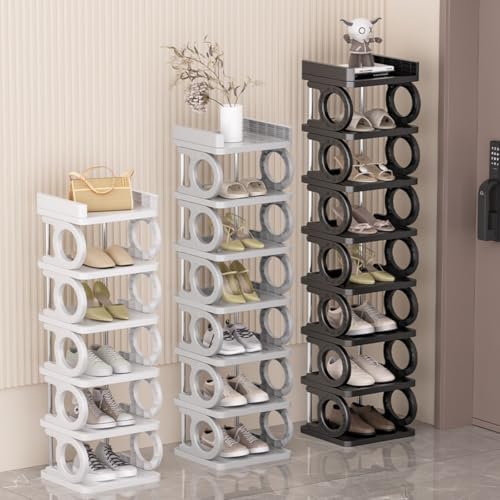
VASAGLE Slim Shoe Rack 7-Tier Narrow Shoe Storage Organiser, Rustic Brown LBS200KD01
Original price was: £22.99.£22.09Current price is: £22.09. *View On Amazon* - Shoe Storage
Kitsure 3-Tier Shoe Rack with Handle, Black
Original price was: £14.99.£9.99Current price is: £9.99. *View On Amazon* - Shoe Storage
OYREL 10 Tier Metal Shoe Rack, Narrow Shoe Storage Organiser, Black
Original price was: £30.99.£25.99Current price is: £25.99. *View On Amazon*









How to Choose Shoe Storage
Shoe storage products organise footwear while helping keep floors, wardrobes and entrance areas easier to manage. The most suitable option depends on how many pairs you own, the types of shoes involved and the space available.
Start by measuring the intended location. Check the full width, depth and height, including doors, handles, feet and any space needed to open drawers or compartments.
Consider the footwear itself. Trainers and flat shoes require less height than boots, high heels or bulky outdoor footwear. A product described as holding a particular number of pairs may accommodate fewer large shoes.
Types of Shoe Storage
Shoe Racks
Shoe racks provide open shelves or rails for storing footwear where it remains visible and easy to reach.
They can suit hallways, bedrooms, wardrobes and utility rooms. Open designs allow air to circulate around recently worn shoes, although they offer limited protection from dust.
Compare the shelf spacing carefully. Fixed tiers may not accommodate boots or high-top trainers, while adjustable shelves offer more flexibility.
Shoe Cabinets
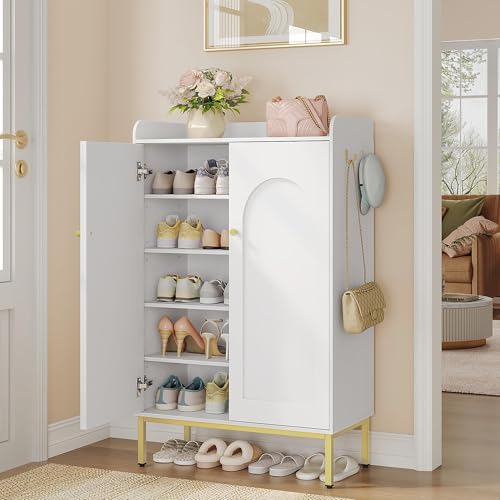
Shoe cabinets provide enclosed storage that hides footwear from view and can create a tidier appearance.
Options may include hinged doors, sliding panels, drawers or tilting compartments. Enclosed designs can reduce visible clutter but may provide less ventilation than an open rack.
Check the internal compartment depth, particularly for larger shoe sizes. Slim cabinets may require footwear to sit at an angle rather than flat.
Slim Shoe Cabinets
Slim shoe storage is designed for narrow hallways, landings and small entrance areas.
Tilt-out compartments can hold several pairs without using the depth required by a traditional shelf. However, the internal space may be unsuitable for boots, very wide trainers or larger men’s footwear.
Measure the available wall and floor space and ensure open compartments will not block doors or walkways.
Shoe Storage Benches
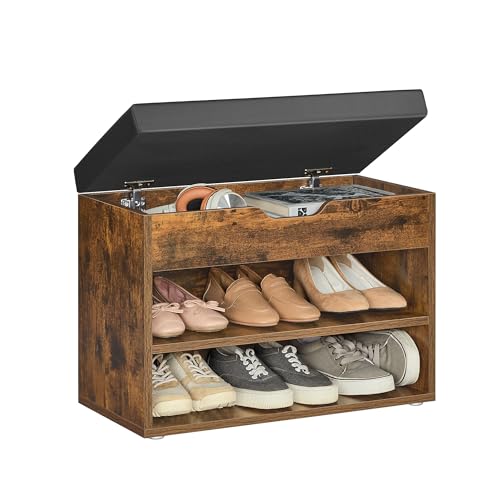
Shoe benches combine footwear storage with a seat that may be useful when putting on or removing shoes.
Storage may be provided through open shelves, drawers, baskets or a lift-up compartment.
Check the maximum stated seating load and whether the product is designed to be sat on. An ordinary low shoe rack should not be used as a bench unless the manufacturer confirms it is suitable.
Stackable Shoe Racks
Stackable racks allow additional levels to be added as your footwear collection grows.
Use only products designed to connect or stack securely. Mixing different rack models may create an unstable arrangement even when their dimensions appear similar.
Place heavier shoes on lower levels and follow any maximum height or load guidance.
Expandable Shoe Racks
Expandable racks can be adjusted to fit a particular wardrobe, hallway or cupboard width.
They provide flexibility when your available space does not match a standard fixed-size product. Check both the minimum and maximum extended dimensions.
Make sure the frame locks securely at the chosen width and does not bow when loaded.
Shoe Boxes
Individual shoe boxes protect footwear from dust and keep pairs separated.
Clear boxes make shoes easier to identify, while opaque designs create a more uniform appearance. Some boxes include drop-front doors, allowing access without removing containers stacked above.
Check the internal dimensions rather than relying only on a stated shoe-size range. Boots, chunky trainers and high heels may need larger boxes.
Stackable Shoe Boxes
Stackable shoe boxes can use vertical space inside wardrobes and dressing areas.
Only stack boxes designed for this purpose. Make sure the base is level and place heavier footwear lower down.
Front-opening designs can make shoes easier to access within a stack, while lift-off lids usually require upper boxes to be removed first.
Underbed Shoe Storage
Underbed organisers use space beneath a bed for seasonal or less frequently worn footwear.
Options may include fabric cases, lidded boxes, wheeled containers and compartmented bags. Measure the clearance beneath the bed at several points because frame supports can reduce the available height.
Clean and dry shoes fully before enclosed storage.
Hanging Shoe Organisers
Hanging organisers attach to wardrobe rails, doors or suitable hooks and provide pockets or compartments for footwear.
They can make use of vertical space without occupying the wardrobe floor. Check the size of each pocket, as larger trainers, boots and wide shoes may not fit.
The combined weight can be significant, so confirm the organiser, hook, rail or door can support the full load.
Overdoor Shoe Storage
Overdoor organisers hold footwear on the back or front of a suitable door.
They can be useful in bedrooms, utility rooms and compact homes, but the fittings must not prevent the door from closing properly.
Check the door thickness, frame clearance and weight limit. Heavy shoes may affect hinges or cause the organiser to move when the door opens.
Boot Racks
Boot racks are designed for taller footwear such as wellingtons, walking boots and work boots.
Some store boots upright, while others use posts that hold them upside down to encourage drying and reduce debris entering the interior.
Check the post diameter and spacing before use. Delicate or lined boots may need a different storage method to avoid stretching.
Boot Trays
Boot trays provide a contained surface for wet or muddy footwear.
They can help protect suitable flooring in hallways, porches and utility rooms. Choose a tray large enough for the footwear without soles extending over the edge.
Empty collected water and dirt promptly and allow both the tray and shoes to dry.
Shoe Storage Cubes
Cube organisers provide individual compartments for shoes and can be arranged in different layouts where the product allows it.
They may suit trainers, flats and children’s footwear. Flexible fabric or plastic cubes may not support heavy boots or large stacks without a suitable frame.
Follow the assembly instructions and use wall restraints where recommended.
Important Buying Considerations
Capacity
Shoe-storage capacity is often stated as an approximate number of pairs. Actual capacity depends on shoe size, style and how footwear is positioned.
A rack that holds twelve pairs of flat shoes may hold fewer pairs of boots or chunky trainers.
Consider your current collection and leave some spare capacity for new or seasonal footwear.
Dimensions
Measure the available width, depth and height before ordering.
Allow space for:
- Cabinet doors
- Tilt-out compartments
- Drawers
- Handles
- Skirting boards
- Nearby doors
- Radiators
- Walkways
- Cleaning around the product
A shallow unit may fit a hallway but provide insufficient internal depth for larger shoes.
Shoe Size and Style
Check whether the product is suitable for the largest footwear that will be stored.
High-top trainers, boots, platform shoes and wide-fit footwear need more space than flats and slippers.
Adjustable shelves and removable dividers can provide greater flexibility where listed.
Ventilation
Recently worn footwear can hold moisture and odours. Open racks and ventilated boxes allow more airflow than completely enclosed cabinets.
Do not place wet shoes directly into sealed storage. Allow them to dry first and clean the storage area regularly.
Ventilation alone will not correct persistent damp or heavily soiled footwear.
Materials
Shoe storage may be made from wood, board, metal, plastic, fabric or mixed materials.
Metal and plastic can be easy to wipe clean, while wood-effect cabinets may suit visible living spaces. Fabric organisers are lightweight but may provide less structure and protection.
Choose a material suited to the room, footwear weight and likelihood of mud or moisture.
Ease of Cleaning
Hallway and utility-room storage can collect mud, dust and grit.
Smooth, wipe-clean surfaces are easier to maintain around outdoor footwear. Removable shelves, trays and washable liners can also simplify cleaning.
Check the care instructions before applying household cleaning products.
Assembly Requirements
Some shoe racks and cabinets arrive flat packed and require assembly.
Check the tools, fittings and number of people recommended. Follow the instructions carefully and do not use the product until every fastener is secure.
Tall cabinets may require wall fixing to reduce the risk of tipping.
Stability
A shoe rack should sit level and remain stable when footwear is removed from one side.
Place heavier items on lower shelves. Do not overload upper levels or allow children to climb on the storage unit.
Use adjustable feet or supplied wall restraints where recommended.
Open Shoe Racks or Enclosed Cabinets
Open racks provide quick access and better ventilation. They are useful for frequently worn footwear and shoes that need time to air after use.
Enclosed cabinets hide the contents and reduce visible clutter. They can also protect shoes from dust, but limited airflow may allow moisture or odours to build up.
A combination can work well. Keep everyday shoes on an open rack and store clean seasonal footwear inside boxes or cabinets.
Shoe Boxes or Shoe Racks
Shoe boxes protect individual pairs and make vertical stacking possible. They require more handling when you want to access a pair, particularly if the boxes open from the top.
Shoe racks provide immediate visibility and access but leave footwear exposed to dust.
Choose boxes for valuable, seasonal or occasional shoes and use racks for pairs worn regularly.
Freestanding or Wall-Mounted Shoe Storage
Freestanding storage can be moved and repositioned as household needs change. It requires enough floor space and may need anchoring if it is tall.
Wall-mounted storage keeps the floor clearer and can suit compact hallways. It requires secure installation into a suitable wall and may not be appropriate in rented accommodation without permission.
Check the installation surface and use the correct fixings for the expected load.
Shoe Storage for Hallways
Hallway storage should keep footwear organised without restricting access through the home.
Slim cabinets, benches and compact racks can suit entrance areas. Make sure doors, stairs and emergency routes remain clear.
Position wet or muddy shoes on a washable tray and avoid allowing water to collect beneath wooden or fabric storage.
Shoe Storage for Wardrobes
Wardrobe shoe storage may include racks, clear boxes, hanging organisers and shelf compartments.
Measure the space beneath hanging clothes so footwear does not touch or mark garments. Keep clean shoes separate from laundry and delicate fabrics.
Place heavier boots on the wardrobe floor rather than high shelves or lightweight hanging organisers.
Shoe Storage for Bedrooms
Bedroom storage can prioritise appearance as well as access.
Decorative cabinets, fabric organisers and matching boxes can keep footwear organised without making the room feel cluttered.
Avoid storing damp or muddy shoes in an enclosed bedroom cupboard. Clean and dry them before bringing them into the room.
Shoe Storage for Utility Rooms
Utility rooms are useful for outdoor footwear, work shoes and frequently used family pairs.
Choose wipe-clean storage that tolerates regular dirt and moisture. Boot trays and ventilated racks can make muddy footwear easier to manage.
Keep shoes away from laundry products, pet food and household chemicals.
Shoe Storage for Children
Children’s shoe storage should be easy to reach, stable and free from sharp edges.
Low racks, labelled boxes and open baskets can help children identify and put away their own footwear.
Avoid tall unsecured units and heavy lids. Keep small fittings and detachable components away from younger children.
Review the storage as shoe sizes change.
Shoe Storage for Family Homes
Family homes may need separate sections for each person or footwear type.
Labels, colour-coded boxes and divided racks can make pairs easier to find during busy mornings.
Consider a larger hallway unit for everyday footwear and separate wardrobe storage for seasonal or formal shoes.
Allow enough capacity so shoes are not piled on top of one another.
Storing Trainers
Allow trainers to dry after wear before placing them into a cabinet or box.
Loosen laces and remove loose dirt. Avoid placing trainers directly beside clean clothing if the soles remain marked.
Clear boxes can make different pairs easy to identify, while open racks provide better airflow for regularly worn footwear.
Storing Boots
Tall boots need enough vertical space to prevent folding and creasing.
Boot shapers or suitable supports may help maintain their form where recommended. Do not overfill boots with materials that could stretch them.
Store clean, dry boots upright or use a compatible boot rack. Heavy boots should remain on lower shelves.
Storing High Heels
High heels can require additional height and careful positioning to avoid pressure on straps, decorations and heel tips.
Individual boxes or divided shelves can prevent pairs becoming tangled.
Avoid stacking heavy footwear on top of delicate heels.
Storing Leather Shoes
Clean leather shoes and allow them to dry naturally before storage.
Use suitable shoe trees or supports where recommended. Avoid sealed plastic storage if the footwear requires ventilation.
Keep leather away from direct heat, persistent damp and strong sunlight.
Follow the shoe manufacturer’s care guidance for conditioning and long-term storage.
Storing Suede and Delicate Footwear
Suede and delicate shoes can mark easily and may require individual dust bags or protective boxes.
Make sure they are completely dry and free from loose dirt before storage.
Avoid contact with cleaning chemicals, wet footwear and rough storage surfaces.
Valuable or specialist shoes may require product-specific care advice.
Storing Seasonal Footwear
Clean and dry seasonal shoes before packing them away.
Label boxes by wearer, size or season. Remove insoles where the manufacturer recommends it and allow all parts to air.
Inspect footwear periodically for moisture, mould or deterioration, particularly when stored in lofts, garages or other variable environments.
Storing Wet or Muddy Shoes
Do not place wet shoes directly into enclosed cabinets or fabric organisers.
Remove loose mud outside or in an easy-to-clean area. Allow footwear to dry naturally according to its care instructions.
Avoid placing shoes directly against radiators or other strong heat sources unless the manufacturer permits it.
Use a boot tray to contain drips while the footwear dries.
Reducing Shoe Odours
Odours are often linked to moisture, bacteria and repeated wear.
Allow shoes to air between uses and avoid wearing the same pair continuously where practical. Clean insoles and footwear according to their care guidance.
Shoe fresheners may mask or reduce odours depending on the product, but they do not replace cleaning and drying.
Persistent odours may indicate that insoles or shoes need deeper cleaning or replacement.
Improving Ventilation
Leave space between pairs and avoid packing shoes tightly into an enclosed cabinet.
Choose ventilated boxes, open racks or cabinets with airflow openings where moisture is a regular concern.
Keep storage away from damp walls and address leaks or condensation rather than relying on ventilation holes alone.
Protecting Floors
Place muddy or wet footwear on a suitable tray before using a rack or cabinet.
Check the base of freestanding storage for grit that could scratch wood, laminate or tiles.
Use suitable protective feet or floor pads where appropriate. Make sure they do not affect the unit’s stability.
Preventing Wall Marks
Shoes stored on open racks can contact nearby walls and leave dirt or scuffs.
Allow enough space between the storage and wall or use a suitable washable protective surface where appropriate.
Do not apply adhesive wall coverings without checking compatibility with the paint or finish.
Organising Shoes by Use
Grouping footwear by use can make storage easier to maintain.
Possible categories include:
- Everyday shoes
- Work footwear
- School shoes
- Sports trainers
- Walking boots
- Formal shoes
- Slippers
- Seasonal footwear
- Gardening shoes
- Children’s shoes
Keep frequently worn pairs near the entrance or at an accessible height.
Organising Shoes by Person
In a shared household, assign shelves, boxes or sections to each person.
Labels can help prevent pairs becoming mixed and make it easier to spot footwear that has been outgrown or is no longer used.
Store children’s everyday shoes lower down and adult formal or seasonal footwear on higher shelves where safe.
Labelling Shoe Storage
Labels are useful when shoes are stored inside opaque boxes or high wardrobe shelves.
Include details such as:
- Owner
- Shoe type
- Colour
- Size
- Season
- Occasion
- Date stored
Photograph labels can make larger collections easier to manage.
Use removable labels where boxes may later hold different pairs.
Avoiding Overcrowding
Do not force more footwear into a rack or cabinet than it is designed to hold.
Overcrowding can crush uppers, bend heels, restrict airflow and make pairs difficult to remove.
Review your footwear periodically and remove pairs that no longer fit, are badly worn or are no longer used.
Leave enough space to return shoes without rearranging the entire unit.
Stacking Shoe Boxes Safely
Stack only boxes designed for the purpose and follow any stated height or weight limits.
Place heavier footwear lower down and keep the stack on a level surface.
Avoid building tall stacks beside beds, stairs, doors or areas where children and pets could knock them over.
Use front-opening boxes if frequent access is needed.
Assembling Shoe Racks and Cabinets
Lay out all components and check them against the instructions before assembly.
Use the correct fittings and tighten them evenly. Do not substitute screws or brackets unless the manufacturer approves them.
Check that doors, drawers and tilt-out sections move freely before loading the unit.
Fit supplied anti-tip restraints where instructed.
Cleaning Shoe Racks
Remove all footwear and vacuum or wipe away loose grit.
Clean shelves using a method suitable for the material and allow them to dry before replacing shoes.
Check corners, rails and joints where dust and mud can collect.
Do not use excess water on board, wood or fabric storage.
Cleaning Shoe Cabinets
Empty the cabinet and leave doors or compartments open.
Wipe internal and external surfaces according to the care instructions. Allow the cabinet to dry and ventilate fully.
Check hinges, handles and moving sections for dirt or looseness.
Persistent odours may require the shoes and storage area to be cleaned separately.
Cleaning Fabric Shoe Organisers
Check whether the organiser is machine washable, hand washable or suitable for spot cleaning only.
Remove rigid inserts and hooks where directed.
Allow all pockets, seams and straps to dry fully before reloading the organiser.
Do not return damp fabric storage to an enclosed wardrobe.
Maintaining Hinges, Clips and Drawers
Inspect shoe storage regularly for:
- Loose screws
- Cracked shelves
- Failed hinges
- Bent rails
- Broken handles
- Torn fabric
- Damaged clips
- Sticking drawers
- Sharp edges
- Signs of rust
Stop using sections that no longer support footwear securely.
Shoe Storage Around Children
Secure tall or narrow cabinets to the wall where the manufacturer recommends it.
Do not allow children to climb shelves, sit on ordinary racks or pull several tilt-out compartments open at once.
Keep cleaning products, shoe polish and small accessories in adult-controlled storage.
Choose smooth, stable units for children’s footwear.
Shoe Storage Around Pets
Pets may chew footwear, fabric organisers, wooden shelves and plastic boxes.
Keep shoe-care products, laces, insoles and small accessories away from animals.
Check lower storage for damage and avoid leaving muddy or food-contaminated shoes where pets can reach them.
Do not use ordinary shoe cabinets as pet enclosures or beds.
When to Replace Shoe Storage
Replace or repair storage where permitted if it becomes:
- Unstable
- Cracked
- Rusted
- Torn
- Difficult to clean
- Affected by persistent mould
- Unable to close correctly
- Sharp around the edges
- Damaged around hinges or handles
- Unable to support its intended load
Do not continue loading a rack that leans, bows or has broken joints.
Useful Shoe Storage Accessories
Useful accessories may include:
- Shoe trees
- Boot shapers
- Boot trays
- Dust bags
- Labels
- Storage boxes
- Shelf dividers
- Shoe cleaning brushes
- Odour-control products
- Protective floor mats
- Replacement shelves
- Wall restraints
Use shoe-care and odour products according to their instructions and keep them away from children and pets.
Check dimensions and compatibility before adding dividers, doors or stackable sections.
Why Buy Shoe Storage from YPC?
At YPC, we understand active lifestyles and the need for practical products that work in real use. Our Shoe Storage category makes it easier to compare racks, cabinets, boxes, benches and hanging organisers for different footwear and household spaces.
Browse the available options and compare dimensions, capacity, ventilation, materials and assembly requirements to find shoe storage suited to your collection and available room.
Frequently Asked Questions
What type of shoe storage is suitable for a small hallway?
Slim cabinets, compact racks and wall-mounted options can use narrow spaces efficiently. Measure carefully and make sure doors and walkways remain clear.
How many pairs will a shoe rack hold?
Capacity depends on shoe size and style. A rack may hold fewer boots, wide shoes or chunky trainers than the stated number of standard pairs.
Is open or closed shoe storage better?
Open storage offers better airflow and quick access. Closed cabinets hide footwear and reduce dust but may require additional ventilation.
Can wet shoes be stored in a shoe cabinet?
Wet shoes should be allowed to dry before enclosed storage. Use a boot tray to contain water and mud while they dry.
How should boots be stored?
Clean and dry boots before storing them upright with suitable support where required. Choose storage with enough height and place heavier boots on lower shelves.
 Getting ready for Summer? View our Home and Garden Products

Heading outdoors this winter? Take a look at our Outdoor Clothing.
