

Toy Storage
Toy Storage for Tidier, Easier-to-Use Play Spaces
Toy storage helps keep building sets, games, books, soft toys, craft supplies and other playroom essentials organised and easier to find. Choosing accessible storage can also make it simpler for children to select toys and return them after play.
Browse toy boxes, storage baskets, cube organisers, wheeled containers, shelving units, underbed boxes and compartmented storage. Compare products by their dimensions, capacity, materials, access style, cleaning requirements and suitability for the child’s age and intended contents.
Explore Toy Storage at YPC to find practical organisation solutions for bedrooms, nurseries, playrooms, living rooms and shared family spaces.
- Toy Storage
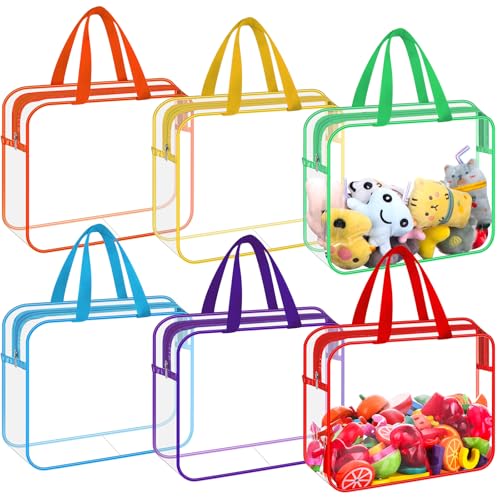
saerryor 6 Pack Clear Toy Storage Bags with Handles, Zipper Bags, Name Tag and Marker (M)
Original price was: £12.99.£11.99Current price is: £11.99. *View On Amazon* - Toy Storage
COSTWAY Kids Toy Storage Unit with Bench, Wooden Children’s Bookcase with 2 Cubbies, Removable Padded Seat Cushion and Protective Baffle, Toddler Reading Nook Bench, White and Natural
Original price was: £58.47.£56.95Current price is: £56.95. *View On Amazon* - Toy Storage
SONGMICS Storage Box Set of 3, Foldable Toy Organiser Cubes, 27 x 27 x 27 cm, Animal Motifs, Colourful, RFB01KU
Original price was: £17.99.£15.99Current price is: £15.99. *View On Amazon* - Toy Storage
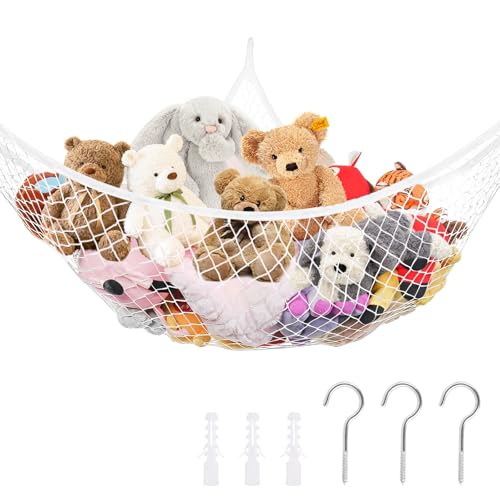
MHJY Toy Hammock Stuffed Animals Storage Net with LED Light
Original price was: £11.99.£10.99Current price is: £10.99. *View On Amazon* - Toy Storage
VASAGLE Storage Chest Storage Bench with 2 Safety Hinges, 40 x 76 x 48 cm, White LHS11WT
Original price was: £44.99.£39.99Current price is: £39.99. *View On Amazon* - Toy Storage
MHJY Toy Hammock for Stuffed Animals with LED Light
Original price was: £8.99.£6.99Current price is: £6.99. *View On Amazon* - Toy Storage
ZYNERY 7 Pack Extra Large Clear PVC Toy Storage Bags with Handle and Zipper
Original price was: £18.99.£16.99Current price is: £16.99. *View On Amazon* - Toy Storage
Panana Kids Toy Storage Organiser with 4 Mobile Drawers, 2 Open Shelves, White Wooden Bookcase, L120 x D33.3 x H62 cm
Original price was: £75.99.£72.99Current price is: £72.99. *View On Amazon* - Toy Storage
Honosen 3 Piece Clear Toy Zipper Organiser Bags with Handle
Original price was: £7.99.£7.39Current price is: £7.39. *View On Amazon* - Toy Storage
Blisswood Wooden Toy Box Storage Chest with Safety Hinges, White
£59.95 *View On Amazon* - Toy Storage
Lilly’s Love Teddy Hammock Toy Hammock for Stuffed Animals Large White
Original price was: £17.99.£10.99Current price is: £10.99. *View On Amazon* - Toy Storage
Wanheart Teddy Hammocks Corner Toy Storage Net Beige
Original price was: £6.88.£5.85Current price is: £5.85. *View On Amazon* - Toy Storage
8 Pack Extra Large Clear Toy Storage Bags with Labels, 28 x 20 x 14 cm
Original price was: £23.99.£22.99Current price is: £22.99. *View On Amazon*






How to Choose Toy Storage
Toy storage provides designated spaces for children’s toys, games, books and creative supplies. A suitable system can reduce floor clutter, make individual toys easier to find and help prevent complete sets from becoming separated.
The right storage depends on the child’s age, the types of toys involved and where the organiser will be placed. Large open baskets may suit soft toys, while building pieces and craft supplies usually need smaller compartments or lidded containers.
Measure the intended space before ordering. Check the complete external width, depth and height, including lids, handles, wheels and any space required to open drawers or doors.
Types of Toy Storage
Toy Boxes
Toy boxes provide a large central space for storing mixed toys, soft animals, games and larger play items.
They can make tidying quick because toys do not need to be arranged into individual compartments. However, smaller objects may become hidden beneath larger items and complete sets can become mixed together.
Check the lid design carefully. Products intended for children should have suitable safety features where listed, such as controlled hinges, ventilation and protection against trapped fingers.
Open Toy Baskets
Open baskets make toys easy to see, reach and return after use. They can suit soft toys, balls, dressing-up clothes, dolls and everyday play items.
Handled baskets can be moved between rooms, while lightweight designs may be easier for children to use independently.
Avoid overloading baskets until they become too heavy for the intended user. Check that handles and edges remain smooth and secure.
Fabric Toy Storage Baskets
Fabric baskets are lightweight and may be available in colours or designs suited to bedrooms and playrooms.
Many fold flat when not in use and fit inside cube shelving. Reinforced sides can help them retain their shape, while handles make them easier to remove.
Check whether the basket can be machine washed, hand washed or spot cleaned. Products containing cardboard or rigid inserts should not normally be soaked unless the care instructions permit it.
Plastic Toy Storage Boxes
Plastic boxes provide rigid, wipe-clean storage for building pieces, figures, puzzles and craft accessories.
Clear containers make contents easier to identify, while coloured boxes can be used to separate toys by type or child. Clip-on lids can help keep complete sets together and reduce dust.
Check that the plastic and closures are appropriate for the intended age group. Damaged boxes with cracks or sharp edges should be removed from use.
Cube Storage Organisers
Cube storage units divide toys into separate square compartments. Baskets, boxes and books can be placed inside individual cubes to create a flexible layout.
They can make toy categories easy to identify and keep frequently used belongings at a child-accessible height.
Check the unit’s full dimensions, stated load capacity and wall-restraint instructions. Freestanding cube storage should not be climbed on or used as play equipment.
Toy Storage Shelves
Open shelves can display books, games and frequently used toys while keeping them visible.
Low shelving can make suitable items easier for children to access. Higher sections should be reserved for lightweight or adult-controlled belongings.
Check shelf depth and spacing, particularly for larger toys and storage baskets. Follow any wall-fixing guidance supplied by the manufacturer.
Toy Storage Units with Removable Bins
These organisers use several plastic or fabric bins positioned on a supporting frame.
Angled or open-front bins can make toys easy to view and return. Different bin sizes can separate larger items from smaller accessories.
Check that the bins sit securely and cannot fall unexpectedly when pulled. Avoid placing heavy objects in higher bins or loading the frame beyond its stated capacity.
Wheeled Toy Storage
Storage boxes and drawers with wheels can be moved between rooms or pulled from beneath furniture.
Wheels can make heavier containers easier to access, but the storage should remain stable when children remove toys. Check whether the wheels lock and whether they are suitable for the flooring.
Remove hair, string and debris from the wheels regularly so they continue to move correctly.
Underbed Toy Storage
Low-profile boxes and fabric bags can use the space beneath a bed for puzzles, building sets, seasonal toys and less frequently used items.
Measure the clearance at several points because bed frames and central supports can reduce the available height.
Handled or wheeled designs may be easier to retrieve. The container should move without scraping the floor or becoming wedged beneath the bed.
Stackable Toy Storage
Stackable boxes and bins can help use vertical space inside cupboards, wardrobes and playrooms.
Only stack containers specifically designed for this purpose. Keep heavy items at the bottom and avoid building tall stacks that children could pull down or climb.
Frequently used toys should remain at a safe, accessible height.
Toy Storage Benches
Storage benches combine a seating surface with compartments, drawers or an internal storage space.
Only sit on a product where it is specifically designed and rated for seating. Check the maximum stated load and follow the assembly instructions carefully.
Lift-up lids require particular attention to hinge design and finger-trap risks. Keep the internal area ventilated where specified.
Book and Toy Organisers
Combined organisers may include forward-facing book pockets, shelves and storage bins.
They can keep picture books, reading materials and toys together within a compact area. Forward-facing covers may help younger children identify books more easily.
Check pocket depth and shelf capacity. Heavy books should normally be stored on lower, stable sections.
Soft Toy Storage
Soft-toy storage may include large baskets, hanging organisers, corner nets and fabric bags.
Open baskets provide quick access and make cleaning the surrounding area easier. Hanging nets can free floor space but require secure installation and should be positioned safely.
Do not hang heavy objects or hard toys inside lightweight nets intended for soft items.
Hanging Toy Organisers
Hanging storage can use walls, wardrobe rails or compatible doors for lightweight toys and accessories.
Check the mounting method, full hanging length and total load. The organiser should not interfere with doors, locks, furniture or walkways.
Long straps, cords and loops should remain away from babies and young children.
Bath Toy Storage
Bath-toy organisers may use mesh bags, baskets or suction-mounted containers to help toys drain after use.
Choose a design that allows water to escape and air to circulate. Toys and storage should still be cleaned regularly because trapped water and residue can develop inside them.
Check suction fittings frequently and avoid positioning hard containers where they could fall into the bath.
Puzzle and Board Game Storage
Board games and puzzles benefit from storage that keeps boxes flat, dry and easy to identify.
Shelves, cube organisers and lidded containers can help prevent pieces from becoming mixed. Small internal bags or boxes may keep components together where appropriate.
Avoid stacking games so high that lower boxes become crushed or difficult to remove.
Building Brick and Small-Part Storage
Building bricks, figures and construction pieces can be organised using compartment boxes, drawers and clearly labelled bins.
Sort pieces by set, type, colour or size according to how the child normally plays. A system that is too complicated may be difficult to maintain.
Small pieces should remain securely away from babies and younger children for whom they may present a choking hazard.
Craft and Art Supply Storage
Craft organisers can separate paper, pens, paints, beads, glue and other creative materials.
Choose wipe-clean storage for products that may leak or stain. Sharp scissors, craft knives, adhesives and small components should remain in adult-controlled storage where appropriate.
Keep lids and product labels intact and follow all age and supervision guidance.
Important Buying Considerations
External Dimensions
Measure the full space where the storage will stand.
Allow for:
- Skirting boards
- Doors and drawers
- Handles
- Hinged lids
- Wheels
- Nearby furniture
- Radiators
- Walkways
- Cupboard access
- Space required to remove baskets
A unit that fits the wall may still obstruct a wardrobe door or narrow the available floor space.
Capacity
Toy-storage capacity may be shown in litres, shelf dimensions or an approximate number of bins.
Think about the size and shape of the toys rather than capacity alone. Large soft toys need open volume, while figures and building pieces benefit from smaller divided sections.
Avoid buying one oversized container when several smaller boxes would make the toys easier to organise.
Child’s Age
Storage for babies and toddlers requires different safety considerations from organisers used by older children.
Young children may pull on baskets, climb shelves, trap fingers or place small components in their mouths. Choose age-appropriate products and keep adult-supervised items out of reach.
Older children may benefit from labelled drawers, modular storage and separate sections for hobbies or collections.
Accessibility
Frequently used toys should be easy for the intended child to reach without climbing.
Open baskets and low bins can encourage independent tidying. Adult-controlled or delicate items can be stored higher where they remain safely accessible to an adult.
Avoid placing tempting toys on top of tall furniture where children may attempt to climb.
Materials
Plastic storage is rigid and usually easy to wipe clean. Fabric baskets are lightweight and can fold when empty.
Wood and board units can provide a stronger furniture-style structure but may require assembly and wall restraint. Metal frames should have smooth, well-finished edges.
Choose materials suited to the toys, room and cleaning routine.
Lid Design
Lids help contain loose pieces and protect toys from dust. They can also make contents harder for younger children to identify and access.
Check whether the lid lifts off, clips in place or uses hinges. Heavy lids and uncontrolled hinges can present finger-trap risks.
Follow the product’s age and safety guidance and supervise use where appropriate.
Handles
Handles can make baskets and boxes easier to carry.
Check that the opening or grip is large enough for the intended user and that it does not have rough edges. Fabric handles should be securely stitched and suitable for the expected load.
Children should not carry boxes that block their view or are too heavy to handle safely.
Cleaning Requirements
Toy storage can collect dust, crumbs, craft residue and marks from frequent handling.
Plastic and coated surfaces are generally easy to wipe, while fabric and woven products may require vacuuming or spot cleaning.
Choose a design that can be emptied and cleaned without dismantling the full room.
Stability
Freestanding storage should sit level and remain stable as bins and toys are removed.
Place heavier items on lower shelves and distribute weight evenly. Follow all wall-restraint or anti-tip instructions supplied with the product.
Do not allow children to climb, sit or hang from storage furniture unless it is specifically designed for that purpose.
Open Toy Storage or Lidded Boxes
Open baskets and shelves make toys visible and easy to access. They can help younger children understand where items belong.
Lidded boxes provide better containment and dust protection, making them useful for puzzles, construction sets and toys with several small pieces.
A combination often works well: open storage for everyday toys and closed containers for complete sets or less frequently used items.
One Large Toy Box or Several Smaller Containers
A large toy box provides quick, simple tidying and can hold bulky items. Smaller toys often become mixed together or disappear beneath the contents.
Several smaller boxes make it easier to organise toys by type and locate specific pieces. They require more labels and a little more effort during tidying.
Use a large basket for soft toys and several smaller containers for games, figures and construction pieces.
Fixed Shelving or Modular Toy Storage
Fixed shelves provide a stable layout and can suit books, display toys and storage baskets.
Modular organisers can be changed as toy collections and room layouts develop. They may include cubes, stackable boxes and removable bins.
Fixed storage offers consistency, while modular systems provide greater flexibility. Always follow assembly and stacking instructions.
Plastic or Fabric Toy Storage
Plastic boxes are wipe-clean, rigid and suitable for toys with small pieces. They can be heavier and may crack if overloaded or dropped.
Fabric baskets are lightweight, softer around children and often easier to fold. They provide less protection against spills, crushing and sharp toys.
Choose according to the contents and where the storage will be used.
Toy Storage for Bedrooms
Bedroom toy storage should fit around the bed, wardrobe and normal walking space.
Underbed boxes, cube organisers and compact baskets can provide useful capacity without filling the room with additional furniture.
Keep pathways clear and avoid tall storage beside beds where objects could fall onto a sleeping child.
Toy Storage for Playrooms
Playrooms may benefit from several clearly defined storage areas.
Use low bins for everyday toys, book organisers for reading materials and adult-controlled cupboards for paints, batteries and supervised activities.
Leave enough open floor space for safe play. Storage should support the room rather than fill every available wall and corner.
Toy Storage for Living Rooms
Living-room storage often needs to balance quick access with a tidy appearance.
Decorative baskets, cube boxes and storage benches can keep toys available without leaving them scattered across the room.
Choose containers that can be moved easily and returned to a designated position. Keep toys away from fires, heaters, cables and fragile household items.
Toy Storage for Nurseries
Nursery storage may hold soft toys, books, blankets and age-appropriate play items.
Keep storage away from the cot and sleeping area. Do not place baskets, toys, pillows or organisers inside a baby’s cot.
Long cords, plastic bags, small components and heavy objects should remain securely out of reach.
Toy Storage for Shared Bedrooms
Assigning separate baskets, shelves or colours to each child can help prevent toys and personal collections becoming mixed.
Shared items can be placed in a clearly labelled central section.
Make sure storage remains fair, accessible and suitable for the youngest child who can reach it.
Toy Storage for Small Rooms
Use vertical and hidden spaces carefully.
Underbed boxes, narrow shelving, overdoor organisers and stackable bins can increase capacity without taking up all the floor area.
Avoid creating unstable tall stacks or placing heavy containers above the child’s head.
Regularly review toys to prevent storage from becoming overcrowded.
Organising Soft Toys
Large open baskets and floor-level containers are practical for soft animals and plush toys.
Avoid compressing delicate or electronic toys where this could affect their shape or components.
Wash or clean soft toys according to their individual care labels before returning them to storage.
Organising Dolls and Figures
Use shallow trays, individual compartments or clearly labelled boxes.
Accessories and small parts can be stored separately so complete sets remain easier to find.
Check small pieces regularly and keep them away from younger siblings.
Organising Building Sets
Store building pieces in boxes with secure lids or drawer organisers.
Complete sets can be kept together using labelled bags or smaller internal containers. Instruction booklets should remain dry and flat.
Do not place heavy construction pieces inside lightweight hanging organisers.
Organising Cars and Vehicles
Low bins, shelves and compartmented boxes can help organise toy cars and larger vehicles.
Check that the container is deep enough to stop hard toys falling when it is carried.
Avoid overloading fabric baskets with dense metal vehicles.
Organising Dressing-Up Clothes
Hooks, low rails, baskets and fabric boxes can keep costumes and accessories together.
Check garments for long cords, damaged fastenings and unsuitable small parts before returning them to storage.
Masks and accessories should remain ventilated and dry between uses.
Organising Books
Store books upright or face forwards on shelves designed for their size and weight.
Keep heavier books on lower shelves and avoid overcrowding until spines or covers become damaged.
Books should remain away from damp, direct sunlight and food spills.
Organising Outdoor Toys
Outdoor toys can carry mud, sand and moisture indoors.
Clean and dry them before placing them in household storage. Consider separate garage, shed or utility storage for balls, garden toys and outdoor equipment.
Storage conditions should be suitable for the material and safe from pests, damp and temperature extremes.
Organising Toys by Category
Simple categories make toy storage easier to maintain.
Useful groups may include:
- Building toys
- Vehicles
- Dolls
- Soft toys
- Books
- Puzzles
- Board games
- Dressing-up clothes
- Art supplies
- Musical toys
- Outdoor toys
- Sensory toys
Avoid creating so many categories that children cannot remember where anything belongs.
Labelling Toy Storage
Labels can help children and adults return toys to the correct place.
Written labels may suit older children, while photographs, symbols or pictures can help younger users.
Place labels on the front of containers where they remain visible.
Use removable labels where the storage category may change over time.
Rotating Toys
Toy rotation involves storing some toys away and making a smaller selection available at one time.
This can reduce visible clutter and make existing toys feel more manageable. The stored items should remain clean, safe and appropriate when they are brought back into use.
Rotation is optional and should reflect the child’s interests and household routine.
Preventing Overcrowding
Toy storage becomes less useful when every box and shelf is completely full.
Leave enough space for toys to be returned easily. Review contents regularly and remove:
- Broken toys
- Missing sets that cannot be used
- Outgrown items
- Dried-out craft products
- Leaking batteries
- Damaged books
- Unsafe small parts
- Toys no longer used
Suitable unwanted toys may be donated or passed on where they remain clean, complete and safe.
Toy Storage Safety
Follow the product’s assembly, age and safety instructions.
Check that storage does not:
- Block exits
- Narrow stairways
- Cover sockets
- Obstruct heaters
- Interfere with doors
- Create climbing opportunities
- Expose sharp edges
- Trap fingers
- Allow heavy objects to fall
- Restrict ventilation
Inspect storage regularly, particularly where it is used daily.
Preventing Furniture Tip-Over
Tall or freestanding toy-storage units can tip when drawers, doors or bins are pulled.
Fit the supplied wall restraints where instructed and use fixings suitable for the wall.
Place heavy toys lower down and do not allow children to climb shelves or pull several containers out at once.
Lid and Hinge Safety
Check hinged toy boxes for controlled movement and finger-clearance features where listed.
Do not allow children to sit or stand on lids unless the product is designed as a seat.
Remove a toy box from use if the hinge breaks, the lid becomes loose or the closure no longer operates safely.
Small Parts and Choking Hazards
Small toy pieces, craft supplies and detachable storage components should remain away from babies and younger children.
Use secure lidded containers and adult-controlled shelves for items intended for older age groups.
Check organiser clips, labels, wheels and fasteners periodically for loose components.
Toy Storage Around Babies
Babies may pull on low baskets, chew handles or reach through open compartments.
Choose smooth, stable storage without loose fibres, cords or easily detached parts.
Keep plastic bags, batteries, magnets, medicines and small toys completely out of reach.
Toy Storage Around Pets
Pets may chew soft baskets, wooden edges, toys and storage handles.
Keep pet toys separate from children’s toys where practical. Check lower containers for damage and remove anything that could be swallowed.
Do not store pet food, medicines or cleaning products inside children’s toy storage.
Battery-Operated Toys
Remove or inspect batteries before long-term storage according to the toy instructions.
Leaking batteries can damage the toy, storage container and nearby belongings.
Keep loose batteries and button cells in secure adult-controlled storage. Damaged battery compartments should be repaired appropriately or the toy removed from use.
Cleaning Plastic Toy Storage
Empty the container and remove loose dust and debris.
Wipe or wash the plastic using a suitable method. Pay attention to handles, corners, lid channels and wheels.
Rinse where required and allow the storage to dry fully before replacing toys.
Avoid strong chemicals and very hot water unless the manufacturer confirms suitability.
Cleaning Fabric Toy Storage
Check the care label before cleaning.
Some fabric baskets are machine washable, while reinforced designs may require vacuuming or spot cleaning.
Remove rigid inserts where directed and allow every seam and handle to dry completely.
Do not return damp storage to an enclosed room or shelf.
Cleaning Wooden Toy Storage
Dust regularly and wipe using the recommended cleaning method.
Avoid soaking wood or board materials because moisture can cause swelling, warping and surface damage.
Check for splinters, chipped paint and loose fittings before returning the unit to use.
Cleaning Metal Frames and Racks
Wipe coated metal with a suitable cloth and dry it thoroughly.
Inspect for rust, bent sections, chipped finishes and exposed sharp edges.
Stop using any frame that no longer supports bins or shelves securely.
Cleaning Storage Wheels
Remove hair, string and fibres from around the wheels.
Check that each wheel turns freely and remains firmly attached. Wipe away grit that could scratch flooring.
Use lubricants only where the manufacturer recommends an appropriate method.
Maintaining Drawers and Bins
Check runners, handles, clips and stops regularly.
Drawers should open smoothly without dropping or coming away unexpectedly. Removable bins should sit securely within their frame.
Replace cracked or heavily distorted containers.
Protecting Floors and Walls
Storage boxes and wheeled units can scratch flooring when grit becomes trapped beneath them.
Keep bases and floors clean and use suitable protective pads where compatible.
Leave space between toy storage and walls if repeated movement is causing scuffs or trapping moisture.
Preventing Damp and Mould
Only store clean, dry toys and fabrics.
Check rooms and storage for condensation, leaks and musty smells. Fabric baskets, books and wooden toys can be damaged by persistent moisture.
Address the source of damp rather than relying solely on plastic boxes or moisture absorbers.
When to Replace Toy Storage
Replace or repair storage where permitted if it becomes:
- Cracked
- Torn
- Unstable
- Rusted
- Splintered
- Difficult to clean
- Damaged around hinges
- Unsafe around handles
- Unable to support its contents
- A source of sharp edges
Do not continue using furniture or containers that could collapse, tip or injure a child.
Useful Toy Storage Accessories
Useful additions may include:
- Removable labels
- Internal dividers
- Cube baskets
- Wall restraints
- Book supports
- Small-part boxes
- Drawer inserts
- Protective floor pads
- Replacement wheels
- Underbed containers
Check dimensions and compatibility before combining storage products.
Avoid adding accessories that introduce long cords, small detachable pieces or extra weight beyond the product’s capacity.
Why Buy Toy Storage from YPC?
At YPC, we understand active lifestyles and the need for practical products that work in real use. Our Toy Storage category makes it easier to compare boxes, baskets, shelves, cube organisers and wheeled containers for different toys and household spaces.
Browse the available options and compare dimensions, capacity, materials, access style and safety features to find toy storage suited to your home and the child who will use it.
Frequently Asked Questions
What type of toy storage is suitable for a small bedroom?
Underbed boxes, cube organisers, low shelving and stackable containers can use limited space efficiently. Measure carefully and avoid creating unstable tall stacks.
Are open baskets or lidded boxes better for toys?
Open baskets make frequently used toys easy to access, while lidded boxes keep complete sets contained and provide greater dust protection. Many rooms benefit from using both.
How can I encourage children to tidy away toys?
Use simple categories, accessible containers and clear picture or word labels. Avoid overfilling storage so toys remain easy to return.
Should toy-storage furniture be fixed to the wall?
Follow the manufacturer’s guidance. Tall or freestanding units commonly require wall restraints to reduce the risk of tipping.
How should toy storage be cleaned?
Cleaning depends on the material. Plastic can often be wiped or washed, while fabric, wood and metal require their specified care methods. Allow everything to dry fully before replacing toys.
 Getting ready for Summer? View our Home and Garden Products

Heading outdoors this winter? Take a look at our Outdoor Clothing.