
Indoor Sports
Indoor Sports equipment helps players, families, schools, clubs and leisure centres enjoy sport and active games away from outdoor weather. Whether you are setting up casual games at home, buying for school PE, organising a club session or choosing kit for regular indoor training, the right products can make play more practical, comfortable and enjoyable.
This category includes indoor sports products for different spaces, ages and activities. Depending on the product range available, you may find equipment for racket sports, table games, target games, ball games, fitness drills, coaching sessions, practice activities and general indoor play.

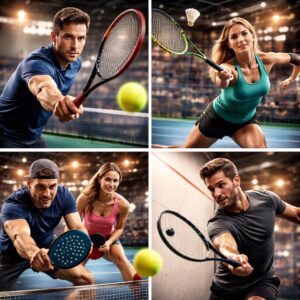
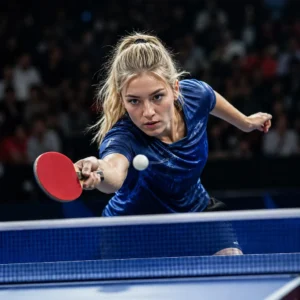
What Is Indoor Sports Equipment?
Indoor sports equipment covers the items used for sports and active games that are played inside. These products are usually chosen for controlled spaces such as sports halls, gyms, leisure centres, classrooms, games rooms, garages or suitable home areas.
Some indoor sports products are designed for structured training and coaching, while others are made for casual fun, family games or skill practice. The right choice depends on the activity, the space available and who will be using the equipment.
What Indoor Sports Products Are Used For
Indoor sports products can be used for practice, play, coaching, fitness, coordination, competitions and recreational games. They can help people stay active when outdoor space is limited or when weather makes outdoor sport less practical.
For children, indoor sports equipment can support movement, confidence and hand eye coordination. For adults, it can be useful for fitness, leisure, social games and regular practice. For schools and clubs, indoor sports products can help create organised sessions with clear activities and manageable equipment.
How To Choose The Right Indoor Sports Equipment
Start with the activity you want to support. A table tennis setup, indoor football session, badminton practice, darts area, pool table accessory or training drill will all need different products.
Next, think about the available space. Indoor sports equipment should suit the room size, ceiling height, floor surface and surrounding area. Products that are too large or too powerful for the space may not be practical or safe.
Also consider the age and ability of the users. Children, beginners and casual players may need simple, easy to use equipment, while regular players may want products with a more specific feel, fit or function where listed.
Key Features To Compare
Size is one of the most important features to compare. Indoor equipment needs to fit the space where it will be used, stored and moved. Compact, foldable or portable products may be useful where listed.
Material and construction matter too. Items used regularly in schools, clubs or family homes may need to cope with repeated handling, movement and storage. Always check the product details for intended use and suitability.
Ease of setup is worth considering. Some indoor sports products are ready to use quickly, while others may need assembly, mounting or careful placement where listed.
Safety features, grip, stability, noise level, weight and storage options can also affect how practical a product feels in everyday use.
Indoor Sports Compared With Outdoor Sports Equipment
Indoor sports equipment is usually designed for controlled spaces, smoother surfaces and closer surroundings. It may be lighter, softer, smaller or easier to store than outdoor equipment, depending on the product.
Outdoor sports equipment is often made to handle weather, larger spaces and rougher surfaces. The trade off is that outdoor kit may not always be suitable indoors, especially if it is heavy, hard, noisy or likely to damage floors and walls.
If you plan to use products both indoors and outdoors, check the listing carefully for suitability before buying.
Casual Play Compared With Training Equipment
Casual indoor sports products are usually chosen for fun, simplicity and easy use. They can be ideal for families, beginners, games rooms and relaxed play.
Training equipment is usually chosen for repeated practice, skill development and structured sessions. It may support drills, accuracy, movement, strength or coordination depending on the activity.
The right choice depends on the goal. If the aim is entertainment, simple equipment may be enough. If the aim is improvement, coaching or regular practice, more focused training products may be worth comparing.
Beginner, Regular User And Experienced User Guidance
Beginners should focus on safe, simple and easy to use indoor sports equipment. Products that are quick to set up and easy to understand can help people enjoy the activity without frustration.
Regular users may want to compare comfort, durability, storage and suitability more closely. If equipment is used every week, small details such as grip, weight, size and ease of packing away can make a big difference.
Experienced users often look at product feel, response, build, adjustability and compatibility with existing kit. They may also prefer equipment that suits a specific activity, playing style or training routine where listed.
Use Cases By Activity And Setting
For home use, compact indoor sports products are often the most practical. Games room equipment, table games, target games and small training aids can offer useful activity without needing a large outdoor space.
For schools, equipment should be easy to organise, suitable for different ages and practical for group sessions. Storage, safety and simple setup are especially important.
For clubs and leisure centres, regular use may make durability and replacement accessories more important. Products should be suitable for the activity and the number of people using them.
For fitness and training, indoor sports equipment can support warm ups, coordination drills, agility practice and skill work where suitable.
For family play, choose products that match the youngest users, the available space and the level of supervision needed.
Fit, Sizing And Compatibility
Fit and sizing matter for wearable items such as footwear, gloves, protective kit and sports clothing. Check size guides where listed and choose products that allow comfortable movement.
For equipment, compatibility is just as important. Balls, nets, tables, bats, rackets, accessories, mounts and replacement parts should be checked carefully against the product details where compatible.
If you already own indoor sports equipment, make sure any new accessories are suitable for the items you have. This is especially important for replacement balls, nets, grips, paddles, cues, targets or storage products.
Safety Considerations For Indoor Sports
Indoor sport should always be matched to the space. Make sure there is enough room to move, swing, throw, jump or play without hitting walls, furniture, lights, windows or other people.
Floor surface matters too. Some activities may need suitable grip, clear space and footwear that works on indoor surfaces where listed. Avoid using equipment that could damage floors or create a slipping hazard.
For children, supervision is important. Choose age suitable products where listed, check equipment before use and keep small parts or unsuitable items away from younger children.
Care, Maintenance And Storage
Indoor sports equipment lasts better when it is stored properly and checked regularly. Wipe down items where suitable, keep equipment dry and avoid leaving products under heavy pressure or in damp areas.
Balls, bats, rackets, nets, targets and accessories should be stored neatly so they are easy to find and less likely to be damaged. Bags, boxes, racks and storage tubs can help keep equipment organised.
If products need assembly, adjustment or mounting, follow the product instructions carefully. Check fixings, frames, grips and moving parts regularly where relevant.
Useful Accessories To Consider
Useful indoor sports accessories may include storage bags, replacement balls, spare grips, pumps, nets, markers, scoreboards, protective mats, water bottles, towels and cleaning items.
For racket and table sports, spare balls and grips can help keep play going. For coaching or group activity, cones, markers, bibs and storage bags may make sessions easier to manage.
For home use, storage is often just as important as the equipment itself. Choosing products that are easy to pack away can make indoor sport more realistic for everyday living spaces.
Why Buy From YPC?
At YPC, we understand active lifestyles and the need for practical products that work in real use. Indoor sports equipment should suit the space, the activity and the people using it, rather than relying on vague claims or one size fits all thinking.
YPC brings together a wide range of sports and activity products so you can compare available indoor sports options by use, size, features, suitability and practicality. Browse the Indoor Sports category to compare the range and choose the right products for home play, training, school sessions or club use.
FAQs
What counts as indoor sports equipment?
Indoor sports equipment includes products used for sports, games and training activities inside. This can include balls, bats, rackets, nets, table games, target games, training aids, clothing, footwear and accessories depending on the product range.
How do I choose indoor sports equipment for home use?
Start by measuring the space and thinking about who will use it. Choose products that suit the room, the floor surface, the player’s age and the level of activity. Compact or easy to store equipment may be more practical at home.
Can outdoor sports equipment be used indoors?
Some outdoor sports equipment may be suitable indoors, but not all of it. Check the product details carefully, as heavier, harder or larger outdoor products may damage indoor surfaces or be unsafe in smaller spaces.
What indoor sports are good for children?
Good indoor sports for children depend on age, space and supervision. Simple racket games, table games, soft ball activities, target games and coordination drills may be suitable where the product is age appropriate.
What should schools look for in indoor sports equipment?
Schools should look for equipment that is safe, easy to organise, suitable for different ages and practical for repeated use. Storage, durability, setup time and clear activity purpose are all useful factors to compare.
Is indoor sports equipment suitable for fitness training?
Yes, some indoor sports equipment can support fitness, agility, coordination and movement practice where suitable. Check the product details to make sure it matches the type of training you want to do.
How should indoor sports equipment be stored?
Store indoor sports equipment in a dry, organised place. Use bags, boxes, racks or tubs where suitable, and avoid leaving equipment where it may be stepped on, crushed or damaged.
What accessories are useful for indoor sports?
Useful accessories may include spare balls, storage bags, grips, pumps, nets, markers, towels and cleaning items. The right accessories depend on the sport, the space and how often the equipment is used.
 Getting ready for Summer? View our Home and Garden Products

Heading outdoors this winter? Take a look at our Outdoor Clothing.