
Kids Base Layer Bottoms
Kids base layer bottoms are designed to be worn underneath outer clothing to help children stay more comfortable during cold weather, sport, school trips, camping, skiing, cycling, hiking and everyday outdoor play. The right pair should feel soft, fit well and suit the activity, weather and layers worn over the top.
At YPC, you can browse kids base layer bottoms for active children who need practical clothing for cooler conditions. This category helps you compare fit, fabric feel, warmth, stretch, waistband comfort, layering suitability and care before choosing.
- Kids Base Layer Bottoms
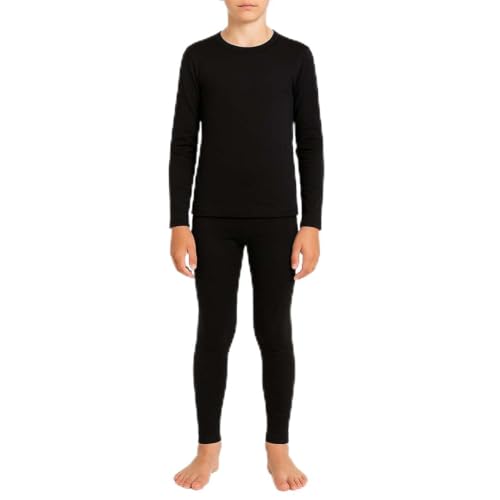
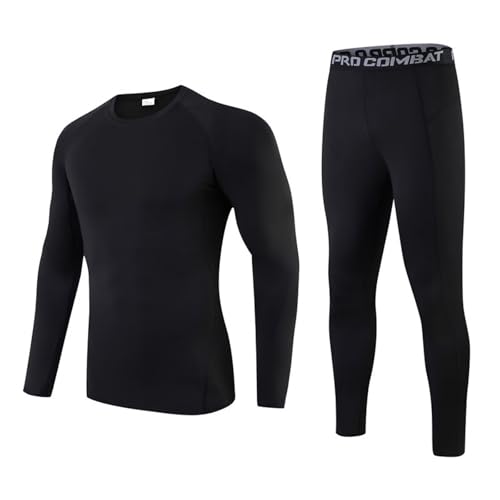
Trespass Bubbles Kids Base Layer Set Boys & Girls Long Sleeve Top and Trousers Black
£17.50 *View On Amazon* - Kids Base Layer Bottoms
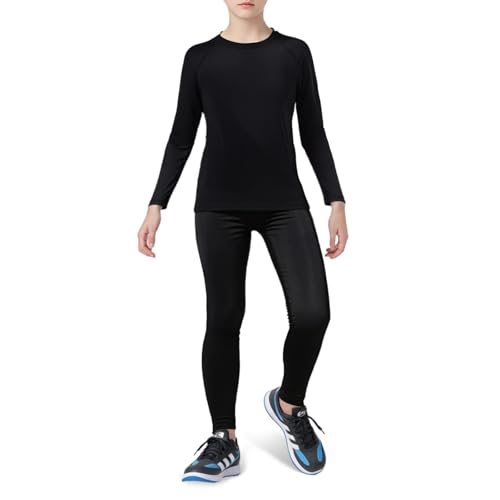
Bahob® Kid's Thermal Set Lightweight Ultra Soft Base Layer Boys Long Sleeve Thermal Top & Bottom Set 5-14 Years (Black, 9-10 Years)
Original price was: £9.99.£9.49Current price is: £9.49. *View On Amazon* - Kids Base Layer Bottoms
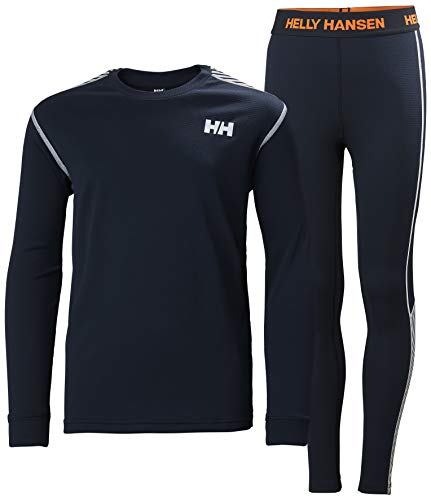
Helly Hansen Boy's Jr Hh Lifa Active Set Pants, Navy, 10 UK
£38.99 *View On Amazon* - Kids Base Layer Bottoms
GirlOut Girls’ UV50+ Sports Football Base Layer – Pink Girls Base Layer (Top and Bottoms) (Pink, 5-6 Years)
£18.99 *View On Amazon* - Kids Base Layer Bottoms
Orrfreer 4 Pack Kids Boys Compression Leggings Active Base Layer Sports Quick Dry Tights for Football, Running,Ski 4 Black M
Original price was: £24.99.£23.74Current price is: £23.74. *View On Amazon* - Kids Base Layer Bottoms
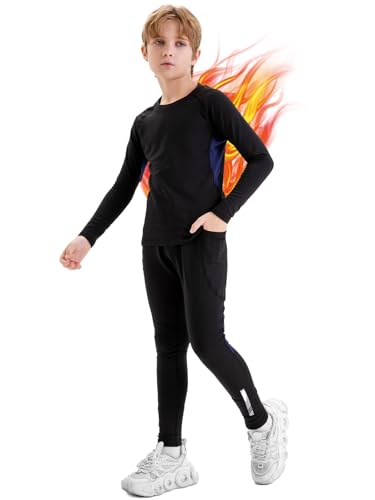
Sahunfri Kids Thermal Base Layer Set Boys Thermal Underwear Breathable Sports Fleece Warm Baselayer Set (Regular-Black, L)
Original price was: £8.99.£7.99Current price is: £7.99. *View On Amazon* - Kids Base Layer Bottoms
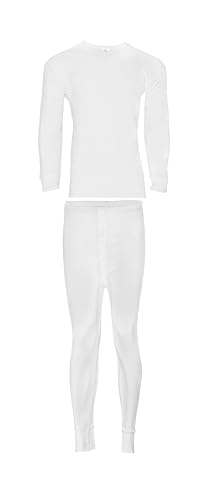
GA COMMUNICATIONS Kids Thermal Long John Boys Girls Base Layer Children Pants Underwear Bottoms[Black,11-12]
£2.99 *View On Amazon*







![GA COMMUNICATIONS Kids Thermal Long John Boys Girls Base Layer Children Pants Underwear Bottoms[Black,11-12]](https://m.media-amazon.com/images/I/31m4aRkkSjL._SL500_.jpg)


What Are Kids Base Layer Bottoms?
Kids base layer bottoms are close fitting lower body garments worn as the first clothing layer against the skin. They are usually worn under trousers, ski pants, waterproofs, sports clothing or outdoor trousers.
Depending on the product, kids base layer bottoms may be made from synthetic fabrics, natural fibres or blended materials where listed. They may focus on warmth, breathability, stretch, quick drying comfort or general everyday layering, depending on the design.
They are not usually worn as standalone trousers for outdoor use. Their main job is to sit comfortably under other clothing and help the child feel better prepared for active or colder conditions.
What Are Kids Base Layer Bottoms Used For?
Kids base layer bottoms are used to add comfort and warmth underneath outer layers. They can be useful for winter walks, school outdoor activities, camping trips, ski holidays, cycling, football training, hiking, scouting, riding, fishing and general cold weather play.
They can also help reduce the need for bulky clothing. Instead of relying only on one thick outer layer, a base layer can form part of a more flexible clothing system.
For active children, comfort matters. A good base layer bottom should allow movement, sit neatly under clothing and avoid feeling scratchy or restrictive.
How To Choose The Right Kids Base Layer Bottoms
Start by thinking about the activity. For cold weather outdoor play, warmth and comfort may be the main priorities. For sport or active use, stretch, breathability and ease of movement may matter more.
Next, consider the temperature and outer layers. A lighter base layer may suit milder days or active sports, while a warmer option may suit colder conditions where listed. The best choice depends on how much the child moves and what they wear over the top.
Fit is also important. Kids base layer bottoms should sit close enough to layer easily, but not so tight that they restrict movement or feel uncomfortable around the waist, knees or ankles.
Key Features To Compare
When comparing kids base layer bottoms, look at fabric, thickness, stretch, waistband design, leg length, seam comfort, warmth level and ease of washing.
Soft fabric can make a big difference, especially for children who dislike scratchy or bulky clothing. Stretch can help with running, climbing, skiing, cycling and general movement.
Waistband comfort is worth checking too. A waistband should feel secure without digging in. Flat seams or smooth stitching may help reduce irritation where listed, especially during longer days outdoors.
Base Layer Bottoms Compared With Ordinary Leggings
Ordinary leggings may be comfortable for everyday wear, but they are not always designed for layering under outdoor or sports clothing. They may hold moisture, feel bulky or lose comfort during active use depending on the fabric.
Kids base layer bottoms are designed specifically as a first layer. They usually focus on warmth, comfort, movement and practical layering, depending on the product.
The trade off is use. Leggings may work for casual indoor wear, while base layer bottoms are usually the better choice for cold weather activities and outdoor layering.
Base Layer Bottoms Compared With Thermal Trousers
Thermal trousers are often worn as an outer or mid layer, depending on the product. They may be thicker and warmer, but they can feel too bulky under waterproofs, ski pants or sports clothing.
Base layer bottoms are designed to sit closer to the skin and layer more neatly. They are often better when a child needs warmth without too much extra bulk.
For very cold conditions, base layer bottoms may be worn as part of a full layering system with suitable mid layers and outerwear where appropriate.
Beginner, Regular Outdoor User And Experienced Family Guidance
For children new to outdoor activities, choose base layer bottoms that feel soft, simple and easy to wear. If a child finds them uncomfortable, they are less likely to keep them on.
For regular outdoor use, compare fabric feel, washing practicality, stretch and how well the bottoms fit under school outdoor kit, waterproofs or sportswear.
For experienced outdoor families, layering compatibility becomes more important. You may want lighter pairs for active days and warmer pairs for colder or slower paced activities where suitable.
Use Cases By Activity And Weather
For skiing and snow activities, kids base layer bottoms can be worn under salopettes or ski trousers to help provide a comfortable first layer.
For camping, they can be useful in the evening, overnight or during chilly mornings when children need extra warmth under trousers.
For cycling, hiking and outdoor play, they can help keep legs more comfortable without adding too much bulk. For school trips or outdoor learning, they can be a practical hidden layer under normal clothing where suitable.
For sports training in colder weather, a flexible base layer bottom may help children move more comfortably under shorts or training trousers, depending on the product and club rules.
Fit, Sizing And Comfort
Fit can vary between brands and products, so always check the size information shown on the listing. Kids base layer bottoms should fit close to the body without feeling tight, itchy or restrictive.
The child should be able to bend, run, sit, climb and move freely. If the waistband rolls, the ankles ride up or the knees feel tight, the fit may not be right.
Think about growth too. A slightly flexible fit can be useful, but base layers that are too large may bunch under clothing and feel uncomfortable.
Fabric, Warmth And Breathability
Fabric choice affects how the base layer feels during use. Some materials may feel lighter and smoother, while others may offer more warmth where listed.
For active children, breathable and quick drying fabrics may be useful because children can warm up quickly when running, skiing or playing. For colder and slower activities, warmth may matter more.
No base layer works on its own in all conditions. It should be matched with suitable outer clothing, weather conditions and activity level.
Compatibility With Outdoor Clothing
Kids base layer bottoms should work underneath trousers, waterproofs, ski trousers, sports kit or casual clothing depending on the activity. They should not create uncomfortable bunching or restrict movement.
If the child wears boots, ski socks or cycling socks, check how the leg length and ankle fit work with the rest of the outfit. A smooth fit around the ankle can help reduce discomfort.
For full cold weather comfort, base layer tops, socks, gloves, hats and suitable outer layers may also be needed depending on the conditions.
Safety And Practical Outdoor Considerations
Kids base layer bottoms help with comfort, but they are not a replacement for proper outdoor clothing. In cold, wet or windy conditions, children still need suitable outer layers, footwear and weather protection.
Avoid overdressing children for high energy activities, as they may become too warm. Layering is useful because clothing can be adjusted as activity level and temperature change.
For school or club activities, check any clothing rules before buying, especially if base layers will be worn under uniform or sports kit.
Care, Washing And Drying
Always follow the care instructions shown on the product label or listing. Base layers are worn close to the skin, so regular washing is important for freshness and comfort.
Avoid leaving damp base layers packed away in bags after sport, camping or outdoor activities. Let them dry properly before storing them.
If the child uses base layers often, having more than one pair can be useful so there is always a clean pair ready for the next activity.
Storage And Organisation
Store kids base layer bottoms clean and dry with other outdoor clothing or sports kit. Keeping them folded with matching tops, socks and layers can make packing easier.
For trips, it can help to pack base layers in a separate bag or clothing cube so they are easy to find. This is especially useful for camping, skiing or school residential trips.
Check base layers before the season starts to make sure they still fit and remain comfortable after growth and repeated washing.
Useful Accessories To Consider
Kids base layer bottoms work well with other practical outdoor clothing. Base layer tops, thermal socks, waterproof trousers, jackets, gloves, hats and neck warmers may all be useful depending on the activity and weather.
For camping or winter trips, spare socks, dry bags and warm outer layers can help keep kit organised and comfortable.
For skiing or snow activities, suitable ski socks, gloves, helmets and outerwear should be considered alongside base layers where appropriate.
Why Buy From YPC?
At YPC, we understand active lifestyles and the need for practical products that work in real use. Kids base layer bottoms should be comfortable, easy to layer and suitable for the activities children actually do.
This category helps you compare fit, fabric, warmth, stretch, washing practicality and compatibility with other outdoor clothing without overcomplicating the choice. Browse the kids base layer bottoms at YPC, compare the available options and choose the pair that suits your child’s next outdoor activity.
FAQs
What are kids base layer bottoms used for?
Kids base layer bottoms are worn under other clothing to help add comfort and warmth during cold weather, outdoor activities, sport, camping, skiing and general active play.
Should kids base layer bottoms be tight?
They should fit close to the body so they layer neatly, but they should not feel painfully tight or restrict movement. Comfort and flexibility are important.
Can kids wear base layer bottoms under school trousers?
Yes, they may be suitable under school trousers in cold weather, depending on the product and school rules. Check fit and comfort so they do not bunch or feel restrictive.
Are kids base layer bottoms good for skiing?
Kids base layer bottoms can be useful for skiing when worn under suitable ski trousers or salopettes. Choose a pair that layers comfortably and suits the conditions where listed.
What is the difference between base layer bottoms and leggings?
Base layer bottoms are designed as a first layer for warmth, comfort and outdoor activity. Leggings may be fine for casual wear, but they are not always designed for technical layering or active cold weather use.
Do kids base layer bottoms keep children warm?
They can help add warmth as part of a layering system. They should be worn with suitable outer clothing for the weather and activity.
How do I wash kids base layer bottoms?
Follow the care instructions on the product label or listing. Wash after use when needed, dry properly and store clean before the next activity.
How many pairs of base layer bottoms does a child need?
That depends on how often they are used. Occasional use may only need one pair, while regular sport, camping or winter activities may make two or more pairs more practical.
 Getting ready for Summer? View our Home and Garden Products

Heading outdoors this winter? Take a look at our Outdoor Clothing.