

Stab Proof Clothing
Stab proof clothing is protective clothing designed to help reduce injury risk from sharp force threats, depending on the protection level, material and certification listed on each product. It can be useful for security staff, enforcement roles, door supervisors, transport workers, lone workers, outdoor professionals and anyone who needs discreet or visible protective clothing for higher risk environments.
The right choice should be based on real protection information, not just the name of the product. When comparing stab proof clothing, look at protection rating where listed, certified testing where provided, fit, coverage, comfort, flexibility, outer style, weight, breathability, care guidance and whether the clothing is suitable for the intended work or personal use.
- Stab Proof Clothing
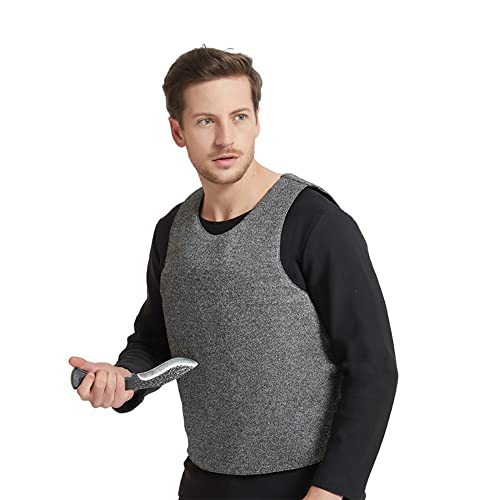
Stab Proof Vest Bulletproof Vest for Men – Anti-Stab Security Jacket, Knife Resistant Safety Apparel
£224.99 *View On Amazon* - Stab Proof Clothing
Stab Proof Vest Bulletproof Vest for Men Anti-Stab Security Jacket Safety Accessories
£222.99 *View On Amazon* - Stab Proof Clothing
SafeGuard Clothing Covert/Overt Bullet Proof Level II + Stab Level 1 Vest – Black,M,COVO-COV-210-BLK
£230.00 *View On Amazon* - Stab Proof Clothing
Cordura Carrier Bullet Proof Level II + Stab Level 1 Overt Vest – Black
£235.00 *View On Amazon* - Stab Proof Clothing
SafeGuard Clothing Covert/Overt Bullet Proof Level IIIA + Stab Level 1 Vest – Black
£325.00 *View On Amazon* - Stab Proof Clothing
SafeGuard Clothing CoolMAX Bullet Proof Level IIIA + Stab Level 1 Covert Vest – Black
£295.00 *View On Amazon* - Stab Proof Clothing
Stab-Proof Protective Vest, Body Armour, Bouncer Security Vest M, L, XL, 2XL, 3XL, Black , L
£110.00 *View On Amazon* - Stab Proof Clothing
SafeGuard Clothing Covert/Overt Bullet Proof Level IIIA Vest – Black
£311.50 *View On Amazon*




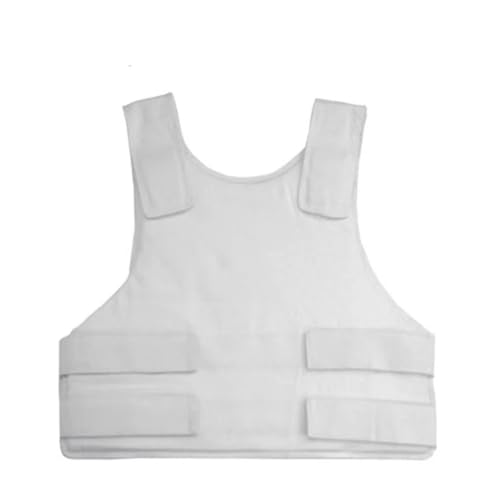
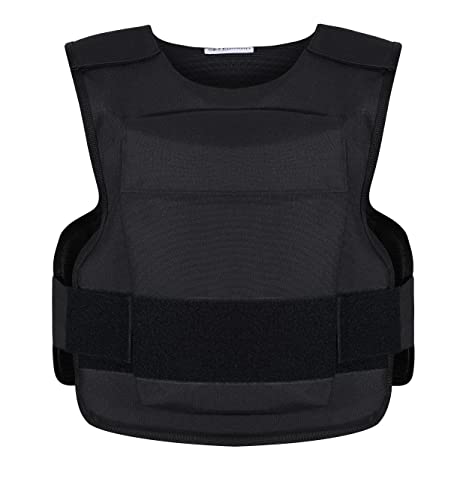
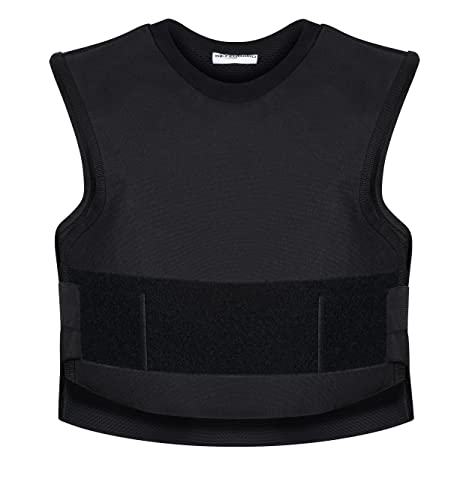
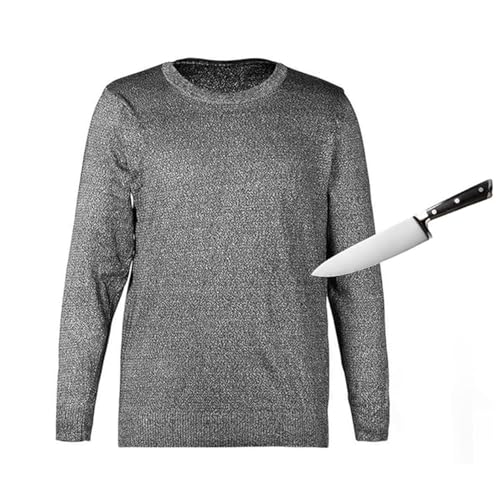
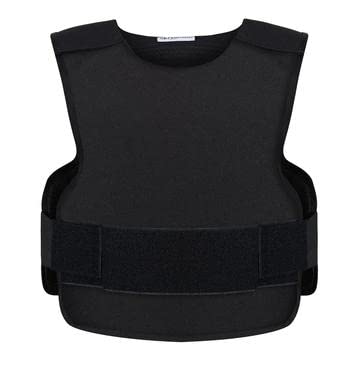


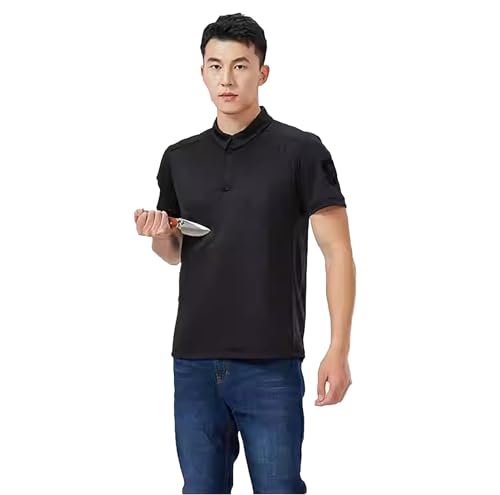


What Is Stab Proof Clothing
Stab proof clothing is a broad term used for garments designed to offer a level of resistance against stabbing, slashing or puncture risks. In practice, protection varies by product, and no clothing should be treated as completely risk free.
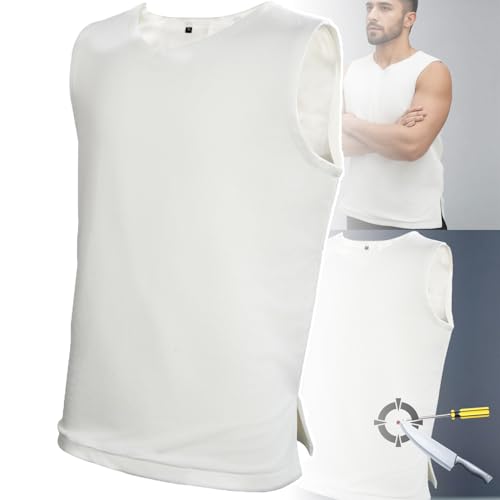
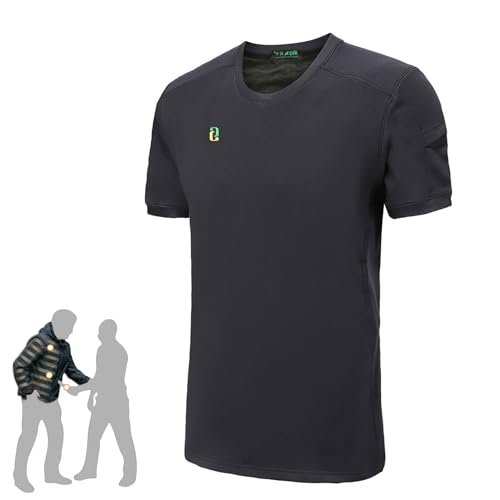
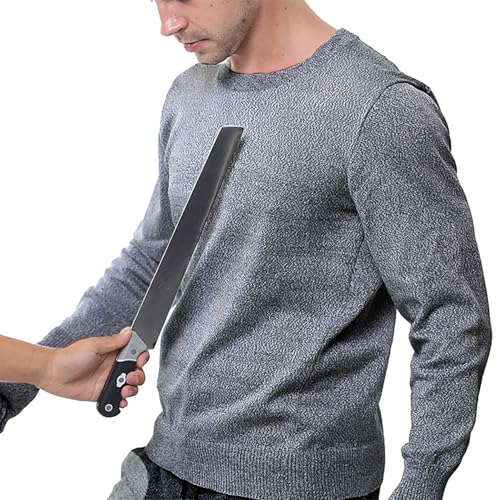
Depending on the product, stab proof clothing may include protective vests, covert body armour, overt protective garments, slash resistant layers, reinforced jackets, protective tops or specialist workwear where listed. Some items may be designed for discreet wear under clothing, while others may be intended to be worn visibly over normal clothing.
Buyers should always check the product details carefully. Terms such as stab resistant, slash resistant, spike resistant and body armour can mean different things, so the listed testing and intended protection matter.
What Stab Proof Clothing Is Used For
Stab proof clothing is used to help improve personal protection in environments where sharp force threats may be a concern. It may be worn by security staff, door supervisors, enforcement workers, patrol staff, transport workers, retail security teams, lone workers and people working in unpredictable public facing roles.
It can also be used in certain workplace risk management plans where protective clothing is required. In these settings, the garment should be selected based on a proper risk assessment and any employer or industry requirements.
Some buyers may want discreet protective clothing for personal reassurance. In this case, comfort, fit, concealability and realistic protection information are especially important.
How To Choose The Right Stab Proof Clothing
Start with the risk you are trying to reduce. Stab protection, slash protection and spike protection are not always the same, so choose a product that matches the threat type described in the listing.
Next, check whether any testing standard or protection rating is listed. Where certification, test level or protection class is provided, compare it carefully. Do not assume a garment offers a specific level of protection unless the product information clearly states it.
Fit is also essential. Protective clothing should cover the intended areas properly without restricting normal movement. A poorly fitting vest or garment may feel uncomfortable and may not sit correctly during use.
Think about how long the clothing will be worn. For long shifts, weight, breathability, flexibility and shoulder comfort can matter as much as protection level. If the garment is too uncomfortable, it may not be worn consistently.
Key Features To Compare
Protection type is the first feature to compare. Look for information about stab resistance, slash resistance, spike resistance or multi threat protection where listed.
Coverage matters. Some garments protect the torso, while others may protect arms, shoulders, neck areas or other zones depending on the product. Check the protected areas carefully.
Fit and adjustment affect both comfort and coverage. Adjustable straps, flexible panels or different sizing options where listed may help the garment sit more securely.
Weight can make a noticeable difference. Heavier protection may feel more substantial, but it can also be harder to wear for long periods.
Covert or overt style is worth considering. Covert clothing is designed to be worn discreetly under other garments where suitable, while overt clothing is usually visible and may suit professional security use.
Breathability and comfort features where listed can be important for long shifts, warm conditions or active roles.
Stab Proof Clothing Compared With Slash Resistant Clothing
Stab proof clothing is usually chosen for protection against pointed sharp force risks where the product is designed and tested for that purpose. Slash resistant clothing is usually focused on cutting or slicing risks.
The two are not always interchangeable. A garment that is slash resistant may not be stab resistant, and a stab resistant vest may not protect all areas from cuts.
Some products may offer more than one type of protection where listed. Always check the product information rather than assuming one protective term covers every sharp object risk.
Stab Proof Vests Compared With Protective Jackets
Stab proof vests are often designed to protect the torso. They may be worn under or over clothing depending on the product. They can be practical for roles where core body protection is the main concern.
Protective jackets may offer a more normal clothing appearance and may include protective areas built into the garment where listed. They may provide different coverage, but could also be warmer or less flexible depending on the design.
The better choice depends on the role, comfort needs, protection level and whether the garment needs to be discreet or clearly visible.
Guidance For First Time, Regular And Professional Buyers
First time buyers should focus on verified protection information, correct sizing and realistic expectations. Protective clothing should be chosen carefully rather than only by appearance or price.
Regular users may want to compare comfort, durability, weight, cleaning guidance and how the clothing feels during long wear. A garment that is used often needs to be practical as well as protective.
Professional buyers should consider workplace risk assessments, employer policies, role requirements and any relevant standards listed on the product. For work use, the clothing should fit the actual environment and duties.
Security teams and organisations may need consistent sizing, visible styling, identification compatibility and storage routines so garments are used properly and kept in suitable condition.
Use Cases By Role And Setting
Security staff may need stab proof clothing that balances protection, movement and professional appearance. Comfort during long shifts can be very important.
Door supervisors may prefer protective clothing that can be worn discreetly or as part of a visible work setup, depending on venue rules and role requirements.
Transport and public facing workers may need protective garments that allow normal movement while offering added reassurance in unpredictable environments.
Lone workers may consider protective clothing as part of a wider safety plan, alongside communication devices, training, reporting procedures and employer guidance.
Outdoor and field based workers may need to compare weather suitability, layering compatibility and ease of movement as well as protection details.
Fit, Sizing And Comfort
Stab proof clothing should fit securely without leaving large gaps or restricting breathing, bending or arm movement. It should sit in the correct position during normal activity.
Check the size guide where listed. Chest size, body length, shoulder fit and adjustment range can all affect comfort and coverage.
If the clothing will be worn under a uniform, jacket or shirt, make sure there is enough room for layering. If it will be worn over clothing, consider the thickness of the layers underneath.
Comfort matters because protective clothing may be worn for long periods. Look at weight, lining, edges, shoulder areas and adjustability where listed.
Compatibility With Uniforms, Workwear And Equipment
Stab proof clothing should work with the rest of the wearer’s kit. This may include shirts, jackets, radios, body cameras, identification badges, belts, gloves and high visibility clothing where suitable.
If the garment is covert, check whether it can be worn discreetly under normal clothing without becoming too hot or restrictive. If it is overt, consider whether it works with role identification and workplace presentation.
For active work, make sure the clothing does not interfere with sitting, driving, walking, climbing stairs or carrying equipment.
If the product is for professional use, check any employer requirements before buying.
Safety, Limitations And Responsible Use
Stab proof clothing is protective, but it does not remove all risk. Protection depends on the design, coverage, condition, testing level, weapon type, force, angle and how the garment is worn.
Do not assume any garment makes the wearer invulnerable. Protective clothing should be part of a wider safety approach that may include training, awareness, communication, safe working procedures and avoiding unnecessary risk.
Check the garment before use. If it is damaged, badly worn, incorrectly fitted or missing components, it may not offer the protection expected.
Follow all product guidance and replace protective clothing where the manufacturer recommends or where damage is visible.
Care, Maintenance And Storage
Always follow the care instructions supplied with the product. Protective panels, specialist fabrics and covers may have specific cleaning requirements.
Do not wash, dry or iron protective clothing unless the product guidance says it is suitable. Incorrect care may affect materials or protection.
Store stab proof clothing flat or hung where suitable, away from damp, excessive heat and rough handling. Avoid folding or crushing protective panels unless the product guidance allows it.
Inspect the garment regularly for worn seams, damaged covers, cracked panels, loose fastenings or changes in fit. If in doubt, stop using it until it has been checked.
Useful Accessories To Consider
Useful accessories may include high visibility jackets, workwear trousers, safety gloves, communication equipment holders, base layers, weatherproof outerwear, duty belts, kit bags and storage covers where suitable.
For professional use, consider how the clothing works with the full work setup. Comfort layers, spare uniform items and safe storage may make regular wear easier.
If buying for a team, consider whether sizing, identification, storage and inspection routines need to be planned before the clothing is issued.
Why Buy From YPC
At YPC, we understand active lifestyles and the need for practical products that work in real use. Stab proof clothing should be easy to compare by protection type, certification where listed, fit, coverage, comfort, use case, care needs and compatibility with workwear or personal clothing.
This category is designed to help buyers make a careful, informed choice for protective wear without relying on assumptions. Browse the stab proof clothing at YPC and compare the available options to find a suitable protective garment for your needs.
FAQs
What is stab proof clothing?
Stab proof clothing is protective clothing designed to help reduce injury risk from sharp force threats, depending on the product design and protection level listed. No garment should be treated as completely risk free.
Is stab proof clothing the same as stab resistant clothing?
The terms are often used in similar ways, but stab resistant is usually the more accurate description. Protection varies by product, so check the listed protection rating, testing information and intended use.
Does stab proof clothing protect against slashes?
Only where slash resistance is clearly listed. Stab protection and slash protection are not always the same, so check the product details carefully before buying.
Can stab proof clothing be worn under normal clothing?
Some products are designed for covert wear under clothing where suitable, while others are designed to be worn visibly. Check the product style, thickness, fit and comfort information before buying.
How should stab proof clothing fit?
It should fit securely, cover the intended protective areas and allow normal movement. A poor fit may reduce comfort and may affect how the garment sits during use.
Is stab proof clothing suitable for work use?
It may be suitable for certain work roles where the product matches the risk, protection requirements and employer guidance. For workplace use, check any relevant policies, standards and risk assessments.
How do I care for stab proof clothing?
Follow the care instructions supplied with the product. Protective panels and specialist materials may need specific cleaning, drying and storage methods.
When should stab proof clothing be replaced?
Consider replacing it if it is damaged, worn, no longer fits correctly, has been involved in an incident or has reached any replacement guidance stated by the manufacturer.
 Getting ready for Summer? View our Home and Garden Products

Heading outdoors this winter? Take a look at our Outdoor Clothing.
