
Women's Wellington Boots
Women’s Wellington Boots: Waterproof Protection & All-Day Comfort
Women’s Wellington boots are an essential footwear choice for wet and muddy conditions, offering full waterproof protection while keeping your feet comfortable and supported. Whether you’re walking the dog, gardening, attending a festival, or working outdoors, wellies ensure you stay dry and stable on slippery surfaces. Available in a range of styles, from classic knee-high wellingtons to stylish ankle boots, they combine practicality with modern designs.
Since 1988, we’ve been a trusted supplier of high-quality waterproof footwear, offering a premium selection designed for durability, comfort, and all-weather performance.
- Women's Wellington Boots
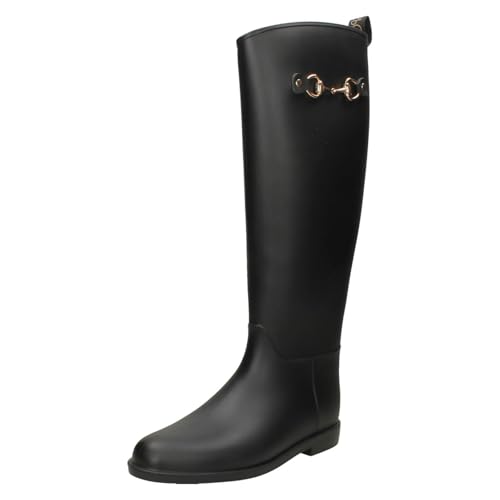
Ladies Elle Sport Pull On Wellington Riding Boots X1282 – Black Rubber – UK Size 6 – EU Size 39 – US Size 8
£32.00 *View On Amazon* - Women's Wellington Boots
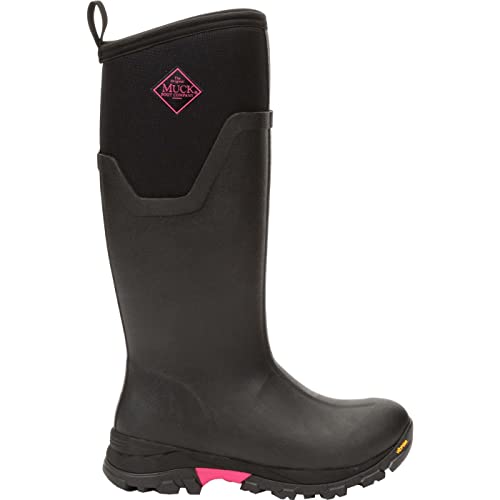
Muck Boots Women's Arctic Ice Tall AGAT Thermal Waterproof Wellington, Black Hot Pink, 7
£188.98 *View On Amazon* - Women's Wellington Boots
Lilley Womens Black Zebra Print Chelsea Welly – Size 7 UK – Black
£12.99 *View On Amazon* - Women's Wellington Boots
Regatta Women's Harper Low Cut Wellington Boots Foam In sock Outdoor Footwear
£25.49 *View On Amazon* - Women's Wellington Boots
Lakeland Active Women's Kelton Short Wellington Boots – Yellow – 5 UK
£26.99 *View On Amazon* - Women's Wellington Boots
Muck Boots Women's Arctic Sport II Fleece Lined Waterproof Pull on Ankle Boot, Dark Brown, 6
£115.00 *View On Amazon* - Women's Wellington Boots
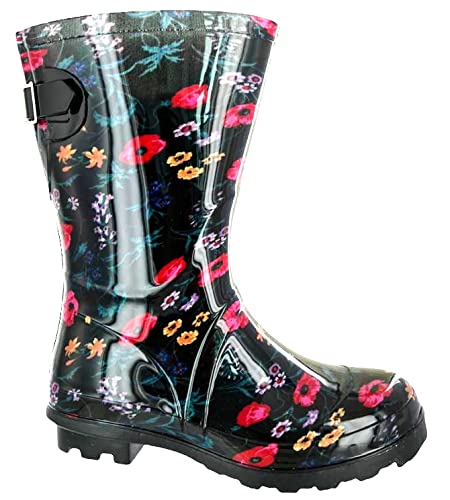
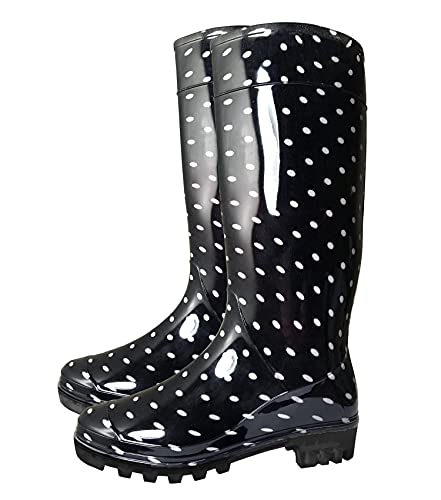
sole london WOMENS WELLIES SPOTS GARDEN FESTIVAL LADIES WELLY RAIN WATERPROOF WELLINGTON BOOTS SHOES
£14.95 *View On Amazon* - Women's Wellington Boots
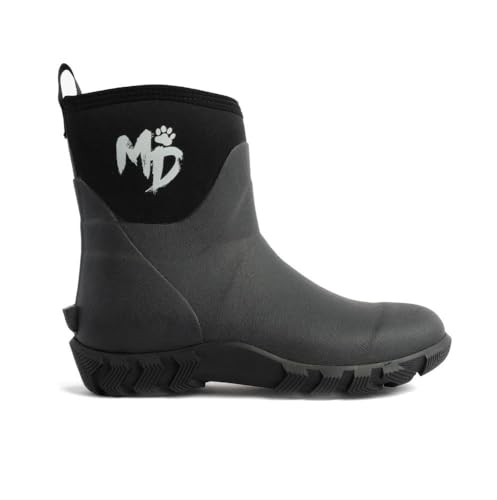
Mud Dogs RUTLAND SHORT Mens Womens Unisex Waterproof Dog Walking Neoprene Ankle Wellington Boots
£35.88 *View On Amazon* - Women's Wellington Boots
YOLIS Ankle Wellies Women Wellington Boots Waterproof Short Wellies Anti-Slip Ladies Chelsea Booties Rubber Garden Shoes Lightweight Rain Boots for Outdoor Activities
Original price was: £25.99.£22.09Current price is: £22.09. *View On Amazon* - Women's Wellington Boots
Savage Island Women's Short Neoprene Insulated Rubber Wellington Boots Warm Lined Fully Waterproof Wellies
Original price was: £44.99.£29.74Current price is: £29.74. *View On Amazon* - Women's Wellington Boots
DUNLOP Sport – Unisex Knee High Classic Retro Design Wellington Rain Boots, Pink/White, Waterproof and Chemical Resistant PVC Wellies for Outdoor, Farm and Gardening Work – EU39, UK6
Original price was: £18.57.£17.85Current price is: £17.85. *View On Amazon* - Women's Wellington Boots
Savage Island Short Women's 5mm Neoprene Lined Wellington Boots Outdoor Ladies Insulated Womens Wellies
£44.99 *View On Amazon* - Women's Wellington Boots
Savage Island Tall Ladies 5mm Neoprene Lined Wellington Boots Outdoor Women's Insulated Womens Wellies
£49.99 *View On Amazon* - Women's Wellington Boots
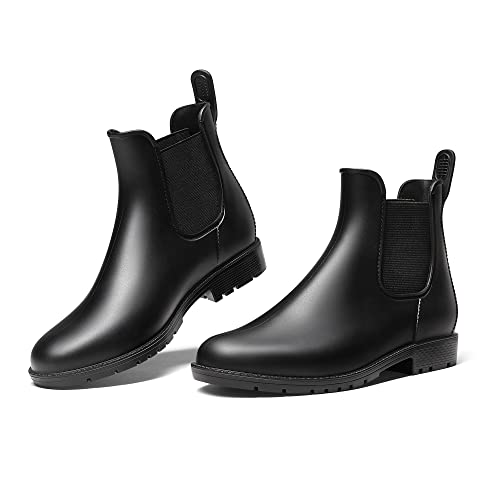
DREAM PAIRS Wellington Boots Women, Waterproof Rain Boots, Outdoor and Hiking Boots, Garden Boots, Comfortable Chelsea Boots,Size 4.5,Black,SDRB2406W-E
Original price was: £23.99.£20.39Current price is: £20.39. *View On Amazon* - Women's Wellington Boots
SUGAR ISLAND Ladies Womens Wellies Snow Rain Festival Wellington Boots Size UK 4, 5, 6, 7 (Black SPOT-5)
£17.99 *View On Amazon* - Women's Wellington Boots
DREAM PAIRS Wellington Boots Women Ankle Ladies Wellies Short Chelsea Booties Waterproof Rain Boots Black Size 6 UK SDRB2201W-E
Original price was: £18.99.£16.14Current price is: £16.14. *View On Amazon* - Women's Wellington Boots
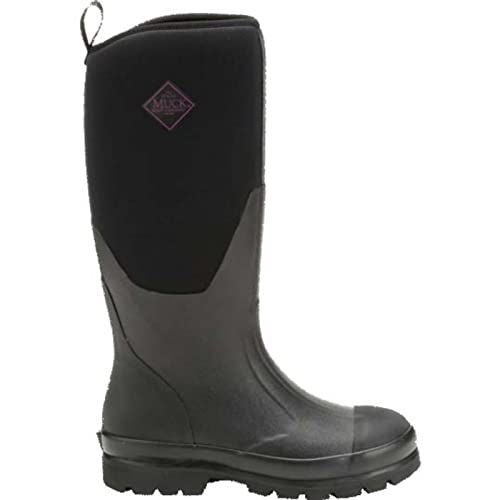
Muck Boots Women's Chore Classic Tall Pull On Waterproof Wellington Boot, Black, 4
£119.00 *View On Amazon* - Women's Wellington Boots
Lakeland Active Women's Kentmere Short Wellington Boots – Navy – 3 UK
Original price was: £75.00.£28.49Current price is: £28.49. *View On Amazon* - Women's Wellington Boots
Jileon Ankle Height Wellies for Women – Wide Foot EEE Fit – Ideal for Wide Calves and Feet – Yellow 7
£54.99 *View On Amazon*









Why Choose Women’s Wellington Boots?
1. 100% Waterproof Protection
- Fully Sealed Rubber Construction: Prevents water from seeping in.
- Leak-Proof Designs: Keeps feet dry even in deep puddles or heavy rain.
2. Comfortable & Supportive Fit
- Cushioned Insoles: Reduces foot fatigue for all-day wear.
- Adjustable Gussets & Buckles: Ensures a snug fit for different calf sizes.
3. Superior Grip & Stability
- Slip-Resistant Outsoles: Provides traction on wet, muddy, or icy surfaces.
- Deep-Lugged Soles: Prevents slipping and offers enhanced stability.
4. Durable & Long-Lasting
- High-Quality Rubber & Neoprene Materials: Withstands heavy use in tough conditions.
- Reinforced Toe & Heel Caps: Protects against impacts and wear.
5. Stylish & Functional Designs
- Classic & Contemporary Styles: From timeless green wellies to modern prints.
- Versatile Height Options: Choose knee-high for full coverage or ankle-length for lightweight convenience.
Types of Women’s Wellington Boots
1. Classic Tall Wellington Boots
- Design: Knee-high with a traditional waterproof rubber build.
- Purpose: Provides full leg protection from rain, mud, and splashes.
- Best For: Countryside walks, farming, and outdoor work.
2. Short & Ankle Wellington Boots
- Design: Lower-cut wellies for easy wear and movement.
- Purpose: Offers waterproofing without the bulk of tall boots.
- Best For: Festivals, gardening, and casual wet-weather outings.
3. Insulated & Neoprene-Lined Wellies
- Design: Features fleece or neoprene lining for extra warmth.
- Purpose: Keeps feet warm in colder temperatures.
- Best For: Winter wear, cold-weather walks, and outdoor work.
4. Adjustable Calf Wellington Boots
- Design: Includes expandable gussets or buckles for a custom fit.
- Purpose: Ensures comfort for wider calves or layering over trousers.
- Best For: All-day wear, farming, and equestrian use.
5. Fashion & Printed Wellies
- Design: Stylish patterns, glossy finishes, and vibrant colours.
- Purpose: Combines waterproof protection with a trendy look.
- Best For: Festivals, city walks, and everyday wear.
Features of Women’s Wellington Boots
- 100% Waterproof Rubber or Neoprene Construction: Keeps feet completely dry.
- Slip-Resistant Outsoles: Provides grip on wet and muddy surfaces.
- Shock-Absorbing Midsoles: Reduces impact for long-term comfort.
- Insulated & Fleece-Lined Options: Keeps feet warm in cold weather.
- Adjustable Fit: Buckles, gussets, and elastic panels allow a secure, custom fit.
- Lightweight & Flexible Designs: Ensures easy movement and wearability.
Benefits of Women’s Wellington Boots
- Keeps Feet Dry in Any Weather: Ideal for rain, mud, and wet terrain.
- Comfortable for Extended Wear: Padded insoles and adjustable fits enhance usability.
- Versatile Styling Options: Wear them for outdoor work, casual outings, or festival fashion.
- Durable Investment: High-quality materials ensure long-lasting performance.
- Easy to Clean & Maintain: Simply wipe or hose down after use.
Popular Uses for Women’s Wellington Boots
- Walking & Outdoor Adventures: Ideal for countryside, woodland, and coastal walks.
- Gardening & Farming: Keeps feet dry while working in wet or muddy conditions.
- Festival Wear: A stylish, practical choice for music festivals and outdoor events.
- Commuting & Rainy Days: An everyday essential for wet-weather city wear.
- Winter & Cold-Weather Protection: Insulated wellies for warmth and waterproofing.
Tips for Choosing the Right Wellington Boots
- Consider the Height: Tall wellies for full protection, short wellies for convenience.
- Look for Comfort Features: Cushioned insoles, adjustable gussets, and breathable linings improve fit.
- Check for Insulation: Fleece-lined options are best for winter wear.
- Prioritise Grip & Traction: Deep-lug soles provide better stability on slippery surfaces.
- Choose a Style That Suits Your Needs: Classic wellies for practicality, printed or glossy styles for fashion.
Why Shop Women’s Wellington Boots With Us?
- 35+ Years of Expertise: Trusted supplier of waterproof footwear since 1988.
- Top Brands: Featuring Hunter, Barbour, The North Face, Le Chameau, and more.
- Wide Selection: From classic tall wellies to stylish ankle boots.
- Affordable Pricing: High-quality wellingtons to fit every budget.
- Expert Guidance: Our team helps you find the perfect pair for your lifestyle.
FAQs About Women’s Wellington Boots
Q: Are all wellington boots waterproof?
A: Yes, wellington boots are made from waterproof materials like rubber or neoprene to keep feet dry in wet conditions.
Q: How do I keep my wellies from cracking?
A: Clean them regularly, store them in a cool, dry place, and use rubber conditioners to maintain flexibility.
Q: Are wellington boots suitable for snow?
A: Standard wellies provide waterproofing, but insulated versions are best for warmth in snow and icy conditions.
Q: How should wellies fit?
A: They should be snug but not tight, with room for thick socks in colder weather. Adjustable gussets can improve fit.
Q: Can I wear wellies for long walks?
A: Yes, but look for wellies with cushioned insoles and ankle support for added comfort on long-distance walks.
Q: What’s the best way to clean wellington boots?
A: Simply rinse with water, use mild soap for dirt, and dry naturally away from direct heat sources.
Q: Are there Wellington boots for wide calves?
A: Yes, many brands offer adjustable calf fits with expandable gussets and side buckles.
Step Into Comfort & Protection with the Perfect Pair of Wellies
Whether you’re braving the rain, walking through muddy fields, or heading to a festival, our collection of women’s Wellington boots has you covered. Browse online or visit us in-store to find your perfect pair today!
 Getting ready for Summer? View our Home and Garden Products

Heading outdoors this winter? Take a look at our Outdoor Clothing.
Amazon Associate Disclosure
As an Amazon Associate I earn from qualifying purchases.