
Archery Aluminium Arrows
Archery aluminium arrows are popular target arrows used for club shooting, beginner development, indoor practice, supervised family archery and organised target sessions. Aluminium arrow shafts are valued because they can offer consistent straightness, practical durability and a reliable feel when correctly matched to the bow and archer.
At YPC, we run real archery sessions at Yorkshire Outdoor Activity Park with qualified instruction, so we understand how important correct arrow length, suitable spine, safe target points, proper inspection and responsible range control are. This category is designed for responsible target archery, not hunting misuse, unsafe public use or uncontrolled shooting.
- Archery Aluminium Arrows
KURUGEILI 6.3-Inch Mini Crossbow Bolts, 36-Count Pack
Original price was: £15.99.£11.99Current price is: £11.99. *View On Amazon* - Archery Aluminium Arrows
PYMUST Gray CNC-Machined Aluminum Bow Riser Keychain
£19.99 *View On Amazon* - Archery Aluminium Arrows
Acouto Black Aluminium Alloy Recurve Bow Cushion Pad
£17.53 *View On Amazon* - Archery Aluminium Arrows
ZDETGU 12-Pack 6.2 mm Aluminium Insert Bases for Carbon Arrows
£5.40 *View On Amazon* - Archery Aluminium Arrows
YELARXI Red Plastic Archery Arrow Nocks, 50-Piece Press-Fit Pack
Original price was: £7.79.£7.39Current price is: £7.39. *View On Amazon* - Archery Aluminium Arrows
TOVINANNA Round Black EVA Arrow Holder for 12 Arrows
£5.69 *View On Amazon* - Archery Aluminium Arrows
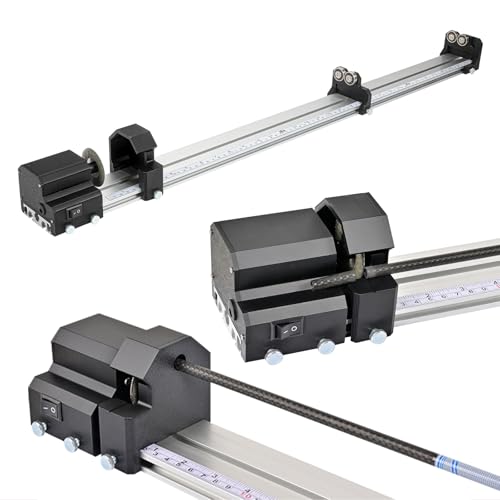
CHENNTAI 3-in-1 Electric Arrow Cutter with Ruler and Dust Cover
£129.99 *View On Amazon* - Archery Aluminium Arrows
SHARROW Rose CNC Aluminium Alloy Bow Riser Keyring Pendant
£15.99 *View On Amazon* - Archery Aluminium Arrows
SHARROW Green Archery Bow Riser Keychain Pendant, 8 x 1 cm
£15.99 *View On Amazon* - Archery Aluminium Arrows
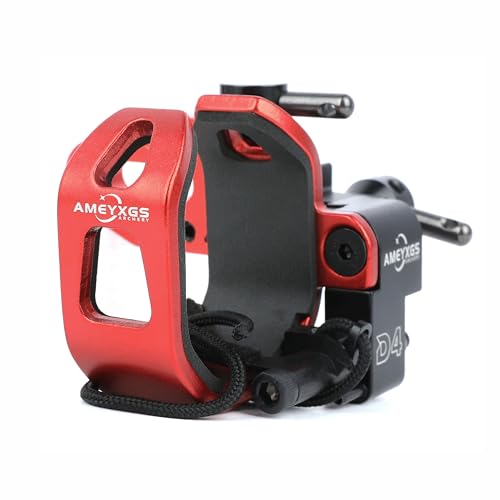
limaity Right-Hand Drop-Away Arrow Rest for Compound Bows, Red
£40.81 *View On Amazon* - Archery Aluminium Arrows
biubiusot 12-Pack 6.7-Inch Aluminium Crossbow Bolts, Yellow
£13.99 *View On Amazon* - Archery Aluminium Arrows
6.3-Inch Aluminium Crossbow Bolts with Steel Broadheads, 6 Pack
£35.99 *View On Amazon* - Archery Aluminium Arrows
POPETPOP Aluminium Arrow Nocks, 50 Pack, 4.2 mm Inner Diameter
£11.49 *View On Amazon* - Archery Aluminium Arrows
PATIKIL Archery Arrow Nocks, 6.2 mm (0.244 in), 50 Pack, Transparent Green
£7.59 *View On Amazon* - Archery Aluminium Arrows
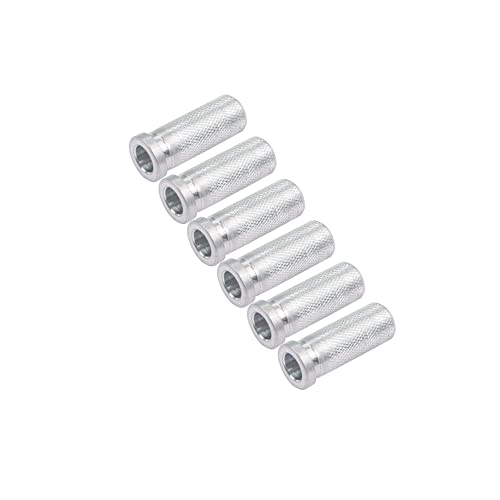
Aluminium Arrow Inserts for 6.0, 6.2 or 7.62 mm Shafts, 20 Pack
£8.99 *View On Amazon* - Archery Aluminium Arrows
FENJANER 8000 RPM Electric Arrow Saw, 4.3-32 in Cutting Range
£94.45 *View On Amazon* - Archery Aluminium Arrows
PATIKIL Arrow Inserts, 24 Pack, 6.2mm and 7.2mm Diameters
£9.99 *View On Amazon* - Archery Aluminium Arrows
wolfman SP800 Carbon-Aluminium-Carbon Target Arrows, 12 Pack
£165.99 *View On Amazon* - Archery Aluminium Arrows
DONGKER Magnetic Aluminium Recurve Bow Arrow Rest for Archery
Original price was: £10.99.£9.99Current price is: £9.99. *View On Amazon* - Archery Aluminium Arrows
SHARROW Magnetic Arrow Rest and Cushion Plunger Set for Recurve Bows, Purple
£25.99 *View On Amazon* - Archery Aluminium Arrows
ELONG OUTDOOR Archery Plunger and Magnetic Arrow Rest Set
£24.99 *View On Amazon* - Archery Aluminium Arrows
LEANPRO 12-Pack Shrink Fletch Arrow Wraps with 2-Inch Wings
£30.56 *View On Amazon*







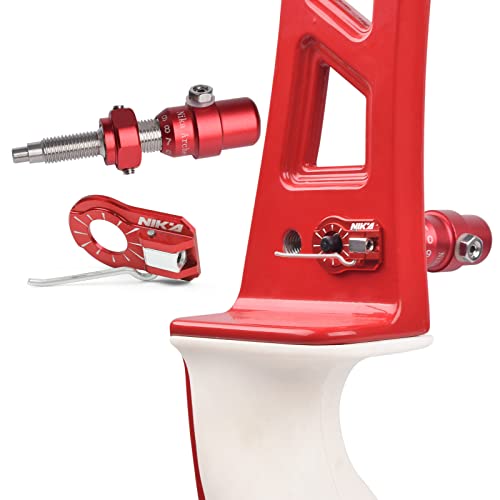

Practical Aluminium Arrows for Target Archery
Aluminium arrows can be a sensible choice for many archers because they are widely used, easy to understand and suitable for a range of target archery setups when correctly matched.
They can work well for beginners, improving archers, club practice, indoor target shooting and supervised sessions where consistency and easy inspection matter.
A good aluminium arrow should suit the bow type, draw weight, draw length and target use. It should also be inspected before every session and removed from use if bent, dented or damaged.
How to Choose Archery Aluminium Arrows
Start by checking the bow type, draw weight and the archer’s draw length. These details help determine the correct arrow length and spine.
Key decision factors include arrow length, arrow spine, shaft diameter, shaft straightness, arrow weight, target point type, nock fit, fletching style, bow compatibility, draw weight, draw length, indoor or outdoor use, junior suitability, club rules, target type, safe backstop and inspection routine.
Do not choose aluminium arrows only by colour, price or pack size. Compatibility is important for safety, consistency and enjoyable shooting.
Aluminium Arrows Explained
An aluminium arrow uses an aluminium shaft as the main body of the arrow.
The arrow normally includes a point at the front, fletchings near the rear and a nock that clips onto the bow string. Each part must be secure and suitable for target archery.
Aluminium arrows are often chosen because they are practical, consistent and easier to check for obvious bends than some other arrow types.
Aluminium Arrows for Recurve Bows
Aluminium arrows are commonly used with recurve bows, especially for target archery, beginner practice and club shooting.
They must still match the bow’s draw weight and the archer’s draw length. An arrow that is too stiff, too weak, too short or too heavy may not fly properly.
For recurve beginners, correctly matched aluminium arrows can be a reliable and practical option.
Aluminium Arrows for Compound Bows
Aluminium arrows can be used with some compound bows where they are correctly matched to the bow’s draw weight, draw length and setup.
Compound bows can place higher demands on arrows, so spine, length, nock fit and point security matter.
Do not use aluminium arrows with a compound bow unless the arrows are suitable for that bow and target use.
Aluminium Arrows for Beginner Archery
Beginners need arrows that are safe, suitable and consistent.
Aluminium arrows can be a good option because they are practical for target shooting and can be inspected for bends or damage before use.
A beginner should not use random arrows simply because they fit on the string. The arrows must match the bow and archer.
Aluminium Arrows for Junior Archers
Junior archers need arrows that suit their bow, strength and draw length.
Aluminium arrows may be suitable for some junior setups, but length and spine must be checked carefully. An arrow that is too short can be unsafe, while an unsuitable spine can make shooting inconsistent.
Children should always shoot under adult supervision with proper targets, safe backstops and clear range rules.
Aluminium Arrows for Club Archery
Club archers often use aluminium arrows for indoor practice, beginner progression and regular target shooting.
They can be a practical choice because they are consistent, familiar and easy to inspect between sessions.
Club advice can be useful when choosing arrow size, spine and length, especially as the archer improves.
Aluminium Arrows for Indoor Archery
Aluminium arrows are popular for indoor target archery because indoor ranges often have controlled conditions and known distances.
Their consistency can help archers focus on form, grouping and sight marks.
Always check club or venue rules before choosing arrows for indoor shooting.
Aluminium Arrows for Outdoor Archery
Aluminium arrows can also be used outdoors, depending on the bow, archer and shooting distance.
Wind, rain and longer distances may affect arrow choice more noticeably outdoors. Shaft diameter, weight and fletching condition can all matter.
Outdoor shooting still needs a proper target, safe backstop and controlled range area.
Aluminium Arrows for Target Practice
Aluminium arrows are well suited to structured target practice when matched correctly.
They help archers practise grouping, aim, release and consistency with a dependable arrow set.
A proper target and backstop are essential. Do not use improvised targets that may fail to stop arrows safely.
Aluminium Arrows for Garden Practice
Garden archery should only take place where the area is genuinely safe, private and controlled with a proper target and backstop.
Aluminium arrows should not be used towards roads, public paths, neighbours, windows, sheds, vehicles, pets or shared spaces.
A suitable arrow does not make an unsafe garden range acceptable.
Arrow Length
Arrow length is one of the most important safety details.
An aluminium arrow must be long enough for the archer’s draw length. If an arrow is too short, it may be overdrawn, which can be dangerous.
Do not guess arrow length, especially for beginners and growing juniors. Choose arrows with a safe length for the archer and bow.
Draw Length and Aluminium Arrows
Draw length is how far the archer draws the bow.
The arrow must remain safely positioned at full draw. If the archer changes technique, grows or changes bow setup, arrow length may need to be checked again.
This is especially important for juniors and new archers whose form is still developing.
Arrow Spine
Arrow spine describes how much the arrow shaft flexes.
Aluminium arrows are available in different spine ratings. The correct spine depends on draw weight, arrow length, point weight and bow type.
If the spine is wrong, the arrow may not fly consistently, even if the archer’s technique is good.
Why Spine Matters for Aluminium Arrows
When an arrow is released, it flexes as it leaves the bow.
That flex needs to be suitable for the bow. Too weak or too stiff can both create poor arrow flight and inconsistent grouping.
Choosing the right spine is one of the main reasons aluminium arrows should be matched properly rather than bought at random.
Arrow Weight
Aluminium arrows can vary in weight depending on shaft size, length, point type and components.
Arrow weight affects flight, sight marks and how the arrow feels from the bow.
Choose arrow weight according to the bow, target distance and archer level rather than assuming lighter or heavier is automatically better.
Shaft Diameter
Aluminium arrow shafts come in different diameters.
Diameter can affect weight, target performance, wind behaviour and component compatibility.
Beginners may not need to focus heavily on diameter, but regular archers should still make sure points, nocks and fletchings match the shaft.
Shaft Straightness
Straightness is important for consistent arrow flight.
Aluminium arrows are often easy to check for visible bends. A bent shaft should not be used because it can fly unpredictably and affect accuracy.
Inspect arrows regularly, especially after target impacts, misses or transport.
Bent Aluminium Arrows
A bent aluminium arrow should be removed from use.
Even a small bend can affect flight and make shooting inconsistent. Do not try to keep using a visibly bent arrow because it still looks complete.
If the arrow does not roll straight or shows obvious bending, replace it.
Dented Aluminium Arrows
Dents can weaken an aluminium arrow shaft and affect safety.
Check for dents, flat spots and impact marks before shooting. Pay particular attention after arrows hit hard objects, target frames or the ground.
Do not shoot a dented shaft if there is any doubt about safety.
Aluminium Arrow Points
Aluminium arrows used for target archery should be fitted with suitable target points.
The point must match the shaft and be securely fitted. Loose points can damage targets, affect arrow weight and create problems during use.
Do not use broadheads, hunting points or cutting tips for normal target archery.
Target Points for Aluminium Arrows
Target points are the correct choice for most aluminium arrows used in this category.
They are designed for shooting into proper archery targets and target bosses.
Check that the points are fitted securely and are suitable for the target material being used.
Nocks for Aluminium Arrows
The nock clips the arrow to the bow string.
Nock fit matters. If the nock is too tight, release may be poor. If it is too loose, the arrow may fall off the string or feel unsafe.
Check nocks for cracks, looseness and wear before shooting.
Fletchings for Aluminium Arrows
Fletchings help stabilise the arrow in flight.
Aluminium arrows may use plastic vanes or feather fletchings depending on the bow type and shooting style.
Damaged, missing or loose fletchings can affect accuracy and should be repaired or replaced.
Plastic Vanes
Plastic vanes are common on aluminium target arrows.
They are practical, durable and easy to maintain for many archers.
If vanes become torn, crushed or loose, arrow flight may suffer, so inspect them before use.
Feather Fletchings
Feather fletchings may be used on some aluminium arrows, depending on the setup and archer preference.
They can suit certain traditional or recurve styles, but they may need more care in wet conditions.
Check feathers for damage, flattening or separation before shooting.
Matched Aluminium Arrow Sets
A matched set of aluminium arrows gives more consistent practice than a mixed group of different arrows.
If arrows vary in length, spine, weight or components, the archer may struggle to identify whether misses are caused by technique or equipment.
For better practice, use arrows that match as closely as practical.
Aluminium Arrow Packs
Aluminium arrows are often sold in packs.
A pack can be useful for beginners, clubs, families and regular archers because it provides enough arrows for practice and spares.
Check that every arrow in the pack is suitable for the bow and archer before shooting.
Spare Aluminium Arrows
Spare arrows are useful because arrows can be damaged, lost or worn over time.
Try to keep spare arrows matched to the main set so practice remains consistent.
Do not mix damaged arrows back into the shooting set.
Aluminium Arrows vs Carbon Arrows
Aluminium arrows and carbon arrows are both used in target archery, but they feel and behave differently.
Aluminium arrows are often easier to inspect for obvious bends. Carbon arrows can be light and consistent, but damage may be harder to spot and needs careful inspection.
The best choice depends on the bow, archer, budget, shooting distance and target use.
Aluminium Arrows vs Fibreglass Arrows
Fibreglass arrows are often used for junior, beginner and group activity settings because they can be robust and cost effective.
Aluminium arrows may offer better consistency for target practice when properly matched.
For improving beginners, aluminium arrows can be a useful step up from basic starter arrows.
Aluminium Arrows vs Wooden Arrows
Wooden arrows are often associated with longbows and traditional archery.
Aluminium arrows are more common in modern target archery, especially for recurve and some compound setups.
Traditional archers may prefer wood, while target archers may choose aluminium for consistency and practical inspection.
Aluminium Arrows for Progression
As an archer improves, better matched arrows can help support more consistent practice.
Aluminium arrows can be a sensible progression choice because they offer dependable target use without immediately moving into more specialised equipment.
Upgrade only when the archer’s technique, bow fit and shooting goals justify it.
Aluminium Arrows and Accuracy
Aluminium arrows can support accuracy when they are matched to the bow and archer.
However, arrows alone do not create accuracy. Good technique, safe range setup, suitable draw weight, correct bow string, proper rest and consistent practice all matter.
If arrows are scattered across the target, check the archer’s form and equipment before assuming the arrows need replacing.
Aluminium Arrows and Bow Sights
If you change arrow type, your bow sight marks may change.
Aluminium arrows may fly differently from carbon, fibreglass or wooden arrows because of differences in weight and spine.
After changing arrows, recheck sight settings safely at a suitable target distance.
Aluminium Arrows and Arrow Rests
The arrow rest supports the arrow before release.
A damaged or unsuitable rest can make even good aluminium arrows fly poorly.
If arrow flight is inconsistent, check the rest, nock fit, string, bow setup and archer technique.
Aluminium Arrows and Bow Strings
The arrow nock must fit the bow string correctly.
If the centre serving is too thick or too thin for the nock, release may be affected. The arrow should clip on securely without being forced.
Check nock fit with the actual string and arrows being used.
Aluminium Arrows and Targets
Use aluminium arrows only with suitable archery targets.
A proper target boss, target block or approved target setup is far safer than improvised materials.
Do not shoot at fences, trees, sheds, cardboard boxes, hard surfaces or random garden objects.
Aluminium Arrows and Backstops
A safe backstop helps manage missed shots.
Backstop netting, safe overshoot space and careful target placement are all part of responsible archery.
A well matched arrow still needs a safe range behind the target.
Inspecting Aluminium Arrows Before Use
Inspect aluminium arrows before every shooting session.
Look for bends, dents, cracks, loose points, damaged nocks, missing fletchings and unusual marks.
If anything looks unsafe or questionable, do not shoot that arrow.
Checking for Bends
Aluminium arrows can bend if they hit hard objects, miss the target or are handled roughly.
A simple visual check may show obvious bending. Some archers also roll arrows gently on a flat surface to check straightness.
Do not shoot arrows that are visibly bent or no longer straight.
Checking Points
Arrow points should be secure and correctly fitted.
A loose point can affect weight, damage the target or be left behind in the boss.
If a point becomes loose, repair or replace it properly before shooting.
Checking Nocks
Nocks should be secure, clean and free from cracks.
A cracked nock can fail during the shot and may create unsafe arrow behaviour.
Replace damaged nocks before use.
Checking Fletchings
Fletchings should be attached securely and should not be badly torn, crushed or missing.
Damaged fletchings can make arrows unstable in flight.
If fletchings are damaged, repair or replace them before relying on the arrow.
Cleaning Aluminium Arrows
Clean arrows help protect equipment and make inspection easier.
Wipe dirt, grass and target residue from the shaft after use. Dry arrows before storing them.
Do not store muddy or wet arrows in a closed tube or case for long periods.
Storing Aluminium Arrows
Store aluminium arrows straight, dry and protected.
Use an arrow tube, arrow case or suitable quiver that prevents bending and protects fletchings.
Keep arrows away from children, pets, damp, heat and heavy items that could crush or bend shafts.
Transporting Aluminium Arrows
Transport aluminium arrows discreetly and securely in a tube, case or bow bag.
Do not carry arrows openly in public places. Keep points covered and shafts protected.
Do not throw loose arrows into a car boot or equipment bag where they may bend.
Aluminium Arrows and Quivers
A quiver helps keep aluminium arrows organised during shooting.
It prevents arrows being left on the ground, stepped on or mixed with other people’s arrows.
For target archery, a side quiver, hip quiver or ground quiver can be very practical.
Aluminium Arrows and Arrow Tubes
An arrow tube is useful for storage and travel.
It helps protect aluminium shafts from bending and keeps arrow sets together.
For regular club archery, an arrow tube is often a sensible accessory.
Aluminium Arrows and Children
Children should use aluminium arrows only if they are suitable for the child’s bow and draw length.
Adults should inspect arrows before use and control when arrows are handled, shot and collected.
Children should be taught never to run with arrows or point them at people or animals.
Aluminium Arrows and Schools
Schools need arrows that are easy to inspect, safe for supervised use and matched to the bows used in sessions.
Aluminium arrows may be suitable for some school setups, but they should be checked regularly for bends and damage.
Damaged arrows should be removed from group use immediately.
Aluminium Arrows and Activity Providers
Activity providers need arrows that support safe instruction and repeated supervised use.
At YPC, archery sessions depend on safe equipment checks, suitable targets and clear range rules. Arrows must be practical, inspectable and matched to the bows in use.
For public activity settings, easy inspection and reliable performance matter.
Aluminium Arrows and Public Places
Archery arrows should not be used or carried openly in public places.
Do not shoot in parks, streets, open fields, footpaths, car parks or shared spaces unless the activity is authorised and fully controlled.
Transport arrows discreetly and use them only in safe, suitable archery settings.
Aluminium Arrows and Pets
Do not use or store aluminium arrows where pets can access them.
Animals may run into the shooting area, knock arrows over or injure themselves on points.
Keep arrows packed away when not in use.
Aluminium Arrows and Hunting Misuse
This category is intended for target archery, supervised practice, club shooting and organised activity use.
Do not use aluminium arrows for illegal hunting, wildlife harm, intimidation, public misuse or unsafe behaviour.
Use suitable target points only for responsible archery practice.
Common Aluminium Arrow Buying Mistakes
Common mistakes include buying arrows that are too short, choosing the wrong spine, ignoring draw weight, mixing different arrow types and buying arrows without checking nock fit.
Another mistake is buying arrows for appearance rather than compatibility.
The best aluminium arrow is the one that suits the bow, archer and target use.
Common Aluminium Arrow Use Mistakes
Common use mistakes include shooting bent arrows, reusing damaged arrows, carrying arrows loose, leaving them on the ground and failing to inspect them after misses.
Another mistake is allowing children to handle arrows without supervision.
Good arrow handling is part of safe archery.
Aluminium Arrow Safety Checklist
Before shooting, check arrow length, shaft straightness, dents, point security, nock condition, fletching condition, bow compatibility, target suitability and backstop safety.
Make sure the range is clear and controlled before arrows are nocked.
If an arrow looks damaged or unsuitable, do not shoot it.
When Not to Use Aluminium Arrows
Do not use aluminium arrows if they are bent, dented, cracked, too short, fitted with loose points, fitted with damaged nocks, missing fletchings or unsuitable for the bow.
Do not use arrows in unsafe areas, public places, near roads, near animals, near people or towards unsuitable targets.
If the arrow, bow or range is unsafe, archery should not take place.
Shop Archery Aluminium Arrows Online
Browse our Archery Aluminium Arrow range to find practical aluminium target arrows for recurve bows, suitable compound setups, beginner progression, club shooting, supervised practice and organised archery sessions. Compare arrow length, spine, shaft diameter, point type, nock fit, fletching style, pack size, bow compatibility and safe target use to choose aluminium arrows that suit your bow, archer and practice setting.
Archery Aluminium Arrow FAQs
What are aluminium arrows used for?
Aluminium arrows are used for target archery, club shooting, supervised practice and organised archery sessions when matched to the bow and archer.
Are aluminium arrows good for beginners?
Yes, aluminium arrows can be a practical choice for beginners when they are the correct length, spine and type for the bow.
Can aluminium arrows be used with recurve bows?
Yes, aluminium arrows are commonly used with recurve bows for target archery when properly matched.
Can aluminium arrows be used with compound bows?
Yes, some compound bows can use aluminium arrows, but the arrows must match the bow’s draw weight, draw length and setup.
Are aluminium arrows better than carbon arrows?
Not always. Aluminium arrows are often easier to inspect for bends, while carbon arrows can be light and consistent. The better choice depends on the archer and bow.
Are aluminium arrows better than fibreglass arrows?
Aluminium arrows may offer better consistency for target practice, while fibreglass arrows can be useful for basic beginner or group activity use.
Can children use aluminium arrows?
Yes, if the arrows suit the child’s bow, draw length and strength, and the child is supervised by an adult.
What arrow length do I need?
Arrow length should be based on the archer’s draw length and must be long enough for safe shooting.
What is arrow spine?
Arrow spine describes how much the arrow shaft flexes. It must suit the bow’s draw weight and the arrow length.
Why do aluminium arrows bend?
Aluminium arrows can bend if they hit hard objects, miss the target, are stepped on or are stored badly.
Can I shoot a bent aluminium arrow?
No. A bent aluminium arrow should be removed from use because it can fly poorly and may be unsafe.
How do I inspect aluminium arrows?
Check for bends, dents, cracks, loose points, damaged nocks, missing fletchings and unusual marks before shooting.
What points should aluminium arrows use?
For this category, aluminium arrows should use suitable target points for responsible target archery.
Can I use broadheads with aluminium arrows?
Broadheads are not suitable for normal target archery, club use, garden practice or supervised activity sessions.
How should aluminium arrows be stored?
Store them dry, straight and protected in an arrow tube, case or suitable quiver, away from children, pets, damp, heat and heavy items.
Can aluminium arrows be used in the garden?
Only if the garden is genuinely safe, private and controlled with a proper target, backstop and no risk to people, animals or property.
Why buy Archery Aluminium Arrows from YPC?
YPC runs real archery sessions at Yorkshire Outdoor Activity Park, so we understand correct arrow matching, safe inspection, proper target use, supervised practice and responsible target archery.
 Getting ready for Summer? View our Home and Garden Products

Heading outdoors this winter? Take a look at our Outdoor Clothing.
