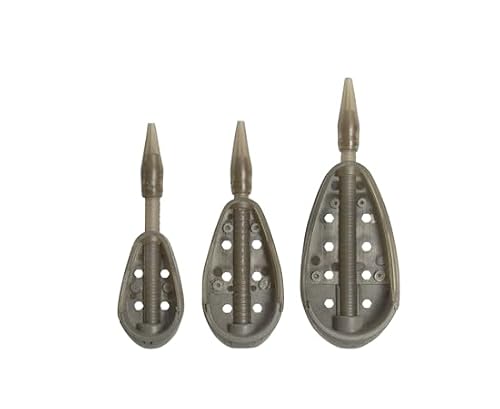
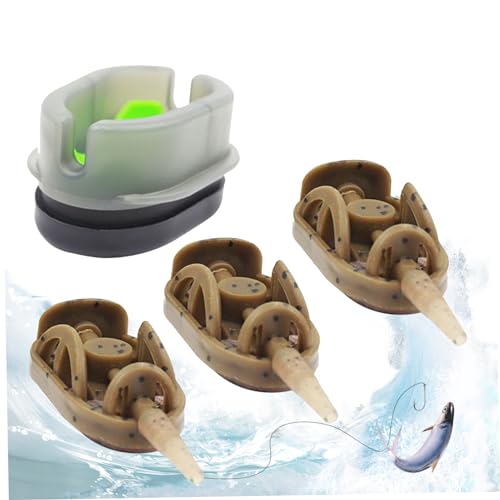
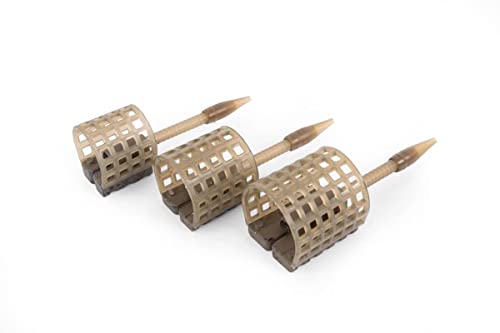
Feeder systems are designed to carry bait close to the hook bait, helping anglers present feed and hook bait together in a controlled way. They are suitable for coarse anglers, carp anglers, match anglers and feeder fishing beginners who want a practical setup for lakes, rivers, canals and commercial fisheries.
The right feeder system depends on the target fish, venue rules, water depth, flow, casting distance, bait type, feeder weight, rig style, rod rating and how you want the bait to release once it reaches the swim. Some feeders are designed for stillwaters and method feeder fishing, while others are better suited to rivers, deeper water or more active feeding.
Feeder systems are fishing setups that use a feeder to hold and deliver bait into the water. The feeder may be filled with ground bait, pellets, particles, maggots or other suitable bait depending on the method and venue rules.
A feeder system can include the feeder itself, hooklength, main line, swivel, bead, clip, stop, mould, quick change link or other rig components. The aim is to create a neat setup that casts well, presents bait effectively and allows bites to be detected clearly.
Feeder systems are commonly used in coarse fishing, commercial fishery fishing, bream fishing, carp fishing, river fishing and match fishing.
What Are Feeder Systems Used For?
Feeder systems are used to place bait accurately around the hook bait. Instead of loose feeding by hand or catapult, the feeder carries bait to the exact area being fished.
This can help attract fish into a tighter feeding zone. It can also make fishing more controlled when you are casting to a feature, island, far bank, deeper channel or chosen spot in open water.
Feeder systems are useful for a range of species, including carp, bream, tench, roach, skimmers, chub and other coarse fish depending on the water and tackle used.
How To Choose The Right Feeder System
Start by thinking about the venue. Stillwaters, canals, commercial fisheries and rivers can all need different feeders. A method feeder may be useful on commercial waters, while a cage feeder or open end feeder may be more suitable in deeper water or flow.
Next, think about the bait. Ground bait, micro pellets, maggots and particles all behave differently inside a feeder. Some baits need a feeder that holds them firmly during the cast, while others need space to release quickly on the bottom.
Feeder weight is also important. The feeder must be suitable for the rod, casting distance and conditions. A feeder that is too light may not reach the swim or hold bottom in flow, while one that is too heavy may overload the rod or make casting awkward.
Key Features To Compare
When comparing feeder systems, look at feeder type, size, weight, shape, bait capacity, release style, rig compatibility, casting distance, water type and whether the setup is suitable for the fish being targeted.
The shape of the feeder can affect how it flies, settles and releases bait. Flat method feeders can sit neatly on the bottom, while cage feeders allow bait to break down and spread more freely.
Rig safety should also be considered. Feeder systems should be set up in a way that suits the venue rules and reduces the chance of fish being left towing tackle if the line breaks.
Method Feeders, Cage Feeders And Open End Feeders
Method feeders are often used with dampened ground bait or softened pellets moulded around the feeder. The hook bait is commonly presented close to the feeder, making the setup compact and accurate.
Cage feeders have an open mesh style body that allows bait to wash out gradually. They can be useful for rivers, stillwaters and general feeder fishing where you want bait to release through the feeder.
Open end feeders are often used with ground bait, maggots or mixed feed. They can be useful when you want bait to leave the feeder more freely, depending on how the mix is prepared.
The best feeder depends on bait, depth, flow and the way fish are feeding.
Inline, Running And Fixed Feeder Setups
Inline feeder systems allow the line to pass through the feeder or feeder body. They are often used in method feeder fishing and can create a neat, compact rig.
Running feeder setups allow the feeder to move on the line. This can help fish feel less resistance in some situations and is a common approach in many coarse fishing methods.
Fixed or semi fixed feeder setups may be used in certain feeder styles, but they must be used responsibly and in line with fishery rules. If you are unsure, choose a simple, safe running setup and check local guidance.
Feeder Systems Compared With Float Fishing
Feeder fishing is useful when you want to present bait on or near the bottom and cast accurately to a chosen spot. It can be effective in deeper water, windy conditions or when fish are feeding close to the lake bed or river bed.
Float fishing is more visual and can be better when fish are feeding at different depths or when you want to watch delicate bite movement. It can also be useful close in or when presenting bait naturally through the water.
The trade off is presentation style. Feeder systems are excellent for putting bait and hook bait together, while float fishing can offer more control over depth and movement.
Beginner, Regular Angler And Experienced Angler Guidance
Beginners should start with simple feeder systems that are easy to set up and suitable for the venue. A basic cage feeder or method feeder setup can be a practical way to learn accurate casting and bite detection.
Regular anglers may want a choice of feeder sizes, weights and styles. This allows them to adapt to distance, depth, wind, flow and fish activity during a session.
Experienced anglers often fine tune hooklength length, feeder weight, bait texture, casting accuracy, rig components and release speed. Small changes can make a big difference when fish are cautious or feeding in a tight area.
Bait Choice And Feeder Presentation
Bait choice is central to feeder fishing. Ground bait, micro pellets, maggots, chopped bait and particles all release differently and can attract different fish.
The bait must be mixed correctly for the feeder. If it is too dry, it may fall out during the cast. If it is too wet or sticky, it may not release properly once it reaches the bottom.
Method feeder mixes usually need to bind around the feeder, while cage feeder mixes may be looser or more active. Test the mix before casting so you know how it behaves.
Feeder Weight, Casting Distance And Rod Rating
Feeder weight should match the rod and fishing conditions. Always check the casting weight or rating of the rod before using heavier feeders.
For short range fishing, lighter feeders may be enough. For longer casts, wind or river flow, a heavier feeder may be needed, but it should still be safe and comfortable to cast.
Casting accuracy matters more than raw distance. A feeder system works best when you can repeatedly land the feeder in the same area and build a consistent baited spot.
Hooklengths, Hooks And Rig Balance
The hooklength should suit the feeder, bait, fish and bite behaviour. Short hooklengths are often used with method feeders, while longer hooklengths may suit cage feeders, rivers or more cautious fish.
Hook size should match the hook bait and target species. A hook that is too large can look unnatural, while one that is too small may not suit stronger fish or larger baits.
Balanced tackle matters. The feeder, main line, hooklength, hook and bait should all work together as one setup.
Feeder Systems For Rivers, Lakes And Commercial Fisheries
On rivers, feeder systems may need enough weight to hold bottom in flow. Cage feeders and open end feeders can be useful where bait needs to release steadily downstream or near the river bed.
On lakes and canals, lighter feeders may be suitable depending on depth, distance and wind. Presentation can be more delicate when there is little flow.
On commercial fisheries, method feeders and pellet feeders are popular where rules allow. Always check fishery rules, as some venues control feeder type, bait, hooklength length or rig arrangements.
Bite Detection And Feeder Fishing Rod Tips
Feeder fishing often uses a quiver tip or sensitive rod tip to show bites. The tip moves when fish touch, pick up or move the bait.
A softer tip may show delicate bites more clearly, while a stronger tip may be needed for heavier feeders, wind, flow or larger fish. The feeder and rod tip should be matched to the conditions.
Good bite detection also depends on line tension, rod position and wind direction. A well chosen feeder system still needs careful setup on the bank.
Venue Rules And Responsible Feeder Fishing
Always check venue rules before using feeder systems. Some fisheries restrict feeder types, lead systems, bait quantities, barbed hooks, hooklength lengths or method feeder use.
Responsible feeder fishing means using tackle that suits the fish and reduces the risk of tethering. If a rig breaks, it should not leave a fish dragging a dangerous setup.
Take old line, damaged feeders, packaging and bait waste home with you. Do not leave tackle or ground bait on the bank.
Care, Cleaning And Storage
Feeder systems should be cleaned and stored properly after use. Ground bait, pellets, mud and weed can dry onto feeders and make them less pleasant to use next time.
Rinse or wipe feeders where suitable, let them dry and store them in a tackle box or feeder case. Check for damaged cages, bent stems, worn swivels, cracked plastic or sharp edges before fishing.
Organised storage makes feeder fishing much easier. Keeping different sizes and weights separate helps you choose the right feeder quickly during a session.
Useful Accessories To Consider
Useful accessories for feeder systems include feeder moulds, method moulds, swivels, beads, quick change links, hooklength boxes, hooks, line, hooklink material, bait tubs, ground bait bowls, pellet pumps, bait trays and tackle boxes.
Landing nets, unhooking mats, forceps, line cutters and fish care equipment are also important depending on the species you are targeting. A good feeder setup should be practical, organised and responsible.
Why Buy Feeder Systems From YPC?
At YPC, we understand active lifestyles and the need for practical products that work in real use. Feeder systems should be chosen carefully because feeder type, weight, bait release, rig safety and venue rules all affect how well the setup works.
Browse the Feeder Systems category at YPC to compare available options, check the details that suit your fishing method and choose feeder tackle that matches the waters and species you plan to target.
Feeder Systems FAQs
What is a feeder system in fishing?
A feeder system is a fishing setup that uses a feeder to carry bait into the swim. The feeder places bait close to the hook bait, helping attract fish to the area being fished.
It can include the feeder, hooklength, swivels, beads, stops, clips and other rig components.
Are feeder systems suitable for beginners?
Yes, feeder systems can be suitable for beginners. A simple cage feeder or method feeder setup can be easy to learn and useful on many coarse fishing waters.
Beginners should start with safe, simple rigs and check fishery rules before fishing.
What is a method feeder?
A method feeder is a feeder designed to hold dampened ground bait or softened pellets around its frame. The hook bait is usually presented close to the feeder.
It is often used on commercial fisheries and stillwaters where method feeder fishing is allowed.
What is a cage feeder?
A cage feeder is a feeder with an open mesh body that lets bait wash out into the swim. It can be used with ground bait, maggots, pellets or mixed feed depending on the method.
Cage feeders are useful in rivers, lakes and general feeder fishing.
What is an open end feeder?
An open end feeder is a feeder with open ends that allows bait to release into the water. It is often used with ground bait, maggots or mixed bait.
It can be useful when you want bait to leave the feeder more freely.
What is the difference between a method feeder and a cage feeder?
A method feeder usually holds bait moulded around the feeder, with the hook bait presented close by. A cage feeder allows bait to break down and leave through the open mesh.
Method feeders are often compact and accurate, while cage feeders can create a wider bait release.
What feeder weight should I use?
The right feeder weight depends on casting distance, rod rating, water depth, wind, flow and target fish. Use a feeder that is heavy enough for the conditions but still suitable for your rod.
Always check the rod casting rating before using heavier feeders.
Can I use feeder systems on rivers?
Yes, feeder systems can be used on rivers where permitted. Flow may require heavier feeders or different shapes to hold bottom.
Cage feeders and open end feeders are common choices for river fishing, depending on depth and current.
Can I use feeder systems on commercial fisheries?
Yes, feeder systems are often used on commercial fisheries, especially method feeders and pellet feeders. However, rules vary between venues.
Always check whether the fishery allows method feeders, certain hooklengths, bait types or feeder styles.
What bait do I use in a feeder?
Common feeder baits include ground bait, micro pellets, maggots, chopped bait and particles, depending on the feeder type and venue rules.
The bait should be mixed or prepared so it stays in the feeder during the cast and releases properly in the water.
Why does bait fall out of my feeder during casting?
Bait may fall out if it is too dry, too loose, not pressed in firmly enough or unsuitable for the feeder type. The cast may also be too forceful for the mix.
Adjust the moisture, texture and packing pressure before casting again.
Why is my bait not coming out of the feeder?
Bait may not release if it is too wet, too sticky or packed too tightly. Some mixes need more careful preparation to break down properly.
Test the feeder in shallow water if possible so you can see how the bait behaves.
Do I need a feeder mould?
A feeder mould can be useful with method feeders because it helps shape bait neatly around the feeder. This can make casting and presentation more consistent.
Not every feeder system needs a mould, so check the feeder type before buying.
What hooklength should I use with a feeder system?
Hooklength choice depends on feeder type, fish behaviour, bait and venue rules. Method feeders often use shorter hooklengths, while cage feeders may use longer hooklengths.
Always match the hooklength to the setup and fishery guidance.
Are feeder systems good for carp fishing?
Feeder systems can be useful for carp fishing, especially method feeders, pellet feeders and other suitable setups where allowed. The tackle should be strong enough for the fish and safe if the line breaks.
Use suitable landing nets, unhooking mats and fish care equipment.
Are feeder systems good for bream fishing?
Yes, feeder systems are often used for bream fishing. Cage feeders, open end feeders and ground bait based approaches can help create a feeding area.
Bream fishing often rewards accurate casting and consistent feeding.
Can I use feeder systems with pellets?
Yes, many feeder systems can be used with pellets, especially method feeders and pellet feeders. Pellets may need soaking or softening depending on the product and method.
Check bait preparation guidance and venue rules before use.
How should I store feeder systems?
Store feeders, moulds and rig components in a tackle box, feeder case or organiser. Keep different sizes and weights separate so they are easy to find.
Clean off bait and mud before storage where possible.
Landing nets, unhooking mats, forceps and line cutters are also useful for safe and organised fishing.
What should I check before buying feeder systems?
Check the feeder type, size, weight, bait compatibility, rig style, rod rating, target species, water type and venue rules. Also think about whether you need method feeders, cage feeders, open end feeders or accessories.
The right feeder system should suit your bait, your fishing method and the water you plan to fish.
Heading outdoors this winter? Take a look at our Outdoor Clothing.
Manage Consent
To provide the best experiences, we use technologies like cookies to store and/or access device information. Consenting to these technologies will allow us to process data such as browsing behaviour or unique IDs on this site. Not consenting or withdrawing consent, may adversely affect certain features and functions.
Functional
Always active
The technical storage or access is strictly necessary for the legitimate purpose of enabling the use of a specific service explicitly requested by the subscriber or user, or for the sole purpose of carrying out the transmission of a communication over an electronic communications network.
Preferences
The technical storage or access is necessary for the legitimate purpose of storing preferences that are not requested by the subscriber or user.
Statistics
The technical storage or access that is used exclusively for statistical purposes.The technical storage or access that is used exclusively for anonymous statistical purposes. Without a subpoena, voluntary compliance on the part of your Internet Service Provider, or additional records from a third party, information stored or retrieved for this purpose alone cannot usually be used to identify you.
Marketing
The technical storage or access is required to create user profiles to send advertising, or to track the user on a website or across several websites for similar marketing purposes.