
Fishing Hooks
Fishing hooks are essential terminal tackle used to present bait, flies or lures and connect with fish during a bite. They are suitable for coarse anglers, carp anglers, predator anglers, sea anglers, fly anglers and anyone building fishing rigs for different waters, species and methods.
The right fishing hook depends on the fish you are targeting, bait size, fishing method, hook pattern, hook size, wire strength, eye type, barb type, line or hooklink choice, venue rules and how the hook works with the rest of your setup.
- Fishing Hooks
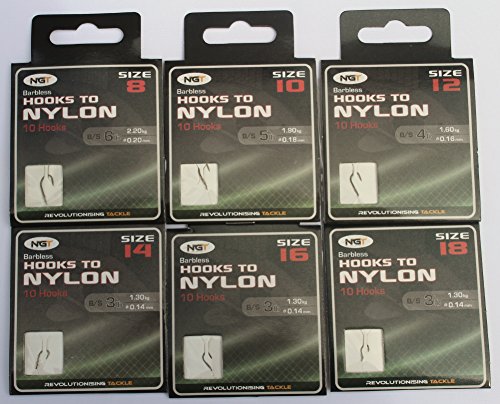
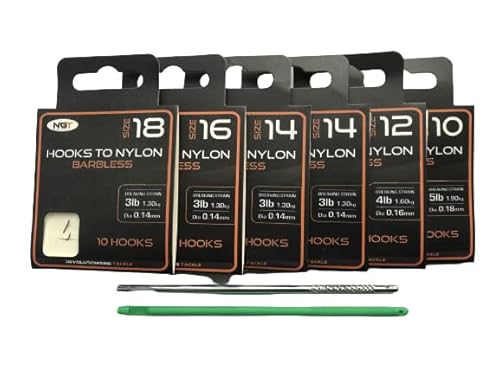
Drennan Super Specialist Barbless Hooks Size 14
Original price was: £3.99.£2.45Current price is: £2.45. *View On Amazon* - Fishing Hooks
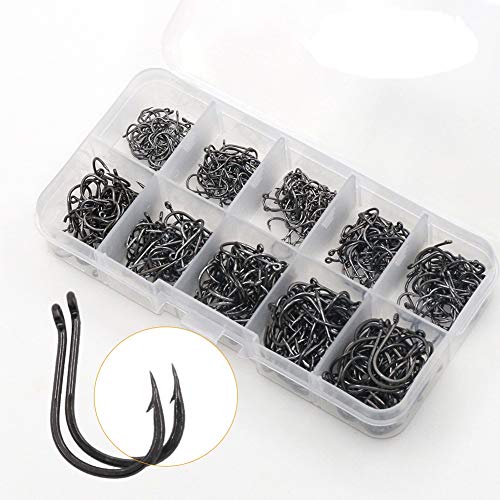
Fodlon 500PCS Fishing Hook 3 to 12 Barbed Hooks with Storage Box
Original price was: £4.69.£4.29Current price is: £4.29. *View On Amazon* - Fishing Hooks
9KM DWLIFE Baitholder Fishing Hooks 50Pcs Double Barbs Worm Hook Black Offset Long Shank Closed Eye for Fishing Rigs Freshwater Saltwater Size 12#
Original price was: £4.99.£4.74Current price is: £4.74. *View On Amazon* - Fishing Hooks
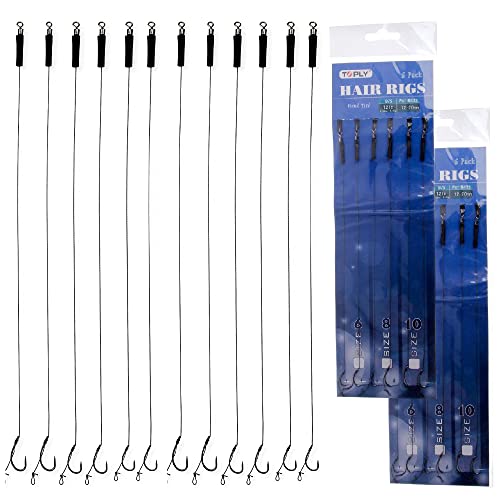
12 PCS Curve Shank Carp Hooks Fishing Hair Rigs Barbless Carp Fishing Tackle Fishing Hook for Using in Freshwater and Saltwater
Original price was: £8.59.£7.99Current price is: £7.99. *View On Amazon*


![Carp On 80 Assorted Barbless Carp Eyed Fishing Hooks Curved and Wide Gape Size 4, 6, 8 and 10 with Tough Tackle Storage Box 15cm x 12cm x 3cm [14-46810]](https://m.media-amazon.com/images/I/41VESterzuS._SL500_.jpg)






What Are Fishing Hooks?
Fishing hooks are shaped metal components designed to hold bait, form part of a rig and catch fish when they take the bait or lure. They come in many sizes, shapes and strengths to suit different fishing styles.
A hook may look simple, but small differences matter. The hook point, bend, shank, gape, eye, barb and wire thickness can all affect presentation, hooking and fish handling.
Hooks should always be chosen responsibly. They need to be strong enough for the fish being targeted, suitable for the bait being used and allowed under the rules of the venue.
What Are Fishing Hooks Used For?
Fishing hooks are used to present bait, attach flies, hold soft lures, form rigs and connect with fish during a take. They are used in almost every type of angling, from light float fishing to carp fishing, predator fishing, sea fishing and fly fishing.
In coarse fishing, hooks may be used with maggots, corn, pellets, worms, bread, paste or other suitable baits. In carp fishing, hooks are often used with hair rigs, boilies, wafters, pop ups or other specialist presentations.
In lure and predator fishing, hooks may be fitted to lures or used with traces and bait rigs. In sea fishing, hooks must suit the species, bait, ground and strength of tackle being used.
How To Choose The Right Fishing Hooks
Start with the species and method. A hook for small silver fish needs to be very different from one used for carp, pike, bass, cod or other larger fish.
Next, match the hook to the bait. A small bait on a large hook may look unnatural, while a large bait on a tiny hook may not present or hook properly. The hook should allow the bait to sit neatly without blocking the point.
Venue rules are also important. Some fisheries require barbless hooks, ban treble hooks, restrict hook sizes or specify certain rig rules. Always check before fishing.
Key Features To Compare
When comparing fishing hooks, look at hook size, pattern, gape, shank length, wire thickness, eye type, point style, barb type, coating, strength and suitability for the fishing method.
A fine wire hook may be useful for delicate bait presentation, while a stronger hook may be needed for larger fish, snaggy water or heavier tackle. Bigger is not always better. Balance matters.
The hook point should be sharp and suitable for the job. A blunt or damaged hook can reduce your chances and may make fish handling less reliable.
Barbed, Barbless And Micro Barbed Hooks
Barbless hooks do not have a barb near the point. They can make unhooking quicker and are required on many fisheries. They can be a good choice when fish care and easy hook removal are priorities.
Barbed hooks have a small barb designed to help keep the hook in place. They may be allowed in some fishing situations, but many venues restrict them.
Micro barbed hooks have a smaller barb than traditional barbed hooks. Whether they are allowed depends on venue rules. Always check before fishing, as the rules can vary between waters.
Eyed Hooks, Spade End Hooks And Treble Hooks
Eyed hooks have a small eye at the top for tying line, hooklength or hair rigs. They are common in many coarse, carp, predator and sea fishing setups.
Spade end hooks do not have an eye and are often used with fine hooklengths in coarse and match fishing. They can offer neat presentation, but they require suitable knot tying.
Treble hooks have three points and are often found on lures or some predator rigs. They must be used carefully and are not allowed on all waters. Fish care, unhooking tools and venue rules are especially important when trebles are involved.
Hooks For Coarse, Carp, Predator, Sea And Fly Fishing
Coarse fishing hooks are often chosen for bait size, fish size and presentation. Small hooks may suit maggots, casters or tiny baits, while larger hooks may suit bigger baits and stronger fish.
Carp hooks are usually stronger and may be designed for hair rigs, pop ups, wafters, bottom baits or specialist rig mechanics. Hook pattern and gape can affect how the rig behaves.
Predator hooks may need to suit lures, traces, dead baits or other permitted methods. Pike and other toothy fish require suitable tackle, careful unhooking and proper fish handling.
Sea fishing hooks need to match bait size, target species, casting strength and ground conditions. Saltwater use can be hard on tackle, so hooks should be checked carefully after use.
Fly fishing hooks are used for tied flies and are chosen by size, pattern, weight and hook style. Some waters require barbless fly hooks.
Beginner, Regular Angler And Experienced Angler Guidance
Beginners should start with a small selection of hooks that match their method and target fish. It is better to choose a few useful sizes than carry too many patterns at once.
Regular anglers may want different hook sizes and styles for float fishing, feeder fishing, carp rigs, lure fishing or sea fishing. Keeping hooks organised by size and pattern can make sessions easier.
Experienced anglers often fine tune hook choice based on bait, rig mechanics, fish behaviour, water clarity, pressure and hook hold requirements. Small changes in hook pattern can affect presentation and confidence.
Hook Size, Bait Size And Presentation
Hook size should match the bait and fish. Small baits usually need smaller hooks, while larger baits may need larger or stronger hooks.
The hook point should remain clear where required. If the bait covers the point too much, hooking may be affected. This is why many carp and specimen anglers use hair rigs for larger baits such as boilies.
Presentation matters. A hook that is too heavy, too large or the wrong shape can make bait behave unnaturally. A hook that is too small or too weak may not suit the fish or water.
Hook Patterns And Rig Choice
Different hook patterns suit different rigs and baits. Wide gape hooks, curved shank hooks, long shank hooks, circle style hooks, offset hooks, Aberdeen style hooks, carp hooks and fly hooks all have different uses depending on the method.
A hook should be chosen as part of the full rig. Line, hooklength, bait, swivel, feeder, float or lure all need to work together.
Do not choose a hook pattern only by appearance. Think about how it will sit in the water, how the bait is attached and whether it suits the fish you are targeting.
Sharpness, Strength And Rig Balance
Sharp hooks are important. A hook point can become blunt after contact with stones, snags, gravel, fish mouths or repeated use.
Strength should match the tackle and fish. A very fine hook may give delicate presentation but may not suit strong fish or snaggy water. A very heavy hook may be strong but may not suit small baits or cautious fish.
Rig balance is the key. The hook should match the line strength, rod, reel, bait and venue. This helps you fish more effectively and responsibly.
Venue Rules And Responsible Hook Use
Always check the rules of the fishery, club water, river, lake or sea mark before fishing. Hook rules can vary widely, especially around barbs, trebles, hook sizes, predator fishing and bait methods.
Responsible hook use helps protect fish. Use suitable landing nets, unhooking mats, forceps, disgorgers or pliers where appropriate.
Never leave hooks, rigs, line or packaging on the bank. Lost hooks and line can harm wildlife, pets and other people.
Safety When Handling Fishing Hooks
Fishing hooks are sharp and should be handled carefully. Keep them stored safely and avoid leaving loose hooks in pockets, bags, chairs or bait boxes.
Use forceps, pliers or disgorgers where needed, especially with deeply hooked fish, treble hooks or predator fishing. If a fish cannot be unhooked safely, follow venue guidance and seek experienced help where appropriate.
Take extra care around children, dogs, other anglers and anyone walking behind you when casting. Hook safety is part of responsible fishing.
Care, Storage And Maintenance
Fishing hooks should be stored dry, clean and organised. Damp storage can encourage rust, especially after wet sessions or sea fishing.
Check hooks before use. Replace hooks that are rusty, bent, blunt, damaged or no longer trustworthy. Hook sharpeners may be useful for some hook types, but badly damaged hooks should be replaced.
Use hook boxes, rig wallets, tackle trays or compartment boxes to keep sizes and patterns separate. Good organisation saves time and reduces the risk of handling the wrong hook.
Useful Accessories To Consider
Useful accessories for fishing hooks include hooklength boxes, tackle boxes, rig wallets, hook sharpeners, forceps, disgorgers, pliers, line cutters, baiting needles, bait stops, hooklink material, swivels and split shot.
Landing nets, unhooking mats and fish care equipment are also important, especially when targeting carp, predators or larger fish.
The best hook choice works as part of a complete setup. Hooks, line, bait, rigs and fish care equipment should all suit the same fishing method.
Why Buy Fishing Hooks From YPC?
At YPC, we understand active lifestyles and the need for practical products that work in real use. Fishing hooks should be chosen carefully because size, strength, pattern, sharpness and venue rules all matter.
Browse the Fishing Hooks category at YPC to compare available options, check the details that suit your fishing method and choose hooks that match the waters, species and baits you plan to use.
Fishing Hooks FAQs
What are fishing hooks?
Fishing hooks are terminal tackle used to hold bait, form rigs and catch fish when they take the bait, lure or fly. They come in different sizes, patterns, strengths and hook styles.
The right hook depends on the fishing method, bait and target species.
Are fishing hooks suitable for beginners?
Yes, fishing hooks are essential for beginners. New anglers should choose hooks that match their bait, fish and venue rules.
A small selection of suitable sizes is better than buying too many specialist hooks at the start.
What size fishing hook should I use?
Hook size depends on the bait, target fish and method. Small baits and smaller fish usually need smaller hooks, while larger baits or stronger fish may need larger or stronger hooks.
The hook should present the bait properly without hiding the point too much.
What is the difference between barbed and barbless hooks?
Barbed hooks have a small barb near the point, while barbless hooks do not. Barbless hooks can be quicker to remove and are required on many fisheries.
Always check the rules of the water before choosing hook type.
Are barbless hooks better for fish care?
Barbless hooks can make unhooking quicker and easier in many situations, which may support better fish handling. Many venues require them for this reason.
Fish care also depends on suitable tackle, landing nets, unhooking tools and careful handling.
What are micro barbed hooks?
Micro barbed hooks have a smaller barb than standard barbed hooks. They may be allowed on some waters and banned on others.
Check venue rules carefully before using them.
What are eyed hooks?
Eyed hooks have a small eye at the top where line or hooklink material is tied. They are used in many coarse, carp, predator and sea fishing rigs.
They are also commonly used for hair rigs and specialist presentations.
What are spade end hooks?
Spade end hooks do not have an eye. They are often used in coarse and match fishing with fine hooklengths.
They can offer neat presentation but require the correct knot and careful tying.
What are treble hooks?
Treble hooks have three points and are often used on lures or some predator rigs. They must be handled carefully because they can catch in nets, clothing and hands.
Some waters restrict or ban treble hooks, so always check the rules.
What hooks should I use for coarse fishing?
Coarse fishing hooks should match the bait and target species. Small hooks may suit maggots, casters or small baits, while larger hooks may suit corn, pellets, worms or bigger fish.
Choose hooks that suit the line, float or feeder setup.
What hooks should I use for carp fishing?
Carp hooks are usually stronger and are often used with hair rigs, boilies, wafters, pop ups or bottom baits. Hook pattern should match the rig and bait presentation.
Fishery rules and fish care are especially important when choosing carp hooks.
What hooks should I use for predator fishing?
Predator hooks depend on the method, lure, bait and species. Pike and other toothy fish may require suitable traces, strong tackle and careful unhooking tools.
Always check local rules before predator fishing.
What hooks should I use for sea fishing?
Sea fishing hooks should suit the bait, target species, casting distance and ground conditions. Stronger hooks may be needed for larger fish or rougher marks.
After sea fishing, check hooks for corrosion and damage.
How do I know if a hook is sharp?
A sharp hook point should catch lightly when tested carefully against a suitable surface. If it looks rounded, bent, rusty or damaged, it may not perform well.
Handle hooks carefully when checking sharpness.
Can fishing hooks go blunt?
Yes, hooks can become blunt from use, snags, stones, gravel, fish mouths or poor storage. Blunt hooks should be sharpened where suitable or replaced.
Checking hooks regularly is a good habit.
How should I store fishing hooks?
Store hooks in a dry tackle box, hook box, rig wallet or organiser. Keep different sizes and patterns separate so they are easy to find.
Avoid leaving loose hooks in bags, pockets or on the bank.
What accessories are useful with fishing hooks?
Useful accessories include hooklength boxes, rig wallets, forceps, disgorgers, pliers, line cutters, hook sharpeners, baiting needles, bait stops and tackle boxes.
Landing nets and unhooking mats may also be needed depending on the fish you target.
What should I check before buying fishing hooks?
Check the hook size, pattern, barb type, wire strength, eye type, target species, bait size, rig compatibility and venue rules.
The best hook is one that suits your bait, your method and the fish you are targeting.
 Getting ready for Summer? View our Home and Garden Products

Heading outdoors this winter? Take a look at our Outdoor Clothing.