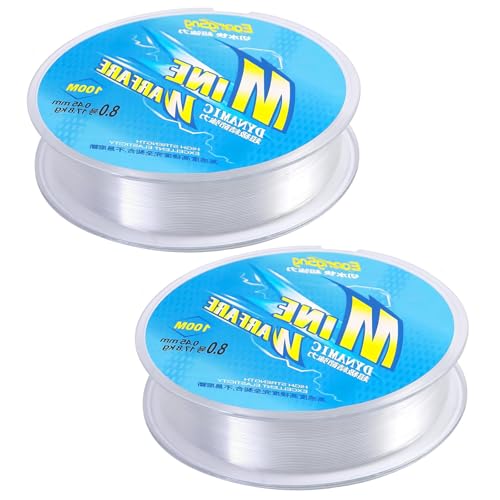
Fishing Line
Fishing line is the essential connection between your rod, reel, rig, bait, lure and the fish. It is suitable for coarse anglers, carp anglers, predator anglers, sea anglers, fly anglers and anyone who needs line that matches their fishing method, target species and water conditions.
The right fishing line depends on where you fish, the species you are targeting, line strength, diameter, stretch, visibility, abrasion resistance claims where listed, knot strength, reel size, rig style and venue rules. A light float fishing setup needs a very different line from carp fishing, lure fishing or sea fishing.
Showing 1–24 of 369 resultsSorted by popularity
- Fishing Line
SF Monofilament Leader Line Clear 100M 110Yds 200LB
£12.99Original price was: £12.99.£9.99Current price is: £9.99. *View On Amazon* - Fishing Line
30m High Strength Nylon Monofilament Fishing Line 1.8mm
£7.39Original price was: £7.39.£6.77Current price is: £6.77. *View On Amazon* - Fishing Line
Matrix Submerge XD Bulk Monofilament Fishing Line
£13.38Original price was: £13.38.£9.99Current price is: £9.99. *View On Amazon*
What Is Fishing Line?
Fishing line is the material used to connect your fishing setup to the bait, lure, hook or rig. It can be used as main line on a reel, as hooklength material, as leader material or as part of a specialist rig.
Fishing line comes in different materials, strengths, colours, diameters and spool lengths. Common types include monofilament, fluorocarbon, braided line, hooklink material, fly line, leaders and tippet, depending on the fishing style.
Line choice matters because it affects casting, bite detection, presentation, knot strength and control when playing fish. The best option is the one that suits your full setup, not just the one with the highest breaking strain.
What Is Fishing Line Used For?
Fishing line is used to cast, present bait or lures, detect bites and land fish. It works with the rod, reel, hook, rig and drag system to create a balanced setup.
In coarse fishing, line may be used for float fishing, feeder fishing, pole rigs or hooklengths. In carp fishing, main line, leaders and hooklinks need to suit the fish, rig and venue. In lure fishing, line choice affects casting, lure feel and bite detection.
Sea fishing may require stronger line suited to casting, tide, rough ground and saltwater conditions. Fly fishing uses specialist fly line with leaders and tippet to present flies properly.
How To Choose The Right Fishing Line
Start with the fishing method. A light line for small coarse fish may be ideal on a canal, but unsuitable for powerful fish, weed, snags or heavy feeder work. A stronger line may be needed for bigger fish or more demanding conditions, but it can reduce delicate presentation.
Next, think about the water. Clear water may call for a more subtle line or leader, while snaggy, weedy or rocky areas may need a tougher setup. Distance, depth, current and casting weight can also influence line choice.
You should also match line to the reel and rod. Line that is too heavy for a small reel may not cast well, while line that is too light for the fish or conditions may not be responsible. Balance is the key.
Key Features To Compare
When comparing fishing line, look at breaking strain, diameter, material, colour, stretch, knot strength, sinking or floating behaviour where listed, abrasion resistance claims, spool length and intended use.
Breaking strain tells you the strength rating of the line, but it should not be the only factor. Diameter, softness, stretch and handling can all affect how the line performs.
Colour and visibility can also matter. Some anglers prefer low visibility line in clear water, while others choose brighter line for bite detection, lure fishing or easier line management.
Monofilament Fishing Line
Monofilament is a popular all round fishing line used across many styles of angling. It is often used as main line for coarse fishing, carp fishing, float fishing, feeder fishing and general freshwater fishing.
Monofilament usually offers some stretch, which can help cushion lunges from fish. It can also be straightforward to knot and familiar for many anglers.
The right monofilament depends on strength, diameter, handling and intended use. A lighter line may suit delicate presentation, while a stronger line may be more appropriate for bigger fish or tougher venues.
Fluorocarbon Fishing Line
Fluorocarbon is often used for hooklengths, leaders and certain presentations where anglers want a different line behaviour from monofilament. It may be chosen for stiffness, sinking properties or lower visibility under water, depending on the product.
Fluorocarbon can be useful in clear water, cautious fishing situations and leader setups. It is also used in some lure, carp, coarse and fly fishing applications.
It should be matched carefully to knots and rig style. Some fluorocarbon lines behave differently from standard mono, so take time to test knots and presentation before fishing.
Braided Fishing Line
Braided fishing line is made from woven fibres and is often chosen for low stretch, sensitivity and strength for its diameter. It can be useful for lure fishing, feeder fishing, sea fishing and certain specialist methods.
Because braid has little stretch, bites and lure movement can feel more direct. This can be helpful when working lures, fishing at distance or needing better contact with the rig.
Braid needs suitable knots, rods, reels and handling. It may not suit every venue or method, and some waters may restrict its use, so always check local rules.
Main Line, Hooklengths, Leaders And Tippet
Main line is the line loaded onto the reel. It does most of the casting and playing work, so it must suit the reel, rod and target fish.
Hooklength material is the shorter section between the main line and hook. It may be lighter, thinner or made from a different material to improve presentation.
Leaders are used between the main line and rig, lure or fly setup depending on the fishing method. Predator fishing, sea fishing, fly fishing and carp fishing can all use different leader systems.
Tippet is used in fly fishing and forms the fine end section that connects the leader to the fly. It should match the fly size, fish and water conditions.
Fishing Line Compared With Ready Made Rigs
Buying fishing line gives you flexibility. You can tie your own hooklengths, leaders, rigs and knots to suit the exact session.
Ready made rigs can be convenient, especially for beginners or anglers who want quicker setup. They can save time and keep things simple.
The trade off is control versus convenience. Loose line allows more adjustment, while ready made rigs can be easier when you want a straightforward option.
Beginner, Regular Angler And Experienced Angler Guidance
Beginners should start with a line that suits the fishing method and target fish. It is better to choose a sensible, balanced line than to guess based on strength alone.
Regular anglers may want different line types for different methods. Float fishing, feeder fishing, carp fishing, lure fishing and sea fishing can all benefit from method specific line choices.
Experienced anglers often fine tune line diameter, stretch, visibility, leader material, knot choice and hooklength strength. Small line changes can make a noticeable difference in difficult conditions.
Fishing Line For Coarse, Carp, Predator, Sea And Fly Fishing
Coarse fishing often uses lighter main lines and hooklengths, especially for float and pole fishing. Feeder fishing may need stronger line depending on distance, feeder weight and target fish.
Carp fishing usually needs line that suits larger fish, weed, snags, casting distance and rig safety. Hooklinks and leaders should always be chosen responsibly and in line with venue rules.
Predator fishing may need stronger leaders or bite resistant traces, especially for pike and other toothy fish. Lure anglers may choose braid, fluorocarbon or mono depending on the species and conditions.
Sea fishing line needs to suit saltwater, casting weight, tide, ground type and target species. Fly fishing uses fly line, backing, leaders and tippet as part of a very different setup.
Breaking Strain, Diameter And Balanced Tackle
Breaking strain is the strength rating of the line, but it should be considered alongside diameter and setup balance. A high breaking strain can be useful, but it may not always cast or present bait as naturally.
Diameter affects how the line behaves in the water and on the reel. Thinner line may cast well and present bait more subtly, while thicker line may offer more strength or abrasion resistance depending on the product.
Balanced tackle means the line, rod, reel, hook and rig all suit each other. This helps reduce breakages, improves presentation and supports better fish care.
Line Colour, Visibility And Water Conditions
Fishing line colour can affect how easily the angler and fish may see the line. Clear, green, brown, low visibility and bright lines may all have different uses depending on the water and method.
In clear water, a more subtle line or leader may be useful. In coloured water, visibility may matter less to the fish, but bright line can help the angler track movement.
For lure fishing, some anglers like visible main line with a less visible leader. For float and coarse fishing, subtle presentation may be more important.
Knots, Spooling And Line Management
Good knots are essential. Even strong line can fail if knots are tied badly, damaged or not tested before fishing.
Different line materials may need different knots. Monofilament, fluorocarbon and braid can behave differently, so use knots that suit the line and test them carefully.
Spooling line properly also matters. Line should be loaded neatly onto the reel to reduce twist, tangles and casting problems. Overfilled or badly loaded reels can make fishing frustrating.
Line Stretch, Bite Detection And Control
Stretch affects how line feels during casting, bite detection and playing fish. Monofilament usually has more stretch than braid, while fluorocarbon can feel different depending on the product.
More stretch can help cushion sudden lunges from fish. Less stretch can improve contact, especially for lure fishing or distance feeder fishing.
The best choice depends on how much feel, control and forgiveness you need. There is no single perfect line for every method.
Abrasion, Snags And Rough Ground
Fishing around weed, rocks, gravel, mussels, snags, reeds, platforms or rough sea marks can put extra strain on line. In these situations, abrasion resistance claims where listed may be worth comparing.
Check line regularly for rough spots, frays, flattening or damage. If a section feels weakened, cut it back or replace it before casting again.
Do not rely on strong line alone to solve snag problems. Use suitable tackle, safe rigs and sensible fish playing angles, and avoid fishing areas where fish are likely to become tethered.
Venue Rules And Responsible Line Use
Always check venue rules before choosing fishing line. Some fisheries restrict braid, leaders, hooklengths, main line strength, shock leaders, leadcore or certain rig materials.
Responsible line use helps protect fish and wildlife. Use tackle that suits the fish being targeted and avoid setups that are too weak for the conditions.
Never leave old line, cut off line, leaders or packaging on the bank. Fishing line can harm birds, mammals, fish and pets, so take it home and dispose of it responsibly.
Care, Storage And Replacement
Fishing line should be stored away from unnecessary heat, sunlight, damp and sharp objects. Poor storage can affect condition over time.
Check line before each session, especially near knots, leaders, reel spools and rig connections. Replace line that is frayed, brittle, twisted, damaged or unreliable.
After sea fishing, rinse suitable tackle and check line and leaders for salt, abrasion and wear. Saltwater and rough ground can be hard on tackle, so regular checks are important.
Useful Accessories To Consider
Useful accessories for fishing line include line cutters, scissors, pliers, knot tools, spooling tools, rig wallets, hooklength boxes, leader wallets, tackle boxes, swivels, clips, hooks, floats, feeders and weights.
For predator fishing, suitable traces and unhooking tools may be needed. For carp fishing, hooklink materials, lead clips, tubing and rig tools may be useful depending on venue rules. For fly fishing, leaders, tippet, fly boxes and nippers are important parts of the setup.
Why Buy Fishing Line From YPC?
At YPC, we understand active lifestyles and the need for practical products that work in real use. Fishing line should be chosen carefully because strength, diameter, material, knots and rig balance all affect how well your setup performs.
Browse the Fishing Line category at YPC to compare available options, check the details that suit your fishing method and choose line that matches the waters and species you plan to target.
Fishing Line FAQs
What is fishing line?
Fishing line is the material used to connect your rod and reel to your hook, rig, bait or lure. It can be used as main line, hooklength material, leader material or tippet depending on the fishing method.
The right line depends on the fish, venue and tackle setup.
Are fishing lines suitable for beginners?
Yes, fishing line is essential for beginners. New anglers should choose line that matches their rod, reel, hook size, target fish and venue rules.
A simple balanced setup is better than choosing the strongest line without thinking about presentation.
What type of fishing line should I choose?
Choose fishing line based on your method, target species and water conditions. Monofilament suits many general methods, fluorocarbon is often used for leaders or hooklengths, and braid may suit lure fishing or specialist methods.
Always check the product details and match the line to your full setup.
What is monofilament fishing line?
Monofilament is a single strand fishing line used in many fishing styles. It is commonly used as main line for coarse fishing, feeder fishing, carp fishing and general angling.
It is popular because it is familiar, versatile and available in many strengths and diameters.
What is fluorocarbon fishing line?
Fluorocarbon is a fishing line material often used for hooklengths and leaders. It may be chosen for certain presentations where stiffness, sinking behaviour or lower visibility are useful.
It should be tied carefully and matched to suitable knots and rigs.
What is braided fishing line?
Braided line is made from woven fibres and is often chosen for low stretch and sensitivity. It can be useful for lure fishing, feeder fishing, sea fishing and specialist setups.
Braid behaves differently from mono, so it needs suitable knots, tackle and handling.
What breaking strain fishing line do I need?
The right breaking strain depends on the target fish, water, method, snags, casting distance and tackle. Light coarse fishing needs different line from carp, predator or sea fishing.
Choose line that is strong enough for the job while still allowing suitable presentation.
Does fishing line diameter matter?
Yes, line diameter matters because it affects casting, visibility, presentation and handling. Thinner line can be more subtle, while thicker line may be stronger or more resistant to rough contact depending on the product.
Do not judge line by breaking strain alone.
What colour fishing line should I use?
Line colour depends on water clarity, fishing style and personal preference. Clear or low visibility colours may suit subtle presentations, while brighter line can help anglers see line movement.
Some anglers use a visible main line with a less visible leader.
What is a hooklength?
A hooklength is a shorter length of line between the main line and the hook. It may be lighter, thinner or made from a different material to improve presentation.
Hooklengths are common in coarse, feeder, carp and pole fishing.
What is a fishing leader?
A fishing leader is a section of line used between the main line and the rig, lure or fly setup. It may be chosen for strength, abrasion resistance, lower visibility or bite protection depending on the method.
Leader choice should match the target species and venue rules.
What is tippet in fly fishing?
Tippet is the fine end section of a fly fishing leader that connects to the fly. It helps present the fly naturally and should suit the fly size, target fish and water conditions.
Fly anglers often carry different tippet strengths for different situations.
Is braid better than mono?
Braid is not automatically better than mono. Braid offers low stretch and sensitivity, while mono can offer more stretch and a familiar all round feel.
The better choice depends on the fishing method, venue rules and how you want the line to behave.
Is fluorocarbon better than mono?
Fluorocarbon is not automatically better than mono. It can be useful for some leaders and hooklengths, but mono may be more suitable for general main line use in many situations.
Choose based on presentation, knots, water conditions and method.
Can I use the same line for all fishing?
One line can cover some general fishing, but no single line is ideal for every method. Float fishing, carp fishing, lure fishing, sea fishing and fly fishing can all need different line choices.
Using the right line for the method makes fishing easier and more responsible.
How often should I replace fishing line?
Replace fishing line when it becomes damaged, frayed, twisted, brittle or unreliable. How often this happens depends on use, storage, water conditions and line type.
Check line regularly, especially before important sessions.
How should I store fishing line?
Store fishing line in a cool, dry place away from unnecessary sunlight, heat and sharp objects. Keep spare spools clean and protected.
Good storage helps line stay in better condition until it is needed.
What should I check before buying fishing line?
Check the line type, breaking strain, diameter, colour, spool length, intended use, knot suitability, reel compatibility and venue rules.
The best fishing line is the one that suits your rod, reel, rig, fish and fishing environment.
Getting ready for Summer? View our Home and Garden Products
Heading outdoors this winter? Take a look at our Outdoor Clothing.