Fish Finders and Sonar
Fish finders and sonar products help anglers understand what is happening below the surface by showing depth, structure, bottom shape and possible fish activity. They are suitable for boat anglers, kayak anglers, carp anglers, predator anglers, sea anglers, coarse anglers and anyone who wants more information about the water they are fishing.
The right fish finder or sonar device depends on where you fish, whether you fish from the bank, boat or kayak, water depth, display size, transducer type, battery needs, portability, mapping features, freshwater or saltwater suitability where listed, and whether the venue allows electronic fish finding equipment.
- Fish Finders and Sonar
See the Fish: Complete Guide to Side Imaging and Forward-Facing Sonar
£7.51 *View On Amazon* - Fish Finders and Sonar
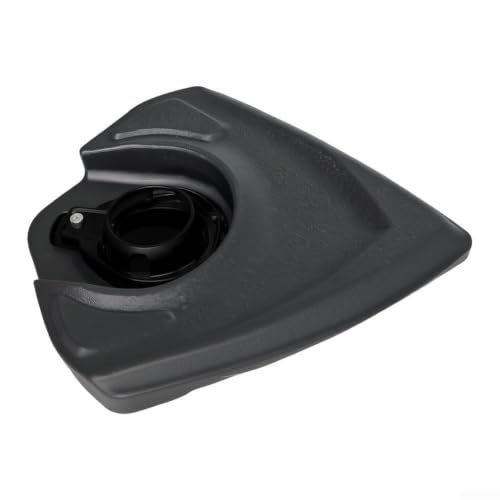
Fish Finder Sonar Mount ABS Bait Boat Float Board, 1-Pack
£67.95 *View On Amazon* - Fish Finders and Sonar
Vroomoto Colour Screen Fish Finder with Dual Frequency Sonar
£120.39 *View On Amazon* - Fish Finders and Sonar
Smartphone Fish Finder Sonar with Bluetooth Visual Fishing Camera
£87.34 *View On Amazon* - Fish Finders and Sonar
GPS Bait Boat with Echo Sounder, Dual Antenna and 4 Feed Chambers
£429.00 *View On Amazon* - Fish Finders and Sonar
Electronics & Sonar: Understanding Fish Finders and GPS for Smarter Anglers
£11.30 *View On Amazon* - Fish Finders and Sonar
GPS Remote Control Fishing Bait Boat with Wireless Fish Finder
£160.00 *View On Amazon* - Fish Finders and Sonar
Castable Wireless Fish Finder Sonar with Handheld Display
£65.96 *View On Amazon* - Fish Finders and Sonar
Qcwwy Handheld Wired Fish Finder with LCD Display and Transducer Kit
£64.19 *View On Amazon* - Fish Finders and Sonar
Sonar STR Transducer Mount for PVC Inflatable Boat Transom
£52.70 *View On Amazon* - Fish Finders and Sonar
Rippton Hydrobat Castable Sonar Fish Finder with GPS Mapping
£199.99 *View On Amazon* - Fish Finders and Sonar
BEETACKLE Wireless Castable Sonar Fish Finder with GPS and App Mapping
£189.00 *View On Amazon* - Fish Finders and Sonar
BEETACKLE Mount Sonar Fish Finder for Bait Boat with Free App
£499.00 *View On Amazon* - Fish Finders and Sonar
Underwater Fishing Camera 4.3″ IPS with 30 m Cable and Carry Bag
£45.99 *View On Amazon* - Fish Finders and Sonar
DriKou Wired Sonar Fish Finder with LCD Depth Display
£42.79 *View On Amazon* - Fish Finders and Sonar
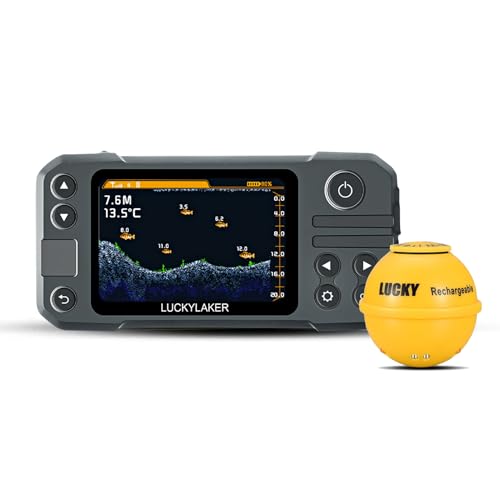
LUCKY MT-202 Portable Wireless Fish Finder with 3.5 inch LCD
£131.99 *View On Amazon* - Fish Finders and Sonar
Underwater Fishing Camera with 4.3-inch IPS Screen and 30 m Cable
Original price was: £45.99.£41.39Current price is: £41.39. *View On Amazon* - Fish Finders and Sonar
Honseadek 100M Fish Finder with 45 Degree Sonar Alarm
£31.88 *View On Amazon* - Fish Finders and Sonar
Hoite Adjustable Removable Fish Finder Mount Base with Bracket
£12.99 *View On Amazon* - Fish Finders and Sonar
Kidaromo V030 12V RC Bait Boat with GPS, Fish Finder and LCD Remote
£329.98 *View On Amazon* - Fish Finders and Sonar
Underwater Fishing Camera with 4.3″ IPS Screen and 20 m Cable
Original price was: £39.99.£37.99Current price is: £37.99. *View On Amazon* - Fish Finders and Sonar
FASTEN BORIKA Ss223 Rotating Plate Mount for 7-9″ Fish Finders
£18.31 *View On Amazon*





What Are Fish Finders And Sonar?
Fish finders are electronic devices that use sonar to help anglers read underwater conditions. A sonar signal is sent into the water and the returning signal is shown on a display or connected device.
The information may help show depth, bottom contours, weed, drop offs, underwater features and possible fish marks depending on the product and conditions.
A fish finder does not catch fish for you and it does not guarantee that every mark is a feeding fish. It is a tool that helps anglers make more informed decisions about location, depth and presentation.
What Are Fish Finders And Sonar Used For?
Fish finders and sonar are used to help anglers understand the swim, water depth and underwater features. This can be useful when choosing where to cast, where to anchor, where to troll or where to position bait.
They are often used from boats and kayaks, but some portable or castable models may be suitable for bank fishing where allowed. They can help locate shelves, channels, weed beds, hard spots, holes and other areas that may attract fish.
For sea fishing, sonar can help with depth, structure and bottom type where suitable. For freshwater fishing, it can help with lakes, reservoirs, rivers and large stillwaters where use is permitted.
How To Choose The Right Fish Finder Or Sonar
Start by deciding how you fish. A boat angler may want a mounted fish finder with a transducer, while a kayak angler may need a compact and battery friendly setup. A bank angler may look for a portable or castable option where allowed.
Next, think about the water you fish most often. Shallow lakes, deep reservoirs, rivers, canals and sea marks all place different demands on sonar equipment.
Ease of use also matters. A clear display, simple controls and practical mounting can be more useful than a device with advanced features that you do not need or understand.
Key Features To Compare
When comparing fish finders and sonar, look at display size, screen clarity, sonar type, depth range where listed, transducer style, mounting options, battery type, run time where listed, portability, mapping features, GPS features where listed, wireless connection where listed and freshwater or saltwater suitability where listed.
Display size affects how easy the information is to read. A larger display may be easier to see on a boat, while a smaller display may suit compact kayak or travel setups.
Transducer setup is important because the transducer sends and receives the sonar signal. It needs to be positioned correctly according to product guidance for the best results.
Fish Finders Compared With Traditional Watercraft
Traditional watercraft means reading the water using observation, local knowledge, experience, weather, fish behaviour, margins, depth changes and visible signs. This remains important even when using technology.
A fish finder can show useful underwater information, but it does not replace angling judgement. Fish may be present but not feeding, or feeding in ways that sonar alone cannot explain.
The best results often come from combining both. Use sonar to understand the water, then use fishing skill to choose the right bait, rig, lure, depth and timing.
Fish Finders Compared With Depth Markers
Depth markers, marker floats and lead setups can help anglers find depth and bottom feel manually. They are simple and do not require batteries.
Fish finders and sonar can provide faster visual information, especially on larger waters or from boats. They may show depth changes and features more quickly than manual methods.
The trade off is simplicity versus information. Manual depth finding is low tech and widely understood, while sonar can give more detail where use is allowed.
Portable, Castable And Mounted Fish Finders
Portable fish finders are useful for anglers who move between venues or do not want a permanent installation. They may suit kayaks, small boats or bank fishing depending on the product.
Castable fish finders are designed to be cast out and retrieved, often sending information to a phone or display where listed. They can be useful from the bank where allowed, but they need careful handling and suitable casting tackle.
Mounted fish finders are usually fixed to a boat or kayak setup. They can be more stable and convenient for regular boat anglers, but they require more planning, mounting and power management.
Beginner, Regular Angler And Experienced Angler Guidance
Beginners should choose a fish finder that is easy to read and simple to set up. Basic depth and feature information can be more useful than advanced menus that make the session confusing.
Regular anglers may benefit from a portable or method specific setup that suits their usual venues. A kayak angler, carp angler and sea boat angler may all need different features.
Experienced anglers often compare sonar cone angle, display detail, chart options, transducer mounting, battery performance, mapping capability, sensitivity settings and how well the device shows structure in different conditions.
Fish Finders For Boat Fishing
Boat fishing is one of the most common uses for fish finders. A boat mounted device can help show depth, features, bottom changes and possible fish activity while moving or fishing at anchor.
The device should suit the boat size, power supply, mounting area and water type. Larger boats may support larger displays, while small boats may need compact units.
Always operate the boat safely. A fish finder should support navigation and fishing decisions, not distract from steering, weather, other water users or local rules.
Fish Finders For Kayak Fishing
Kayak anglers often need compact fish finders that are light, easy to mount and practical to power. Space is limited, so every item should have a clear purpose.
A kayak fish finder should be positioned so it can be read without affecting paddling, rod handling or safe movement. Transducer mounting should follow product guidance and suit the kayak design.
Battery safety and water protection matter. Devices, cables and power packs should be stored and secured carefully to reduce the risk of damage or loss.
Fish Finders For Bank Fishing
Some fish finders may be useful for bank fishing, especially portable or castable models where allowed. They can help anglers learn depth, weed, bottom shape and possible holding areas.
Bank fishing sonar should be used carefully. Castable devices need suitable rods, line and clear casting space, and they should not be used where they may disturb other anglers.
Many venues restrict electronic fish finding equipment, especially on smaller waters. Always check rules before using one from the bank.
Fish Finders For Carp Fishing
Carp anglers may use fish finders and sonar to understand lake beds, depth changes, weed, clear spots, gravel areas and possible patrol routes where allowed.
Sonar can help with feature finding, but it should not replace careful observation. Carp may show through bubbles, rolling, feeding signs, weather patterns and known movement routes.
On many carp waters, fish finders, bait boats or castable devices may be restricted. Always check venue rules before using any electronic fish finding equipment.
Fish Finders For Predator Fishing
Predator anglers may use sonar to locate depth changes, bait fish, structure, drop offs and areas where predators may hold. This can be useful for pike, zander, perch and other predator species where suitable.
For lure fishing from boats or kayaks, sonar can help identify where to work lures and how deep to fish them. It can also help avoid spending too long in unproductive water.
Predator fishing still needs suitable tackle, leaders, unhooking tools and fish care equipment. Sonar is only one part of the full setup.
Fish Finders For Sea Fishing
Sea anglers may use fish finders to understand depth, reefs, wrecks, banks, channels and possible fish holding areas where suitable. Boat anglers often use sonar to help position over features.
Saltwater suitability matters. Sea conditions can expose equipment to salt, spray, wind, sand and movement, so product details should be checked carefully.
Sonar should not replace safe seamanship. Tides, weather, navigation, local hazards and boat safety remain more important than fishing technology.
Fish Finders For Coarse Fishing
Coarse anglers may use fish finders on larger lakes, reservoirs or suitable venues where allowed. They can help identify depth, weed, shelves and possible fish holding areas.
For feeder fishing, float fishing or specimen fishing, knowing depth and features can help with presentation and bait placement.
On smaller commercial fisheries, electronic fish finders may not be allowed or may be unnecessary. Always check venue rules before use.
Sonar Types And Display Information
Different sonar systems may show information in different ways depending on the product. Some show simple depth and bottom returns, while others may provide more detailed views of structure or fish marks.
A fish mark on a display should be treated as useful information, not certainty. Air bubbles, weed, debris, bait fish, structure and settings can all affect what appears on screen.
Learning to interpret the display takes practice. The more you compare sonar readings with real fishing results, the more useful the device becomes.
Depth, Structure And Bottom Features
Depth information is one of the most useful functions of a fish finder. It can help anglers choose float depth, lure depth, lead placement, trolling depth or bait position.
Structure and bottom features may include shelves, holes, weed beds, hard patches, soft silt, rocks, channels and drop offs depending on the water and device.
Fish often relate to features, but not always. Weather, pressure, light, oxygen, temperature and food sources can all influence where fish are found.
GPS, Mapping And Waypoint Features
Some fish finders may include GPS, mapping or waypoint features where listed. These can help anglers mark productive areas, navigation points, features or routes.
Mapping can be useful on large waters, reservoirs, lakes and sea fishing marks. It can help anglers return to areas of interest more accurately.
Always check whether mapping features are included, supported and suitable for your region and use. Do not assume every fish finder includes maps or GPS.
Display Size, Screen Clarity And Controls
A clear display makes fish finder information easier to read. Screen size, brightness, contrast and menu design can all affect usability.
A small screen may be convenient for portable setups, while a larger screen may be better for boats where there is more room.
Controls should be practical in real fishing conditions. Wet hands, cold weather, gloves, bright light and boat movement can all make awkward controls harder to use.
Transducers, Mounting And Positioning
The transducer is the part that sends and receives sonar signals. It must be positioned correctly for the device to work properly.
Boat and kayak transducers may be mounted in different ways depending on the product and craft. Castable sonar devices have the transducer built into the floating unit.
Incorrect mounting can lead to poor readings, interference or unreliable results. Follow product guidance carefully and check that the setup is secure before fishing.
Batteries, Charging And Power Management
Fish finders and sonar devices need reliable power. Some use internal rechargeable batteries, while others use separate batteries depending on the product.
Run time where listed is important for longer sessions. A device that lasts for a short trip may not suit all day boat fishing or extended carp sessions.
Keep batteries, cables and charging points dry and protected where possible. Do not leave power equipment loose around water, bait, mud or metal items.
App Connected And Wireless Fish Finders
Some fish finders connect to phones, tablets or apps where listed. These can be useful for castable sonar, portable setups and anglers who want compact display options.
App connected products depend on phone battery, device compatibility, signal range where listed and safe storage of the phone near water.
Always protect phones and connected devices from rain, splashes and drops. A useful sonar device becomes less practical if the display device is not protected.
Portability, Storage And Transport
Portable fish finders should be easy to carry, set up and pack away. Check the size of the display, transducer, cables, battery, mounts and carry case where listed.
For bank anglers, compact storage can make the difference between using the device regularly and leaving it at home. For boat anglers, secure mounting and cable management may matter more.
Protect screens, transducers and connectors during transport. These parts can be damaged if left loose in a tackle bag with heavy weights or tools.
Freshwater And Saltwater Suitability
Some fish finders may be suitable for freshwater, saltwater or both where listed. Saltwater use can be more demanding because of spray, corrosion, sand and harsher conditions.
If using sonar near the coast, check product suitability carefully. Clean and dry equipment after use according to product guidance.
Freshwater use still requires care. Mud, rain, weed, bait and damp storage can all affect electronic equipment if it is not cleaned and stored properly.
Weather, Water Conditions And Reading Accuracy
Fish finder readings can be affected by water depth, bottom type, weed, bubbles, boat speed, waves, turbulence, temperature layers and device settings.
Shallow water, thick weed or heavy movement can make interpretation harder. Readings should be treated as guidance rather than absolute truth.
Good angling still requires observation. Watch water movement, bird activity, fish signs, wind direction, light levels and seasonal patterns alongside sonar information.
Venue Rules And Responsible Use
Always check venue rules before using fish finders and sonar. Some fisheries, clubs, reservoirs and matches may restrict or ban electronic fish finding devices.
Rules may also cover boats, kayaks, bait boats, castable devices, night fishing, multiple rods, lure fishing, drones and electronic equipment.
Use technology responsibly. Do not disturb other anglers, cast devices across occupied swims or use sonar in ways that damage trust at the venue.
Safety When Using Fish Finders And Sonar
Electronic equipment should be kept away from water unless it is designed for wet conditions. Batteries, cables and charging ports should be handled carefully around rain, spray and wet hands.
On boats and kayaks, mount devices so they do not interfere with paddling, steering, landing fish or safe movement. Loose cables and mounts can create hazards.
Do not focus on the screen so much that you ignore weather, other water users, shallow areas, banks, rocks, tides or changing conditions.
Care, Cleaning And Storage
Fish finders and sonar equipment should be cleaned and dried after use according to product guidance. Mud, bait, rain, salt, sand and grit can affect screens, buttons, mounts, transducers and connectors.
Check cables, clips, charging ports, battery compartments, mounts and seals where listed before each session. Small faults can make the device unreliable on the water.
Store the device in a dry protective case or bag where suitable. Keep it separate from wet bait, damp clothing, heavy leads and sharp tools.
Useful Accessories To Consider
Useful accessories for fish finders and sonar include batteries, chargers, protective cases, mounts, transducer arms, screen covers, dry bags where suitable, power leads, carry bags and cleaning cloths.
For boat and kayak use, secure mounting and cable management accessories may be useful. For bank use, protective storage and suitable casting tackle for castable devices may be important.
The best sonar setup is one where the device, power, mounting, storage and fishing method all work together safely and practically.
Why Buy Fish Finders And Sonar From YPC?
At YPC, we understand active lifestyles and the need for practical products that work in real use. Fish finders and sonar should be chosen carefully because display clarity, transducer setup, battery life, portability, water suitability and venue rules all affect how useful they are.
Browse the Fish Finders and Sonar category at YPC to compare available options, check the details that suit your fishing style and choose technology that helps you understand the water more clearly and fish more confidently.
Fish Finders And Sonar FAQs
What is a fish finder?
A fish finder is an electronic device that uses sonar to show underwater information. It can help display depth, bottom shape, structure and possible fish activity depending on the product and conditions.
It is a tool for reading water, not a guarantee of catching fish.
What is sonar in fishing?
Sonar uses sound signals to gather information from underwater. The device sends a signal into the water and shows the returning information on a display or connected device.
This can help anglers understand depth and features below the surface.
Are fish finders suitable for beginners?
Yes, fish finders can be suitable for beginners if the device is simple to set up and easy to read. Basic depth and structure information can be very useful.
Beginners should also learn traditional watercraft rather than relying only on the screen.
What are fish finders used for?
Fish finders are used to help read depth, bottom contours, weed, structure and possible fish activity. They can help anglers choose where to fish and how to present bait or lures.
They are commonly used from boats, kayaks and some bank fishing setups where allowed.
Do fish finders actually find fish?
Fish finders can show possible fish marks, but interpretation is not always perfect. Other objects, weed, bubbles, bait fish or settings can affect what appears.
They are most useful for understanding water and features as well as possible fish location.
Can I use a fish finder from the bank?
Some portable or castable fish finders may be suitable for bank use where allowed. They can help show depth and features away from the bank.
Always check venue rules and use them carefully around other anglers.
Can I use a fish finder on a kayak?
Yes, many anglers use compact fish finders on kayaks. The device should be easy to mount, safe to power and positioned so it does not interfere with paddling or fishing.
Check transducer mounting options and battery needs before buying.
Can I use a fish finder on a boat?
Yes, fish finders are commonly used on boats. They can help with depth, structure, bottom type and possible fish location.
The unit, transducer and power setup should suit the boat and water being fished.
Are fish finders good for carp fishing?
Fish finders can be useful for carp fishing where allowed, especially for finding depth changes, weed, clear spots and lake features.
Many carp venues restrict electronic fish finding equipment, so always check rules first.
Are fish finders good for predator fishing?
Yes, fish finders can be useful for predator fishing. They may help locate bait fish, drop offs, structure and depth changes where predators may hold.
They are especially useful from boats and kayaks where allowed.
Are fish finders good for sea fishing?
Fish finders can be useful for sea fishing, especially from boats. They may help identify depth, reefs, wrecks, channels and bottom changes.
Check saltwater suitability and clean equipment after coastal use.
Are fish finders allowed at all fisheries?
No, fish finders are not allowed everywhere. Some fisheries, clubs, reservoirs and matches restrict or ban electronic fish finding devices.
Always check venue rules before using one.
What is a transducer?
A transducer is the part of a fish finder that sends and receives sonar signals. It is essential for producing underwater readings.
It must be positioned correctly according to product guidance.
What is a castable fish finder?
A castable fish finder is a portable sonar device designed to be cast out and retrieved. It may send information to a phone or connected device where listed.
It can be useful from the bank where allowed and used safely.
Do fish finders need batteries?
Yes, fish finders need power. Some use internal rechargeable batteries, while others use separate batteries depending on the product.
Check battery type, run time where listed and charging method before buying.
Do fish finders work in shallow water?
Some fish finders can work in shallow water, but readings may be less useful or harder to interpret depending on the depth, weed, bottom type and device settings.
Check the product details and intended use.
Do fish finders work in saltwater?
Some fish finders are suitable for saltwater where listed. Saltwater can be demanding, so suitability and careful cleaning are important.
Do not assume every device is suitable for sea use.
What screen size should I choose?
Choose screen size based on how and where you fish. A larger screen can be easier to read on a boat, while a smaller screen may suit portable or kayak use.
Screen clarity and controls are just as important as size.
Do I need GPS on a fish finder?
GPS can be useful for marking locations, features or routes where listed. It is especially helpful on large waters, reservoirs and sea fishing marks.
Not every angler needs GPS, so choose based on your fishing style.
What should I check before buying fish finders and sonar?
Check intended use, display size, sonar features, transducer type, mounting options, battery needs, portability, mapping or GPS where listed, freshwater or saltwater suitability and venue rules.
The right fish finder should suit your water, fishing method, power needs and level of experience.
 Getting ready for Summer? View our Home and Garden Products

Heading outdoors this winter? Take a look at our Outdoor Clothing.