
Tennis Bags
Tennis bags are designed to help players carry rackets, balls, clothing, shoes, drinks and other court essentials in an organised way. They are useful for beginners, club players, regular competitors, coaches and leisure players who want a practical bag for training, matches, lessons or travel to and from the court.
The right tennis bag should match how much kit you carry, how often you play and how you prefer to transport your equipment. When comparing options, look at racket capacity where listed, compartment layout, strap style, size, weight, shoe storage, accessory pockets, protection and ease of cleaning.
- Tennis Bags
Head Premium Tennis Racket Cover
Original price was: £14.49.£12.97Current price is: £12.97. *View On Amazon* - Tennis Bags
Tennis Themed Cosmetic Bag
Original price was: £8.59.£7.99Current price is: £7.99. *View On Amazon* - Tennis Bags
Racketworld Premium Tennis Racket Cover with Adjustable Strap
Original price was: £12.99.£11.99Current price is: £11.99. *View On Amazon* - Tennis Bags
Wilson Junior Tennis Racket Bag, Pink/Red, Holds up to 3 Rackets
£47.59 *View On Amazon* - Tennis Bags
Wilson Premium Racket Cover, Cream, WR8027701001
Original price was: £25.00.£15.49Current price is: £15.49. *View On Amazon*


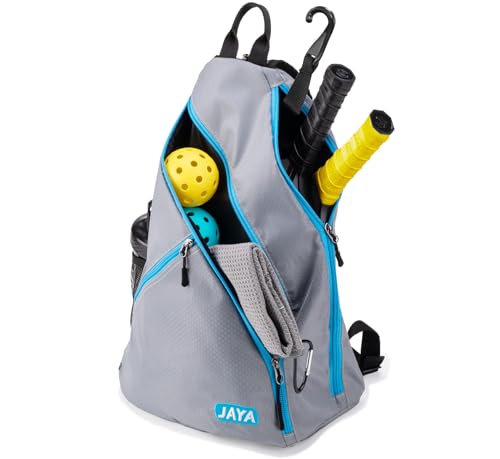


What Are Tennis Bags
Tennis bags are sports bags made for tennis equipment and court use. Unlike a general gym bag, many tennis bags are shaped or organised to carry tennis rackets safely alongside clothing, balls, towels, drinks and small accessories.
Depending on the product, a tennis bag may include dedicated racket sections, padded compartments, shoe pockets, wet kit areas, bottle storage, carry handles, shoulder straps, backpack straps or smaller zipped pockets where listed. Some are compact and simple, while others are designed for players who carry several rackets and more match day kit.
A tennis bag does not need to be large to be useful. The most suitable choice depends on the player, the number of rackets carried and the type of sessions they attend.
What Tennis Bags Are Used For
Tennis bags are used for carrying equipment to lessons, club nights, match days, tournaments, school sport, coaching sessions and casual games. They help keep tennis kit together so players are not searching for rackets, balls or grips just before they play.
For occasional players, a smaller tennis bag may be enough for one racket, balls and a few essentials. Regular players may need more space for spare clothing, extra rackets, towels, food, drinks and accessories.
Coaches and competitive players may prefer larger bags with multiple sections, as they often carry more equipment for long sessions or back to back matches. Parents buying for junior players may want a bag that is easy to carry, not too bulky and suitable for the child’s racket size where listed.
How To Choose The Right Tennis Bag
Start with how many rackets the player usually carries. If they only take one racket to lessons or casual games, a compact racket bag or backpack style option may be suitable. If they carry spare rackets, training kit and match items, a larger tennis bag may be more practical.
Next, consider how the bag will be carried. Backpack straps can be useful for walking, cycling or using public transport where suitable. A shoulder strap may suit players who drive to the court. Carry handles are useful for quick movement between car, clubhouse and court.
Compartment layout is another important factor. Separate sections can help keep rackets away from shoes, drinks, food or damp clothing. Where listed, a shoe compartment or wet kit pocket can be useful after training or outdoor play.
Also think about storage at home and at the club. A very large bag may hold more, but it can be awkward in a small locker, car boot or hallway. The best choice is usually the one that carries what you actually use without becoming difficult to manage.
Key Features To Compare
Racket capacity is one of the first features to check. Product listings may mention how many rackets a bag is designed to hold, but this can vary depending on racket size, covers and how much other kit is packed.
Compartment design affects organisation. Separate racket areas, clothing sections and smaller pockets can make it easier to find items quickly.
Padding can help protect rackets and other equipment during normal carrying. The level and position of padding varies by product, so check the listing if protection is important.
Strap style changes comfort. Backpack straps can spread weight across both shoulders, while a shoulder strap can be quick and simple. Some bags may offer more than one carrying option where listed.
Shoe storage is useful for players who change footwear at the court. A separate shoe area can help keep clean clothing and accessories away from used shoes.
Material and outer finish affect durability, care and weather suitability. Where listed, water resistant materials may help in light exposure, but should not be assumed to make the bag fully waterproof unless clearly stated.
Tennis Bags Compared With Other Sports Bags
A tennis bag is usually better suited to carrying rackets than a general holdall. The shape, length and compartment layout can make it easier to store rackets without forcing them into an awkward position.
Compared with a gym bag, a tennis bag may offer more racket protection and better court focused organisation. The trade off is that some tennis bags can be longer or more specialised, which may make them less useful for non tennis activities.
Compared with a simple racket cover, a tennis bag offers more storage for balls, clothing, drinks and accessories. A racket cover may be enough for very casual play, but it can feel limiting if you carry extra kit.
Compared with a standard backpack, a tennis backpack may provide racket storage and tennis specific pockets where listed. Standard backpacks can work for clothing and small items, but they may not protect or carry rackets as neatly.
Guidance For Beginner, Regular And Experienced Players
Beginners should focus on a bag that is easy to carry and large enough for the basics. One racket, balls, a water bottle and a small towel may be enough for lessons or casual games.
Regular players may want a bag with better organisation, space for spare clothing and room for extra accessories. If you play several times a week, comfort and durability become more important.
Experienced players may compare racket capacity, pocket layout, weight distribution, shoe storage and how the bag works on match days. If you carry multiple rackets, grips, strings, towels and food, a larger organised bag may save time and reduce clutter.
Coaches may need even more capacity for training aids, spare balls, paperwork, clothing and personal items. In this case, access and organisation can matter as much as overall size.
Use Cases By Player Type And Activity
Casual players may prefer a small tennis bag that is simple to carry and easy to store. It should hold the essentials without feeling oversized.
Club players may want a practical bag with enough room for rackets, balls, water, towel, spare top and personal items. Separate pockets can make club nights and match evenings easier.
Competitive players may prefer a larger tennis bag with multiple compartments for match clothing, spare rackets, grips, snacks and accessories. Organisation can be helpful during longer days at the club.
Junior players may need a lightweight option that suits their size and racket. Parents should check dimensions, strap comfort and whether the child can carry the bag comfortably.
Coaches may prefer bags with more storage and easy access to different items. A bag that keeps balls, notes, rackets and personal kit separate can be useful for busy sessions.
Fit, Size And Carrying Comfort
A tennis bag should suit the person carrying it as well as the equipment inside it. A large bag may hold more, but it can be uncomfortable if it is too heavy or awkward for the player.
Check the listed dimensions and carrying options where available. If the bag will be used by a junior player, make sure it is manageable for their height and strength.
Consider how far the bag will be carried. A short walk from the car to the court is different from travelling by bus, train or bike. Backpack style straps may be more comfortable for longer carrying, depending on the product.
Weight distribution also matters. Packing heavier items close to the body and keeping smaller items in secure pockets can make the bag easier to carry.
Compatibility With Tennis Equipment
Before buying, think about the equipment the bag needs to hold. Rackets, balls, shoes, towels, drinks, spare clothing, grips, sunscreen, caps and personal items can all take up space.
If racket protection is important, check whether the bag includes a dedicated racket section. If shoe storage matters, look for a separate shoe compartment where listed. If you carry valuables, smaller zipped pockets can be useful.
Players who use larger racket covers, extra clothing or several accessories may need more space than expected. It is often better to choose a bag based on real kit habits rather than appearance alone.
Safety And Practical Use
A tennis bag should be comfortable to carry and not overloaded. Overpacking can make a bag awkward, strain the straps and make it harder to move safely around car parks, clubhouses and court areas.
Keep sharp or hard items away from delicate clothing and racket strings where possible. Drinks should be sealed properly and stored carefully to reduce the risk of leaks.
On busy courts or in club spaces, place the bag where it will not create a trip hazard. Keep valuables secure and do not leave equipment unattended in public areas.
Care, Cleaning And Storage
Always follow the care guidance supplied with the product. Tennis bags can collect dust, court debris, damp clothing and marks from shoes, so regular light cleaning can help keep them practical.
Empty the bag after play, especially if it contains damp towels, sweaty clothing or used shoes. This helps reduce odours and keeps the bag fresher for the next session.
Let the bag dry fully before storing it if it becomes damp. Store it in a clean, dry place and avoid leaving rackets or kit compressed inside for long periods unless suitable.
Check zips, straps and seams from time to time. If a zip becomes stiff or a strap feels strained, deal with it early rather than waiting until the bag fails during use.
Useful Accessories To Consider
Useful accessories may include tennis balls, racket grips, vibration dampeners, water bottles, towels, sweatbands, caps, tennis shoes, spare socks and tennis clothing.
For players who travel to matches, a small pouch for keys, phone and cards can be useful if the bag does not already include suitable pockets. For wet outdoor sessions, a separate bag for damp clothing or shoes may also help keep the main compartment cleaner.
If buying as a gift, consider pairing a tennis bag with balls, grips or a practical water bottle where suitable.
Why Buy From YPC
At YPC, we understand active lifestyles and the need for practical products that work in real use. Tennis bags should be easy to compare by size, racket capacity where listed, compartment layout, carrying comfort, storage features and suitability for the way the player uses their kit.
This category is designed to help buyers choose a tennis bag that suits lessons, club play, match days, coaching or casual racket sport use. Browse the tennis bags at YPC and compare the available options to find a practical bag for your court routine.
FAQs
What is a tennis bag used for?
A tennis bag is used to carry rackets, balls, clothing, shoes, towels, drinks and other court essentials. It helps keep tennis kit organised and easier to transport to lessons, matches and training sessions.
Do I need a tennis bag or can I use a normal sports bag?
You can use a normal sports bag for some kit, but a tennis bag is usually better for carrying rackets. Many tennis bags include racket sections, accessory pockets and layouts designed around tennis equipment.
How many rackets can a tennis bag hold?
This depends on the product. Some bags are designed for one racket, while others may hold several rackets where listed. Always check the product details before buying if racket capacity is important.
Are tennis backpacks good for beginners?
Yes, tennis backpacks can be a practical choice for beginners because they are often easy to carry and suitable for basic kit. Check that the backpack can hold the racket and essentials needed for play.
Should I choose a large or small tennis bag?
Choose based on how much kit you actually carry. A small bag may suit casual play, while a larger bag may be better for regular players, match days or anyone carrying spare rackets, shoes and clothing.
Do tennis bags have shoe compartments?
Some tennis bags include separate shoe compartments, but not all do. If shoe storage is important, check the listing carefully before buying.
Can tennis bags be used for other racket sports?
Many tennis bags may also suit padel, badminton, squash or general sports use where suitable. Check the size, shape and compartment layout to make sure the bag fits the equipment you need to carry.
How do I look after a tennis bag?
Empty it after use, remove damp clothing or shoes, wipe away surface dirt where suitable and let it dry fully before storage. Always follow the care guidance supplied with the product.
 Getting ready for Summer? View our Home and Garden Products

Heading outdoors this winter? Take a look at our Outdoor Clothing.