
Fitness Trackers
Fitness Trackers are wearable electronic devices designed to monitor physical activity, movement patterns, and daily routines.
Fitness trackers are used to collect information about everyday movement and activity levels. They are typically worn on the wrist and record data automatically throughout the day. This category focuses on dedicated fitness tracking devices rather than full smartwatches or navigation tools.
Fitness Trackers Buyers Guide
This Buyers Guide explains how fitness trackers differ and outlines key factors to consider when comparing devices for activity tracking, training, and everyday use.
- Fitness Trackers
Govllfoz Ceramic Ring,Smart Ring for Women, Auto Exercise Recognition,Gesture Control,Fitness Tracker with Heart Rate Monitor,Sleep Tracking, Step Counter, for iOS & Android (#9)
Original price was: £49.99.£36.99Current price is: £36.99. *View On Amazon* - Fitness Trackers
Health Rings for Women Men, Fitness Tracker with Heart Rate,Blood Oxygen, Blood Pressure, Sleep Tracker, Step Tracker, No Subscription Fee, IP68 Waterproof Smart Ring for iphone & Android (Gold, 8#)
Original price was: £17.90.£16.90Current price is: £16.90. *View On Amazon* - Fitness Trackers
Garmin Vivofit 4 Activity Tracker – Black, Small/Medium (Renewed)
Original price was: £65.50.£60.00Current price is: £60.00. *View On Amazon* - Fitness Trackers
IMFRCHCS Fitness Tracker,Smart Watch with 1.47" TFT Touch Display,137 Sport Modes Fitness Watch with Heart Rate Sleep Monitor, Step Counter,IP68 Waterproof Activity Trackers for Women Men
Original price was: £129.99.£39.99Current price is: £39.99. *View On Amazon*


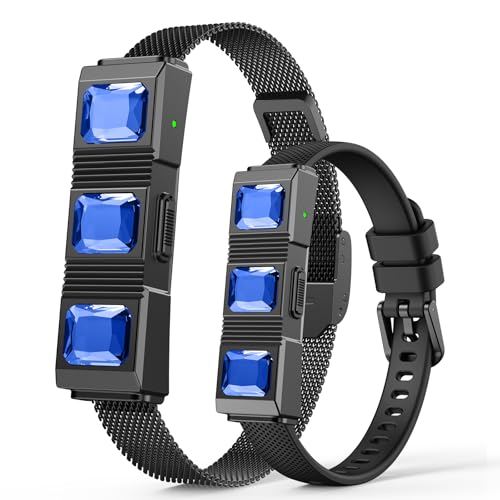
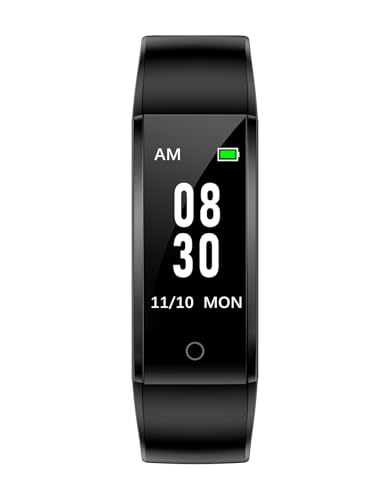


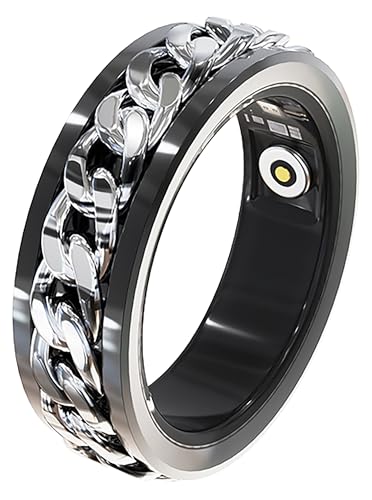


What This Category Includes
This category includes wearable fitness trackers designed to monitor activity and movement. You may see slim band style devices as well as models with small displays and physical controls. Tracked metrics, sensors, and connectivity options vary between products. Specifications vary — see individual product listings for details.
Key Functional Roles
The main role of a fitness tracker is to record activity related data over time. This can include movement, exercise sessions, and general daily patterns. The information is presented to help you review habits rather than to provide medical analysis.
Typical Use Scenarios
Fitness trackers are commonly worn throughout the day during normal routines, exercise, and training sessions. They are used during walking, running, gym activity, and everyday movement. Use scenarios depend on how often the device is worn and which features are enabled.
Buyer Considerations
When choosing a fitness tracker, consider comfort and how the device fits into daily wear. Think about battery life, display style, and how activity data is viewed or synced. Compatibility with phones or apps can also influence how easily information is accessed. Specifications vary — see individual product listings for details.
Safety, Suitability & Best Practices
Fitness trackers are designed for regular wear and benefit from being fitted comfortably without being too tight. Remove the device periodically to allow skin to breathe and to clean the band if needed. Store and charge the tracker according to general manufacturer guidance.
Category Boundaries
This category covers dedicated fitness tracking devices focused on activity and movement. GPS Smartwatches include broader navigation and smartwatch functions and belong in a separate category. Medical monitoring devices and professional health equipment are not included here.
FAQs
What do fitness trackers measure Fitness trackers measure activity related data such as movement and exercise sessions. The specific metrics recorded depend on the device. Specifications vary — see individual product listings for details.
Do fitness trackers need to be worn all day
They are often worn throughout the day to collect consistent activity data. However, how long you wear one depends on personal preference. Use patterns vary by individual.
Are fitness trackers the same as smartwatches
Fitness trackers focus mainly on activity and movement monitoring. Smartwatches usually offer additional features such as apps and navigation. They are listed in separate categories.
Do fitness trackers work without a phone
Some basic functions may work independently, but many trackers sync data to a phone or app. Functionality depends on the product design. Specifications vary — see individual product listings for details.
Practical Insights & Real-World Context
Many people find fitness trackers most useful when worn consistently rather than checked frequently. Over time, general trends in activity often matter more than individual data points. Comfort and ease of use tend to influence whether a tracker becomes part of a daily routine.
How This Category Fits Into Your Gear and Equipment
Within the wider Navigation and Tracking structure, this category represents personal activity monitoring, sitting alongside location based devices and trackers that focus on awareness rather than imaging or observation.
 Getting ready for Summer? View our Home and Garden Products

Heading outdoors this winter? Take a look at our Outdoor Clothing.