
Bird Cages and Aviaries
Bird cages and aviaries are designed to give pet birds a secure, suitable and practical living space, whether kept indoors, outdoors or in a dedicated bird keeping area. They can be used for parrots, budgies, canaries, finches, cockatiels and other birds where the cage or aviary is suitable for the species.
The right choice depends on the bird’s size, activity level, housing needs, available space and how easy the enclosure is to clean and maintain. Cage size, bar spacing, access doors, perches, trays, feeding points, materials and weather suitability are all worth comparing before choosing.
- Bird Cages and Aviaries
Actiaspet Large Wooden Aviary with Felt Roof and Wire Mesh
£199.99 *View On Amazon* - Bird Cages and Aviaries
Eggshell Buckingham Large 8 ft Poultry Run and Chicken Coop
£279.99 *View On Amazon* - Bird Cages and Aviaries
Lechnical Grey Bird Cage, 215 x 78 x 200 cm, Galvanised Steel
£332.60 *View On Amazon* - Bird Cages and Aviaries
Cocoon 3000WX 8ft Wooden Chicken Coop with Integrated Run
£229.99 *View On Amazon* - Bird Cages and Aviaries
vidaXL Galvanised Steel Bird Cage Outdoor Aviary in Grey
£186.99 *View On Amazon* - Bird Cages and Aviaries
Yaheetech Open-Top Bird Cage with Rolling Stand, 100.5 cm
Original price was: £59.99.£52.99Current price is: £52.99. *View On Amazon* - Bird Cages and Aviaries
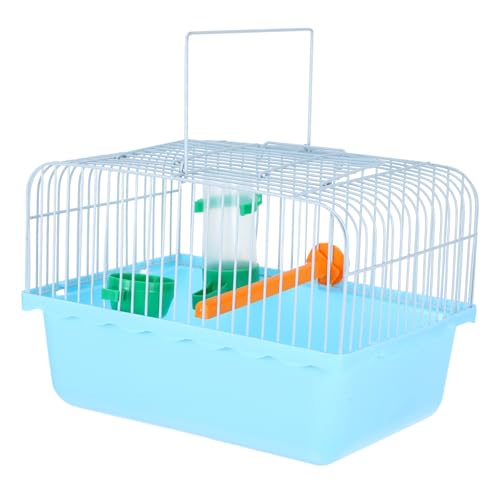
Nolitoy Portable Bird Cage with Perch, Food Tray and Water Dispenser
£19.31 *View On Amazon* - Bird Cages and Aviaries
Feel Good UK Large Wooden Bird Aviary and Flight Cage
£269.99 *View On Amazon* - Bird Cages and Aviaries
Shappy Adjustable Bird Cage Seed Catcher Net Skirt, White
£9.99 *View On Amazon* - Bird Cages and Aviaries
Large Rolling Black Bird Cage Stand with Tray, 132 x 79 x 51.8 cm
£79.99 *View On Amazon* - Bird Cages and Aviaries
Grey Transparent Bird Carrier Bag with Bowl, Pole and Molar Stone
£13.99 *View On Amazon* - Bird Cages and Aviaries
Portable Bird Travel Carrier with Perch, Side Window, Green
£17.99 *View On Amazon* - Bird Cages and Aviaries
KCT Rosario Small Exotic Portable Bird Cage Travel Box – White
£17.95 *View On Amazon* - Bird Cages and Aviaries
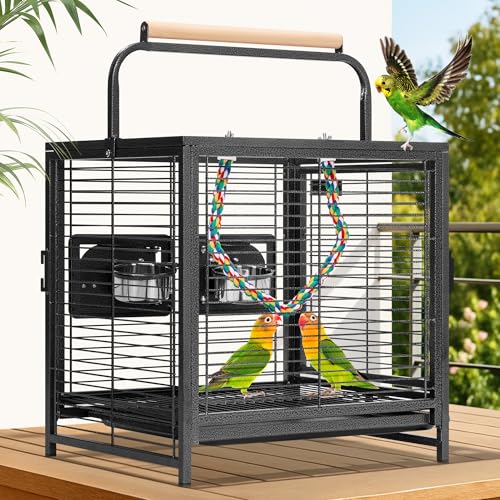
PawHut Metal Parrot Cage Travel Carrier with Wooden Perches and Bowls
£51.99 *View On Amazon* - Bird Cages and Aviaries
ASOCEA Adjustable Bird Cage Seed Catcher Nylon Mesh Skirt
£7.99 *View On Amazon* - Bird Cages and Aviaries
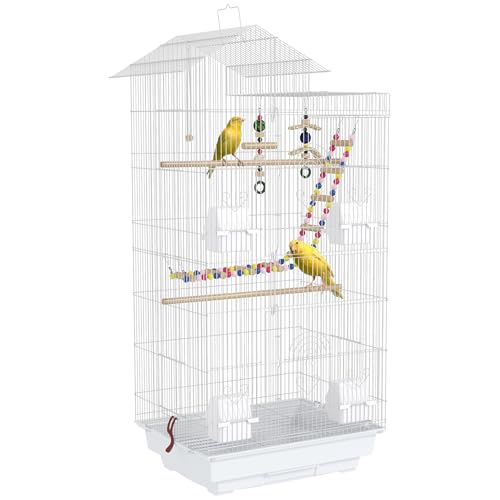
PawHut Bird Cage with Accessories, Tray and Handle, 46 x 36 x 100 cm
£44.99 *View On Amazon* - Bird Cages and Aviaries
PawHut 2 Tier Bird Cage with Stand, Wheels and Accessories
£67.99 *View On Amazon* - Bird Cages and Aviaries
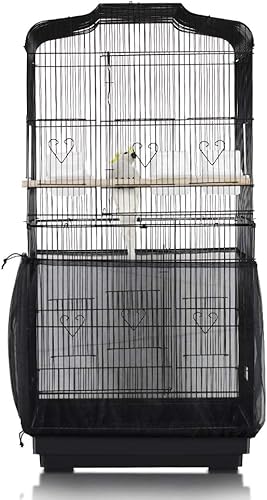
Colorday Good Night Bird Cage Cover for Large Cage with Play Top, 61-inch, Black
£29.98 *View On Amazon* - Bird Cages and Aviaries
VIVOHOME 48 cm Wrought Iron Bird Travel Carrier Cage with Wooden Perch
Original price was: £79.99.£40.79Current price is: £40.79. *View On Amazon*







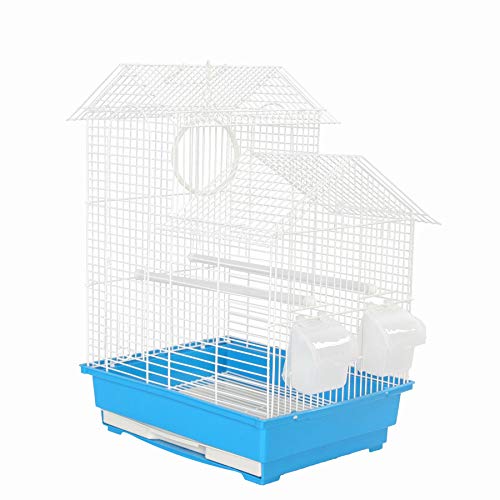
What Are Bird Cages and Aviaries?
Bird cages are enclosed structures designed to house birds safely indoors or in sheltered spaces. They usually include bars, doors, feeding areas and a base tray, depending on the product.
Aviaries are larger bird enclosures that usually provide more room for movement, flying, perching and group housing where suitable. They may be used outdoors, indoors or in garden bird keeping setups, depending on the design and weather protection listed.
Products in this category may include small bird cages, parrot cages, budgie cages, canary cages, finch cages, flight cages, outdoor aviaries, indoor aviaries, breeding cages, travel cages and cage accessories where listed.
What Are Bird Cages and Aviaries Used For?
Bird cages and aviaries are used to provide secure housing, resting space, feeding areas and daily care access for pet birds. They help keep birds protected while giving owners a practical way to manage food, water, cleaning, enrichment and interaction.
A smaller cage may be suitable for one bird or short term use where appropriate, depending on the species and product guidance. A larger cage or aviary may be better for active birds, multiple birds or owners who want to provide more space for movement.
The enclosure should support the bird’s wellbeing, not just contain it. Birds need suitable space, safe materials, perches, enrichment and regular care. Always match the enclosure to the bird, not just the room available.
How To Choose The Right Bird Cage Or Aviary
Start with the bird species. A budgie, finch, canary, cockatiel or parrot may all need different cage sizes, bar spacing, perch thickness and access arrangements. Check the product details carefully and consider species specific guidance before buying.
Next, think about space and movement. Birds need room to perch, climb, turn, stretch and move comfortably. Larger cages or aviaries can be more suitable for active birds where space and care routines allow.
Bar spacing is important. Bars that are too wide may allow a small bird to escape or become trapped. Bars that are too close or too thin may not suit larger birds. Always compare the listed bar spacing and suitability information where available.
Also consider cleaning. A cage that is difficult to clean may quickly become frustrating. Removable trays, accessible doors, feeding points and wipeable surfaces can make everyday care easier.
Key Features To Compare
When comparing bird cages and aviaries, look at size, bar spacing, material, door design, perch layout, feeding stations, base tray, wheels where listed, roof style, weather protection and assembly requirements.
Access doors are especially important. Larger doors can make cleaning, handling and arranging accessories easier, while smaller feeder doors may help with topping up food and water without fully opening the cage.
Perches and feeding points should be practical for the bird size and cage layout. Some cages may include basic perches or bowls where listed, but owners may still want to add suitable accessories for comfort and enrichment.
Materials matter too. Metal, coated wire, wood, plastic trays and mixed materials can all have different care needs. Check whether the finish is suitable for birds and follow the product guidance carefully.
Bird Cages Compared With Aviaries And Travel Cages
Bird cages are usually used for everyday indoor housing. They can be practical for pet birds kept in homes, provided they are suitably sized and set up for the bird’s needs.
Aviaries usually provide more space and can be useful for birds that benefit from extra flying room, group housing or a more natural style setup where suitable. Outdoor aviaries need careful thought around weather, shade, shelter, predators and cleaning.
Travel cages are different because they are normally designed for short journeys, vet visits or temporary movement. They should not be treated as a normal long term home unless the product is specifically designed for that use.
For many bird owners, the main cage or aviary is used alongside accessories, safe out of cage time where suitable and regular cleaning routines.
Guidance For First Time Regular And Experienced Bird Keepers
First time bird owners should choose a cage that is easy to clean, easy to access and clearly suitable for the bird species. It is better to choose a practical, spacious setup than one based only on colour or decorative style.
Regular bird keepers may want to compare layout, durability, feeding access and how well the cage supports daily routines. Small details such as tray design, door position and perch placement can make long term care easier.
Experienced keepers may prefer larger aviaries, specialist cages or modular setups where suitable. They may also look more closely at flight space, group compatibility, weather protection, breeding areas or separation options depending on their birds.
Whatever your experience level, the enclosure should be chosen around bird welfare, safe use and realistic day to day maintenance.
Use Cases By Bird Type And Living Setup
For budgies, cockatiels and similar small pet birds, cage size, bar spacing, perch choice and enrichment space are important. A cage should allow comfortable movement and easy access for cleaning and care.
For canaries and finches, flight space can be especially useful where suitable. Wider cages or aviary style setups may allow more natural movement than tall, narrow cages.
For parrots and larger birds, strength, bar spacing, door security and perch suitability become more important. Larger birds may need stronger materials and more secure fastenings where listed.
For outdoor aviaries, weather protection, predator resistance, shade, ventilation and safe access are key considerations. Outdoor housing should be planned carefully and checked regularly.
For indoor homes, consider where the cage will be placed. Birds should be kept away from draughts, direct heat, fumes, unsafe household hazards and areas where they may be stressed.
For temporary movement, travel cages may be useful where suitable, but they should be chosen for safe short term transport rather than long term housing.
Fit Compatibility And Practical Setup
Before buying, check the listed dimensions, bar spacing, door size, tray style and assembly guidance. Make sure the cage or aviary is suitable for the bird’s species, size and activity level.
Think about where the enclosure will sit. It should be stable, accessible and easy to clean around. Avoid placing cages where they may be knocked, exposed to unsafe fumes, placed in direct sunlight for long periods or affected by draughts.
For outdoor aviaries, the base and structure should be secure. Consider ground surface, drainage, wind exposure, shade, shelter, roof coverage and protection from predators. A poorly positioned aviary can be difficult to manage even if the enclosure itself is well made.
Compatibility with accessories also matters. Perches, toys, feeders, water bowls, nest boxes and covers should fit safely without overcrowding the cage. Leave enough room for the bird to move properly.
Safety Care Maintenance And Cleaning
Bird cages and aviaries should be checked regularly for sharp edges, loose bars, damaged doors, rust, broken welds, worn trays or gaps where birds could escape or become trapped. Do not use damaged housing if it may affect bird safety.
Clean cages and trays regularly according to the product guidance and good bird care practice. Food waste, droppings and damp areas should not be allowed to build up. Removable trays and accessible doors can make cleaning much easier.
Use bird safe cleaning methods and avoid harsh fumes around birds. Birds can be sensitive to airborne chemicals, smoke, aerosols and cooking fumes, so the cage location and cleaning products should be chosen carefully.
Outdoor aviaries need extra checks for weather damage, pests, damp areas, loose mesh and secure locks. Shelter, shade and ventilation should all be considered throughout the year.
If you are unsure about housing needs for a particular species, seek advice from an avian vet, experienced bird keeper or suitable bird care specialist.
Useful Accessories To Consider
Useful accessories can include perches, food bowls, water bowls, bird baths, cage liners, cage covers, toys, swings, ladders, mineral blocks, safe chew items and cleaning tools where suitable.
For enrichment, choose toys and accessories that are appropriate for the bird species and size. Avoid overcrowding the cage, as too many items can reduce movement space.
For cleaning, spare trays, brushes, safe cleaning products and storage for food and accessories can help make daily care easier.
For outdoor aviaries, suitable shelters, locks, covers, feeding stations and weather protection accessories may be useful depending on the setup.
Why Buy Bird Cages and Aviaries From YPC?
At YPC, we understand active lifestyles and the need for practical products that work in real use. Bird cages and aviaries can vary by size, bar spacing, material, access, cleaning design, weather suitability and bird type, so comparing the details helps you choose with more confidence.
YPC helps you browse bird housing with real care needs in mind, whether you are buying for a single pet bird, a larger indoor cage, an outdoor aviary, travel use or a more organised bird keeping setup. Explore the Bird Cages and Aviaries category to browse the available options and compare the features that matter most for your birds and space.
FAQs
What should I look for in a bird cage?
Look for suitable size, safe bar spacing, secure doors, easy cleaning access, stable construction and enough room for perches, food, water and movement. Always choose based on the bird species and product suitability.
What is the difference between a bird cage and an aviary?
A bird cage is usually a smaller enclosure used for indoor bird housing. An aviary is generally larger and may provide more flying or group space, often for indoor or outdoor bird keeping where suitable.
How big should a bird cage be?
The right size depends on the bird species, number of birds and how active they are. A cage should allow comfortable movement, perching and wing stretching. Check species guidance and product details before buying.
Is bar spacing important on bird cages?
Yes, bar spacing is very important. If bars are too wide, small birds may escape or become trapped. If the cage is not strong enough, larger birds may damage it. Always check suitability before buying.
Can bird cages be used outdoors?
Some cages may be suitable for sheltered outdoor use where listed, but many indoor cages are not designed for outdoor weather. Outdoor aviaries are usually more appropriate for garden bird housing where suitable.
Are aviaries suitable for all birds?
Not always. Aviary suitability depends on the bird species, weather protection, space, group compatibility and safety setup. Some birds need specialist housing or careful introduction to aviary life.
What accessories do bird cages need?
Common accessories include perches, food bowls, water bowls, toys, swings, cage liners and cleaning tools. Choose accessories that suit the bird size and leave enough space for movement.
How do I clean a bird cage or aviary?
Remove waste, clean trays and wipe surfaces according to the product guidance and bird care advice. Use bird safe cleaning methods, avoid harsh fumes and let cleaned areas dry properly before use.
 Getting ready for Summer? View our Home and Garden Products

Heading outdoors this winter? Take a look at our Outdoor Clothing.