
Dog Bowls and Feeders
Dog Bowls and Feeders are the category for products used to serve a dog’s food and water as part of everyday feeding routines.
This page is for you if you are looking for the equipment used at mealtimes rather than the food itself. It brings together the main bowl and feeder styles people compare when setting up a practical feeding area at home or replacing worn everyday items. The sections below explain how the category is structured so you can understand the main differences in size, material, and layout before comparing individual products.
- Dog Bowls and Feeders
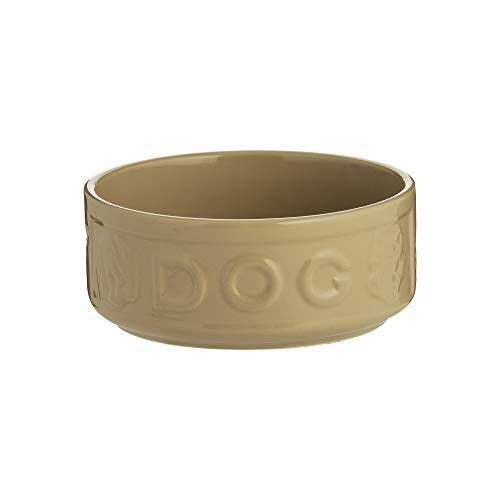
Mason Cash Cane Ceramic Slow Feeder Dog Bowl | Stoneware Pet Bowl with Raised Ridges for Healthy Digestion | Durable & Dishwasher Safe | Ideal for Medium and Large Dogs
Original price was: £16.99.£14.43Current price is: £14.43. *View On Amazon* - Dog Bowls and Feeders
Nobleza Large Slow Feeder Bowl – Anti-Gulp Dog and Cat Food Bowl 20.4cm/8.03in – Pink
Original price was: £9.99.£6.50Current price is: £6.50. *View On Amazon* - Dog Bowls and Feeders
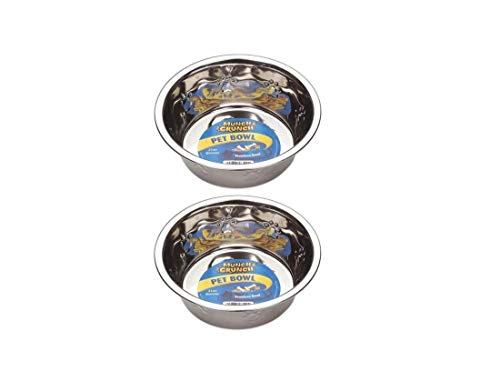
My Pet Dog Life Stainless Steel Taper Bowl, 5-inch Dia, Silver
£1.99 *View On Amazon* - Dog Bowls and Feeders
Trixie Pet's Home Pet's Home Ceramic bowl
Original price was: £7.99.£5.98Current price is: £5.98. *View On Amazon* - Dog Bowls and Feeders
CESAR Fresh Bowl Adult Dog with Chicken,Carrots,Beans,Pumpkin in Gravy 85g (Pack of 10)
Original price was: £13.90.£10.00Current price is: £10.00. *View On Amazon* - Dog Bowls and Feeders
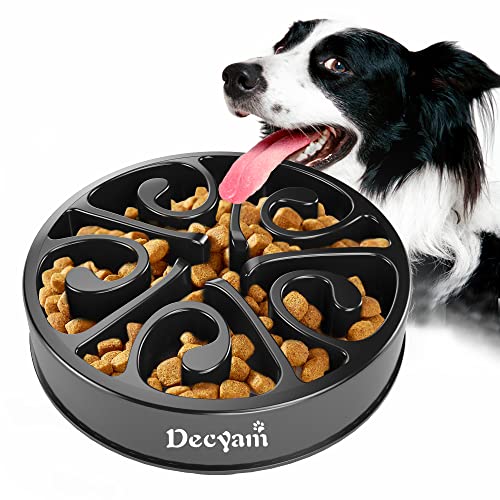
Decyam Slow Feeder Dog Bowl Slow Eating Dog Bowl Pet Puppy Fun Puzzle Feeder Non Skid Bloat Stop Feeding Bowl
Original price was: £8.96.£6.94Current price is: £6.94. *View On Amazon* - Dog Bowls and Feeders
Outward Hound Puppy Slow Feeder Dog Bowl – Also suitable for Cats – Makes Meal Time Fun, Slows Down Eating, Promotes Healthy Digestion, Prevents Bloat | Slip Resistant and Durable, Size Small (Mint)
Original price was: £6.99.£5.94Current price is: £5.94. *View On Amazon* - Dog Bowls and Feeders
YETEE Interactive Dog Puzzle Feeder, Treat Dispenser Dog Puzzle Toys with Squeaker & Non-Slip, Slow Feeder Bowl for Mental Enrichment, IQ Training & Anxiety Relief (Style 1)
Original price was: £13.99.£9.49Current price is: £9.49. *View On Amazon* - Dog Bowls and Feeders
AXYOUCUN Slow Food Dog Bowl Stainless Steel Anti Choking Pet Food Bowl Non Slip Dog Feeder Feeding Solutions for Fast Eaters Interactive Design Reduces Bloat Improves Digestion
Original price was: £9.99.£9.59Current price is: £9.59. *View On Amazon* - Dog Bowls and Feeders
OHMO Slow Feeder Dog Cat Bowl (Small, Tree of Life), Silicone Puppy Food Bowl with Anti-Slip Suction Cup Slow Down Small Dogs Eating Anti Choking, Light Green
Original price was: £8.99.£7.64Current price is: £7.64. *View On Amazon* - Dog Bowls and Feeders
Dog Bowls, Puppy Bowl with Mat Tray – Stainless Steel Double Bowls, Non Slip Dog Bowls for Small Dogs Puppies Kittens Cats Food Water Feeding
Original price was: £8.49.£7.22Current price is: £7.22. *View On Amazon* - Dog Bowls and Feeders
Karlie Stainless Steel Dog Bowls, 2200ml, Set of 2, Extra Large Non-Slip Silicone Base
£14.99 *View On Amazon* - Dog Bowls and Feeders
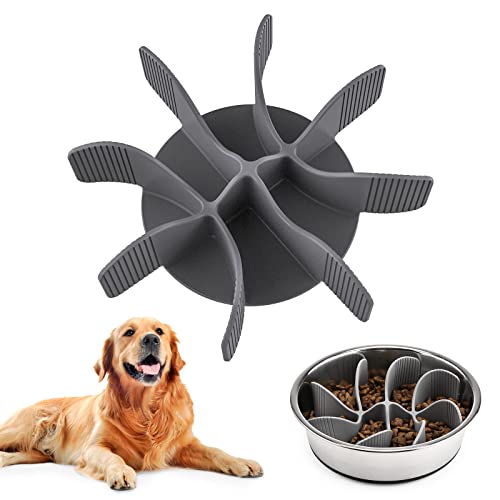
PETTOM Slow Feeder Insert for Dog Bowls – Silicone Cuttable Suitable for Small and Large Dog Bowls to Slow Down Eating – Anti-Slip Strong Suction
Original price was: £11.99.£10.19Current price is: £10.19. *View On Amazon* - Dog Bowls and Feeders
Classic Pet Products Classic Posh Paws Dish, 1600 ml, Red
£6.85 *View On Amazon*










What This Category Includes
Dog Bowls and Feeders includes products used to hold, present, and organise food and water for dogs. That can include single bowls, paired bowl sets, raised feeding layouts, and feeder styles designed around different household routines.
The main differences usually come down to capacity, material, shape, base style, and how the feeding setup is arranged. Some options are simple and compact, while others are chosen for a more fixed mealtime area or a different serving style. Specifications vary — see individual product listings for details.
Key Functional Roles
The main role of this category is to group together the products that support everyday dog feeding and drinking routines. These items provide the physical setup used for meals and water access, which makes them distinct from the food products themselves.
This category also helps organise the practical side of feeding. Choosing the right bowl or feeder often comes down to how meals are served, where the setup lives in the home, and how easy it is to keep the area tidy and consistent.
Typical Use Scenarios
You might use this category when setting up a new feeding station, replacing an older bowl, or looking for a different mealtime arrangement that better suits your space. It is also useful when you want to compare basic bowls against more structured feeder styles before narrowing down.
Some people come here looking for a simple everyday bowl for food or water. Others are comparing layouts for a more organised feeding area, a neater indoor setup, or a bowl style that better suits the dog’s size and routine.
Buyer Considerations
A good place to start is by deciding whether you need a basic bowl, a water bowl, or a more structured feeder style. That simple first step usually narrows the category quickly and makes the rest of the comparison much easier.
It also helps to think about size, material, stability, and where the bowl or feeder will be used each day. Some households prioritise a compact setup that is easy to move and clean, while others want a more fixed arrangement for regular mealtimes. Specifications vary — see individual product listings for details.
Safety, Suitability and Best Practices
Good practice starts with choosing products clearly intended for dog feeding and drinking and checking the individual listing for the details that matter most. Capacity, dimensions, and material can all shape how suitable a bowl or feeder feels in everyday use.
It also helps to keep bowls and feeders clean and in good condition as part of a normal care routine. Regular cleaning, checking for wear, and reviewing whether the setup still suits your dog’s needs can make this category easier to shop with confidence.
Category Boundaries
Dog Bowls and Feeders is the category for feeding and water serving equipment. It is focused on the bowls, feeders, and related mealtime setup products rather than the food or treats placed in them.
That means meal products belong in Dog Food, while reward and chew products belong in Dog Treats and Chews. This category also sits separately from Dog Travel and Dog Cleaning and Waste Disposal, even if some households browse across those areas as part of a wider routine.
FAQs
What does Dog Bowls and Feeders include?
This category covers the products used to serve food and water to dogs. It includes bowls and feeder styles rather than the food itself.
How is this different from Dog Food?
Dog Food is the category for the meal products a dog eats. Dog Bowls and Feeders is the category for the equipment used to serve those meals and provide water.
What should I look at first when comparing bowls?
Start with the intended use, then look at size, material, and layout. That usually gives you the clearest first filter before you compare finer details.
Are feeders different from standard bowls?
They can be. Some feeder styles offer a more structured layout or mealtime setup, while standard bowls are often simpler and more direct in form. The exact difference depends on the product design.
Can I use this category for both food and water setups?
Yes. Many people use this category to compare options for both food serving and water access. The individual listing is the best place to confirm exact intended use and capacity.
Is this category only for home feeding areas?
Home use is a major part of the category, but product styles can vary depending on routine and setup preferences. It helps to think about where the bowl or feeder will be used most often before narrowing the range.
Practical Insights and Real World Context
In practice, most people choose dog bowls and feeders around routine and space rather than novelty. What matters most is often how the setup fits into everyday mealtimes, how easy it is to keep clean, and whether it feels stable and practical where it will be used. That makes this a category where simple, realistic comparison points are more useful than overcomplicated detail.
A strong category page should therefore help you think in terms of feeding setup first. Once you know whether you want a straightforward bowl or a more structured feeder style, the differences in material, capacity, and layout become much easier to compare.
How This Category Fits Into Your Gear and Equipment
Within the wider Dog Supplies structure, this category sits as the branch for the equipment used to serve meals and water as part of everyday canine feeding routines.
 Getting ready for Summer? View our Home and Garden Products

Heading outdoors this winter? Take a look at our Outdoor Clothing.