
Dog Muzzles
Dog Muzzles are the category for muzzle products designed to fit over a dog’s snout area as part of controlled everyday handling and routine management.
This page is for you if you are looking specifically for muzzle products rather than general walking equipment, training items, or dog identity accessories. It brings together the main muzzle styles people compare when they want to review fit, shape, fastening, and everyday product form in one place. The sections below explain how the category is structured so you can understand the main differences more clearly before comparing individual listings.
- Dog Muzzles
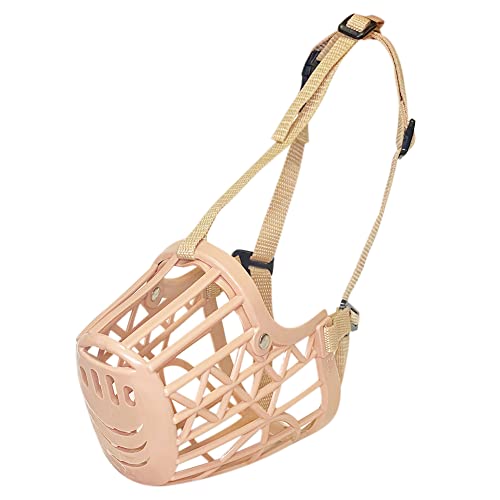
Baskerville Classic Basket Muzzle – Dog can Pant and Drink, Prevents Biting and Food Waste Scavenging, Strong TPR, Ideal for Longer Nosed Dogs, Breathable Dog Training Muzzle for Medium Dogs (Size 5)
Original price was: £10.49.£10.00Current price is: £10.00. *View On Amazon* - Dog Muzzles
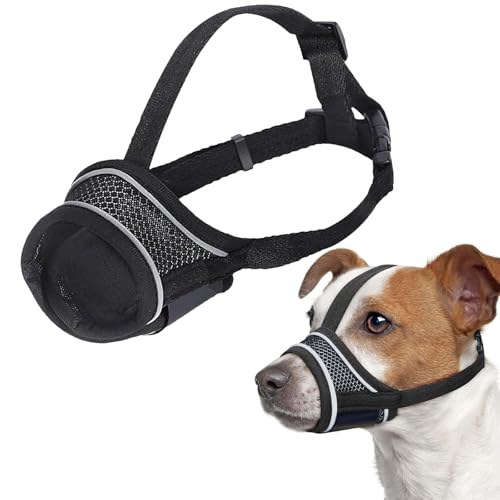
Mayerzon Dog Muzzle, Puppy Soft Mesh Muzzle for Small Medium Large Dogs Chihuahua Poodles Beagle Dachshund Corgis Labrador for Biting Chewing Grooming That Allows Panting Drinking
Original price was: £9.99.£7.99Current price is: £7.99. *View On Amazon* - Dog Muzzles
Mayerzon Dog Muzzle, Soft Mesh Muzzles for Small Medium Large Dogs Chihuahua Poodle Husky Labrador Retriever, Breathable Dog Mouth Guard for Biting Chewing Grooming, Allow Panting Drinking(M, Black)
Original price was: £11.99.£11.59Current price is: £11.59. *View On Amazon* - Dog Muzzles
Dog Muzzle, Muzzle For Medium Dogs, Lightweight & Breathable Mesh Muzzle, Adjustable Anti-Fall Bite Barking Chewing (Black, M)
Original price was: £3.99.£2.99Current price is: £2.99. *View On Amazon* - Dog Muzzles
Onetigris Dog Muzzle,Soft Basket Silicone Muzzles for Small Medium Large Dogs,Humane Cage Mouth Cover, Perfect for Grooming and Training Medium, Large Aggressive Reactive Dogs (XL)
Original price was: £20.99.£18.89Current price is: £18.89. *View On Amazon*








What This Category Includes
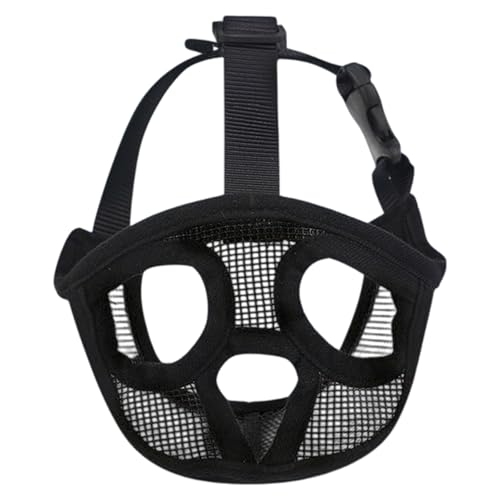
Dog Muzzles includes products designed to fit over the snout area in a range of shapes, materials, and fastening styles. That can include softer styles, more structured forms, and designs that vary in coverage, adjustment, and overall layout.
The main differences usually come down to shape, material, fit, fastening method, and the context the product is intended to suit. Some products are more open in structure, while others have a more enclosed form or a different adjustment style. Specifications vary — see individual product listings for details.
Key Functional Roles
The main role of this category is to group together muzzle products as a distinct type of dog accessory. It gives you a clear route for comparing muzzle form and fit without mixing this category into broader handling or behaviour equipment.
This category also helps separate muzzle selection from other parts of dog care. That matters because muzzle products are usually compared by shape, fit, and intended context rather than feeding, bedding, grooming, or travel.
Typical Use Scenarios
You might use this category when replacing an existing muzzle, reviewing a different fit style, or comparing product forms before narrowing down to the details that matter most. It is also useful when you know you need a muzzle product but are still deciding which overall shape or fastening style makes the most sense to compare first.
Some people come here looking for a simpler familiar format. Others want to explore different structures and adjustment styles to better understand how products in this category vary.
Buyer Considerations
A practical place to start is with overall shape and fit. Looking first at product form often makes the category easier to narrow than trying to compare every detail at once, because the main styles can feel quite different in layout and coverage.
It also helps to consider fastening style, adjustability, material, and the type of routine context the product is intended for. Some people prioritise a lighter and simpler design, while others focus more on structure or how the fastening arrangement works in everyday use. Specifications vary — see individual product listings for details.
Safety, Suitability and Best Practices
Good practice starts with choosing products clearly intended for dogs and checking the individual listing carefully for fit related details. Shape, sizing information, and intended use should always be reviewed at product level before making a decision.
It also helps to keep the focus on suitability and condition. Reviewing fit, checking wear, and replacing products that no longer suit your routine can make the category easier to shop with more confidence. Specifications vary — see individual product listings for details.
Category Boundaries
Dog Muzzles is the category for muzzle products only. It is focused on this specific type of dog accessory rather than broader behaviour items, general walking equipment, or identity related products.
That means related items belong elsewhere in named categories such as Dog Training and Behaviour, Dog Collars Leads and Harnesses, and Dog ID Tags and Safety. It also sits separately from Dog Travel, which serves a different routine purpose.
FAQs
What does the Dog Muzzles category include?
This category covers muzzle products designed for dogs in a range of shapes, materials, and fastening styles. It is the main place for comparing muzzle specific product forms rather than general dog accessories.
How is this different from Dog Collars Leads and Harnesses?
Dog Muzzles is focused only on muzzle products. Dog Collars Leads and Harnesses is the separate category for everyday walking and handling equipment.
How do I narrow down the right dog muzzle?
Start with overall shape and fit style first. That usually gives you the clearest first filter before you compare fastening, material, and adjustment details.
Is this category the same as Dog Training and Behaviour?
No. Dog Training and Behaviour is focused on products used to support routine learning and structured guidance. Dog Muzzles is a separate category for muzzle products themselves.
What should I check first when comparing products?
Look first at shape, fit information, fastening style, and intended context. Those details usually make the category easier to compare than starting with smaller feature differences.
Are all dog muzzles built the same way?
No. Product form can vary quite a lot across the category. That is why checking structure, material, and fit details in the individual listing is important before choosing.
Practical Insights and Real World Context
In real shopping behaviour, people usually find this category easier when they compare broad form first and details second. Once you understand whether you are looking at a softer style, a more structured shape, or a different fastening layout, the rest of the category becomes much easier to read.
A strong category page should therefore keep the focus on product shape, fit, and routine context rather than drifting into wider dog handling topics. That gives the page a clearer purpose and helps you narrow the range more confidently.
How This Category Fits Into Your Gear and Equipment
Within the wider Dog Supplies structure, this category sits as the branch for muzzle specific products used as part of broader day to day canine handling and routine management.
 Getting ready for Summer? View our Home and Garden Products

Heading outdoors this winter? Take a look at our Outdoor Clothing.