
Reptile Food
Reptile food is designed to support the different feeding needs of pet reptiles, from tortoises and bearded dragons to geckos, snakes, turtles and other reptile species where suitable. The right food depends on the animal’s species, age, diet type, feeding behaviour and care routine.
Reptiles can have very different nutritional needs, so choosing food carefully is essential. Some reptiles eat plants, some eat insects, some eat prepared diets and others need frozen or specialist feeder foods where appropriate and listed.
- Reptile Food
Livefoods4u XL Extra Large Live Locusts 100 Pack (35-50mm) | Sustainably UK Bred Bulk Livefood for Bearded Dragons, Lizards & Large Reptiles | High Protein Feeder Insects | Fresh Delivery
Original price was: £28.99.£23.90Current price is: £23.90. *View On Amazon*

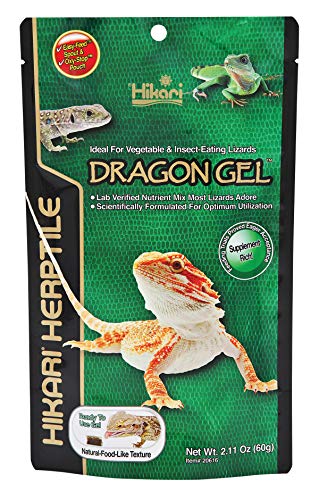


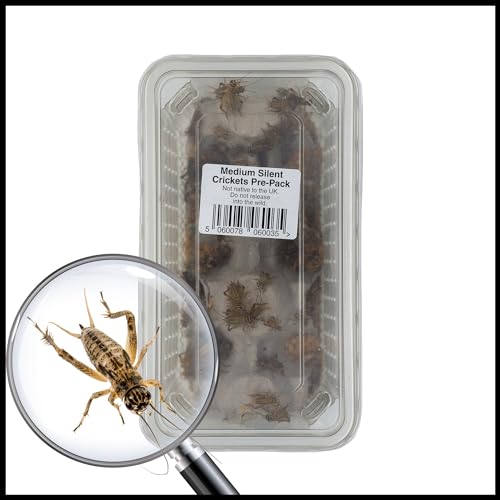
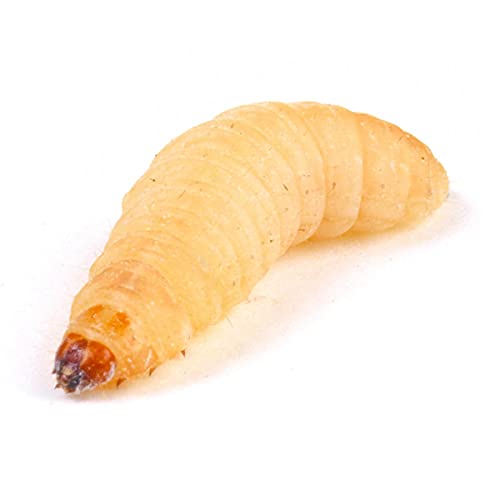


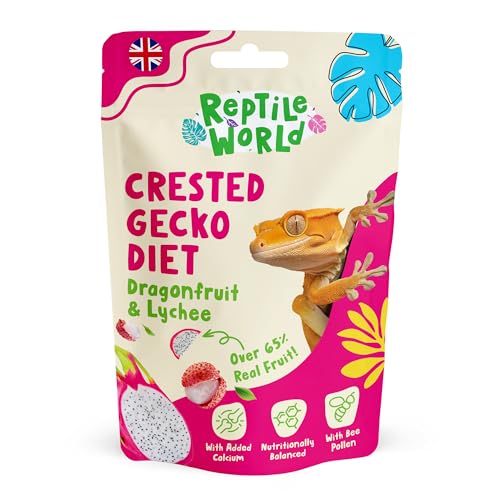


What Is Reptile Food?
Reptile food includes products made or supplied for feeding pet reptiles in captivity. This can include pellets, sticks, dried insects, live food where listed, frozen feeder food, tortoise food, turtle food, lizard food, gecko diets, herbivore mixes and feeding supplements depending on the products available.
Reptile food is not one size fits all. A tortoise usually needs a very different diet from a snake, and a bearded dragon may need different food at different life stages. Always match food to the species and follow appropriate feeding guidance.
The best reptile food choice is the one that supports the animal’s natural feeding style, practical care routine and nutritional needs, while being safe to store and use correctly.
What Is Reptile Food Used For?
Reptile food is used to provide daily meals, occasional feeding, nutritional variety and specialist support for different reptile species. It can help keep feeding routines more organised and make it easier for owners to provide suitable food at home.
Prepared foods such as pellets, sticks or complete diets may be useful for some species where suitable. Insect based foods may suit insect eating reptiles, while plant based foods may suit herbivorous reptiles such as some tortoises.
Frozen feeder foods may be used for certain carnivorous reptiles where appropriate. These products need careful storage, thawing and hygiene handling according to the product guidance.
How To Choose The Right Reptile Food
Start with the reptile species. Species suitability is the most important factor. Food for a tortoise should not be assumed suitable for a gecko, snake, turtle or bearded dragon unless the product clearly says so.
Next, consider diet type. Reptiles may be herbivores, insectivores, carnivores or omnivores. Some need mostly plant based foods, some need live or dried insects, and some require prepared or frozen food depending on their natural diet and captive care needs.
Age and life stage also matter. Young reptiles may have different feeding needs from adults. Some growing reptiles need more frequent feeding or different food proportions, while mature reptiles may need a more controlled routine.
Also think about storage and convenience. Dried foods and pellets can be easier to store, while live or frozen foods need more careful handling. Choose food that you can store safely and use consistently.
Key Features To Compare
When comparing reptile food, look at species suitability, food type, ingredients where listed, feeding guidance, pack size, storage instructions, supplement needs, freshness and preparation requirements.
Food format is important. Pellets, sticks and prepared diets can be convenient for some reptiles. Dried insects can be useful where suitable, while live food may encourage natural feeding behaviour for some insect eating species.
Calcium, vitamin and mineral support may be included in some foods where listed, but supplementation needs vary by species. Do not assume a food contains everything your reptile needs unless the product states this clearly and it matches accepted care guidance for that species.
Pack size should match how often the food will be used. A larger pack may be practical for regular feeding, but only if it can be stored correctly and used while still in good condition.
Reptile Food Compared With Supplements And Feeding Accessories
Reptile food provides the main nutrition or part of the diet depending on the species. Supplements are different because they are added to food or used alongside feeding routines where suitable.
Calcium powders, vitamin supplements and mineral products may be important for some reptiles, but they should be used carefully. Too little or too much supplementation can be a problem, so follow species specific guidance and product instructions.
Feeding accessories such as bowls, tongs, dishes, feeding ledges and storage containers can make feeding safer and cleaner. They do not replace suitable food, but they can help make feeding routines easier to manage.
For many reptile owners, good feeding involves the right food, correct supplementation where needed, suitable lighting and heating, and proper enclosure care.
Guidance For Beginner Regular And Experienced Reptile Keepers
Beginner reptile keepers should focus on species specific feeding first. Before buying food, check what the reptile naturally eats, how often it should be fed and whether it needs supplements, UVB lighting or particular temperatures to digest properly.
Regular keepers may want to compare food variety, storage, value, preparation time and how well each product fits their feeding routine. Having the right foods available can make daily care easier.
Experienced keepers may use a wider range of foods depending on species, breeding status, season, age and condition. They may compare specialist diets, feeder quality, supplement schedules and food rotation more closely.
Whatever your experience level, feeding should be based on reliable species guidance rather than guesswork.
Use Cases By Reptile Type
For tortoises, plant based foods and tortoise specific prepared diets may be useful where suitable. Diet should be matched carefully to the species, as different tortoises can have different needs.
For bearded dragons, food choices may include insects, plant matter and prepared foods depending on age and care guidance. Young and adult bearded dragons may need different feeding balances.
For geckos, some species may need live insects, while others may use prepared gecko diets where suitable. Species differences are important, so check suitability before buying.
For snakes, frozen feeder foods may be used where appropriate. These need careful storage, thawing and hygiene handling, and should be matched to the snake’s size and feeding routine.
For aquatic turtles, floating sticks, pellets or dried foods may be suitable where listed. Water quality and feeding location should also be considered because uneaten food can affect the tank.
For omnivorous reptiles, variety and balance are especially important. Prepared foods may be useful, but they should still match the species and feeding guidance.
Fit Compatibility And Feeding Practicality
Reptile food should be compatible with the reptile’s size, mouth shape, feeding behaviour and enclosure setup. Food that is too large, too hard or unsuitable for the species can create problems.
Check feeding instructions carefully. Some foods may need soaking, thawing, dusting with supplements or offering in a specific way where listed. Others may be ready to serve straight from the pack.
Think about feeding tools. Tongs may be useful for some foods, while bowls or feeding dishes may suit pellets, greens or prepared diets. For arboreal reptiles, feeding ledges may be useful where suitable.
Remove uneaten food when appropriate, especially fresh food, wet food or items that may spoil. In aquatic setups, uneaten food can quickly affect water quality, so feeding routines should be managed carefully.
Safety Hygiene Storage And Freshness
Reptile food should be stored according to the product instructions. Dry foods should usually be kept sealed, clean and dry. Frozen foods should remain frozen until needed and should be thawed safely according to the guidance listed.
Wash hands after handling reptile food, feeding tools, bowls and enclosure items. Good hygiene is especially important when handling raw, frozen or live foods.
Do not use mouldy, damp, expired or contaminated food. If food smells unusual, has changed texture or has been stored incorrectly, it should not be offered.
Live foods should be cared for and fed according to their own storage guidance where listed. Do not release live feeder insects into the home or outdoors. Offer only suitable sizes and quantities for the reptile.
If your reptile refuses food, loses weight, becomes lethargic, regurgitates, shows swelling, has abnormal droppings or changes behaviour, seek advice from a reptile vet or suitable reptile care specialist.
Useful Accessories To Consider
Useful accessories can include feeding bowls, water dishes, feeding tongs, supplement powders, calcium dishes, storage tubs, thermometers, hygrometers, UVB lighting, heat lamps, reptile hides and enclosure cleaning tools where suitable.
For insect eating reptiles, feeding tongs, supplement dusting containers and safe storage for feeder insects may be useful. For herbivorous reptiles, suitable dishes and fresh food preparation tools can help keep feeding tidy.
For frozen feeder foods, dedicated storage and careful hygiene tools can make feeding safer and more organised. For aquatic reptiles, nets, gravel cleaners and water test kits may help manage tank cleanliness after feeding.
Why Buy Reptile Food From YPC?
At YPC, we understand active lifestyles and the need for practical products that work in real use. Reptile food can vary by species suitability, food type, ingredients, preparation needs, storage requirements and feeding purpose, so comparing the details helps you choose with more confidence.
YPC helps you browse reptile feeding products with real pet care needs in mind, whether you are buying for tortoises, lizards, snakes, geckos, turtles or general reptile keeping. Explore the Reptile Food category to browse the available options and compare the features that matter most for your reptile’s routine.
FAQs
What type of reptile food should I buy?
Choose reptile food based on the species, age, diet type and feeding guidance for your reptile. Tortoises, snakes, geckos, turtles and lizards can all need very different foods.
Can all reptiles eat the same food?
No, reptiles have different diets. Some are herbivores, some eat insects, some eat frozen feeder foods and others need prepared diets where suitable. Always match food to the species.
What food is suitable for tortoises?
Some tortoises may eat plant based diets and tortoise specific prepared foods where suitable. The right diet depends on the tortoise species, age and care guidance.
What food is suitable for bearded dragons?
Bearded dragons may need a mix of suitable insects, plant foods and prepared foods depending on age and care guidance. Young and adult dragons can have different feeding needs.
How should reptile food be stored?
Store reptile food according to the product instructions. Dry foods should usually be sealed and kept dry, while frozen foods must be kept frozen until needed and thawed safely before feeding.
Do reptiles need calcium supplements?
Some reptiles need calcium supplementation where suitable, especially species with specific bone, shell or growth needs. Use supplements only according to species guidance and product instructions.
Can I feed reptiles wild insects?
Wild insects are generally not recommended because they may carry pesticides, parasites or other risks. Use suitable feeder insects or reptile foods where listed and appropriate.
What should I do if my reptile stops eating?
Check temperature, lighting, enclosure conditions, food suitability and stress factors. If refusal continues, or your reptile loses weight or appears unwell, seek advice from a reptile vet or suitable reptile care specialist.
 Getting ready for Summer? View our Home and Garden Products

Heading outdoors this winter? Take a look at our Outdoor Clothing.