
Reptile Heating Humidity and Lighting
Reptile heating, humidity and lighting products help create a more suitable enclosure environment for reptiles, amphibians and other specialist pets where appropriate. They are used to support warmth, day and night cycles, basking areas, moisture levels, visibility and species specific habitat needs, depending on the animal and product guidance.
The right setup should match the species, enclosure size, ventilation, substrate, décor and daily care routine. Heat lamps, UVB lighting, thermostats, hygrometers, misters, foggers and related accessories can all play different roles, so it is important to compare product details carefully before buying.
- Reptile Heating Humidity and Lighting
Yardwe 3Pcs Reptile Heating Pads 16x16cm Insulation Mats for Snakes Lizard Terrarium Heater Film Warm Reflective Pet Heat Pad for Cold Weather
£7.99 *View On Amazon* - Reptile Heating Humidity and Lighting
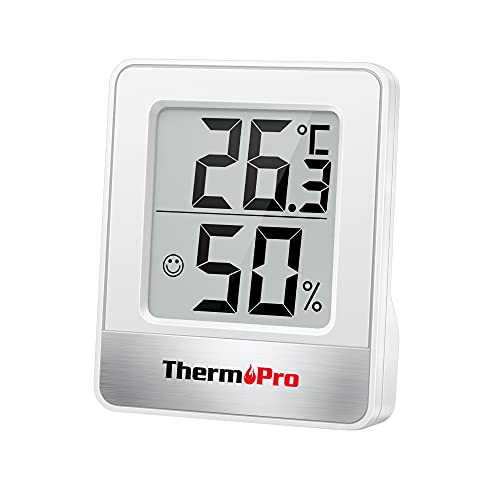
ThermoPro TP49 Small Digital Hygrometer Indoor Thermometer Ambient Thermometer Temperature Monitor and Humidity Meter for Home Office Comfort Reptile Thermometer
Original price was: £8.99.£7.62Current price is: £7.62. *View On Amazon* - Reptile Heating Humidity and Lighting
DONGKER Reptile Heating Mat,7W USB Terrarium Non-Adhesive Heat Pad Timing Control Under Tank Warmer for Snake Lizard Frog Fish
£14.99 *View On Amazon* - Reptile Heating Humidity and Lighting
LUCKY HERP Reptile Heating Mat, 16W Terrarium Reptile Heat Pad with Temperature Adjustment, Vivarium Heat Mat for Turtle, Lizard, Hermit Crab, Frog, Snake(8x12in)
£17.99 *View On Amazon* - Reptile Heating Humidity and Lighting
LEVSON Seedling Heating Mat 30W, Waterproof 10.24×21.46", 15–60°C with Thermostat & 0–12H Timer, Heated Propagator for Plants, Seedlings, Reptiles, Greenhouse Incubation
Original price was: £22.44.£21.31Current price is: £21.31. *View On Amazon* - Reptile Heating Humidity and Lighting
FreeSkill Reptile Heat Lamp Holder – 200W Ceramic Base, E27 Rotatable with ON/Off Switch, High-Temperature Resistant for Lizard, Snake, Turtle, Chicks (No Bulb)
£10.75 *View On Amazon* - Reptile Heating Humidity and Lighting
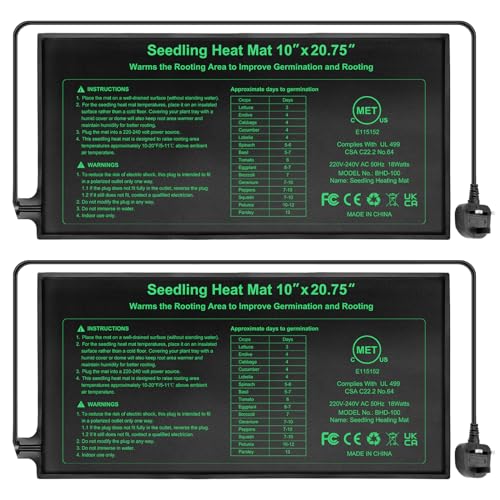
RC SLL Seedling Heat Mat 10" x 20.75",Waterproof Plant Hydroponic Heating Mat for Seed Starting,Plant Germination and Reptile with Power-Off Protection(2 Pack)
£27.78 *View On Amazon* - Reptile Heating Humidity and Lighting
Reptile Heat Pad – 3 Temperature Settings Terrarium Heater, Heat Pad for Reptile Tank for Turtle Lizard Frogs Snake Hermit Crab Small Animals Spider
£4.09 *View On Amazon* - Reptile Heating Humidity and Lighting
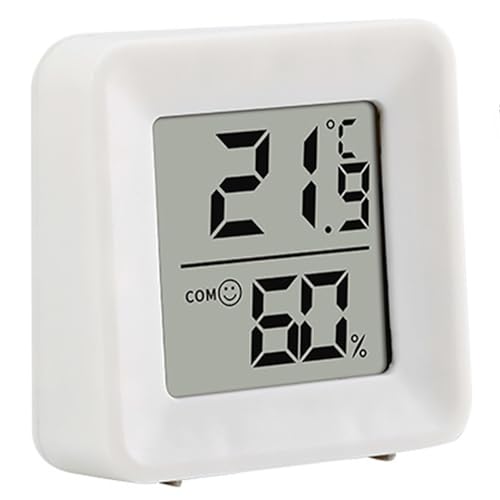
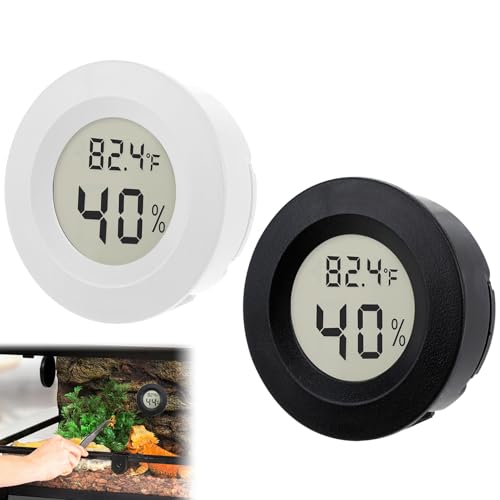
LCD Digital Hygrometer and Thermometer – Humidity Gauge for Greenhouses, Dehumidifiers, Humidifiers, Basements, Babyrooms, Home Offices with Switchable °C/°F
Original price was: £5.89.£5.28Current price is: £5.28. *View On Amazon* - Reptile Heating Humidity and Lighting
Namvo Reptile Vivarium Cooling Radiator Reptile Temperature and Humidity Meter Automatic Control of Ventilation Fan for Rainforest Terrarium Vivarium Reptiles
£16.99 *View On Amazon* - Reptile Heating Humidity and Lighting
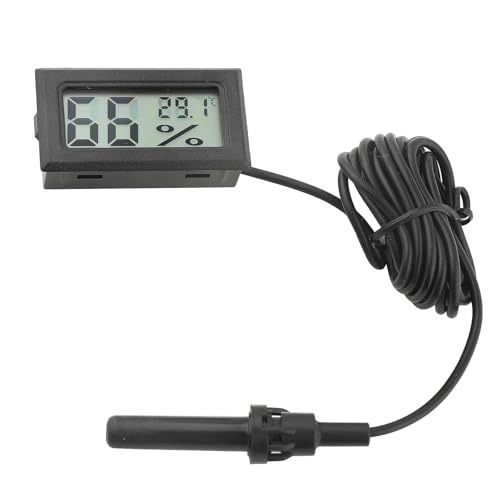
Reptile Tank Accessories, Digital Thermometer and Hygrometer, LCD Display Probe for Reptile Incubator, Terrariums, Pet Tanks, Temperature and Humidity Monitoring
£5.28 *View On Amazon*








What Is Reptile Heating Humidity And Lighting Equipment?
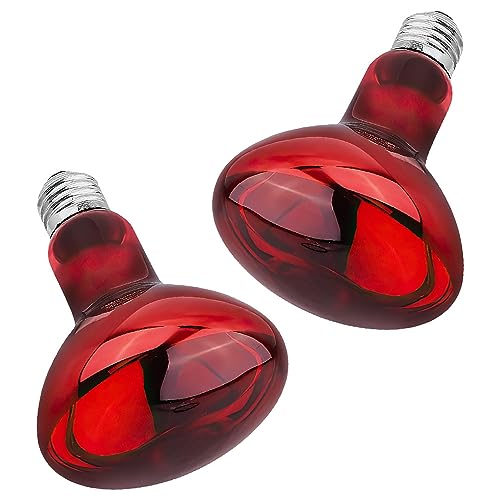
Reptile heating, humidity and lighting equipment includes products used to manage temperature, moisture and light inside reptile habitats. This category may include heat bulbs, basking lamps, ceramic heat emitters, heat mats, thermostats, thermometers, hygrometers, UVB tubes, lighting fixtures, reflectors, timers, misting systems, foggers and humidity accessories where listed.
These products are used in vivariums, terrariums, tortoise tables, arboreal setups, desert style habitats and tropical style enclosures, depending on the animal being kept.
Because reptiles and amphibians rely heavily on their environment, heating, humidity and lighting products should be chosen around the needs of the species rather than general appearance or convenience alone.
What Are These Products Used For?
Reptile heating products are used to help create warmer areas, basking spots or background heat where suitable. Many reptiles need access to different temperature zones so they can move between warmer and cooler areas.
Humidity products help support moisture levels in enclosures where the species needs more humid conditions. They may be used with suitable substrate, water bowls, misting routines, ventilation and monitoring equipment.
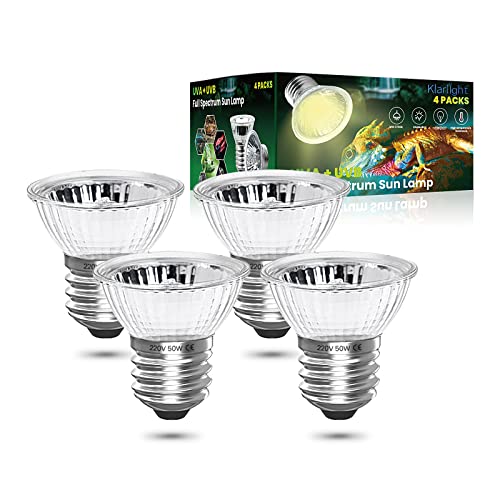
Lighting products can provide visible light, day and night rhythm support and UVB exposure where required by the species. Some reptiles need UVB lighting as part of their normal care, while others may have different needs depending on species, diet and habitat setup.
Together, these products help keep the enclosure more controlled, but they must be set up, monitored and maintained properly.
How To Choose The Right Reptile Heating Humidity And Lighting Product
Start with the species you keep. A bearded dragon, leopard gecko, corn snake, royal python, tortoise, chameleon, crested gecko or amphibian may all need different temperature, humidity and lighting conditions. Always follow reliable species care guidance and seek specialist advice where needed.
Next, consider the enclosure size and material. A glass terrarium, wooden vivarium, mesh enclosure or tortoise table can hold heat and humidity differently. Ventilation, height, lid type and décor placement all affect how products work in practice.
Think about the role of each product. A basking bulb is not the same as a ceramic heat emitter. A UVB tube is not the same as a normal visible light. A hygrometer measures humidity, while a mister or fogger may help increase moisture where suitable.
Control and monitoring are essential. Heating products often need a suitable thermostat where compatible, and humidity should be checked with a hygrometer rather than guessed. Lighting may also need timers to support a consistent day and night routine.
Key Features To Compare
When comparing reptile heating, humidity and lighting products, look at intended species, enclosure compatibility, power rating where listed, fitting type, control method, mounting style, bulb type, UVB output where stated, cable length, safety guidance and maintenance needs.
For heating products, compare heat type, thermostat compatibility, fitting method and whether the product is designed for overhead or under tank use where listed. Heat sources should be positioned safely and should not create burn risks.
For lighting products, compare UVB type, tube or bulb format, fixture compatibility, coverage area where listed and replacement guidance. UVB products can lose useful output over time even if they still produce visible light, so follow product instructions.
For humidity products, compare mist output, reservoir size where listed, control options, cleaning needs and suitability for the enclosure. Too much moisture can be as problematic as too little, depending on the species.
For monitoring products, check whether thermometers and hygrometers are easy to read, correctly positioned and suitable for the setup.
Heating Products Compared With Lighting And Humidity Products
Heating products are mainly used to manage warmth. They may create a basking area, ambient warmth or night time heat where suitable. The correct product depends on the species, enclosure and whether light is needed with heat.
Lighting products are mainly used to support visibility, day and night cycles and UVB needs where required. Some bulbs produce heat as well as light, but not all lighting products are intended as heat sources.
Humidity products are used to help manage moisture. They do not replace proper heating, ventilation or substrate care. A humid enclosure still needs correct temperatures and airflow.
Monitoring products are different again. Thermometers and hygrometers do not change the environment by themselves, but they help you understand what is happening inside the habitat. They are important because guessing temperature or humidity is unreliable.
Guidance For New Regular And Experienced Reptile Keepers
New reptile keepers should begin with species research before buying equipment. Heating, humidity and lighting are not optional extras for many reptiles. They are part of the basic habitat setup.
Regular keepers may want to compare thermostat types, replacement bulbs, spare gauges and more reliable monitoring options. A stable routine makes enclosure care easier and helps avoid sudden problems.
Experienced keepers may use different products for different enclosures, such as desert basking lamps, tropical misting systems, UVB tubes, ceramic heat emitters or dimming thermostats where suitable. They may also fine tune placement, gradients and monitoring based on the animal’s behaviour.
For all keepers, animal behaviour matters. If a reptile is constantly hiding, avoiding heat, sitting under a lamp all day, shedding poorly or showing unusual behaviour, the habitat setup may need checking.
Use Cases By Reptile And Habitat Type
For desert style reptiles, basking heat, UVB lighting where required, dry areas and accurate temperature monitoring can be important. Humidity still needs attention, but the setup will differ from a tropical enclosure.
For tropical reptiles, humidity control, misting, ventilation, plant or décor placement and suitable lighting may all matter. Too much stagnant moisture can create problems, so balance is important.
For snakes, heating and hides are often key parts of the setup. Some species may not need the same lighting as basking lizards, but temperature control and secure heating remain important.
For tortoises, basking heat and UVB lighting are often important where suitable. Open table setups may lose heat differently from enclosed vivariums, so product choice and placement should be considered carefully.
For geckos, needs vary by species. Some may need UVB and basking options, while others may need lower intensity setups. Always choose around the specific species.
For amphibians, humidity and moisture control are especially important, and chemical sensitivity can be a concern. Product suitability should be checked carefully and specialist advice followed where needed.
Fit Compatibility And Practical Setup
Compatibility matters across reptile heating, humidity and lighting products. Bulbs should match the correct fitting and fixture. Heat mats, lamps, ceramic emitters and thermostats should be used only in the way the product guidance allows.
Think about placement before buying. A heat lamp needs a safe position, suitable guard where needed and correct distance from the animal. A UVB light needs appropriate coverage and should not be blocked by unsuitable materials. A mister or fogger needs safe routing, cleaning access and correct enclosure placement.
Cable management is important. Keep cables secure, away from chewing, water, hot surfaces and moving parts. Electrical products should be kept clear of water spills and used according to the instructions.
The enclosure should also allow a temperature gradient where the species requires it. This means the animal can move between warmer and cooler areas. A single hot or cold enclosure is usually not suitable for many reptiles.
Temperature Humidity And Lighting Monitoring
Monitoring is one of the most important parts of reptile care. A thermostat helps control suitable heating products where compatible, but a thermometer is still useful for checking the actual enclosure temperature.
A hygrometer helps measure humidity. This is important because enclosure moisture can change with room temperature, ventilation, misting, substrate, water bowls and seasonal conditions.
Lighting should also be maintained. UVB bulbs, tubes and lamps may need replacing according to the product guidance. Do not rely only on whether a bulb still looks bright.
Timers can be useful for consistent lighting routines where suitable. A regular day and night pattern can make habitat care easier, but the timing should match species needs and reliable care guidance.
Safety Care Maintenance And Storage
Reptile heating, humidity and lighting products should be used with care. Heat sources can cause burns, overheating or fire risks if fitted incorrectly. Always follow product instructions and use suitable guards, fixtures and thermostats where needed.
Do not let reptiles touch hot bulbs, ceramic emitters, exposed heat sources or unsafe fittings. Check that décor, branches and hides do not allow the animal to climb too close to a heat source.
Electrical safety is important in humid environments. Keep plugs, sockets and connectors away from water, mist and spills. Switch off and unplug equipment before cleaning or moving electrical items where required by the guidance.
Clean humidity equipment, water reservoirs, nozzles and tubing according to the product instructions. Poor cleaning can lead to blockages, residue or hygiene issues.
Check bulbs, cables, fixtures, thermostats, probes, suction cups and clips regularly. Replace damaged products before they become unsafe. Store spare bulbs and small parts clean, dry and protected from knocks.
Useful Accessories To Consider
Useful accessories can include thermostats, thermometers, hygrometers, lamp guards, bulb holders, reflectors, timers, extension cables where suitable, misting bottles, fogger accessories, spare bulbs, cleaning brushes and probe holders.
For heating setups, a suitable thermostat and thermometer are often important. For humidity control, a hygrometer, spray bottle or misting system may be useful depending on the habitat.
For lighting, compatible fixtures, reflectors and timers can make setup easier where listed. For maintenance, spare bulbs and cleaning items can help keep routines organised.
Why Buy Reptile Heating Humidity And Lighting Products From YPC?
At YPC, we understand active lifestyles and the need for practical products that work in real use. Reptile heating, humidity and lighting products can vary by species suitability, fitting type, output, control method, enclosure compatibility, safety guidance and maintenance needs, so comparing the details helps you choose with more confidence.
YPC helps you browse reptile habitat products with real care routines in mind, whether you are buying for a new vivarium, heat replacement, UVB lighting, humidity control, monitoring equipment or enclosure upgrades. Explore the Reptile Heating Humidity and Lighting category to browse the available options and compare the features that matter most for your reptile setup.
FAQs
What is reptile heating humidity and lighting equipment used for?
Reptile heating, humidity and lighting equipment is used to help manage temperature, moisture and light inside reptile habitats. These products support basking areas, humidity levels, visibility, UVB needs and daily care routines where suitable.
Do reptiles need heat lamps?
Many reptiles need a suitable heat source, but the type depends on the species and enclosure. Some may use basking lamps, heat mats or ceramic emitters where appropriate. Always follow reliable species care guidance.
Do all reptiles need UVB lighting?
Not all reptiles have the same UVB needs. Many basking reptiles and tortoises may require UVB where suitable, while other species may have different requirements. Check species specific guidance before buying.
What is a reptile thermostat used for?
A reptile thermostat helps control compatible heating equipment to reduce the risk of overheating or unstable temperatures. It should be matched to the heat source and used according to the product instructions.
How do I measure humidity in a reptile enclosure?
A hygrometer is used to measure humidity. It should be placed appropriately in the enclosure and checked regularly, as humidity can change with misting, ventilation, heating and substrate.
Are foggers and misters the same?
They are not always the same. A mister usually sprays water droplets, while a fogger may create finer mist or fog where listed. Suitability depends on the species, enclosure and humidity needs.
Can reptile heating products be dangerous?
They can be dangerous if used incorrectly. Heat sources can cause burns, overheating or fire risks. Use suitable fixtures, guards and thermostats where needed, and always follow product guidance.
How often should reptile bulbs be replaced?
Replacement timing depends on the bulb type and product guidance. UVB bulbs may need replacing even if they still produce visible light, so follow the manufacturer’s instructions carefully.
 Getting ready for Summer? View our Home and Garden Products

Heading outdoors this winter? Take a look at our Outdoor Clothing.