
Reptile Substrates
Reptile substrates are the bedding or floor covering used inside vivariums, terrariums and reptile enclosures. They help create a more suitable living surface for reptiles, amphibians and similar pets where appropriate, supporting hygiene, comfort, humidity control, digging, burrowing or natural style behaviour depending on the species and product listed.
The right reptile substrate depends on the animal you keep, the enclosure type, humidity needs, cleaning routine and safety considerations. Material, absorbency, dust level where stated, particle size, moisture holding ability, ease of spot cleaning and species suitability are all worth comparing before choosing.
- Reptile Substrates
ProRep Tortoise Life Substrate 10L | Tortoise Substrate | Mediterranean | 10L Bag
£14.99 *View On Amazon* - Reptile Substrates
Exo Terra Jungle Earth Substrate 4.4 L
Original price was: £4.58.£3.90Current price is: £3.90. *View On Amazon* - Reptile Substrates
ZOO MED Eco Earth EE8 Reptile Jurd Substrate, Brown, 8.8 L
Original price was: £11.59.£11.19Current price is: £11.19. *View On Amazon* - Reptile Substrates
Pettex Reptile Substrate – Orchid Bark 10 Litre
Original price was: £12.32.£11.59Current price is: £11.59. *View On Amazon* - Reptile Substrates
ProRep Leo Life Substrate 10L | Leopard Gecko Substrate | Mixed Desert Substrate | 10L Bag
£16.85 *View On Amazon* - Reptile Substrates
ProRep Aspen Bedding 25L | Reptile Substrate | Snake Bedding | 25L Bag
£14.99 *View On Amazon* - Reptile Substrates
Swell Reptiles | Premium Coarse Orchid Bark | Substrate for Reptiles | 20 Litres
£22.99 *View On Amazon* - Reptile Substrates
TRIXIE Desert Sand for Reptile Terrariums – Fine-Grained, No Dyes or Additives – Excellent Heat Conductivity – Suitable for Heat Mats & Egg Laying – Yellow – 5 kg
Original price was: £8.99.£5.94Current price is: £5.94. *View On Amazon* - Reptile Substrates
Komodo Coarse Beech Chips Substrate for Reptile Cage Vivarium Habitat Premium Natural Non Toxic Durable Long Lasting Moisture Control Bedding – 6L
Original price was: £6.92.£6.15Current price is: £6.15. *View On Amazon* - Reptile Substrates
Swell Reptiles Tortoise Soil 10 Litre Bag. Burrowing Substrate For Tortoise Habitat Bedding.
£14.59 *View On Amazon* - Reptile Substrates
Swell Reptiles Hemp Bedding Reptile Substrate | 40 Litres | Dust Free and Odourless
£25.39 *View On Amazon* - Reptile Substrates
Riare 4 Pack Natural Coconut Fiber Substrate for Reptile Coco Substrate Premium Compressed Coconut Husk Terrarium Bedding for Reptile, Tortoise, Frogs, Snakes Hermit Crabs, Burrowing Animals
Original price was: £18.99.£16.14Current price is: £16.14. *View On Amazon* - Reptile Substrates
Swell Reptiles Hemp Bedding Reptile Substrate | 20 Litres | Dust Free and Odourless
£14.39 *View On Amazon* - Reptile Substrates
Komodo Forest Terrain Large Orchid Bark Chips Natural Substrate for Reptiles Terrarium Vivarium Habitat Royal Python Day Gecko Bedding – 12L
Original price was: £13.99.£12.99Current price is: £12.99. *View On Amazon* - Reptile Substrates
Komodo Coarse Beech Chips Substrate for Reptile Cage Vivarium Habitat Premium Natural Non Toxic Durable Long Lasting Moisture Control Bedding – 12L
Original price was: £15.79.£9.09Current price is: £9.09. *View On Amazon* - Reptile Substrates
Swell Reptiles Hemp Bedding 10 Litres Reptile Substrate | Dust Free and Odourless
£9.49 *View On Amazon*


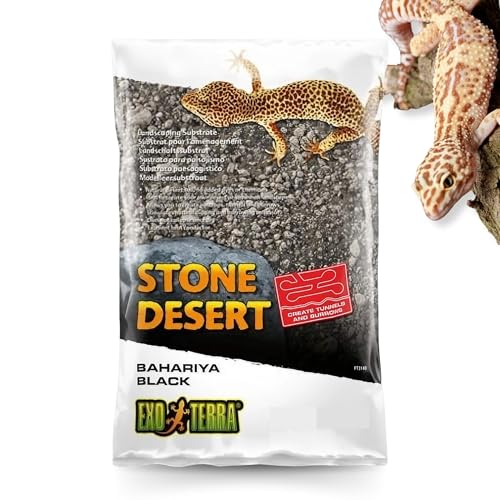


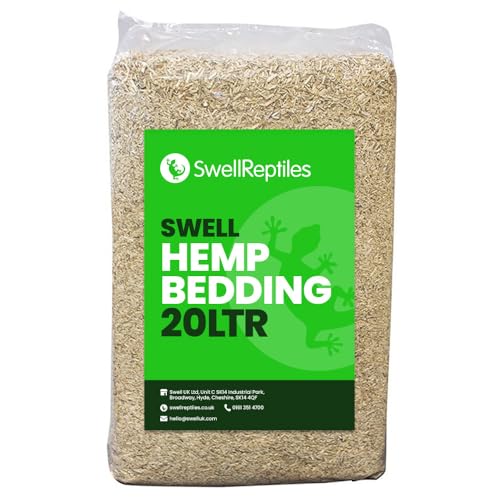


What Are Reptile Substrates?
Reptile substrates are materials placed on the floor of an enclosure to create a usable surface for the animal. They can help with comfort, cleanliness, traction, burrowing, humidity and natural style habitat design, depending on the product and setup.
Products in this category may include reptile sand, bark, wood chips, aspen, coconut fibre, soil mixes, moss, paper based bedding, reptile carpet, bioactive substrate, desert substrate and tropical substrate where listed.
Some substrates are intended for dry desert style setups, while others are better suited to humid, tropical or forest style enclosures. Because reptiles have very different needs, it is important to compare each product carefully before buying.
What Are Reptile Substrates Used For?
Reptile substrates are used to line the bottom of an enclosure and help support daily habitat care. They can provide a surface for walking, resting, digging, burrowing, egg laying behaviour where suitable, humidity support and easier waste management.
For desert reptiles, substrate choice may focus on dryness, traction and safe enclosure layout. For tropical or humid species, moisture holding ability and mould control become more important. For burrowing species, depth, texture and stability may matter more.
Substrate also affects cleaning. Some products are designed for spot cleaning, while others may need full replacement more often depending on the animal, enclosure and product guidance.
How To Choose The Right Reptile Substrate
Start with the species. A bearded dragon, leopard gecko, corn snake, royal python, tortoise, crested gecko, frog or skink may all need different substrate choices. Always check the care needs of the specific animal before buying.
Next, think about humidity. Dry habitat species usually need a different substrate from species that require higher humidity. A substrate that holds moisture well may be useful in some tropical setups, but unsuitable in a dry desert enclosure.
Consider feeding habits too. Some loose substrates may not suit animals that feed directly from the enclosure floor, especially if there is a risk of swallowing substrate. Feeding dishes, tongs or separate feeding routines may be needed where suitable.
Also consider cleaning and odour control wording where listed. A substrate should be practical to maintain as part of a regular enclosure care routine.
Key Features To Compare
When comparing reptile substrates, look at species suitability, material, texture, particle size, moisture retention, absorbency, dust level where listed, cleaning method, pack size and replacement guidance.
Material affects how the substrate behaves. Coconut fibre may hold moisture where listed, while aspen may suit some dry setups depending on the species. Bark and wood based products can vary in size, texture and humidity suitability. Sand style substrates should be chosen carefully and only where appropriate for the animal.
Particle size matters because reptiles may dig, lick, hunt or feed near the substrate. Fine, dusty or sharp materials may not suit every species. Always check product guidance and animal care advice before use.
Pack size is also worth checking. Larger enclosures may need more substrate, especially if a deeper layer is needed for digging or burrowing.
Reptile Substrates Compared With Liners Mats And Bioactive Setups
Loose substrates, liners, mats and bioactive substrates all serve different needs. Loose substrates can support digging, burrowing and natural style enclosure design where suitable, but they may require careful cleaning and species matching.
Reptile carpet or liners may be easier to remove and clean, depending on the product, but they may not offer the same digging or humidity support as loose substrate. They can also need regular washing and checking for wear.
Paper based options may be practical for simple setups, quarantine style use or easier monitoring where suitable, but they may not create a natural looking enclosure.
Bioactive substrates are designed for more complex natural style habitats where listed. They may involve soil mixes, clean up crews, live plants and careful moisture management. These setups need research and ongoing maintenance rather than simple decoration.
Guidance For New Regular And Experienced Reptile Keepers
New reptile keepers should choose substrate based on reliable species care guidance rather than appearance alone. A natural looking substrate is only useful if it is safe and suitable for the animal.
Regular keepers may want to compare cleaning ease, humidity performance, pack size and how the substrate works with hides, bowls, heat sources and enclosure layout.
Experienced keepers may choose more specific substrates for burrowing, bioactive enclosures, breeding setups, shedding support or carefully managed humidity zones where appropriate.
Whatever your experience level, substrate should be part of the full habitat plan, alongside heating, lighting, hides, water, ventilation and safe cleaning routines.
Use Cases By Reptile Type And Habitat Style
For snakes, substrate choice may depend on humidity, burrowing behaviour, cleaning needs and the species kept. Some snakes may benefit from substrates that support secure movement and hiding behaviour where suitable.
For leopard geckos and desert style reptiles, dry substrate suitability should be checked carefully. Loose substrate may not suit every animal or age, so species guidance is important.
For bearded dragons, substrate choice should be considered alongside age, feeding habits, enclosure hygiene and heat setup. If unsure, seek advice from a reptile vet or experienced reptile care professional.
For tortoises, substrate may need to support digging, walking and moisture balance depending on species. Avoid assuming one bedding type suits all tortoises.
For frogs, amphibians and humid terrariums, moisture retention, drainage, mould control and safe material choice are especially important.
For bioactive setups, substrate should work with plants, clean up crews, drainage layers and humidity management where suitable and listed.
Fit Compatibility And Enclosure Setup
Before buying reptile substrate, check the enclosure size and how deep the substrate needs to be. A shallow layer may be enough for some setups, while digging or burrowing species may need more depth where appropriate.
Substrate should work with the rest of the enclosure. Hides should sit securely, bowls should not tip easily and heat equipment should be used according to its instructions.
Do not place substrate in a way that blocks ventilation, thermostat probes, heat mats, drainage layers or safe access to food and water. The enclosure should still allow the animal to move between warm, cool, dry and humid areas where required.
If using under tank heating, check the heater and substrate guidance carefully. Some combinations may not be suitable, and thermostats should be used where required by the heating setup.
Humidity Temperature And Habitat Practicality
Substrate can affect humidity and temperature inside an enclosure. Moisture holding substrates may help support humidity where suitable, while dry substrates may be better for species that need lower moisture levels.
Humidity should be checked with suitable equipment, not guessed. A substrate that looks damp or dry may not accurately reflect the enclosure conditions.
Temperature gradients are also important. Substrate depth and material can affect how heat moves through the enclosure. Always follow heating equipment instructions and monitor conditions properly.
If condensation, mould, damp smells, excessive dryness or poor shedding appears, review the full setup, including substrate, ventilation, heating, water placement and humidity levels.
Safety Hygiene And Responsible Use
Reptile substrates should be chosen with animal safety in mind. Avoid sharp, dusty, mouldy, treated, scented or unsuitable materials unless the product is clearly designed for reptile use and suitable for the species.
Loose substrate may create risks for some animals, especially if swallowed during feeding or used inappropriately. Consider feeding methods, animal age, health, behaviour and professional guidance where needed.
Do not use garden soil, outdoor sand, bark, wood shavings or found materials unless they are known to be safe, correctly prepared and appropriate for reptile enclosures. Outdoor materials can carry chemicals, pests, mould or contaminants.
If your reptile shows appetite changes, swelling, weight loss, repeated constipation, unusual behaviour, shedding problems or signs of illness, seek advice from a qualified reptile vet.
Cleaning Maintenance And Replacement
Reptile substrate should be maintained according to the product instructions and the needs of the animal. Spot clean waste, shed skin and soiled areas regularly where suitable.
Some substrates need full replacement at regular intervals, while others may form part of a more managed bioactive system. Check product guidance rather than assuming all substrates are maintained in the same way.
Water bowls, feeding areas and hides should be checked because substrate can become wet, compacted or contaminated around them.
If substrate becomes mouldy, heavily soiled, smelly, infested, dusty, damp beyond suitability or difficult to clean, replace it promptly and review the enclosure conditions.
Storage And Handling
Store unused reptile substrate in a clean, dry place away from damp, pests and strong smells. Keep packaging sealed where possible so the substrate stays fresh before use.
Wash hands after handling substrate, cleaning enclosures or touching reptile waste. Use suitable cleaning tools and keep reptile care items separate from normal household kitchen items.
If a substrate is dusty when opened, follow the product guidance and avoid creating unnecessary airborne dust. Some products may need preparation, dampening or expansion where listed.
Keep substrate bags and small particles away from children and other pets when not in use.
Useful Accessories To Consider
Useful accessories can include reptile hides, water bowls, feeding dishes, thermometers, hygrometers, thermostats, heat guards, enclosure cleaning tools, feeding tongs, substrate scoops, vivarium décor and reptile safe disinfectants where suitable.
For humid setups, hygrometers, moss hides, drainage products and suitable décor may be worth comparing where appropriate. For dry setups, stable hides, basking platforms and easy clean bowls can help keep the enclosure practical.
For regular maintenance, spare substrate, cleaning tools and storage tubs can make enclosure care easier and more organised.
Why Buy Reptile Substrates From YPC?
At YPC, we understand active lifestyles and the need for practical products that work in real use. Reptile substrates can vary by species suitability, material, texture, moisture retention, absorbency, pack size, cleaning needs and enclosure compatibility, so comparing the details helps you choose with more confidence.
YPC helps you browse reptile habitat products with real care routines in mind, whether you are buying for snakes, geckos, bearded dragons, tortoises, frogs, tropical terrariums, desert vivariums or bioactive setups. Explore the Reptile Substrates category to browse the available options and compare the features that matter most for safe, practical habitat care.
FAQs
What are reptile substrates used for?
Reptile substrates are used as the floor covering inside reptile enclosures. They can support comfort, hygiene, humidity, digging, burrowing and natural style habitat design where suitable.
What reptile substrate should I choose?
Choose substrate based on the species, enclosure type, humidity needs, cleaning routine and safety guidance. A substrate that suits one reptile may not suit another, so check species care advice carefully.
Are loose substrates safe for reptiles?
Loose substrates can be suitable for some reptiles where used correctly, but they may not suit every species, age or feeding routine. Consider ingestion risk, hygiene and professional guidance where needed.
What substrate is suitable for humid reptile enclosures?
Humid setups may need substrates that hold moisture where suitable, such as certain fibre, soil or moss based products depending on the species and listing. Always monitor humidity with suitable equipment.
What substrate is suitable for desert reptiles?
Desert reptiles may need drier substrates where appropriate, but suitability depends on the species, age, feeding habits and enclosure setup. Do not choose by habitat name alone.
Can I use soil or sand from the garden?
It is not usually recommended to use garden soil or outdoor sand unless it is known to be safe, correctly prepared and suitable. Outdoor materials may contain chemicals, pests, mould or contaminants.
How often should reptile substrate be changed?
Replacement frequency depends on the substrate type, species, enclosure size and cleaning routine. Spot clean regularly and follow the product guidance for full replacement or maintenance.
Can reptile substrate affect humidity?
Yes, substrate can affect humidity. Some materials hold moisture, while others stay drier. Use a hygrometer to monitor conditions rather than guessing from appearance alone.
Can substrate affect heat in a vivarium?
Yes, substrate depth and material can affect heat transfer and temperature zones. Always follow heating equipment instructions and monitor temperatures with suitable equipment.
What substrate is best for burrowing reptiles?
Burrowing reptiles may need substrate that allows safe digging and holds shape where suitable. The correct choice depends on the species, humidity needs and enclosure design.
How should I store unused reptile substrate?
Store unused substrate sealed, dry and away from damp, pests and strong smells. Keep it out of reach of children and other pets when not in use.
When should reptile substrate be replaced immediately?
Replace substrate immediately if it becomes mouldy, heavily soiled, smelly, infested, contaminated, too wet for the species or difficult to clean safely.
 Getting ready for Summer? View our Home and Garden Products

Heading outdoors this winter? Take a look at our Outdoor Clothing.