
Reptile Vivariums and Tanks
Reptile vivariums and tanks are designed to provide secure, suitable housing for pet reptiles and amphibians where appropriate. They can be used for snakes, lizards, geckos, bearded dragons, tortoises, turtles and other species, depending on the enclosure type, size, ventilation and setup requirements listed.
The right reptile enclosure should match the animal’s species, size, behaviour, heating needs, lighting needs and humidity requirements. Size, material, access, ventilation, security, cleaning, equipment compatibility and long term suitability are all important details to compare before choosing.
- Reptile Vivariums and Tanks
Other Vivexotic Repti Home Vivarium Medium Oak 862x375x421mm, clear
£85.89 *View On Amazon* - Reptile Vivariums and Tanks
Reptile Growth Mini Reptile Terrarium,12" x 7"x 9" vivarium with Top Sliding Door Screen Ventilation for Small Fish,Insect,Snail,Gecko,Tarantula,Bearded Dragon,Jumping Spider,Stick Insect.
Original price was: £24.99.£22.99Current price is: £22.99. *View On Amazon* - Reptile Vivariums and Tanks
Exo Terra Glass Natural Terrarium, Nano/Tall,Black, 20 x 20 x 30 cm
Original price was: £56.52.£48.58Current price is: £48.58. *View On Amazon* - Reptile Vivariums and Tanks
TOYANDONA Portable Plastic Aquarium Tank with Handle and Lid Versatile Fish and Reptile Carrier for Safe Transport Durable Clear Storage for Turtles Goldfish and More
Original price was: £10.99.£9.99Current price is: £9.99. *View On Amazon* - Reptile Vivariums and Tanks
Komodo Nano Habitat with Secure Sliding Mesh Lid & Waterproof Raised Base Stackable for Hatchlings, Snakes & Amphibians
£32.85 *View On Amazon* - Reptile Vivariums and Tanks
Swell Premium PVC Vivarium for Reptiles | 110x50x50cm |
£219.99 *View On Amazon* - Reptile Vivariums and Tanks
Repti-Luxe Vivariums – Various sizes/colours by Repti-Life (24x15x15, Black)
Original price was: £76.99.£72.99Current price is: £72.99. *View On Amazon* - Reptile Vivariums and Tanks
48x18x18 Inch Vivarium Flatpacked In Black, 4ft Viv By Repti-life
Original price was: £147.99.£141.99Current price is: £141.99. *View On Amazon* - Reptile Vivariums and Tanks
24x15x15 Inch Vivarium Flatpacked In White, 2ft Viv By Repti-life
Original price was: £74.99.£70.99Current price is: £70.99. *View On Amazon* - Reptile Vivariums and Tanks
Yardwe Portable Fish Tank Set 4Pcs Handheld Transparent Turtle Box Small Aquarium Breeding Case with Handle for Fish and Pets
£13.99 *View On Amazon* - Reptile Vivariums and Tanks
Komodo Brown Rock Den Safe Reptile Hideout Basking Habitat Terrarium, Vivarium & Aquarium Natural Looking Cave Décor – Large
£20.99 *View On Amazon* - Reptile Vivariums and Tanks
Phailozoo Stackable Vivarium, with Lightweight Aluminium Frame & Front Opening Glass Doors (Ultimate Black, 50 Gallon)
£239.99 *View On Amazon* - Reptile Vivariums and Tanks
Exo Terra Cricket Pen, Small
Original price was: £14.99.£10.99Current price is: £10.99. *View On Amazon*


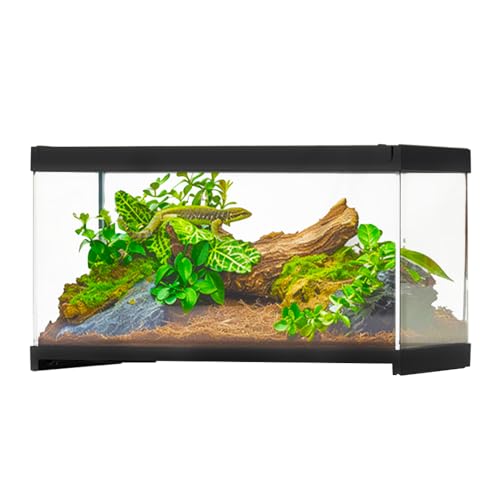


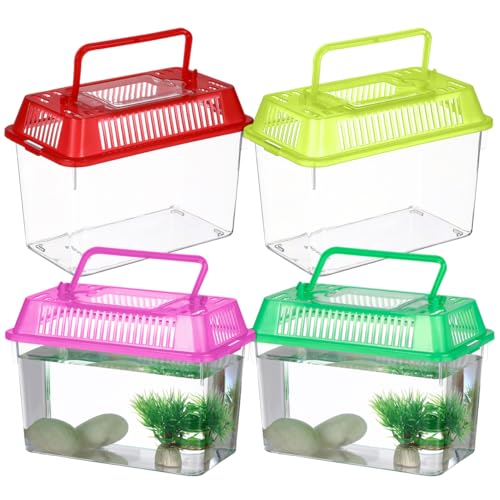


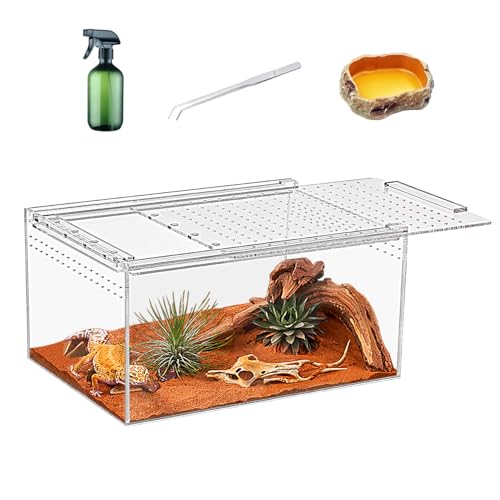


What Are Reptile Vivariums and Tanks?
Reptile vivariums and tanks are enclosures designed to house reptiles in a controlled environment. They help create a dedicated space for heat, lighting, substrate, hides, climbing areas, feeding, water and general daily care.
Products in this category may include wooden vivariums, glass terrariums, reptile tanks, starter enclosures, snake tanks, lizard vivariums, tortoise housing, turtle tanks, stackable vivariums and related reptile housing products where listed.
A vivarium is usually associated with a land based reptile setup, while a tank may be used for glass reptile housing or aquatic and semi aquatic species where suitable. The wording can vary by product, so always check the actual design and suitability rather than relying on the name alone.
What Are Reptile Vivariums and Tanks Used For?
Reptile vivariums and tanks are used to create a safe and manageable living environment for reptiles. They help owners control temperature, lighting, humidity, security and enclosure layout, depending on the needs of the animal.
A suitable vivarium can support natural behaviours such as basking, hiding, climbing, burrowing, exploring and resting where the setup allows. A tank may be used for reptiles that need glass sided housing, water areas or higher visibility, depending on the species and product.
The enclosure is one of the most important parts of reptile care. It should be chosen around the animal’s welfare, not just the space available in the home.
How To Choose The Right Reptile Vivarium Or Tank
Start with the reptile species. A corn snake, leopard gecko, bearded dragon, tortoise, crested gecko or turtle may all need very different housing. Size, heat, humidity, lighting, substrate and security requirements can vary widely.
Next, think about adult size. Many reptiles are bought young but grow into much larger animals. A small starter enclosure may be useful for some young reptiles where suitable, but long term housing should be planned before buying.
Ventilation is important. Some species need drier, well ventilated environments, while others need higher humidity where suitable. The enclosure should allow the right balance of airflow and environmental control.
Access also matters. Front opening doors can make feeding, cleaning and handling easier. Top opening tanks may be suitable for some setups, but they can be less convenient for certain reptiles and may make overhead equipment placement harder depending on the design.
Key Features To Compare
When comparing reptile vivariums and tanks, look at size, material, ventilation, door style, locking system, heat equipment compatibility, lighting access, cable management, base strength, waterproofing where listed and ease of cleaning.
Material affects performance. Wooden vivariums can help hold warmth and may suit some dry or warm species where suitable. Glass tanks or terrariums can offer clear viewing and may suit some humid or display setups, depending on ventilation and heating arrangements.
Security is essential. Snakes, geckos and many other reptiles can be excellent escape artists. Doors, vents, lids and cable openings should close securely and be suitable for the species.
Cleaning access should be practical. A vivarium that is difficult to clean may make routine care harder. Removable trays, wide doors, wipeable surfaces and easy access to corners can all be useful where listed.
Vivariums Compared With Tanks Terrariums And Tortoise Tables
Vivariums, tanks, terrariums and tortoise tables all provide housing, but they suit different animals and setups.
A vivarium is often a solid sided enclosure designed for controlled heating, lighting and land based reptile care. It may be useful for snakes, lizards and other reptiles depending on the species.
A glass tank or terrarium can provide excellent visibility and may suit humid setups or species that benefit from clear viewing and plant based environments where suitable. It must still offer correct ventilation, heat and security.
A tortoise table is usually more open and may be used for certain tortoise species where suitable. It may not hold heat or humidity in the same way as an enclosed vivarium, so setup and room conditions matter.
Aquatic turtle tanks need water depth, filtration, basking areas, lighting and heating where suitable. They should not be treated like a dry vivarium setup.
Guidance For Beginner Regular And Experienced Reptile Keepers
Beginners should research the species before buying any enclosure. The enclosure should be suitable for the reptile’s adult size, heating needs, lighting needs and behaviour. A simple, secure and easy to clean setup is often the best starting point.
Regular reptile keepers may want to compare ventilation, cable access, stacking options, door security, internal layout and maintenance practicality more closely. Small design details can make daily care much easier.
Experienced keepers may prefer more specific setups for bioactive enclosures, breeding projects, arboreal species, high humidity species or larger reptiles. These setups need careful planning and product compatibility.
Whatever your experience level, the enclosure should support proper husbandry. Heating, lighting, humidity, diet and routine care all work together.
Use Cases By Reptile Type
For snakes, secure doors, suitable ventilation, correct size and escape prevention are especially important. Hides, heat gradients and safe access for maintenance should all be considered.
For bearded dragons and other basking lizards, space, heat lamp compatibility, UVB lighting access and ventilation are key details. The enclosure should allow a proper temperature gradient where suitable.
For geckos, enclosure shape and climbing space may matter depending on the species. Arboreal geckos may need taller setups, while ground dwelling geckos may need more floor area and suitable hides.
For tortoises, housing needs vary by species. Some may need open table style setups, outdoor access where suitable, UVB lighting, heat and a substrate that supports their care requirements.
For turtles and semi aquatic reptiles, a tank may need water space, filtration, basking platforms, heating and lighting where listed. A standard dry vivarium is not suitable for aquatic housing.
For amphibians where appropriate, humidity, ventilation and safe materials become especially important. Always check species specific guidance before choosing housing.
Fit Compatibility And Setup Practicality
Before buying, check the enclosure dimensions carefully. Think about floor space, height, door access, equipment placement and where the enclosure will sit in the home.
The enclosure should be large enough for the reptile’s needs and allow proper layout. This may include warm and cool areas, hides, branches, basking spots, water dishes, feeding areas and open movement space depending on the species.
Equipment compatibility matters. Heat lamps, ceramic heaters, heat mats, thermostats, UVB lights, thermometers, hygrometers, guards and cable ports should all be considered before choosing an enclosure.
Do not assume every tank or vivarium can safely support every heat source. Heat equipment should always be fitted according to product instructions and used with suitable controls where required.
If the enclosure will be placed on furniture or a stand, check weight, stability and support. Tanks with water, substrate and décor can become heavy, so the surface underneath must be suitable.
Heating Lighting Humidity And Ventilation
Heating and lighting are central to reptile care. Many reptiles need a heat gradient so they can move between warmer and cooler areas. This requires careful equipment placement, temperature monitoring and suitable controls.
UVB lighting may be important for some reptiles, especially species with basking and vitamin D related needs where suitable. The type, strength, placement and replacement routine should match the species and product guidance.
Humidity also varies by species. Some reptiles need dry conditions, while others need more humid environments. Ventilation, substrate, water bowls, misting and enclosure material can all affect humidity.
Thermometers and hygrometers are useful because they help owners check conditions rather than guess. A thermostat may be needed for heat equipment where suitable. Always follow the guidance for the animal and the equipment being used.
Safety Care Maintenance And Cleaning
Reptile vivariums and tanks should be checked regularly for damage, loose fittings, sharp edges, damaged mesh, broken locks, cracked glass, swelling wood or gaps where an animal could escape.
Keep electrical equipment safe, secure and suitable for reptile use. Cables should be routed carefully and protected from heat, moisture and chewing where relevant. Do not use damaged plugs, cables, lamps or heaters.
Clean the enclosure according to the product guidance and the species care routine. Waste, old food, shed skin and damp substrate should be managed properly to help maintain a suitable environment.
Use reptile safe cleaning methods and avoid harsh fumes around animals. Make sure cleaned areas are dry and safe before the reptile is returned where applicable.
If your reptile stops eating, becomes lethargic, shows breathing problems, abnormal shedding, weight loss, swelling or unusual behaviour, check the enclosure conditions and seek advice from a reptile vet or suitable reptile care specialist.
Useful Accessories To Consider
Useful accessories can include thermostats, heat lamps, ceramic heaters, UVB lighting, thermometers, hygrometers, hides, water bowls, feeding dishes, substrates, branches, plants, décor, reptile locks and cleaning tools where suitable.
For desert style setups, basking areas, suitable substrate and UVB lighting may be important depending on the species. For tropical setups, humidity control, ventilation and plant safe décor may matter more.
For snakes and shy reptiles, hides and secure enclosure locks can be especially useful. For climbing reptiles, branches, vines, shelves or tall enclosure designs may be worth comparing where suitable.
For aquatic and semi aquatic reptiles, filters, basking platforms, water heaters and water test kits may also be needed depending on the species.
Why Buy Reptile Vivariums and Tanks From YPC?
At YPC, we understand active lifestyles and the need for practical products that work in real use. Reptile vivariums and tanks can vary by size, material, ventilation, access, security, heating compatibility and species suitability, so comparing the details helps you choose with more confidence.
YPC helps you browse reptile housing with real pet care needs in mind, whether you are buying for snakes, lizards, geckos, tortoises, turtles, starter setups or more established reptile keeping. Explore the Reptile Vivariums and Tanks category to browse the available options and compare the features that matter most for your reptile and setup.
FAQs
What is the difference between a vivarium and a tank?
A vivarium is usually used for land based reptile housing, while a tank often refers to glass enclosures or aquatic style setups. Product wording varies, so check the design, ventilation and species suitability before buying.
What size vivarium does my reptile need?
The right size depends on the reptile species, adult size, activity level and housing needs. Always check species specific care guidance and the product dimensions before choosing.
Are glass tanks suitable for reptiles?
Glass tanks can be suitable for some reptiles where the size, ventilation, heating and security are appropriate. They are not suitable for every species or setup, so compare the product details carefully.
Do reptile vivariums need ventilation?
Yes, ventilation is important for airflow, humidity control and overall enclosure conditions. The amount and style of ventilation needed depends on the species and setup.
Can I use a fish tank as a reptile tank?
A fish tank may be suitable for some reptile setups only if it offers safe access, ventilation, heating compatibility and secure containment. Many fish tanks are not ideal for land based reptiles without careful setup.
What equipment do I need for a reptile vivarium?
Equipment may include heating, lighting, thermostat, thermometer, hygrometer, substrate, hides, water bowl and décor, depending on the species. Always choose equipment based on the reptile’s care needs.
Are wooden vivariums better than glass vivariums?
Neither is automatically better. Wooden vivariums may help retain warmth where suitable, while glass vivariums can offer clear viewing and may suit some humid or display setups. The right choice depends on the reptile and environment.
How do I clean a reptile vivarium or tank?
Remove waste, clean surfaces using suitable reptile safe methods and follow the enclosure care guidance. Let cleaned areas dry properly and check heating, lighting and security before returning the animal where applicable.
 Getting ready for Summer? View our Home and Garden Products

Heading outdoors this winter? Take a look at our Outdoor Clothing.