
Small Pet Supplies
Small pet supplies help owners provide suitable feeding, housing, hygiene, enrichment and everyday care for rabbits, guinea pigs, hamsters, gerbils, rats, mice, ferrets, chinchillas and other small animals. The right products depend on the species, age, size, behaviour and living environment of the pet.
This category may include food, hay, treats, bedding, litter, bowls, water bottles, hutches, cages, carriers, toys, tunnels, hideaways, grooming items and cleaning products, depending on the products listed. Comparing suitability and compatibility is important because an item made for one small pet may not be appropriate for another.
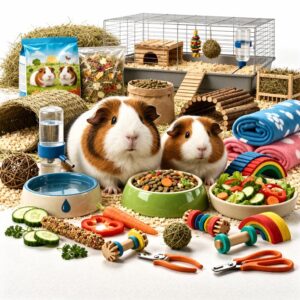
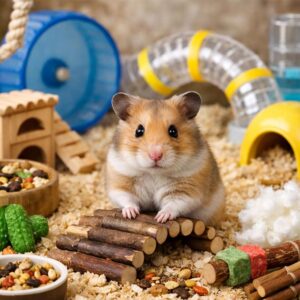

What Are Small Pet Supplies?
Small pet supplies are products used to support the daily care of smaller companion animals. They cover the essentials needed to create a comfortable living space, provide food and water, keep the habitat clean and give pets suitable opportunities to explore, rest and play.
Some supplies are everyday consumables, such as food, hay, bedding and litter. Others are longer lasting products, including habitats, feeding accessories, carriers, exercise equipment, grooming tools and storage items.
The term small pet covers several very different species. A rabbit has different housing, feeding and enrichment needs from a hamster, rat or chinchilla, so always read the product description and check species suitability before buying.
What Are Small Pet Supplies Used For?
Small pet supplies are used to create and maintain a practical care routine. Food and feeding accessories help owners organise meals, hay and water. Bedding, litter and cleaning products help manage hygiene and keep living areas more comfortable.
Housing products provide a secure place for pets to sleep, rest and spend time when they are not being supervised. Toys, tunnels, platforms, hideaways and exercise accessories can provide stimulation and encourage natural behaviours where suitable.
Carriers make veterinary visits, house moves and other necessary journeys easier to manage. Grooming products can also support coat, nail and general care where appropriate for the species.
How To Choose The Right Small Pet Supplies
Start with the exact species you are buying for. Avoid assuming that all products labelled for small animals are interchangeable. Food, treats, bedding, toys and habitat accessories should be suitable for the particular pet and its life stage.
Next, consider the pet’s size and behaviour. A product that suits a young hamster may not be large or robust enough for a rabbit, guinea pig or ferret. Check listed dimensions, materials, weight guidance and compatibility before choosing.
Think about the full care routine rather than buying each item separately. A habitat needs to work with bedding, feeding bowls, water containers, hideaways and cleaning access. A carrier needs to be large enough for the pet while still being secure and practical to move.
Ease of cleaning matters as well. Products that can be accessed, emptied and cleaned without difficulty are often easier to use consistently. Always follow the care instructions listed for the product.
Key Features To Compare
When comparing small pet supplies, look at species suitability, product size, materials, durability, ventilation, ease of cleaning, fastening security and intended use. These details can affect both safety and day to day practicality.
For habitats and carriers, compare access points, door closures, ventilation and internal space. Check whether the product is designed for temporary travel, indoor housing, outdoor housing or supervised exercise, as these are different uses.
For bowls and bottles, consider capacity, stability, fitting method and cleaning access. A bowl that is too light may be moved or tipped by some pets, while a bottle must attach securely and sit at a suitable height where compatible.
For toys and exercise products, check material, size and construction. The item should be appropriate for the species and large enough to use without creating avoidable trapping or chewing risks.
Food Hay Treats And Feeding Accessories
Small pet diets vary considerably by species, age and individual needs. Choose food that is clearly labelled for the animal you own, and follow the feeding information provided with the product. Do not use one species’ food simply because the ingredients or packaging appear similar.
Hay may be an important part of the routine for some small pets, depending on the species. Hay racks, feeders and storage solutions can help keep it organised and reduce contact with damp or dirty areas where suitable.
Treats should be selected with the same care as main food. Check species suitability, serving guidance and ingredients where listed. Treats should not replace an appropriate everyday diet.
Feeding accessories can include bowls, hay racks, scoops, storage tubs and treat toys. Choose products that are easy to clean and suitable for the animal’s feeding style.
Water Bottles Compared With Water Bowls
Water bottles attach to a cage, pen or habitat where compatible. They can help keep water raised above bedding, but the spout and fitting need to work properly. Check bottles regularly to make sure water is available and the mechanism has not become blocked or loose.
Water bowls can provide open access and may suit some pets or setups. However, they can be tipped, filled with bedding or contaminated more easily depending on the animal and bowl design.
Neither option is automatically right for every small pet. Some owners may use a bottle, a bowl or both, depending on the species and professional care guidance. Whichever option you choose, provide fresh water and clean the container regularly.
Bedding Litter And Habitat Materials
Bedding and litter help manage comfort, moisture and habitat cleanliness, but not every material suits every animal. Check that the product is intended for the species and use shown in the listing.
Consider absorbency, dust level where stated, pack size, storage needs and ease of changing. A larger pack may be practical for regular use, but only if it can be stored somewhere clean and dry.
Bedding used for sleeping or nesting may have a different purpose from litter used in toilet areas. Some owners use more than one material within a habitat, depending on the animal and setup.
Avoid using damp, heavily soiled or damaged material. Clean the habitat as needed and follow suitable care guidance for the species rather than relying on one fixed routine for every pet.
Housing Hideaways And Exercise Spaces
Small pet housing should suit the animal’s size, movement and natural behaviour. A habitat should provide secure boundaries, suitable ventilation and enough practical space for food, water, resting areas and appropriate enrichment.
Some pets need floor space for running and exploring, while others may use platforms, climbing accessories, tunnels or digging areas where suitable. Choose the setup around the species rather than selecting a cage or hutch only because it fits the room.
Hideaways give small pets a place to rest or move away from activity. Check entrances, internal size, materials and stability. Pets should be able to enter and leave comfortably without becoming trapped.
Exercise pens and play areas can provide additional space outside the main habitat where suitable. They should be placed in a secure area and used with appropriate supervision, especially when other pets, children, cables or household hazards are nearby.
Small Pet Toys And Enrichment
Enrichment products can include chew toys, tunnels, digging accessories, activity feeders, climbing items, hideaways and exercise toys. The right choice depends on what is suitable for the species and how the individual animal normally behaves.
Hamsters, gerbils, mice and rats may use tunnels, nesting products and climbing accessories where appropriate. Rabbits and guinea pigs may benefit from suitable hideaways, chew items, foraging products and larger exercise spaces. Ferrets and chinchillas have their own activity and material requirements, so check each listing carefully.
Exercise wheels should be chosen according to species, size and product guidance. The animal should be able to use the wheel comfortably, and the design should be suitable for its body and movement.
Inspect toys regularly. Remove products that have become sharp, badly chewed, unstable or otherwise unsafe. A toy that was suitable when new may need replacing after repeated use.
Guidance For First Time Regular And Experienced Owners
First time small pet owners should begin with the essentials. This normally includes suitable housing, species appropriate food, water equipment, bedding or litter, a secure hideaway, cleaning supplies and safe enrichment products.
Regular owners may want to improve organisation and make repeated care easier. Spare bowls, water bottles, food storage containers, bedding supplies, carriers and cleaning tools can help keep routines running smoothly.
More experienced owners may create different areas for feeding, resting, exercise and enrichment. They may also rotate suitable toys or adjust the habitat as the pet grows and its behaviour changes.
Experience does not remove the need to check product information. New foods, bedding, accessories and habitat items should still be assessed for compatibility before use.
Choosing Supplies For Different Small Pets
For rabbits, consider suitable housing space, hay storage, stable feeding accessories, litter areas, chew products, hideaways and exercise arrangements. Check that products are large and strong enough for the rabbit using them.
For guinea pigs, look for accessible feeding equipment, suitable hay products, secure hideaways and enough floor space for movement. Products with steep climbing sections may not suit every guinea pig setup.
For hamsters and gerbils, habitat security, nesting materials, tunnels, digging opportunities and suitable exercise products can be important. Check gaps, openings and fittings carefully because smaller animals may escape through spaces that appear secure.
For rats and mice, consider secure habitats, climbing opportunities, hideaways, nesting products and enrichment. Any shelves, hammocks or hanging accessories should be compatible with the habitat and checked regularly for wear.
For ferrets and chinchillas, choose products specifically described as suitable for the species. Their housing, feeding, exercise and material needs can differ from those of smaller rodents.
Fit Size And Compatibility
Check measurements where listed before buying habitats, carriers, beds, bowls, litter trays, wheels, tunnels or hideaways. Product names such as small, medium or large do not always mean the same thing across different ranges.
Cage accessories should attach securely without creating sharp edges, unstable sections or gaps where a pet could become caught. Bottles, platforms, ramps and hanging toys should be fitted according to the product instructions.
For carriers, the pet should have enough room to sit and reposition comfortably, but the carrier should still feel secure during transport. Check ventilation, door fastenings and carrying handles before every journey.
If you are replacing an accessory, compare it with the existing habitat. Not every shelf, ramp, bottle holder, door fitting or cover is compatible with every cage or hutch.
Safety Cleaning Maintenance And Storage
Inspect small pet products regularly for cracks, sharp edges, loose fittings, frayed fabric and heavy chewing. Remove or replace damaged items if they could create a risk.
Keep feeding and water equipment clean. Food residue, damp bedding and dirty water containers can quickly make a habitat less pleasant. Follow product care guidance and use cleaning products that are suitable for the intended animal environment.
Store food, hay, treats and bedding in clean, dry places. Close opened packaging securely and follow any storage instructions on the label. Keep supplies away from damp, pests and strong household chemicals.
Small pets should be supervised where appropriate when using new play equipment, exercise pens or unfamiliar toys. Keep habitats away from hazards such as exposed cables, unsuitable plants, direct heat and other animals that may cause stress or injury.
Small pet supplies support everyday care, but they do not replace veterinary advice. Seek appropriate professional help if you are concerned about your pet’s eating, drinking, movement, behaviour or general condition.
Useful Accessories To Consider
Useful accessories can include pet carriers, food storage containers, hay racks, litter trays, grooming brushes, nail care products, cleaning tools, habitat covers, exercise pens and storage organisers where suitable.
A dedicated scoop and sealed storage container can make food and bedding easier to manage. Spare bowls or bottles may also be useful if an everyday item needs cleaning or replacement.
For travel, consider a compatible carrier, absorbent lining, suitable water arrangements and a secure way to transport any essential food. Keep journeys calm and follow appropriate advice for the animal and journey length.
For habitat organisation, storage boxes can help keep unopened bedding, food, cleaning items and spare accessories together while keeping them separate from household products.
Why Buy Small Pet Supplies From YPC?
At YPC, we understand active lifestyles and the need for practical products that work in real use. Small pet supplies can vary by species suitability, size, material, purpose, compatibility and care requirements, so comparing the details helps you choose with more confidence.
YPC helps you browse small animal products with real pet care routines in mind, whether you are preparing for a new arrival, replacing everyday essentials or improving an existing habitat. Explore the Small Pet Supplies category to browse the available options and compare the products that suit your pet, home and care routine.
FAQs
What supplies do I need for a new small pet?
The essentials normally include suitable housing, species appropriate food, a water bottle or bowl, bedding or litter, a secure hideaway, cleaning supplies and appropriate enrichment. The exact setup depends on the animal, so check reliable species specific care guidance before bringing the pet home.
Can rabbits hamsters and guinea pigs use the same supplies?
Some general products may suit more than one species where stated, but many foods, treats, habitats, toys and accessories are species specific. Always check the product description rather than assuming that all small pet supplies are interchangeable.
How do I choose suitable small pet bedding?
Choose bedding that is clearly described as suitable for your pet and intended use. Compare material, absorbency, dust information where listed, pack size and storage needs. Avoid using damp, damaged or heavily soiled bedding.
Is a water bowl or water bottle better for small pets?
The right option depends on the species, habitat and individual animal. Bottles can keep water raised above bedding, while bowls offer open access but may be tipped or contaminated. Check both options regularly and make sure fresh water is always available.
How often should I clean a small pet habitat?
Cleaning frequency depends on the species, number of pets, habitat size, bedding and toilet habits. Remove wet or heavily soiled areas promptly, clean feeding equipment regularly and carry out fuller cleaning as needed using suitable methods and products.
What toys are suitable for small pets?
Suitable toys may include chew products, tunnels, hideaways, foraging toys, climbing accessories and exercise equipment, depending on the species. Check size, material and construction, and remove toys if they become damaged or unsafe.
How do I choose a small pet carrier?
Choose a carrier that is suitable for the species and large enough for the pet to sit and reposition comfortably. Check ventilation, door security, carrying handles and ease of cleaning. Make sure the carrier closes properly before every journey.
How should small pet food bedding and hay be stored?
Store supplies in a clean, cool and dry place, following the instructions on the packaging. Keep opened products securely closed and away from damp, pests, direct heat and household chemicals.
 Getting ready for Summer? View our Home and Garden Products

Heading outdoors this winter? Take a look at our Outdoor Clothing.