
Kids' Halloween Costumes
Kids’ Halloween costumes are themed outfits designed for trick or treating, school events, parties, family celebrations and imaginative play. They can include witches, vampires, skeletons, ghosts, superheroes, animals, monsters, fairies and other characters, depending on the products listed.
The right costume depends on the child’s age, size, comfort, visibility and the type of event. Comparing fit, material, included accessories, fastening, warmth and safety details can help you choose a costume that looks fun and feels practical to wear.
- Kids' Halloween Costumes
(PKT) (9911948) Child Girls Little Devil (2-3yr), Red
£9.77 *View On Amazon* - Kids' Halloween Costumes
Forlcool Rumi Costume for Kids Girls Pop Singers Dress Up Hunter Halloween Outfits 3PCS Set (Yellow,9-10 Years)
Original price was: £30.99.£27.99Current price is: £27.99. *View On Amazon* - Kids' Halloween Costumes
Halloween Cosplay Costume Kids Girls Witch Dresses with Hat, Bag and Magic Wand 4 Piece Set, Witch Dress Up Outfit for Girls, Kids Fancy Dress for Carnival Party Halloween Cosplay
Original price was: £8.99.£8.09Current price is: £8.09. *View On Amazon* - Kids' Halloween Costumes
Tangsenyu Girls Rumi Costume Hunters for Kids Pop Singers Outfit Halloween Dress Up 3PCS Set
Original price was: £35.99.£28.49Current price is: £28.49. *View On Amazon* - Kids' Halloween Costumes
Rubies Official Disney Star Wars Darth Vader Classic Child Costume, Kids Fancy Dress, 7-8 Years Halloween
£25.00 *View On Amazon* - Kids' Halloween Costumes
Rubies Marvel Spider-Man Classic Child Costume, Blue-Red,M (5-6 years / 116cms) Halloween
Original price was: £26.99.£21.13Current price is: £21.13. *View On Amazon* - Kids' Halloween Costumes
amscan 997531 Childs Little Devil Halloween Fancy Dress Costume Age 3-4 Years
£14.14 *View On Amazon* - Kids' Halloween Costumes
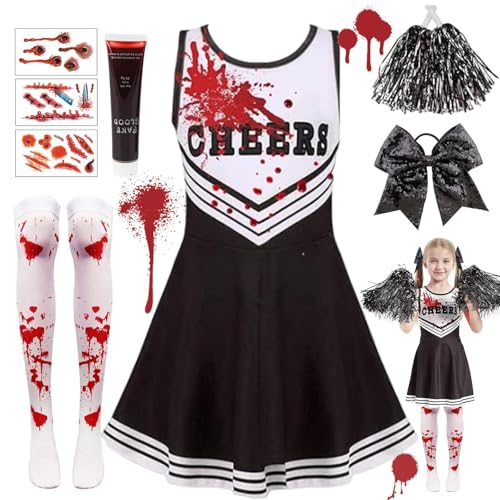
amscan 9902692 Childs Zombie Cheerleader Fancy Dress Halloween Costume High School Outfit (9-10 Years)
£7.99 *View On Amazon* - Kids' Halloween Costumes
Forever Young Boys Classic Vampire Costume with Cape Halloween Fancy Dress (5-6 years)
£9.99 *View On Amazon* - Kids' Halloween Costumes
Rubies Official 'Five Nights At Freddy's' Kids Foxy Costume, Kids Fancy Dress Halloween, Size Age 9-12 Years
£21.70 *View On Amazon* - Kids' Halloween Costumes
Rubies Official Harry Potter Gryffindor Classic Robe Costume, Childs Size Age 11-12 Years, Multicolour Halloween
£12.91 *View On Amazon* - Kids' Halloween Costumes
Rubies 641276M Sonic The Hedgehog Jumpsuit Kids Costume, Boys, Girls, Multicolour, 6-8 Years Halloween
£17.99 *View On Amazon*
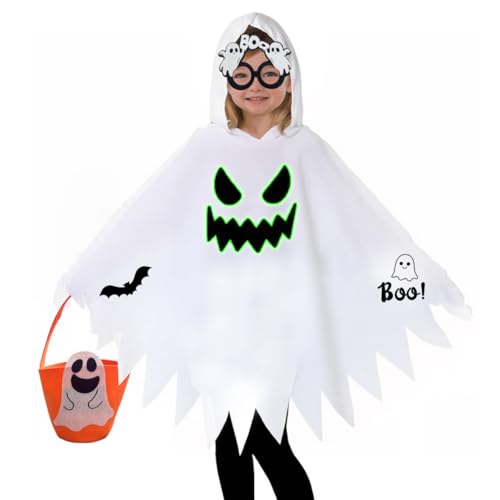


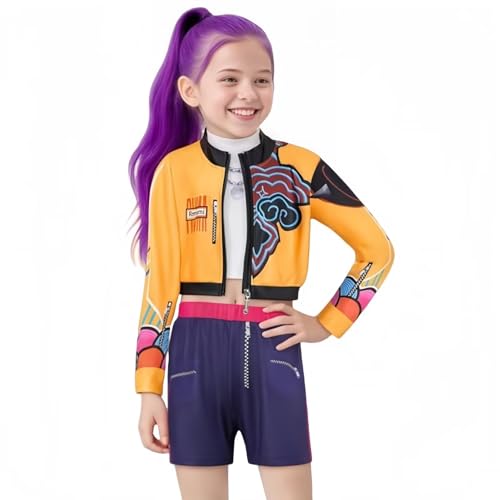


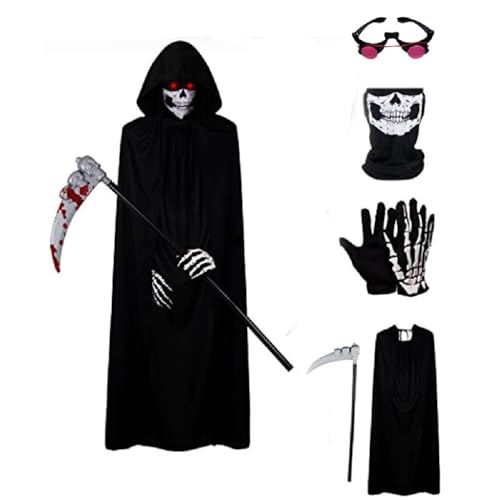

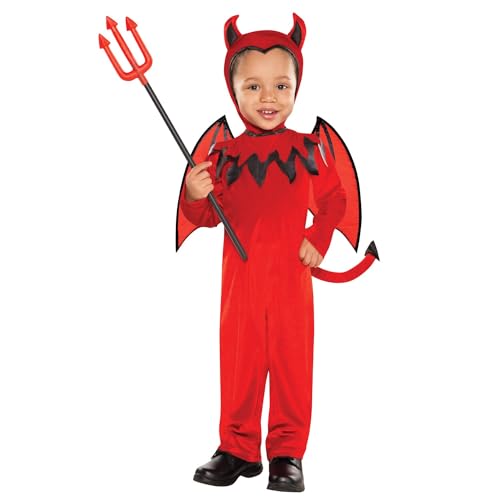




What Are Kids’ Halloween Costumes?
Kids’ Halloween costumes are fancy dress outfits created for children to wear during Halloween activities and themed events. Some are full outfits, while others include only a dress, jumpsuit, cape, robe, mask or accessory set.
Products may include classic spooky characters, fantasy designs, animal costumes, film inspired looks, storybook characters and novelty outfits where listed.
Because product images may show accessories that are not included, always check the listing carefully to see exactly what comes with the costume.
What Are Kids’ Halloween Costumes Used For?
Kids’ Halloween costumes are used for trick or treating, school discos, fancy dress days, parties, family events, performances and seasonal photographs.
A full costume can create a complete character look, while simpler outfits may be easier for younger children to wear for longer periods.
Some costumes may also be used for imaginative play after Halloween, especially where the design is based on animals, fantasy characters or well known roles.
How To Choose The Right Kids’ Halloween Costume
Start with the child’s age and measurements. Costume sizing can vary between brands, so compare height, chest, waist and inside leg where listed.
Next, think about comfort. The child should be able to walk, sit, use the toilet and move their arms easily. Avoid choosing a costume that is too tight, too long or difficult to remove.
Consider the weather and location. A lightweight costume may be fine for an indoor party, while outdoor trick or treating may require warm layers underneath.
Check whether the costume includes a mask, hat, cape, gloves, prop or other accessories. Some items shown in photographs may be sold separately.
Key Features To Compare
When comparing kids’ Halloween costumes, look at size, fabric, fastening, length, included pieces, wash care, age suitability and whether the outfit can be layered.
For masks, check visibility, ventilation and fit. For capes, robes and dresses, make sure the hem does not trail on the ground.
Fastenings should be secure but easy for an adult to manage. Elastic, hook and loop closures, zips and ties all provide different levels of adjustability.
Also check whether the fabric is soft enough for prolonged wear and whether any decorations could scratch, detach or catch on other objects.
Kids’ Halloween Costumes Compared With Costume Accessories
A full costume provides a more complete character look, while costume accessories can be combined with clothing already at home.
Full outfits can save time when creating a recognisable costume, but they require more careful sizing and may be harder to layer for cold weather.
Accessories such as hats, capes, wigs and masks can be more flexible and easier to reuse. However, they may not create as strong a character look on their own.
The right option depends on budget, comfort, available clothing and how detailed the costume needs to be.
Guidance For Toddlers Younger Children And Older Kids
For toddlers, choose soft, lightweight costumes with simple fastenings and no small detachable parts. Avoid masks that cover the face or reduce visibility.
For younger children, focus on comfort, warmth and easy movement. Costumes should not drag on the floor or include props that are difficult to carry.
Older children may prefer more detailed costumes, character accessories and stronger themes. Fit, visibility and safety still matter, especially when outdoors after dark.
Gift buyers should check both the child’s size and current interests before choosing a costume.
Use Cases By Costume Type
For witch costumes, dresses, hats, capes and striped accessories can create a classic Halloween look where listed.
For skeleton costumes, printed jumpsuits, masks, gloves and face paint may be included or sold separately depending on the product.
For vampire costumes, capes, collars, waistcoats and decorative medallions can help complete the outfit.
For animal costumes, ears, tails, onesies and hooded designs may be comfortable for younger children.
For superhero or fantasy costumes, check whether capes, masks, belts and other character details are included.
For simple costumes, themed pyjamas, leggings, tops and accessories can provide an easier alternative to a full outfit.
Sizing Fit And Layering
Always use the size chart where available. Age labels alone may not reflect the child’s actual height or build.
Measure the child over any clothes they may wear underneath. This is especially important if the costume will be used outdoors in cooler weather.
The costume should allow free movement at the shoulders, waist, knees and ankles. Check that sleeves and trouser legs are not too long.
Avoid choosing a much larger size for future use if the extra fabric could create a trip or snagging hazard.
Try the full costume on before the event, including shoes and accessories, so any problems can be identified early.
Visibility Safety And Practical Wear
Children should be able to see clearly in all directions. Avoid masks, hoods or hats that slip over the eyes or restrict breathing.
For outdoor trick or treating, add reflective bands, lights or bright accessories where suitable. Dark costumes can be difficult for drivers and cyclists to see.
Keep costumes away from candles, fires, heaters, fireworks and other sources of heat. Many fancy dress fabrics can melt, ignite or be damaged by flame.
Avoid long cords, trailing capes and oversized props that may catch on doors, fences or other people.
Supervise younger children and check the costume regularly during wear.
Care Maintenance And Storage
Follow the care instructions supplied with the costume. Some outfits may be hand wash only or suitable only for gentle cleaning.
Remove batteries, lights and detachable accessories before washing where appropriate.
Allow the costume to dry fully before storage. Store masks, hats and shaped accessories where they will not be crushed.
Check seams, fastenings and decorations before reuse. Repair or remove any loose parts that could become unsafe.
Store the costume in a clean, dry bag or box so it is easier to use again for parties, school events or imaginative play.
Useful Accessories To Consider
Useful accessories can include face paint, makeup, hats, capes, wigs, gloves, masks, treat bags, warm layers and reflective items where suitable.
Comfortable footwear is particularly important for trick or treating and longer events.
A small repair kit with safety pins, tape and spare fastenings can be useful for last minute costume problems.
For outdoor use, a coat that fits over the costume or thermal layers underneath may help keep children warm.
Why Buy Kids’ Halloween Costumes From YPC?
At YPC, we understand active lifestyles and the need for practical products that work in real use. Kids’ Halloween costumes can vary by size, fit, material, included pieces, visibility, warmth and care needs, so comparing the details helps you choose with more confidence.
YPC helps you browse children’s Halloween outfits with real parties, school events and trick or treating in mind. Explore the Kids’ Halloween Costumes category to compare the available styles and find a costume that suits the child’s age, character choice and comfort needs.
FAQs
How do I choose the right size Halloween costume for a child?
Use the product size guide and compare it with the child’s height, chest, waist and inside leg. Measure over any clothing they will wear underneath.
Are kids’ Halloween costumes safe for trick or treating?
They can be when they fit properly, allow clear vision and do not trail on the ground. Add reflective accessories for outdoor use after dark.
What should children wear under a Halloween costume?
This depends on the weather and costume fit. Lightweight layers may suit indoor events, while thermal tops and leggings can help outdoors in colder conditions.
Are masks suitable for young children?
Masks may not be suitable if they restrict vision or breathing. Face paint or simple head accessories can be a more practical alternative for younger children.
Do children’s costumes include all the accessories shown?
Not always. Check the included items carefully because wigs, props, shoes, masks and makeup may be sold separately.
Can kids’ Halloween costumes be washed?
Some can be washed, while others require hand cleaning or spot cleaning. Follow the care instructions supplied with the product.
What is a good Halloween costume for a child who dislikes dressing up?
A themed top, pyjamas, leggings, cape or simple headband can provide a Halloween look without the feel of a full costume.
Can Halloween costumes be reused?
Yes, where the size, condition and design still suit the child. Store them clean and dry and check all fastenings and accessories before reuse.
We love Halloween so much that we have themed our kids' party rooms at our Outdoor Activity Park. Our favourite room is our "Walking Dead" themed Zombie Party Room.
But we also run events as well as sell Halloween products.
Why not try our "Zombie Uprising " event? You play the part of a special forces operative with missions to save the world from a Zombie Horde, but with real actors running around the map, dressed as Zombies, they will do all they can to stop you.
For more information, please click here - Zombie Uprising
Click here to find out more about our Halloween Products
 Getting ready for Summer? View our Home and Garden Products

Heading outdoors this winter? Take a look at our Outdoor Clothing.