
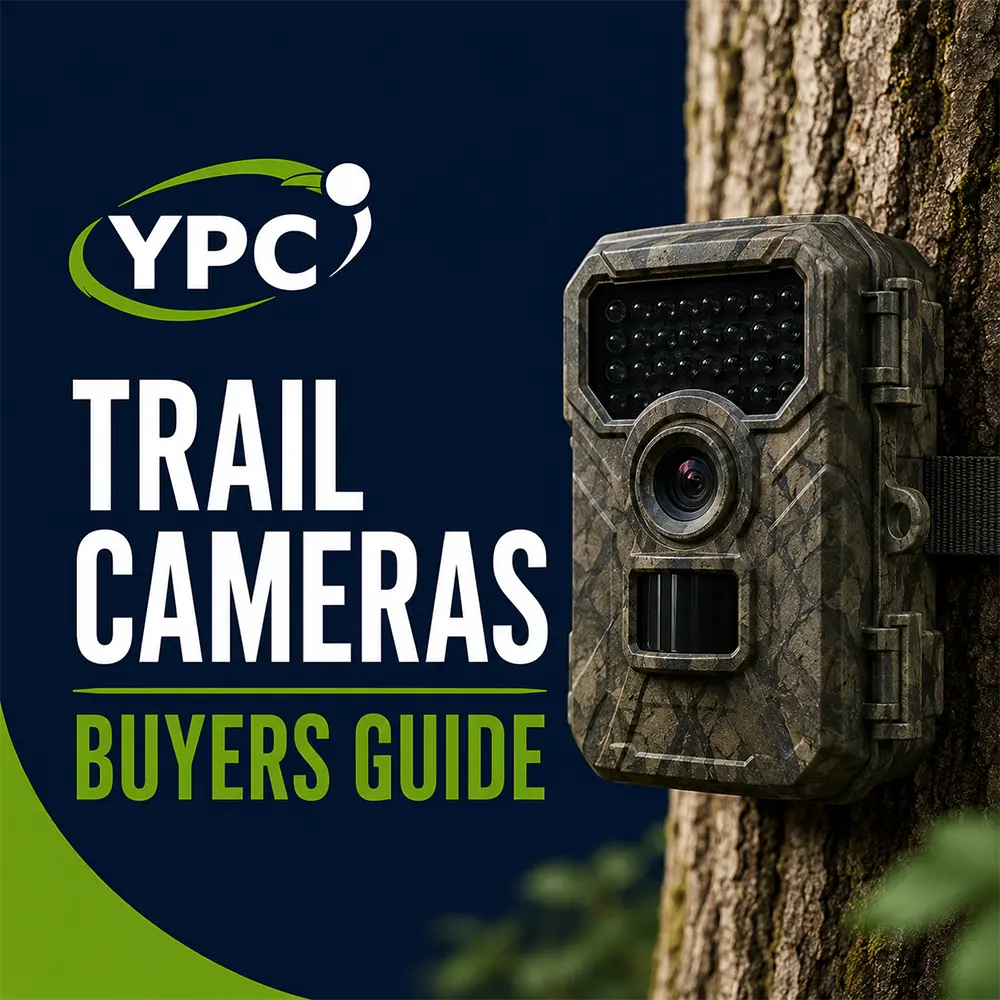
Trail cameras are motion activated devices designed for unattended outdoor monitoring. This guide explains the key features and decision factors that affect how well a trail camera suits your intended use. It is written for wildlife enthusiasts, landowners, and outdoor observers who want clear technical guidance for choosing the right camera.
Quick Product Comparison Framework
| Core Factor | What It Means | Why It Matters |
|---|---|---|
| Trigger Method | How motion is detected (PIR sensor type) | Determines responsiveness to animal movement |
| Detection Range | Distance over which motion is sensed | Affects how much area is covered before triggering |
| Image and Video Capability | Photo resolution, video resolution, frame rate | Influences how clear and usable the footage will be |
| Battery System | Type and number of batteries supported | Affects how long the camera will operate unattended |
| Storage Options | SD card capacity and handling | Impacts how long you can record before retrieving media |
| Visibility | How noticeable the camera is in the environment | Affects covert monitoring and animal reaction |
| Weather Resistance | IP rating or casing protection | Determines durability in outdoor conditions |
Key Decision Criteria Explained
Trigger Method and Sensitivity
Trail cameras use passive infrared (PIR) sensors to detect movement and heat. Trigger sensitivity varies and affects how reliably animals are captured. Too low and activity is missed; too high and false triggers may occur.
Detection Range and Field of View
Detecting motion over a longer distance and wide field of view increases the chance of capturing subjects as they approach the camera. Consider how far and wide the area you intend to monitor is when comparing options.
Image and Video Capability
Photo resolution and video quality determine how detailed your footage will be. Some cameras prioritise higher still resolution, while others emphasise smoother video. Choose based on whether you value still images, video, or both.
Battery System and Power Life
Trail cameras often run on replaceable batteries. Larger battery capacity or support for external power solutions extends the duration the camera can stay in place before servicing is needed. Power efficiency of the camera itself also affects longevity.
Storage and Media Handling
Most trail cameras record to removable SD cards. Storage capacity influences how long the camera can record before you must retrieve the footage. Larger capacity cards support longer deployments and higher resolution settings.
Visibility and Concealment
The physical appearance and colour of the camera affect how noticeable it is in the landscape. Lower visibility can help keep cameras unobtrusive for wildlife monitoring or security observation.
Environmental Suitability
Outdoor placement requires a camera built to withstand rain, dust, and temperature variation. Weather resistance ratings provide a high-level indicator of how a camera might handle different conditions.
Product Type Differentiation and Variants
Trail cameras can generally be grouped into these forms. Specifications vary — see individual product listings for details.
Basic Entry Trail Cameras
These provide reliable motion detection and image capture at standard resolution. They are suitable for garden or light woodland use where frequent checks are possible.
Intermediate Outdoor Cameras
Models in this group strike a balance between image quality, detection range, and battery life. They are suited for a variety of wildlife and general outdoor monitoring scenarios.
High Performance Trail Cameras
These prioritise higher resolution, faster trigger response, and extended detection range. They often support larger storage and longer battery life for deeper field use or focused wildlife study.
Video-Centric Trail Cameras
Some designs emphasise video capture over still images. These may offer smoother motion recording at higher frame rates or longer clips, which can aid in behavioural study or detailed observation.
Suitability by Reader Type or Need
Casual Wildlife Observers
If you are checking cameras frequently and like to see activity in common outdoor spots (garden, paths), a basic camera with good detection range and easy setup will serve well.
Dedicated Wildlife Enthusiasts
For deeper woodland or multi-day observation, a camera with stronger battery life, larger storage support, and robust weather protection is more suitable.
Remote Property Monitors
Where wildlife monitoring overlaps with general outdoor activity observation, prioritise models with long power life, larger storage, and discreet visibility to reduce false triggers and maximise coverage.
Common Mistakes and Misunderstandings
Choosing Based on Resolution Alone
Higher resolution photos do not always equate to better monitoring if trigger sensitivity or detection range is poor. Balance image quality with sensor performance and detection behaviour.
Ignoring Battery and Storage Expectations
Many users underestimate how quickly higher resolution settings consume power and storage. Always consider how often you plan to check and service the camera.
Overlooking Camera Placement
Even the best-spec camera may underperform if placed poorly relative to animal paths or landscape features. Think about sight lines and height when mounting.
Safety and Suitability Caveats
Trail cameras are designed for unattended outdoor use and must be placed securely to avoid accidental disturbance by animals or weather. Mounting hardware should be chosen to suit the environment and minimize risk of the camera falling or shifting. Do not imply universal durability; suitability depends on model design and intended seasonal conditions. Avoid instructions or troubleshooting — focus on match to your context.
Maintenance Expectations and Lifespan Considerations
Trail cameras left outdoors for extended periods will be exposed to environmental stresses such as moisture, temperature swings, and dust. Over time, seals and battery contacts may wear. Memory cards have finite write-cycle limits and will eventually require replacement. Regular retrieval visits for battery and card checks help maintain consistent operation without assuming a no-service forever scenario.
How to Compare Models Efficiently
To compare trail cameras effectively:
- Confirm the detection range and trigger behaviour relative to your intended monitoring distance.
- Match battery system and expected life to planned deployment intervals.
- Compare storage capacity support and how footage is accessed.
- Review how visibility and mounting methods align with your concealment or location needs.
- Assess weather resistance ratings relevant to your local conditions.
This systematic evaluation helps keep focus on suitability rather than isolated specifications.
Summary Buyer Decision Checklist
- Match trigger sensitivity and detection range to your monitoring area.
- Confirm image and video capability meets your observation goals.
- Verify battery type and expected duration between check-ins.
- Ensure storage capacity and medium handling suits deployment length.
- Consider camera visibility in your chosen environment.
- Check environmental protections relative to seasonal and weather conditions.
Frequently Asked Questions
How far can a trail camera detect motion
Detection range depends on the sensor design, PIR sensitivity, and field of view. Typical ranges vary between models — see individual product listings for details.
Will a trail camera record at night
Many trail cameras include infrared or low-light capture modes that function in darkness. Performance varies by technology and model — check product specifications.
Do trail cameras require power from mains electricity
Most are designed to run from batteries alone for outdoor deployment. Some models may support external power but always check intended power requirements on the product listing.
Can trail cameras record both photos and video
Yes, depending on design. Some models prioritise still images while others focus on video, and some do both. Review individual product details to confirm supported formats.
How often should I check a trail camera in the field
The frequency depends on battery life, storage capacity, and environmental conditions. Cameras placed in remote areas may need longer gaps between visits, but planning for regular check-ins helps ensure reliable operation.
For products in this category, visit:
https://www.ypc.co.uk/product-category/outdoor-tech/cameras-and-imaging/trail-cameras/