
Trail Cameras
Trail cameras are outdoor cameras designed to record wildlife, movement and activity without someone standing behind the lens. This category is ideal if you want to monitor garden wildlife, woodland visitors, rural paths, outdoor spaces, animal behaviour or activity around land, sheds and outbuildings.
The right trail camera depends on where it will be placed, what you want to capture and how often you can check it. A simple wildlife camera may be enough for a garden, while a more advanced trail camera may suit longer outdoor use, night recording or locations where reliability matters more.
- Trail Cameras
CoolifeX Solar Wildlife Camera 60MP WiFi Bluetooth Trail Camera
£48.99 *View On Amazon* - Trail Cameras
Wildlife Camera Night Vision Motion Activated 2K HD Solar Trail Camera
£49.79 *View On Amazon* - Trail Cameras
Wildlife Trail Camera with 40 IR LED 940nm No-Glow Outdoor Unit
£17.99 *View On Amazon* - Trail Cameras
Crenova 4K Trail Camera with WiFi, Bluetooth and 32GB SD Card
Original price was: £79.99.£67.99Current price is: £67.99. *View On Amazon* - Trail Cameras
XTU 4K Solar Trail Camera with WiFi, Bluetooth and Night Vision
Original price was: £79.99.£52.99Current price is: £52.99. *View On Amazon* - Trail Cameras
javiscam 4K Hidden Mini Spy Camera with WiFi and Battery
Original price was: £39.99.£35.99Current price is: £35.99. *View On Amazon* - Trail Cameras
Mucxtaim M1 Solar WiFi Wildlife Camera with 5K Video and 64MP Photos
Original price was: £109.99.£89.99Current price is: £89.99. *View On Amazon* - Trail Cameras
WOLFANG WT03S Solar WiFi Bluetooth Wildlife Trail Camera
Original price was: £79.99.£59.49Current price is: £59.49. *View On Amazon* - Trail Cameras
Meidase P300 Pro Wildlife Camera with 7800mAh Battery and 64GB Card
£119.99 *View On Amazon* - Trail Cameras
WOLFANG Wildlife Camera 64MP 4K Trail Camera with WiFi Bluetooth
£49.99 *View On Amazon* - Trail Cameras
DFGRD 4G LTE Solar Security Camera with SIM Card, 2K HD, IP66
Original price was: £55.99.£47.59Current price is: £47.59. *View On Amazon* - Trail Cameras
Misstech 4K 64MP Solar Trail Camera with App Control and 8GB Card
£49.99 *View On Amazon* - Trail Cameras
Xega Outdoor 4G Solar PTZ Trail Camera with SIM Card
Original price was: £45.99.£39.99Current price is: £39.99. *View On Amazon* - Trail Cameras
VanBangTec Wildlife Camera 50MP 4K Trail Camera with Night Vision
£29.99 *View On Amazon* - Trail Cameras
WOLFANG WT09 Dual-Lens Solar Trail Camera with Starlight Night Vision
£58.99 *View On Amazon* - Trail Cameras
WOLFANG 4G LTE Cellular Wildlife Camera with Solar Panel, 2K 48MP
£48.99 *View On Amazon* - Trail Cameras
Wildlife Game Camera with 16MP Photos, 1080p Video and 128GB Memory
£18.42 *View On Amazon*
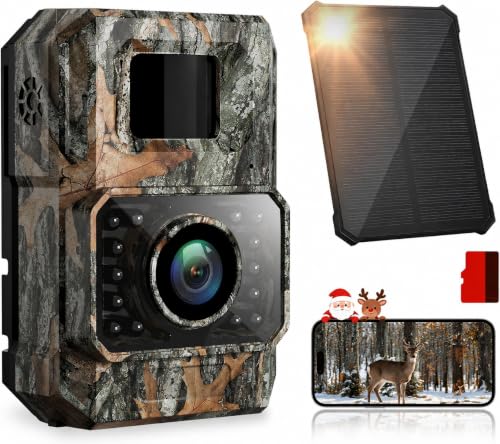


What Is A Trail Camera?
A trail camera, also known as a wildlife camera or camera trap, is a weather suitable outdoor camera that usually records when movement is detected. It can take photos, video clips or both, depending on the model.
Trail cameras are commonly used for wildlife watching, garden monitoring, countryside observation, land management, pest activity checks and general outdoor recording. They are popular because they can capture natural behaviour when people are not nearby.
How To Choose The Right Trail Camera
Start with where the camera will be used. A garden setup may only need short range detection and simple recording. A woodland, field edge or remote outdoor location may need better battery life, stronger weather protection and more reliable night recording.
Image quality is important, but it is not the only factor. Trigger speed, detection range, night vision, battery life, storage support and mounting options all affect how useful the camera will be. A sharp image is helpful, but the camera also needs to wake quickly enough to capture the animal before it leaves the frame.
Think about how often you can collect footage. If the camera is easy to reach, standard memory card storage may be fine. If it is placed somewhere harder to access, battery life and storage capacity become more important.
Day Recording, Night Recording And Motion Detection
Trail cameras are often used at night because many animals are most active when people are not around. For night recording, compare infrared performance, detection distance and whether the camera uses low glow or no glow style lighting.
Motion detection matters because the camera needs to react at the right time. A faster trigger speed can help capture moving animals, while a suitable detection range helps the camera notice activity before the subject has passed.
Placement is just as important as the camera itself. Aim the camera where animals are likely to pass, avoid pointing it directly into strong sunlight and make sure branches, grass or loose objects do not trigger constant recordings.
Photo Quality Or Video Quality?
Photo recording is useful if you want clear still images, easier file management and longer storage life. It can be ideal for identifying wildlife, checking movement patterns or reviewing activity quickly.
Video recording gives more context because it shows behaviour, direction of travel and interaction between animals. The trade off is that video files use more storage and can drain batteries faster.
For many users, a trail camera that offers both photo and video recording gives the most flexibility. Choose based on whether you care more about identification, behaviour or simple monitoring.
Key Features To Compare
When comparing trail cameras, look at image quality, video resolution, trigger speed, detection range, night vision type, battery life, memory card support, weather suitability, mounting options, screen design and ease of setup.
Battery life is especially important for outdoor use. Cold weather, frequent triggers and video recording can all reduce how long the camera lasts. Memory card capacity also matters if the camera records regularly or captures video.
Camouflage and size can help the camera blend into outdoor surroundings, but practical positioning still matters. A well placed, secure camera is usually more useful than one with impressive features but poor placement.
Using Trail Cameras Responsibly
Trail cameras should be used with care, especially where people may pass by. If you place a camera on land you do not own, get permission from the landowner or manager first.
Avoid aiming cameras at neighbouring gardens, public paths, private spaces or areas where people would not reasonably expect to be recorded. If a camera may capture people, think carefully about privacy, storage, access to footage and whether signage or another approach is appropriate.
For wildlife watching, the aim should be to observe without disturbing animals or creating unnecessary risk to people, property or habitats.
Beginner, Wildlife Enthusiast Or Land Monitoring?
Beginners should look for a trail camera that is easy to set up, simple to review and suitable for garden or light outdoor use. Clear menus, reliable motion detection and straightforward memory card access can matter more than advanced features.
Wildlife enthusiasts may want better night recording, faster trigger speed, stronger image quality and longer battery life. Landowners or outdoor site users may care more about dependable recording, discreet placement and practical monitoring over time.
The best trail camera is not always the most advanced model. It is the one that suits the location, captures the activity you care about and is easy enough to manage regularly.
Why Buy Trail Cameras From YPC?
At YPC, we have used a lot of outdoor equipment ourselves in real activity settings, so we understand why practical outdoor performance matters. A trail camera needs to be simple to position, reliable in changing conditions and useful when you come back to review the footage.
Browse the Trail Cameras range, compare the options and choose the wildlife camera that fits your garden, land, outdoor space or monitoring needs.
Trail Cameras FAQs
What is a trail camera used for?
A trail camera is used to record wildlife, movement and outdoor activity when no one is standing behind the camera. It is commonly used in gardens, woodland, fields, paths and outdoor spaces.
What is the difference between a trail camera and a normal camera?
A normal camera usually needs someone to operate it. A trail camera is designed to stay outdoors and record when movement is detected, making it useful for wildlife and unattended monitoring.
Do trail cameras work at night?
Many trail cameras are designed for night recording using infrared lighting. Check the night vision type, detection range and image quality before buying if night footage is important.
What should I look for in a trail camera?
Look at trigger speed, detection range, image quality, video quality, battery life, night vision, memory card support, weather suitability, mounting options and ease of setup.
Are trail cameras good for garden wildlife?
Yes, trail cameras can be very useful for garden wildlife. They can help capture hedgehogs, foxes, birds and other visitors that may appear when you are not watching.
Do trail cameras need Wi-Fi?
Not always. Many trail cameras record to a memory card, which you remove to view the footage. Some models may offer wireless or app features, but they are not essential for every user.
How long do trail camera batteries last?
Battery life depends on the camera, battery type, temperature, settings and how often it records. Video, night recording and frequent motion triggers can all reduce battery life.
Where should I place a trail camera?
Place a trail camera where animals are likely to pass, such as near paths, feeding areas, garden edges or field boundaries. Avoid pointing it into strong sunlight or at moving branches and long grass.
Can I put a trail camera on public land?
You should not place a trail camera on land you do not own without permission from the landowner or manager. You should also consider privacy if the camera could record people.
Is a trail camera the same as a security camera?
Not exactly. A trail camera is mainly designed for outdoor motion triggered recording, often for wildlife or remote monitoring. A security camera is usually designed for regular property surveillance and may have different legal, power and connectivity needs.
Trail Cameras Buyers Guide
This Buyers Guide explains key differences between trail camera types and outlines the main factors that affect suitability for wildlife monitoring and unattended outdoor use.
 Getting ready for Summer? View our Home and Garden Products

Heading outdoors this winter? Take a look at our Outdoor Clothing.