

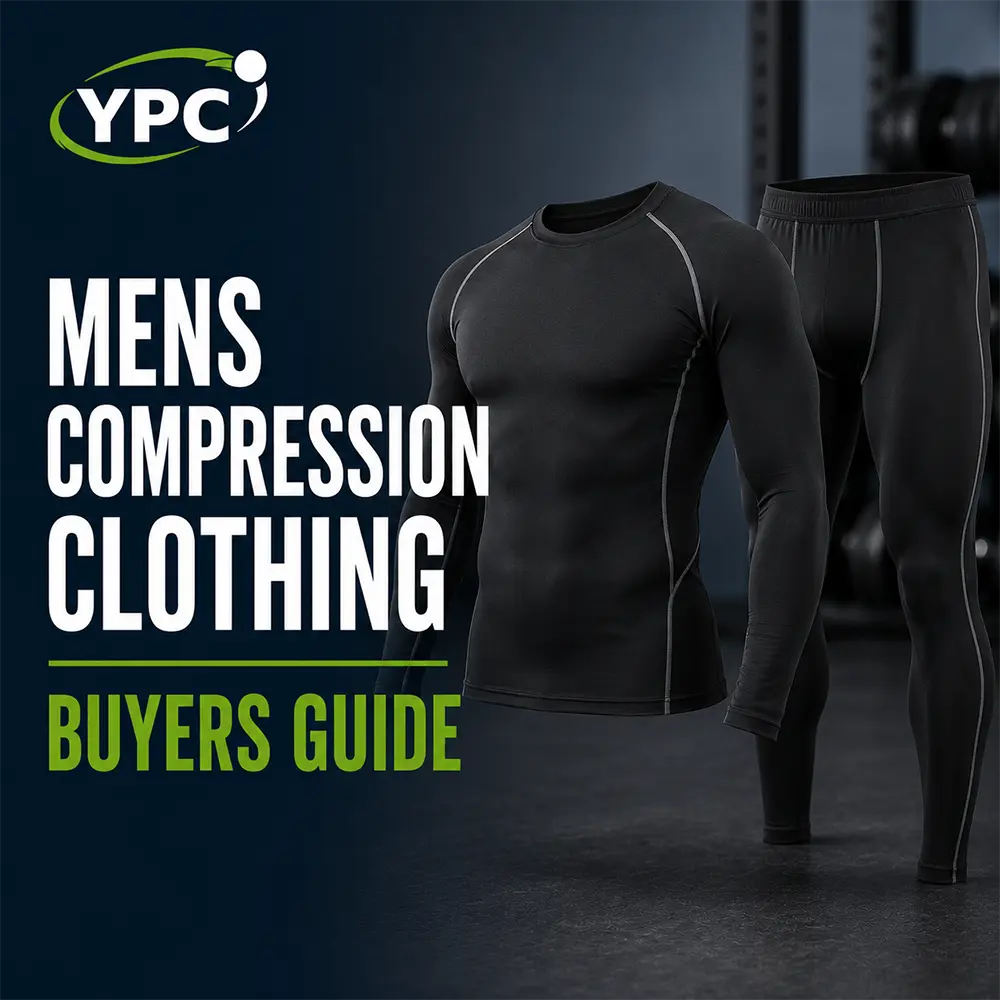

Men’s compression clothing is designed to sit close to the body during training, recovery, and layered wear. This Buyers Guide explains how different compression garments vary and what to consider when choosing pieces that suit your routine. It focuses on comfort, fit, and practical use rather than performance claims. By the end, you should be able to compare options with confidence and clarity.
Compare Men's Compression Clothing


As an Amazon Associate we earn from qualifying purchases.
Quick Product Comparison Framework
| Decision Area | What Varies | Why It Matters |
|---|---|---|
| Compression level | Light to firm | Influences comfort and support feel |
| Garment type | Tops, shorts, leggings | Determines coverage and layering |
| Fabric weight | Lightweight to thicker | Affects heat management |
| Breathability | More open to denser weaves | Impacts sweat control |
| Fit cut | Very close to flexible | Affects long-session comfort |
| Intended use | Training, recovery, layering | Guides suitability |
Specifications vary, see individual product pages for details.
Key Decision Criteria Explained
Compression feel
Compression garments vary in how firmly they sit against the body. Some people prefer a close, supportive feel, while others choose a lighter compression for comfort during longer sessions.
Fabric and breathability
Material choice influences how heat and moisture are managed. Lighter fabrics often feel more comfortable during cardio or warm conditions.
Fit and movement comfort
A good fit allows full range of motion without pinching or shifting. Comfort during bending, stretching, and repeated movement is essential.
Garment type selection
Tops, leggings, and shorts each suit different activities and layering needs. Choice depends on coverage preference and training style.
Wear duration
Some garments are designed for session-only use, while others feel comfortable for extended wear.
Product Type Differentiation and Variants
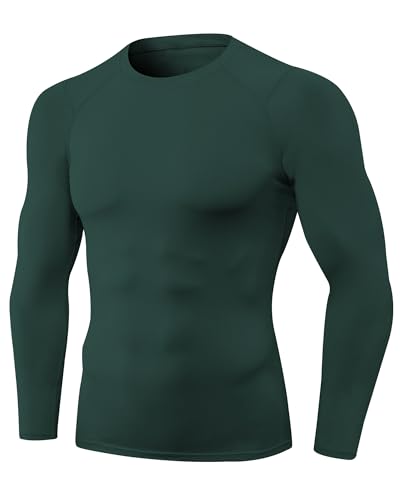
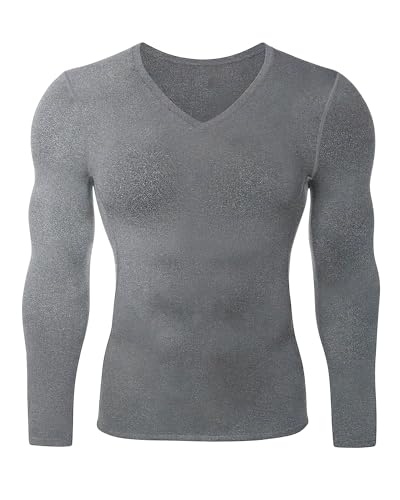
Compression tops
Often used for upper-body support or as base layers during training and warm-ups.
Compression leggings or tights
Provide full leg coverage and are commonly used for running, gym sessions, or cooler conditions.
Compression shorts
Offer lower-body support with greater airflow, often preferred in warmer environments.
Layering focused pieces
Designed to sit comfortably under looser clothing without bulk.
Specifications vary — see individual product pages for details.
Suitability by Reader Type or Need
- Casual gym users often prioritise comfort and moderate compression.
- Regular trainers may select different garments for different session types.
- Competitive athletes often prefer consistent fit and fabric behaviour.
- Recovery focused users may favour lighter, comfortable compression.
- Mixed fitness participants benefit from versatile pieces that layer easily.
Suitability depends on how and when garments are worn rather than training intensity alone.
Common Mistakes and Misunderstandings
- Choosing compression that feels overly tight for long sessions.
- Assuming tighter compression is always better.
- Ignoring fabric comfort in favour of fit alone.
- Wearing compression intended for layering as standalone wear without considering opacity.
- Expecting compression clothing to replace proper warm-up or recovery routines.
Understanding intended use helps avoid these issues.
Safety and Suitability Caveats
Compression clothing should feel supportive but not restrictive. Discomfort, restricted movement, or skin irritation are signs the fit may not be suitable. Personal comfort and tolerance vary, and garments should be chosen accordingly.
Maintenance Expectations and Lifespan Considerations
Stretch fabrics gradually change over time with regular use. Rotation between garments helps maintain fit and comfort. Fabric durability depends on usage frequency, washing habits, and activity type. Lifespan varies between products.
How to Compare Models Efficiently
- Decide whether the garment is for training, recovery, or layering.
- Choose a compression level that feels comfortable for your session length.
- Compare fabric weight and breathability for your typical environment.
- Assess comfort during movement rather than standing fit.
- Consider how the garment fits within your existing activewear.
This approach keeps selection practical and focused.
Summary Buyer Decision Checklist
- Intended use and activity type
- Preferred compression feel
- Garment type and coverage
- Fabric comfort and breathability
- Session length suitability
- Skin sensitivity considerations
- Budget limits
Frequently Asked Questions
Should compression clothing feel tight at first?
It should feel close-fitting but comfortable. It should not restrict movement or feel uncomfortable during activity.
Is compression clothing suitable for recovery days?
Many people wear it during light movement or rest days. Comfort is the main deciding factor.
Can compression clothing be worn under other gym clothes?
Yes. Many pieces are designed specifically for layering under looser garments.
Is compression clothing only for intense workouts?
No. It can be worn during warm-ups, steady sessions, or light training depending on comfort.
For products in this category, visit:
https://www.ypc.co.uk/product-category/diet-fitness-and-exercise-equipment/activewear-and-footwear/mens-activewear/mens-compression-clothing/
Check sizing and garment construction
Use the individual size guide rather than assuming that your usual size will give the right compression fit. Compare the measurements requested by the guide, and check whether its sizing advice is specific to the garment. Choosing a smaller size to make a piece feel more supportive can instead make it uncomfortable or restrict movement.
Look beyond the size label at details that affect how the garment sits during activity. For shorts or leggings, consider the waistband, leg length and whether the garment is intended to be worn as a base layer or on its own. For tops, check the sleeve length and cut against the layers you plan to wear. If you prefer a smooth feel, product-page details or images may help you assess seams and other construction features, but they cannot guarantee comfort for every wearer.
Where coverage matters, check whether the product information addresses opacity and intended wear. A close-fitting garment may look or feel different when stretched or worn in different lighting, so do not assume that every base layer is suitable as standalone clothing.
Care and washing checks
Care requirements can differ between garments and fabrics. Before buying, check the product information for washing and drying instructions, especially if easy care is important to you. Following the garment’s care label can help you avoid using a method that the manufacturer advises against.
More Men's Compression Clothing
See all 465 Men's Compression Clothing →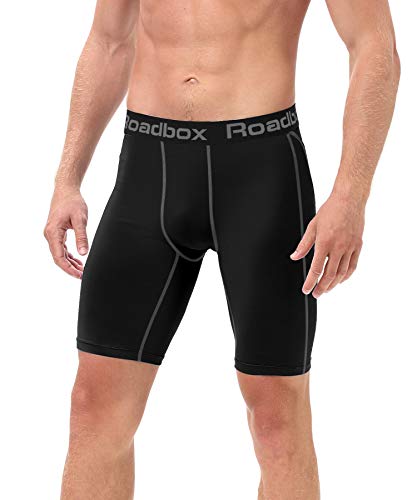


As an Amazon Associate we earn from qualifying purchases.


